Category: Developer Guides
-

UCP Split Shipments: Multi-Warehouse Fulfillment Guide
Master UCP split shipments across multiple warehouses. Learn protocol-layer fulfillment routing, inventory allocation logic, and how AI agents optimize multi-no
-
Agent-to-Agent Commerce Pricing: How AI Negotiates B2B Deals Without Human Intervention
AI agents are now autonomously negotiating B2B pricing. Here’s how merchants prevent margin collapse when algorithms set your wholesale rates.
-
Agent Consent & Privacy: Building Trust in AI Commerce
GDPR Article 7 and FTC Act Section 5 establish legal frameworks for e-commerce platforms to deploy consent management systems that require explicit opt-in authorization for AI shopping agents, including transaction categories, spending caps defined in USD/EUR, and product restrictions. Compliance requires disclosure of machine learning decision trees under FTC Guidelines on Algorithmic Transparency (2020), with…
-
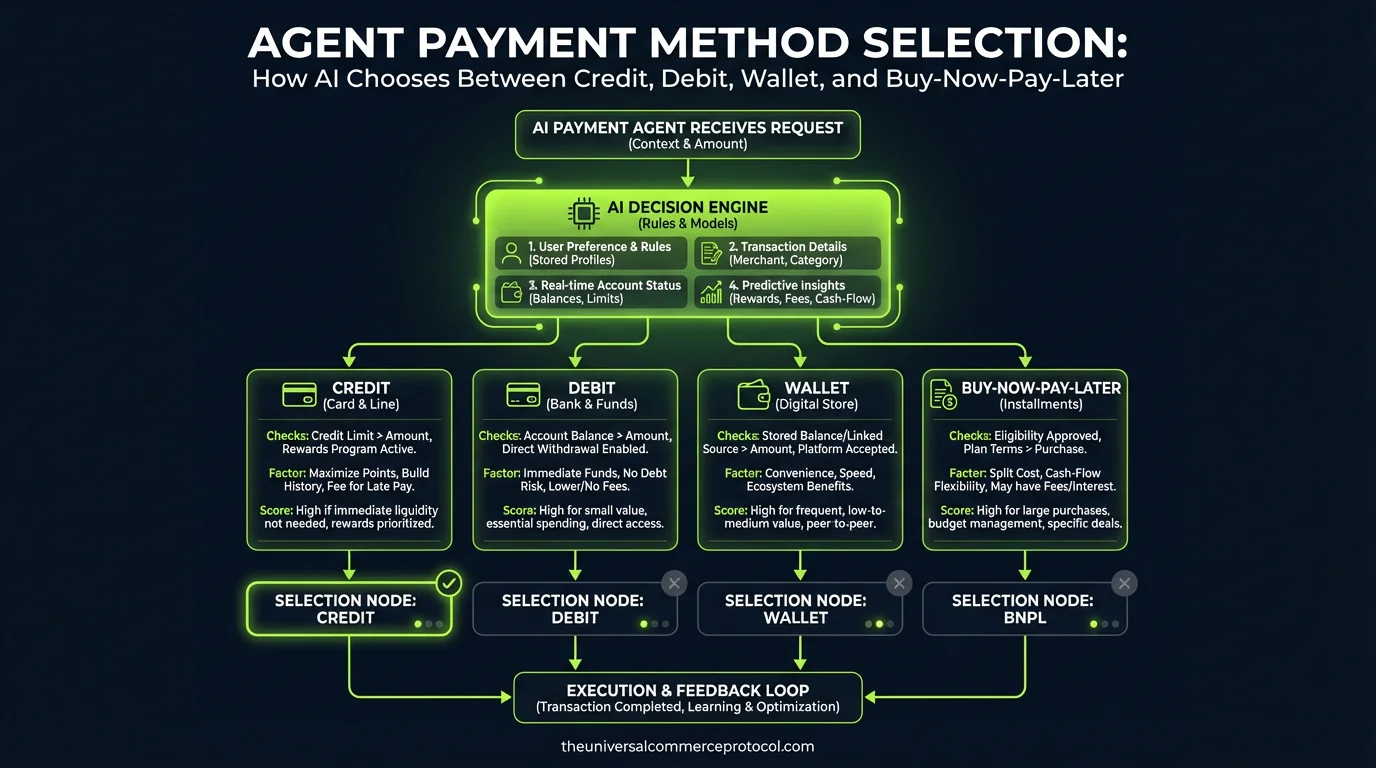
AI Payment Method Selection: Credit, Debit & BNPL
AI payment orchestration platforms route transactions across Visa, Mastercard, American Express, debit networks (Interac, PULSE), and Buy Now, Pay Later providers (Affirm, Klarna) using machine learning models that analyze real-time approval rates, interchange fees (2.9% for credit cards versus 0% for debit), chargeback risk, and fraud signals. Predictive authorization scoring evaluates merchant risk classification and…
-
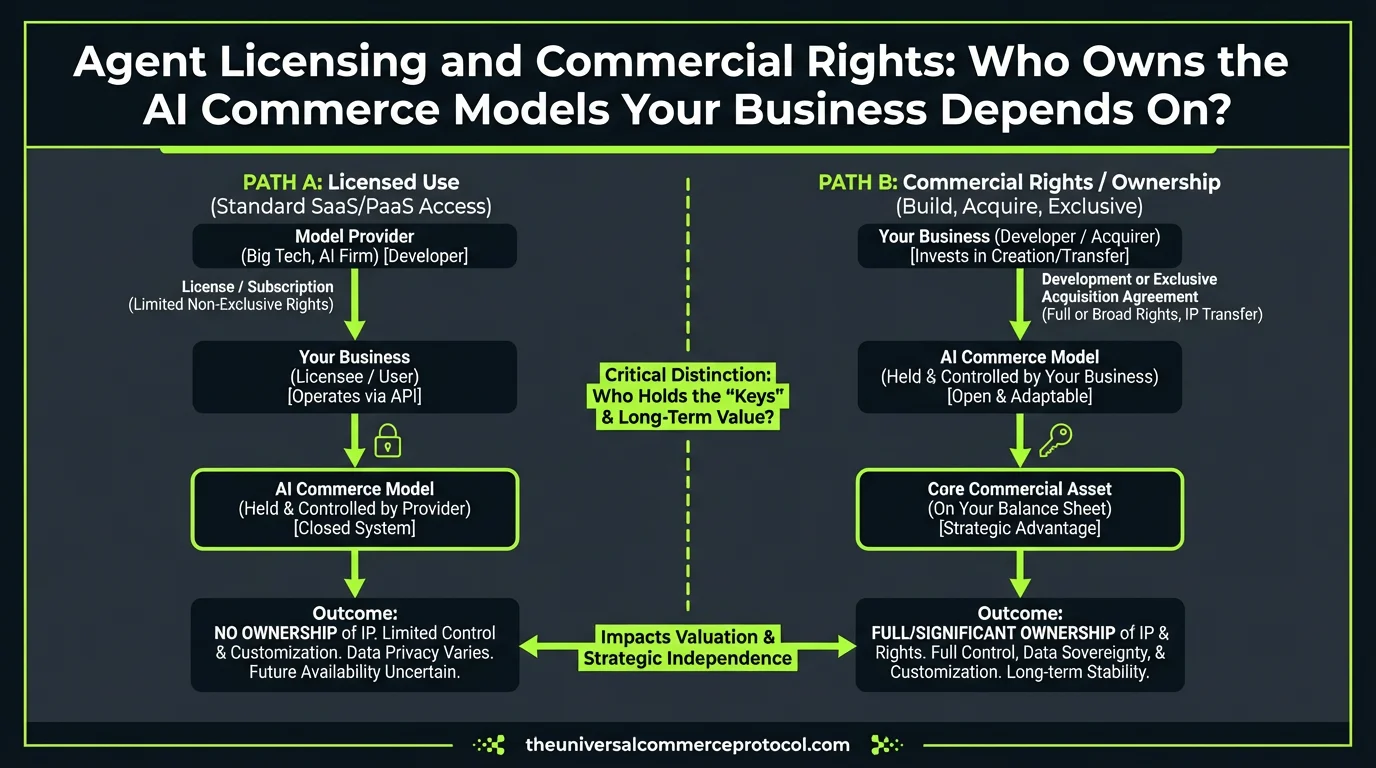
AI Commerce Licensing: Who Owns Your Agent Rights?
OpenAI’s API Terms of Service (Section 2.3), Anthropic’s Commercial License Agreement, and Meta’s Open Source License (OSSLv1.1) establish distinct permission boundaries governed by EU AI Act Articles 5-7, FTC Guidelines on AI Disclosure (2023), and NIST AI Risk Management Framework (SP 800-239). E-commerce merchants deploying GPT-4 Turbo, Claude 3 Opus, or Llama 2 commerce agents…
-

UCP Adoption Challenges: Developer’s Guide to Success
Universal Control Plane (UCP) adoption presents technical challenges including orchestration complexity, security configuration, and multi-cluster management. This developer guide addresses Docker UCP integration hurdles such as licensing requirements, Windows and Linux node compatibility, and swarm mode prerequisites. Implement best practices for streamlined UCP deployment across distributed infrastructure environments.
-

UCP Serverless Commerce: Build Scalable Agentic Apps
Universal Commerce Platform (UCP) enables serverless agentic commerce architectures by integrating autonomous AI agents with event-driven computing models, eliminating infrastructure management overhead. Organizations can deploy intelligent commerce agents across distributed cloud environments—including AWS Lambda, Google Cloud Functions, and Azure Functions—to deliver real-time personalization, dynamic pricing, and autonomous customer service workflows at scale. This serverless approach…
-

UCP Security Best Practices: Protecting Merchants and Buyers in Agentic Commerce
UCP security best practices protect merchants & buyers in agentic commerce. Learn how to secure transactions and prevent fraud.
-
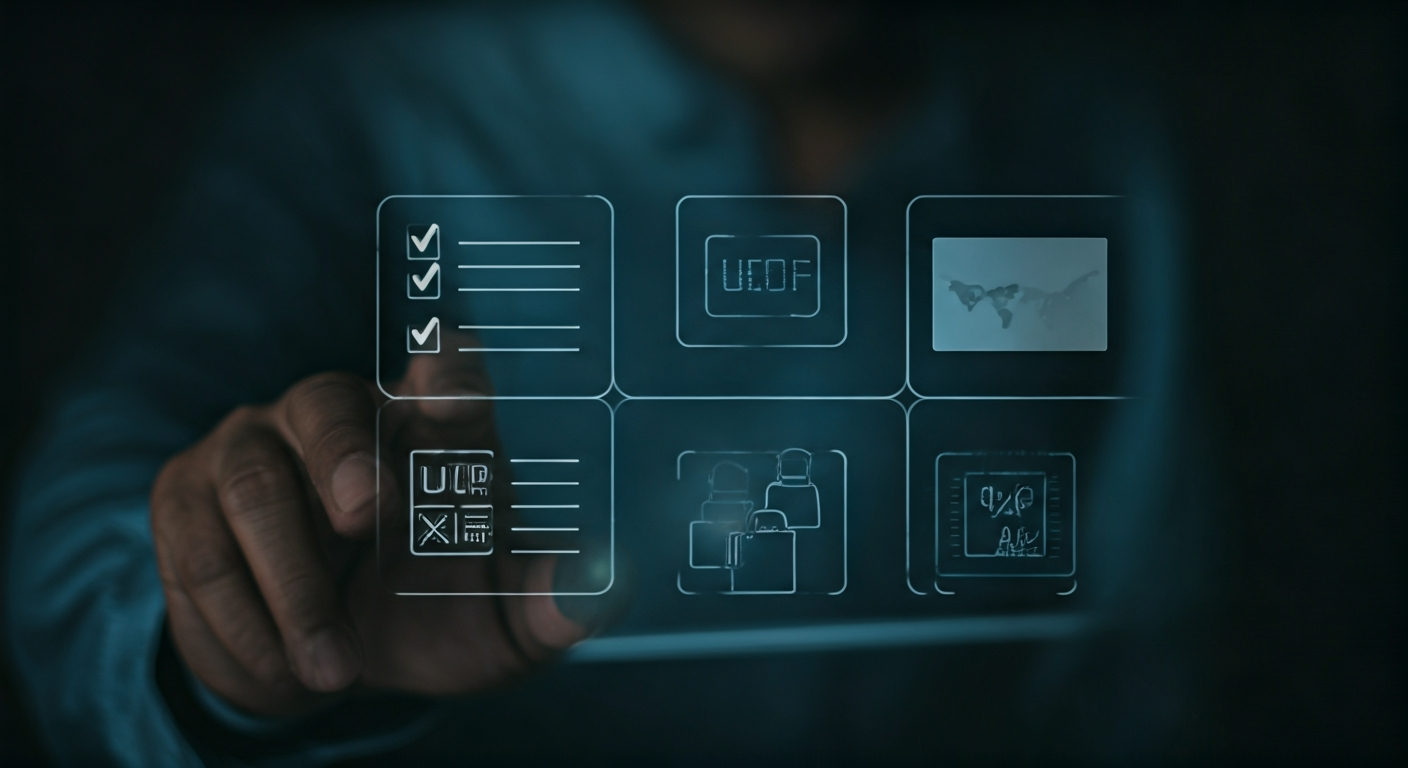
UCP Adoption Checklist: Preparing Your Commerce Stack for Agentic Transactions
UCP adoption checklist: Is your commerce stack ready for agentic transactions? Prepare for seamless UCP integration now!
-

UCP and AI Agent Security: Authentication, Authorization, and Compliance Deep Dive
UCP AI agent security deep dive: Authentication, authorization, & compliance strategies to protect your AI agents and data.