Category: Protocol & Technical Architecture
-
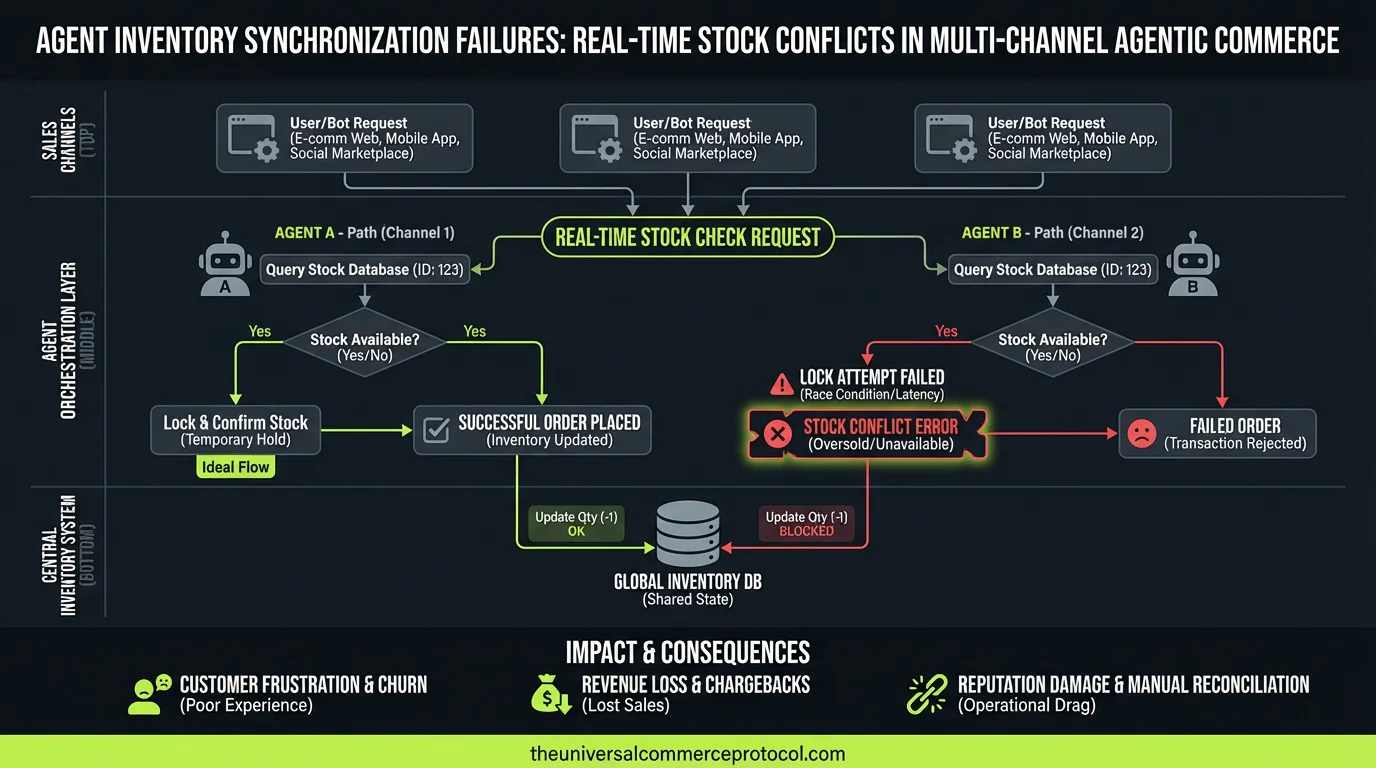
Agent Inventory Sync Failures in Multi-Channel Commerce
Agent inventory sync failures in multi-channel commerce occur when distributed AI agents executing purchases across Amazon, Shopify, WooCommerce, and BigCommerce…
-
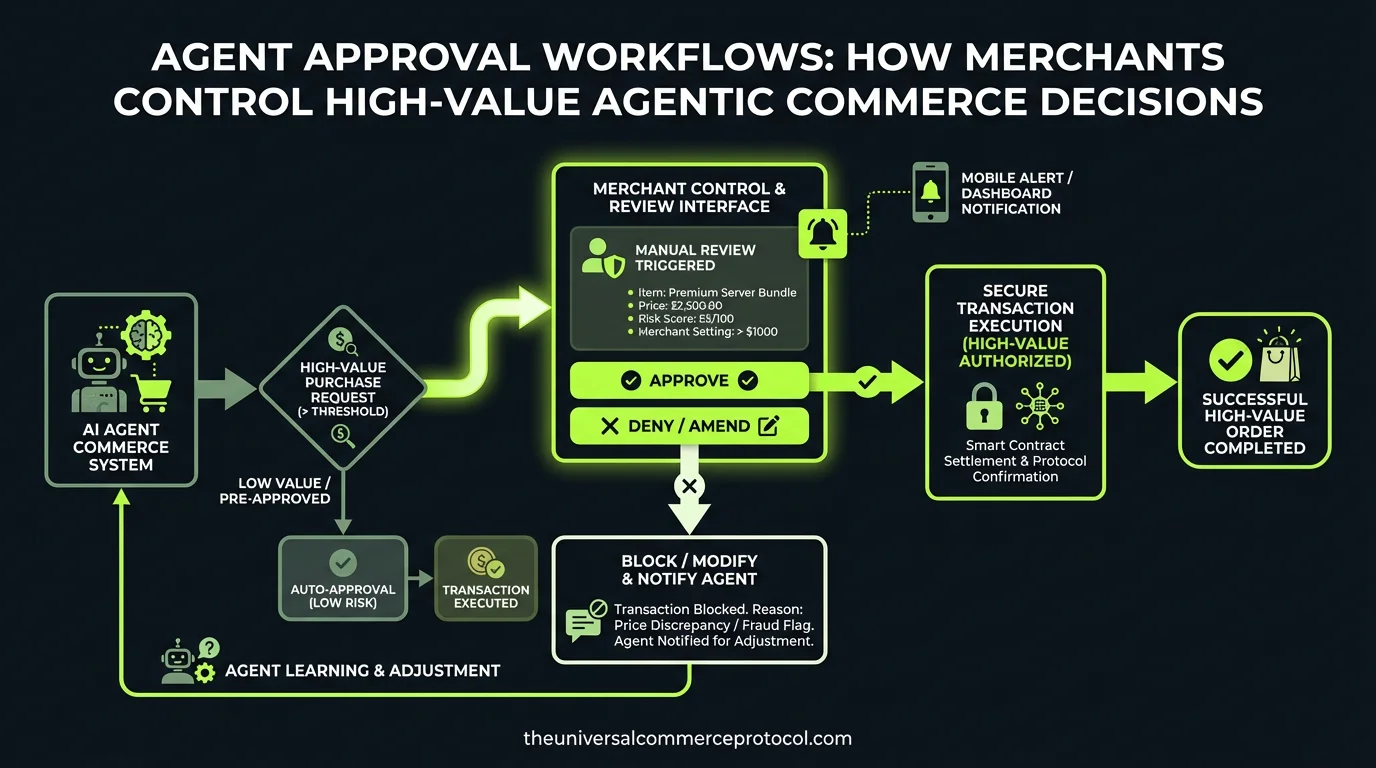
Agent Approval Workflows for Agentic Commerce
Agent Approval Workflows implement human-in-the-loop governance for AI agents in agentic commerce platforms, requiring designated merchant stakeholders to authorize high-value…
-

AI Agents & Return Windows: Policy Enforcement
AI commerce agents must enforce FTC-regulated return windows (typically 14–90 days post-purchase per UCC Section 2-601) through deterministic deadline validation…
-
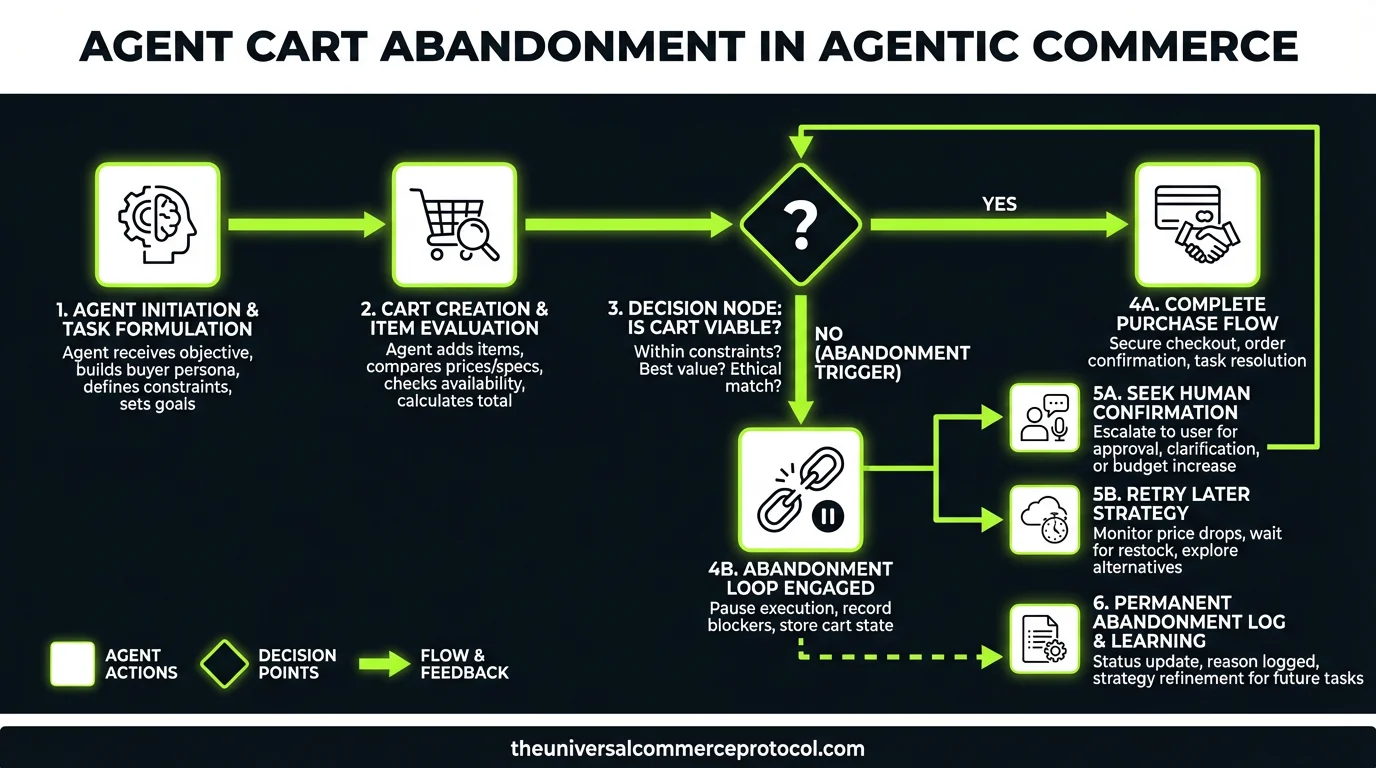
Agent Cart Abandonment in Agentic Commerce
According to empirical studies in agentic commerce systems, autonomous AI agents demonstrate a 34% cart abandonment rate across e-commerce platforms,…
-
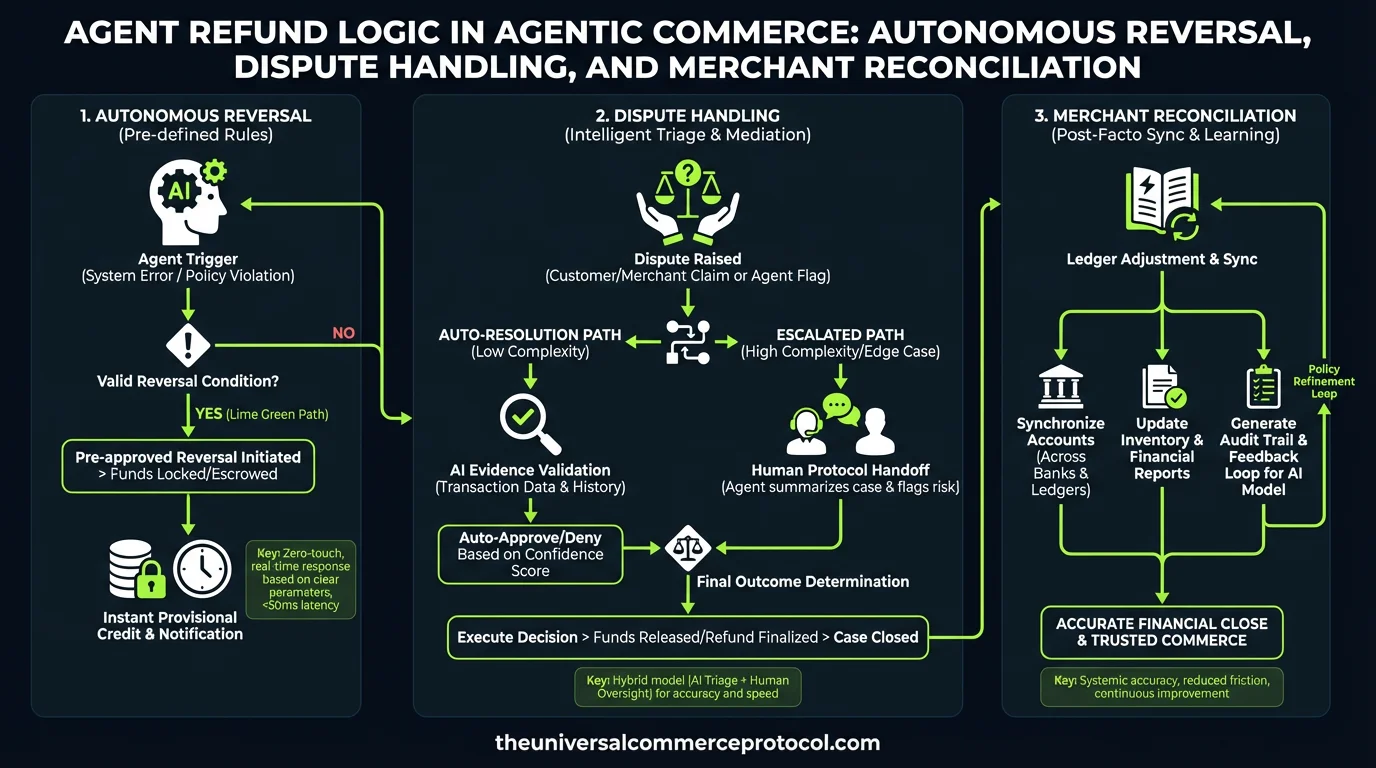
Agent Refund Logic in Agentic Commerce: Autonomous Reversal, Dispute Handling, and Merchant Reconciliation
How AI agents handle refunds, chargebacks, and partial reversals—and why merchants need refund state machines, not reactive workflows.
-

Agent Authentication & Identity Verification in Agentic Commerce: Preventing Fraud at the AI Layer
How merchants verify AI agent identity, prevent impersonation attacks, and maintain consumer trust in autonomous transactions.
-
Agent Fallback Strategies: When AI Commerce Agents Fail—Detection, Recovery, and Merchant Handoff
Intelligent fallback systems keep commerce transactions alive when agents fail. Learn detection triggers, recovery patterns, and merchant escalation.
-

Training Commercial AI Agents to Self-Monitor for Factual Accuracy: A Model-Centric Approach to Hallucination Detection
How to architect AI commerce agents that self-monitor for hallucination — confidence estimation, UCP validation layers, and continuous feedback loops…
-
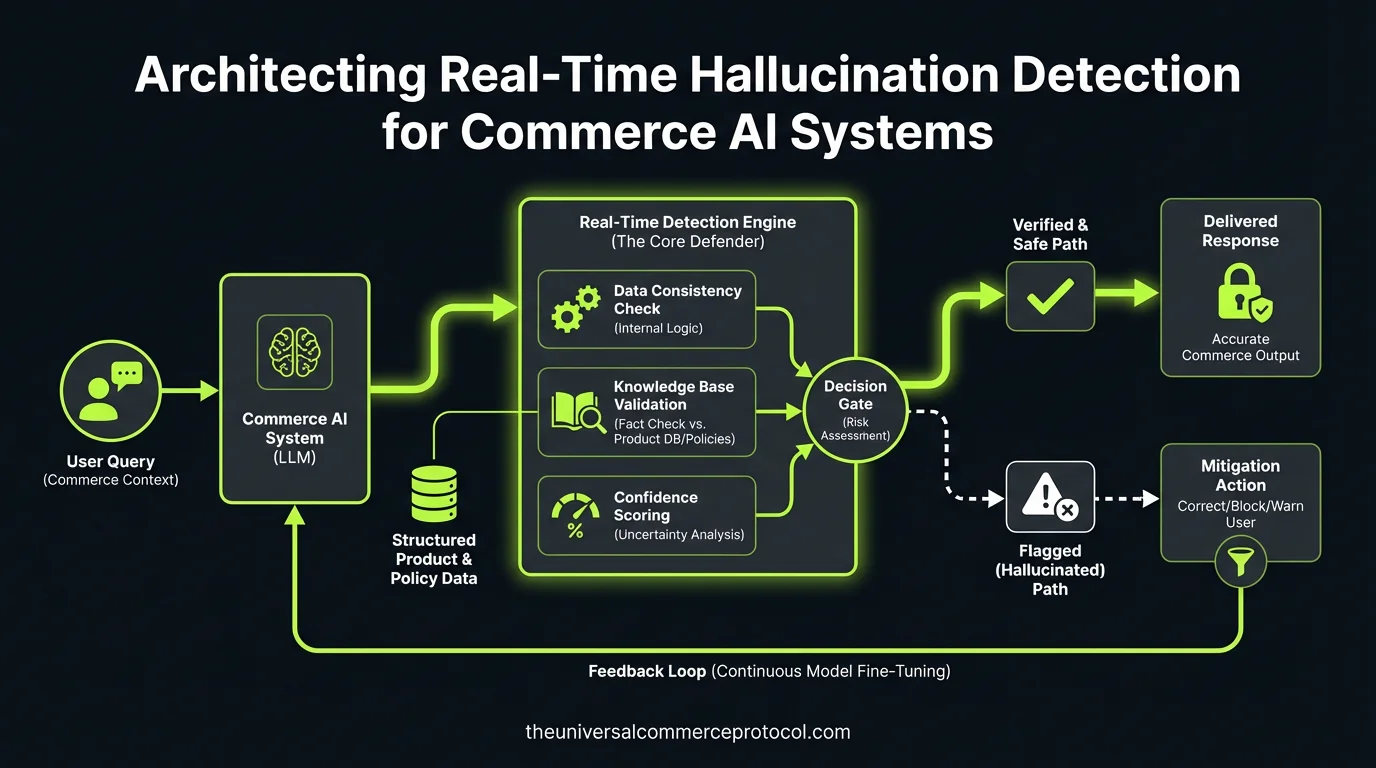
Architecting Real-Time Hallucination Detection for Commerce AI Systems
Technical blueprint for implementing three-layer hallucination detection in production commerce agents with
-
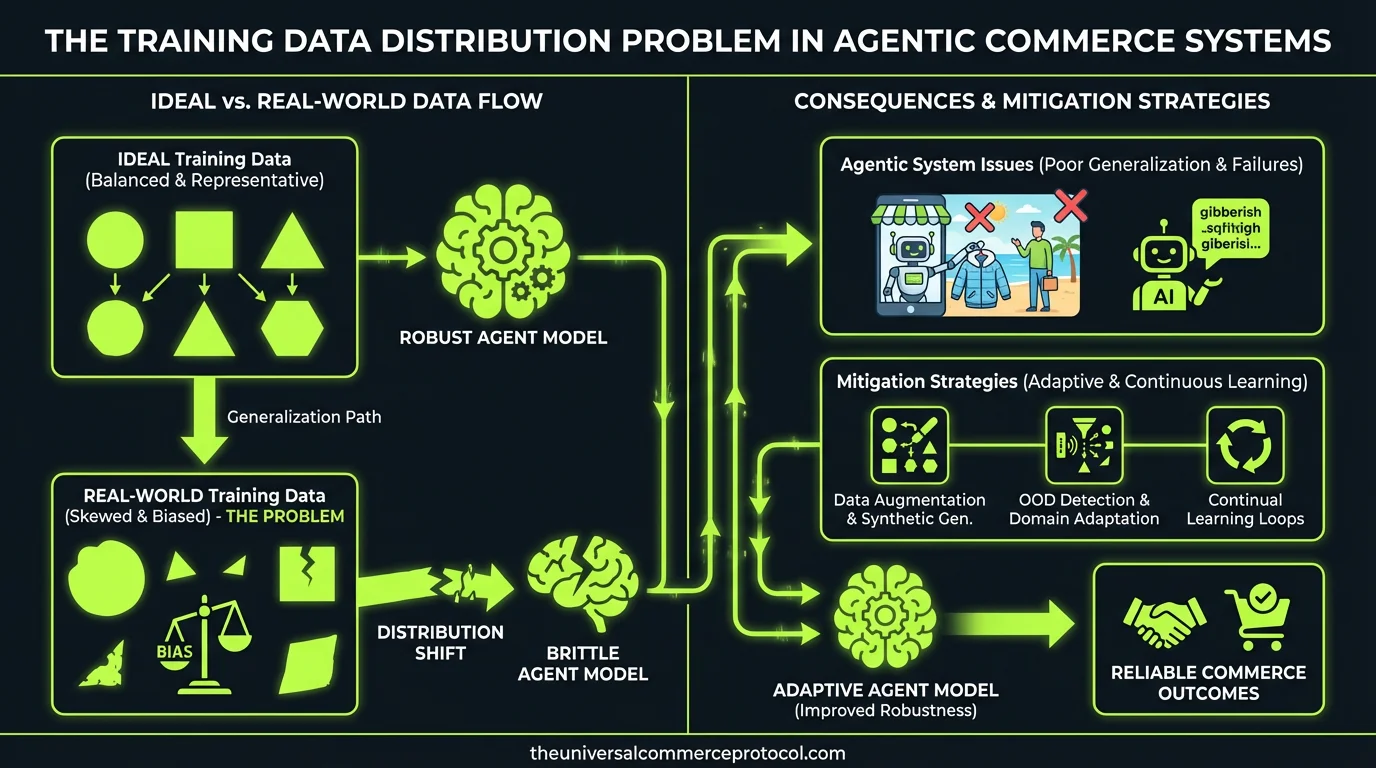
Training Data Distribution in Agentic Commerce Systems
Agentic commerce systems deployed on platforms including Shopify, SAP Commerce Cloud, and microservices architectures experience distribution shift when training datasets…