Tag: Agentic Commerce
-
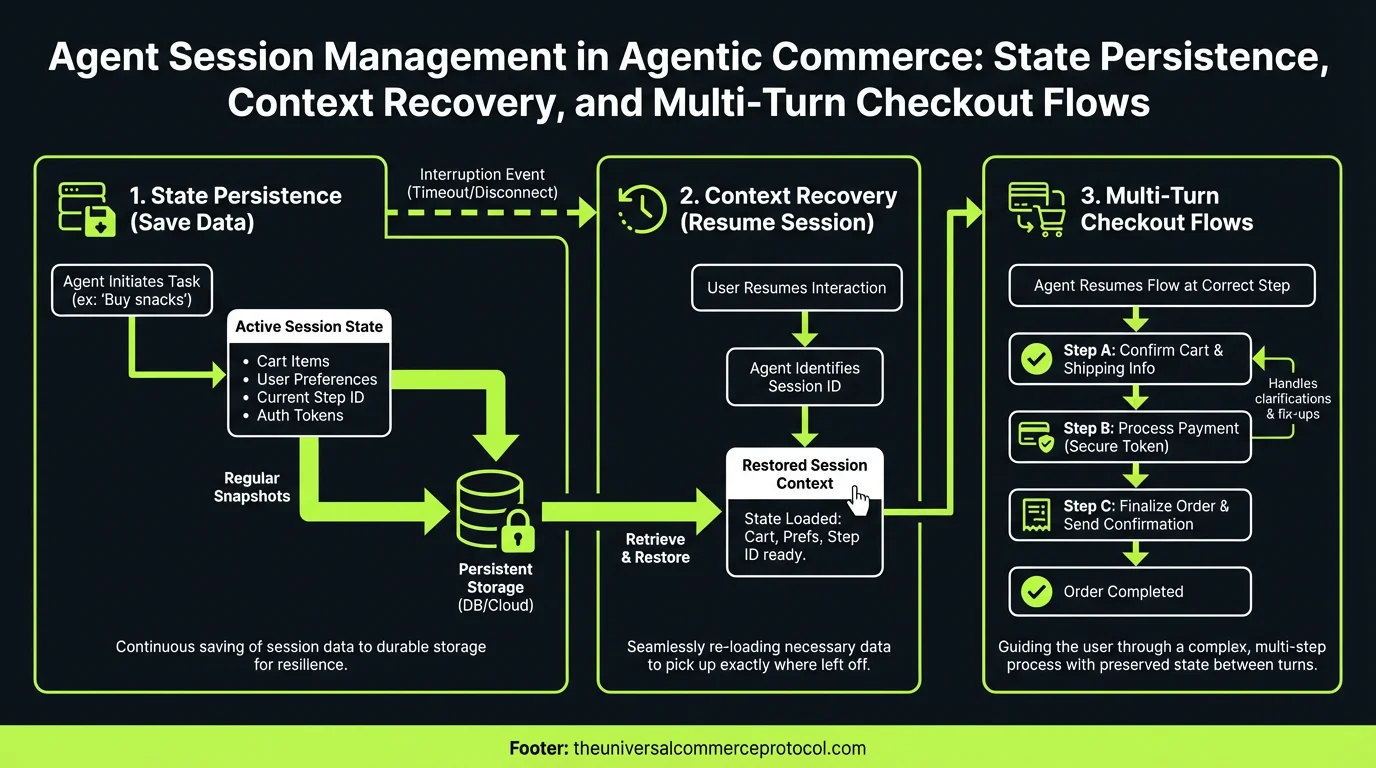
Agent Session Management in Agentic Commerce
Agent session management in agentic commerce persists state across Redis (sub-millisecond latency) and PostgreSQL (Write-Ahead Logs for ACID compliance) using OAuth 2.0/OpenID Connect with cryptographically-signed JWT tokens, while retrieval-augmented generation (RAG) powered by transformer models including GPT-4 and Claude 3 maintain purchase context across device switches and multi-turn checkout flows. This architecture implements encrypted state…
-
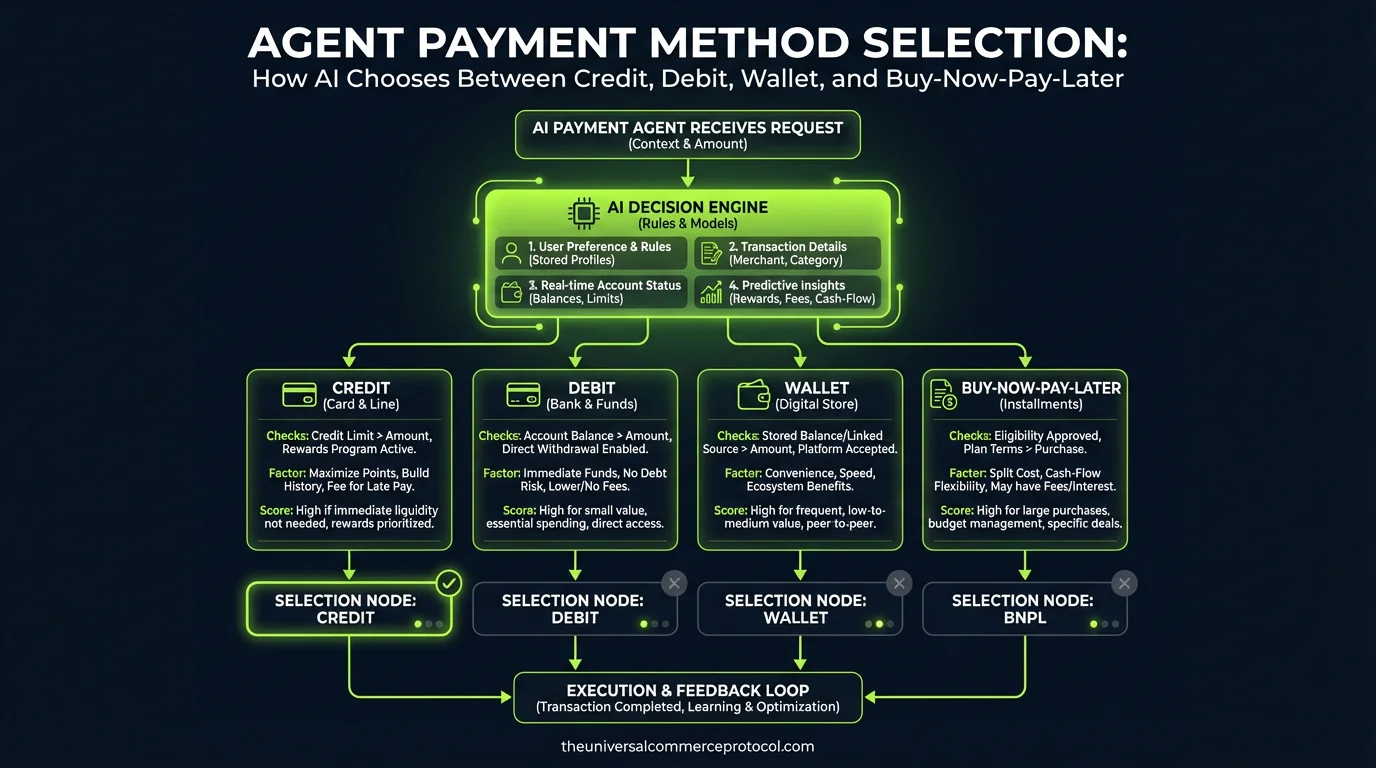
AI Payment Method Selection: Credit, Debit & BNPL
AI payment orchestration platforms route transactions across Visa, Mastercard, American Express, debit networks (Interac, PULSE), and Buy Now, Pay Later providers (Affirm, Klarna) using machine learning models that analyze real-time approval rates, interchange fees (2.9% for credit cards versus 0% for debit), chargeback risk, and fraud signals. Predictive authorization scoring evaluates merchant risk classification and…
-
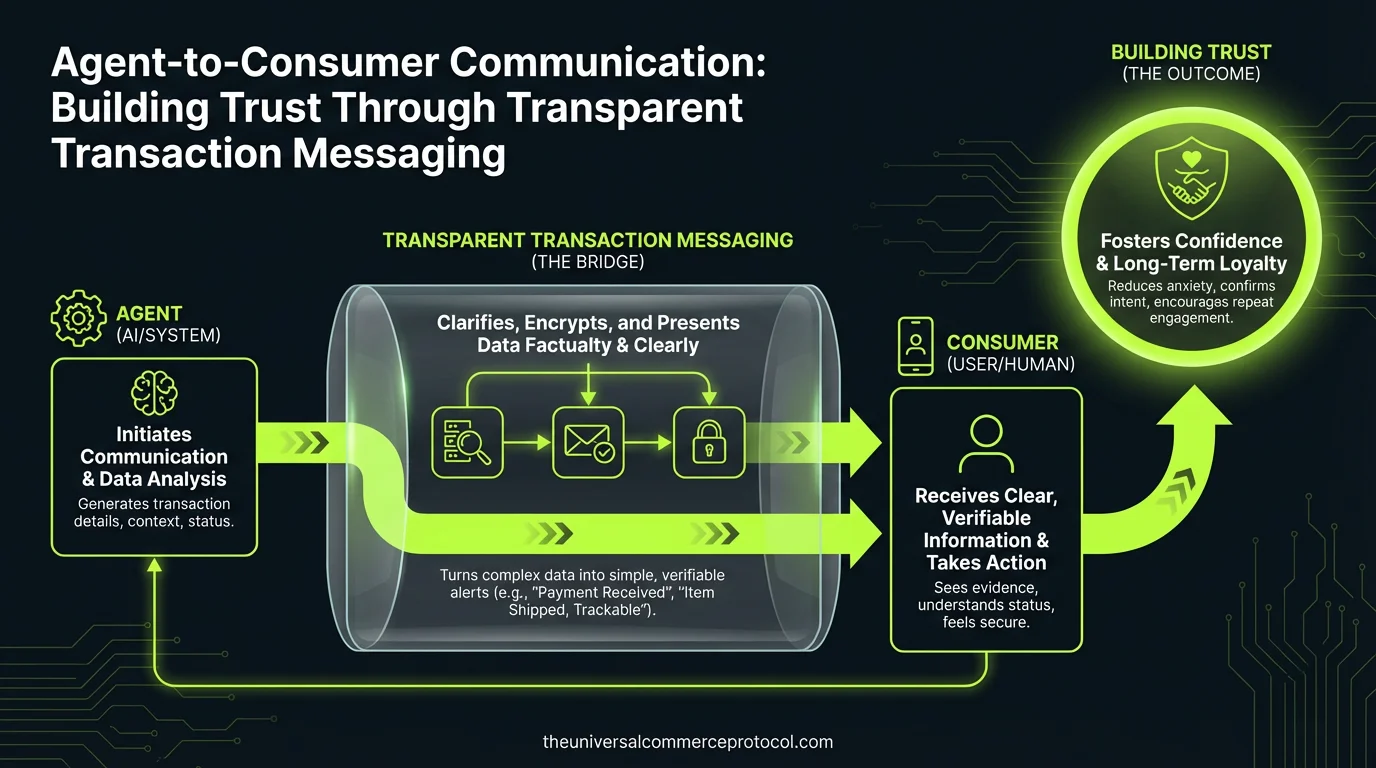
Agent-to-Consumer Communication: Building Trust
Agentic commerce platforms must implement ISO 20022-compliant financial messaging with transparent disclosure of AI decision logic, dynamic pricing models, and settlement risks under FTC Act Section 5 and GDPR Article 22 requirements. Trust architecture includes immutable distributed ledger audit trails, explicit opt-in consent mechanisms at transaction initiation, and cryptographic attribution linking autonomous agent actions to…
-
AI Commerce Tax Reporting & Compliance Guide
AI commerce agents executing autonomous transactions must comply with Internal Revenue Code (IRC) Section 6001 record-retention requirements, file IRS Form 8949 for capital asset transactions, and satisfy economic nexus obligations established by South Dakota v. Wayfair, 585 U.S. ___ (2018) across all state jurisdictions conducting sales. Merchants deploying AI purchasing systems must apply Financial Accounting…
-
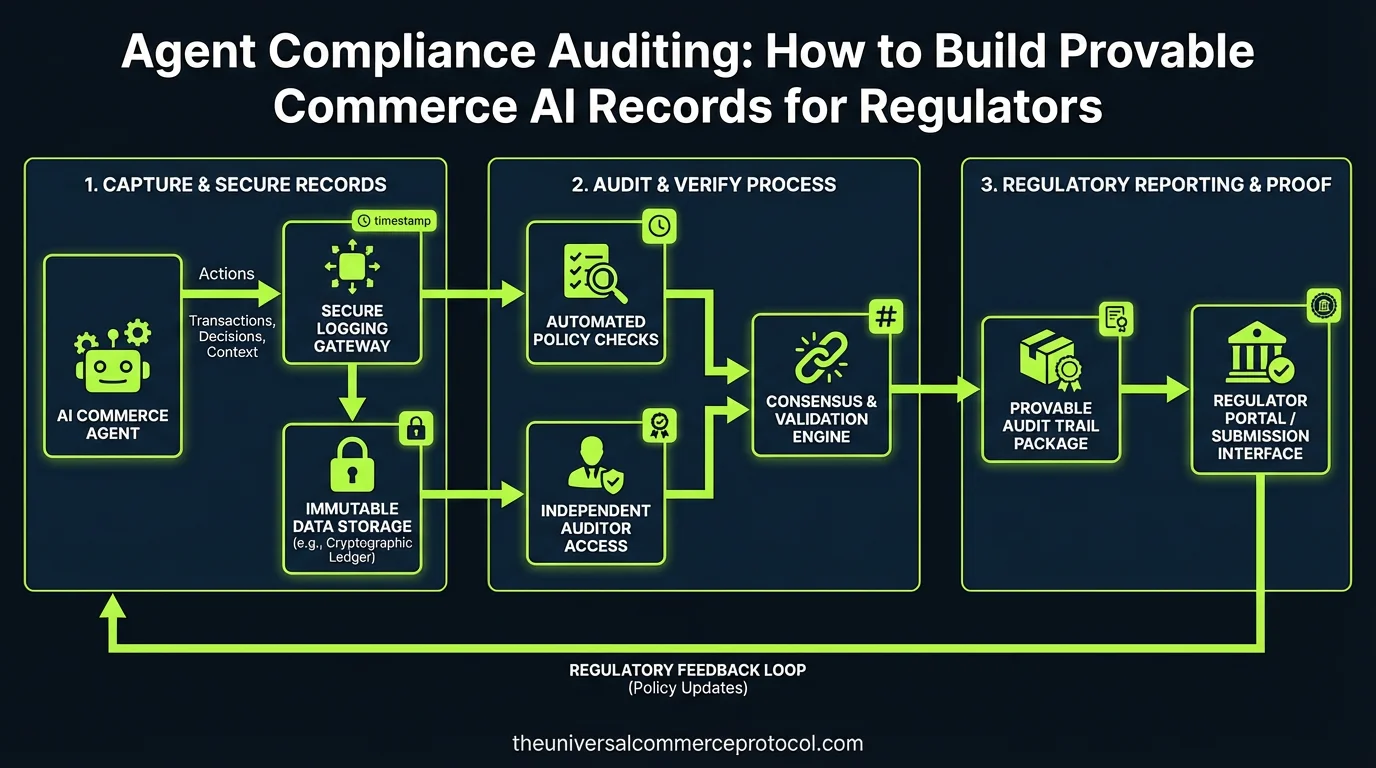
AI Agent Compliance Auditing: Provable Commerce Records
The Federal Trade Commission (FTC), Securities and Exchange Commission (SEC), and state attorneys general enforce audit trail requirements under the Fair Credit Reporting Act (FCRA) and Gramm-Leach-Bliley Act (GLBA), with the Office of the Comptroller of the Currency (OCC) mandating machine-readable compliance records documenting AI agent decision logic, input variables, and output justifications. Financial institutions…
-
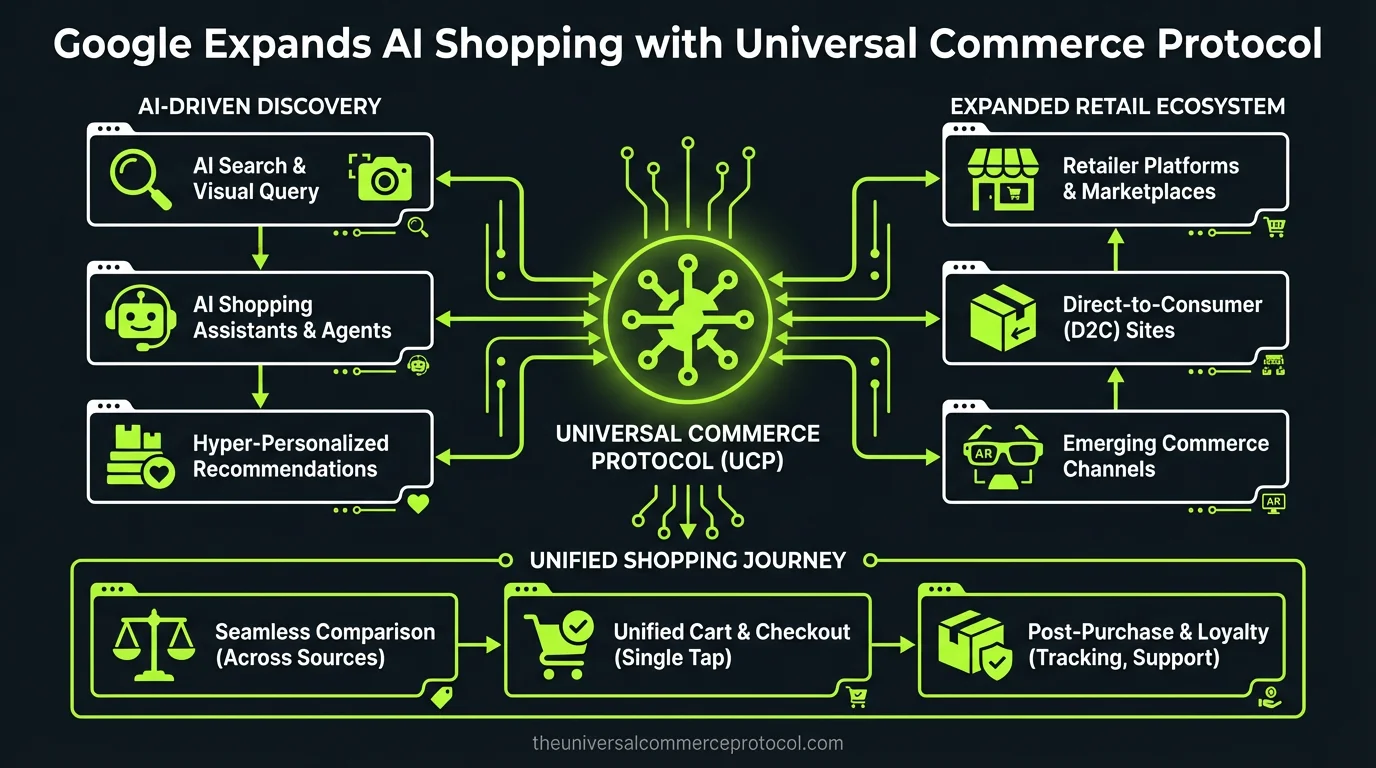
Google Expands AI Shopping with Universal Commerce
Google’s Universal Commerce Protocol (UCP) expansion across the United States integrates generative AI-powered product discovery and real-time checkout into Google Search, Google Maps, and YouTube, enabling merchants to synchronize inventory dynamically while leveraging Google’s AI infrastructure for streamlined customer journeys. This initiative directly competes with Amazon’s e-commerce ecosystem by embedding transactional capabilities into Google’s search…
-
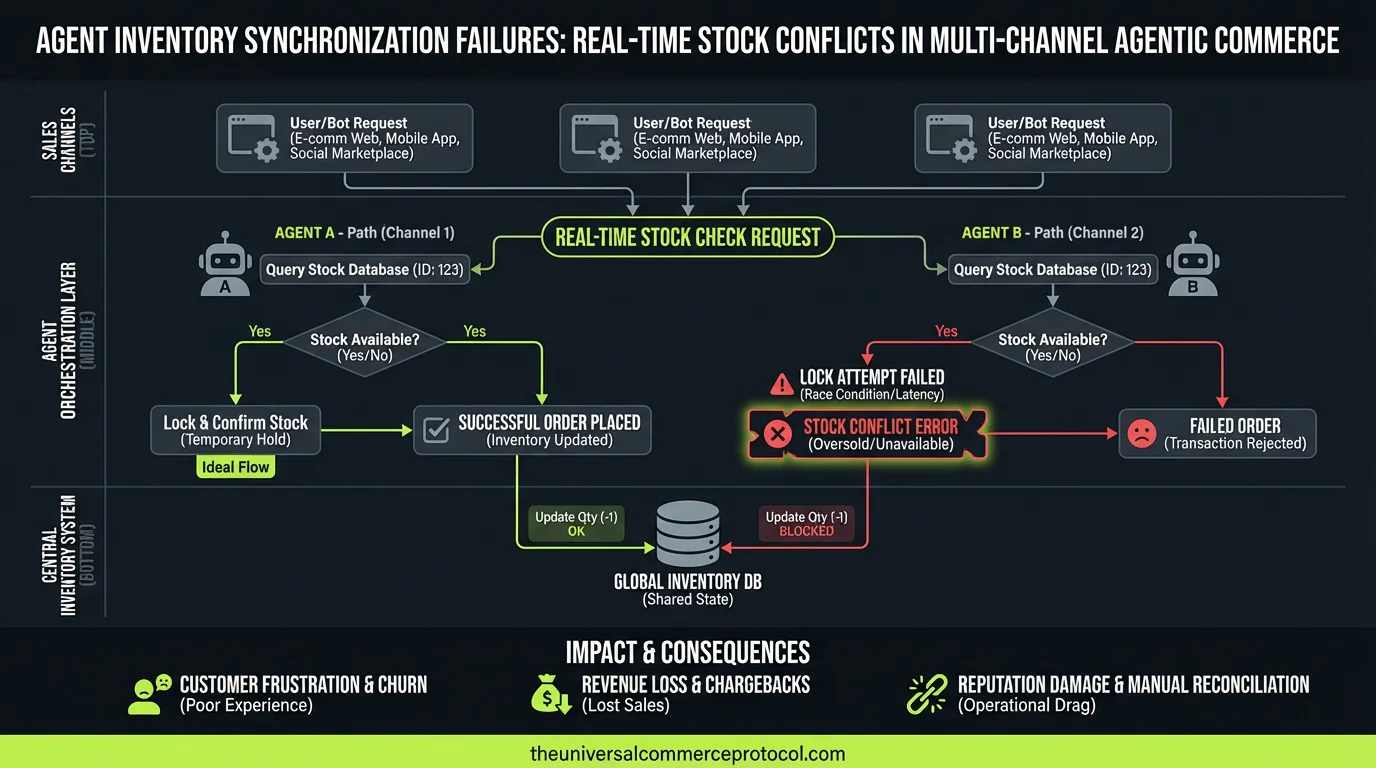
Agent Inventory Sync Failures in Multi-Channel Commerce
Agent inventory sync failures in multi-channel commerce occur when distributed AI agents executing purchases across Amazon, Shopify, WooCommerce, and BigCommerce platforms exceed backend reconciliation cycle latencies (typically 200-500ms), causing overselling cascades. Resolution requires event-driven architectures implementing sub-100ms consensus mechanisms using Apache Kafka event streaming and distributed ledger protocols (Raft, PBFT) across inventory databases. These technical…
-
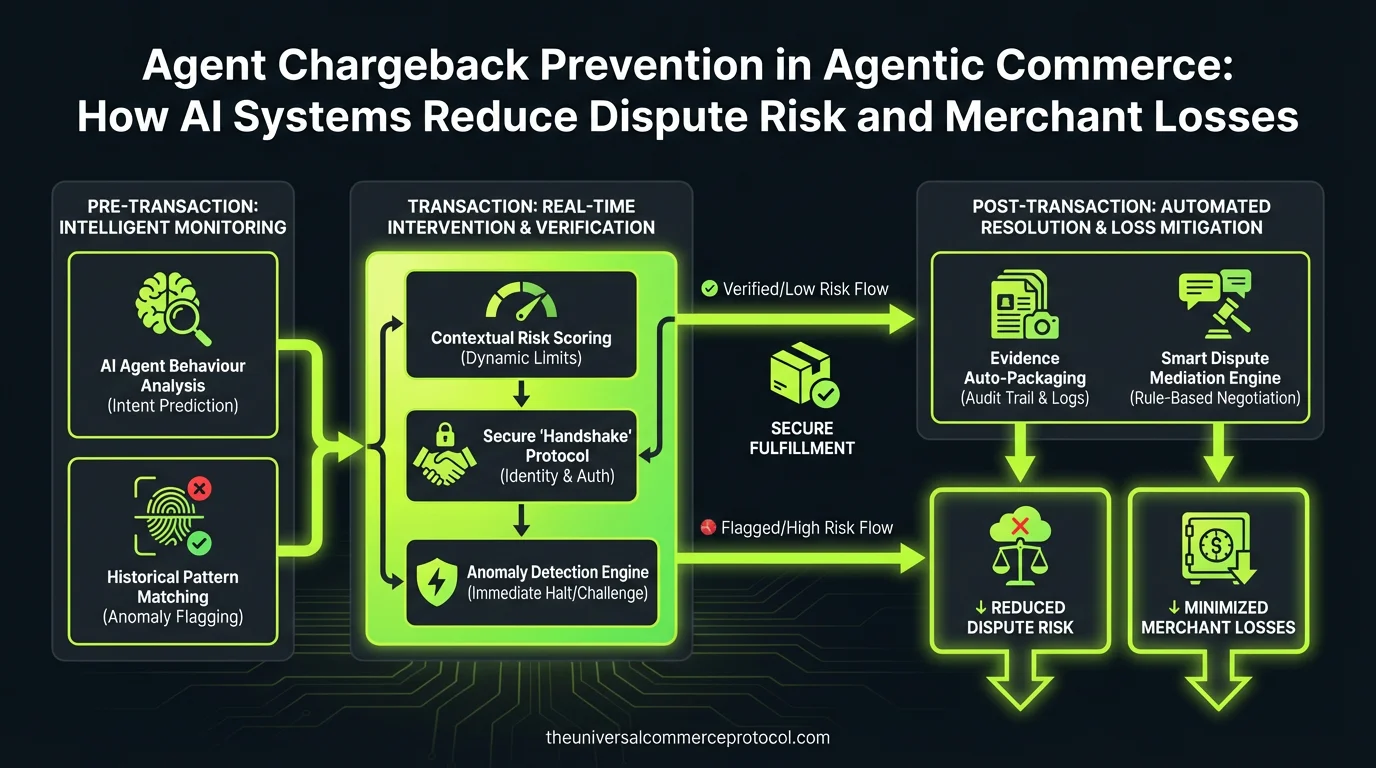
AI Agent Chargeback Prevention: Reduce Dispute Risk
AI autonomous agents in e-commerce transactions introduce chargeback risk through non-human payment decisions, including unauthorized initiations and anomalous spending patterns that exceed traditional fraud vectors. Merchants deploying agentic commerce systems can reduce chargeback disputes by implementing machine learning-based fraud detection, real-time transaction monitoring, velocity limits, and behavioral analytics frameworks—governance controls specifically architected for agent-driven commerce…
-
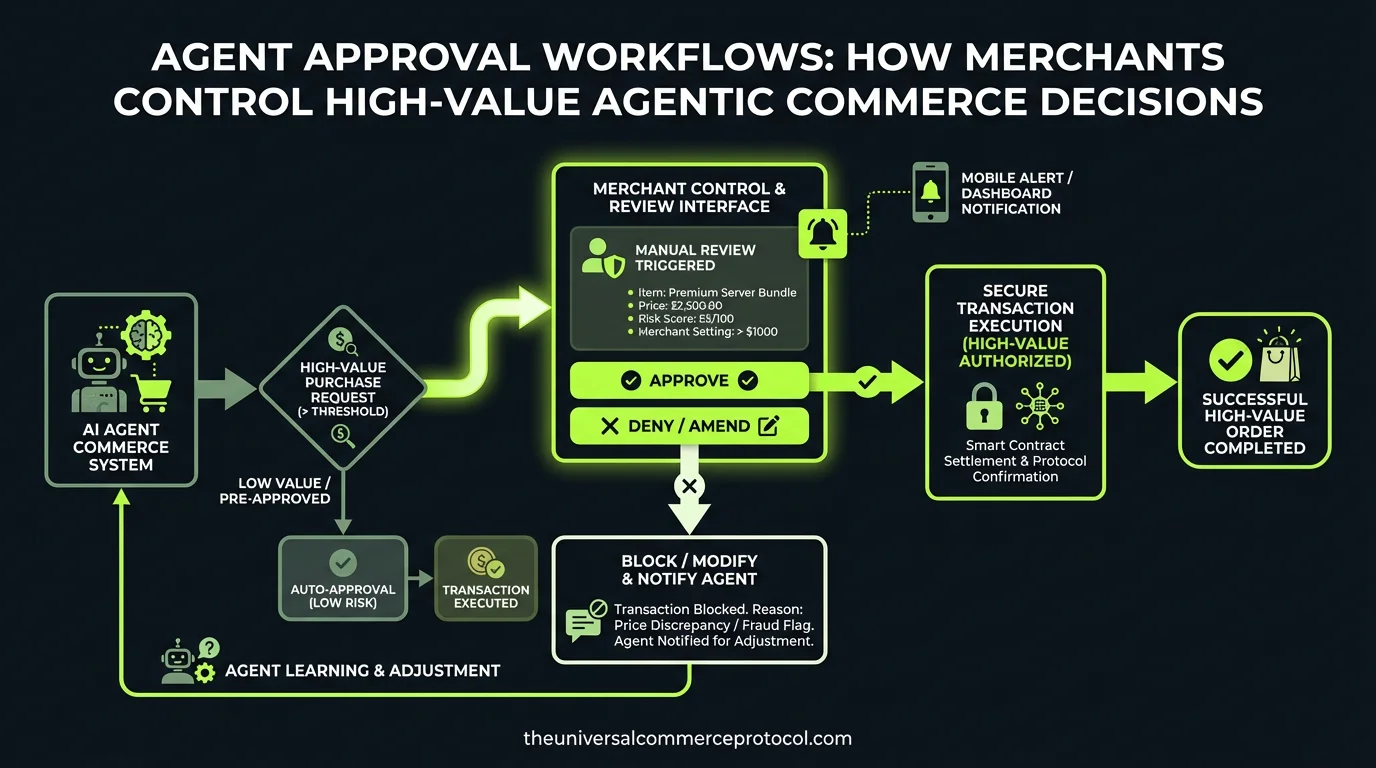
Agent Approval Workflows for Agentic Commerce
Agent Approval Workflows implement human-in-the-loop governance for AI agents in agentic commerce platforms, requiring designated merchant stakeholders to authorize high-value transactions—including refunds exceeding defined thresholds, returns processing, and purchases above specified price points—through predefined escalation paths that route decisions based on transaction type and monetary value. Role-based approval hierarchies assign authorization rights to managers, compliance…
-
AI Agents & Return Windows: Policy Enforcement
AI commerce agents must enforce FTC-regulated return windows (typically 14–90 days post-purchase per UCC Section 2-601) through deterministic deadline validation against ISO 8601 timestamps, SKU identifiers, and transaction records, with compliance checkpoints aligned to Amazon, Shopify, and PayPal merchant policy schemas. Implementation requires structured policy repositories, temporal logic gates, and cryptographically auditable transaction logs that…