Tag: AI agents
-

UCP and AI Agent Trust Signals: Building Buyer and Merchant Confidence
Build buyer & merchant confidence with UCP AI agent trust signals. Learn how to foster trust & transparency in AI-powered commerce.
-

UCP and Generative AI: Building Commerce Experiences with Gemini and LLMs
Unlock commerce experiences with UCP generative AI! Learn how to build innovative solutions using Gemini and LLMs.
-
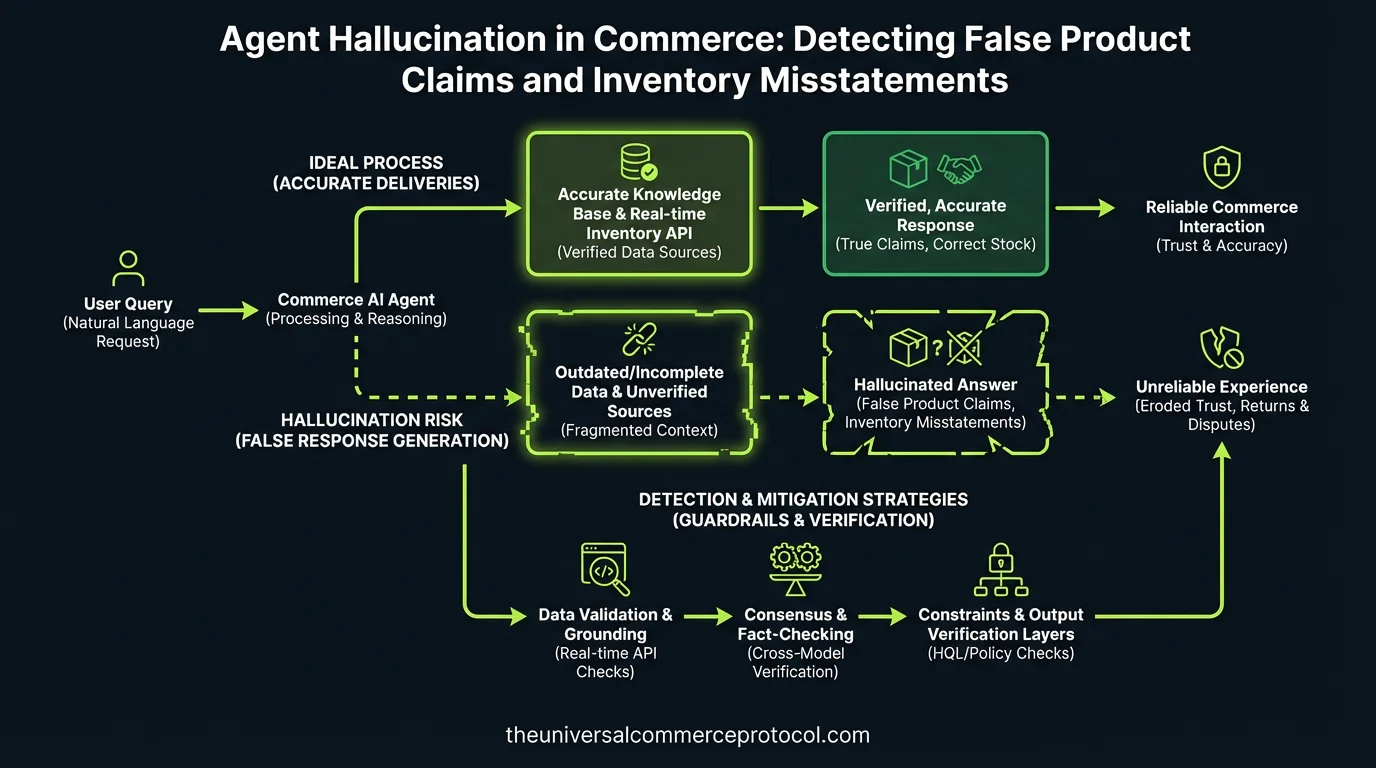
Agent Hallucination in Commerce: Detecting False Product Claims and Inventory Misstatements
How to prevent AI agents from inventing product features, prices, and stock levels—critical safeguards for agentic commerce systems.
-
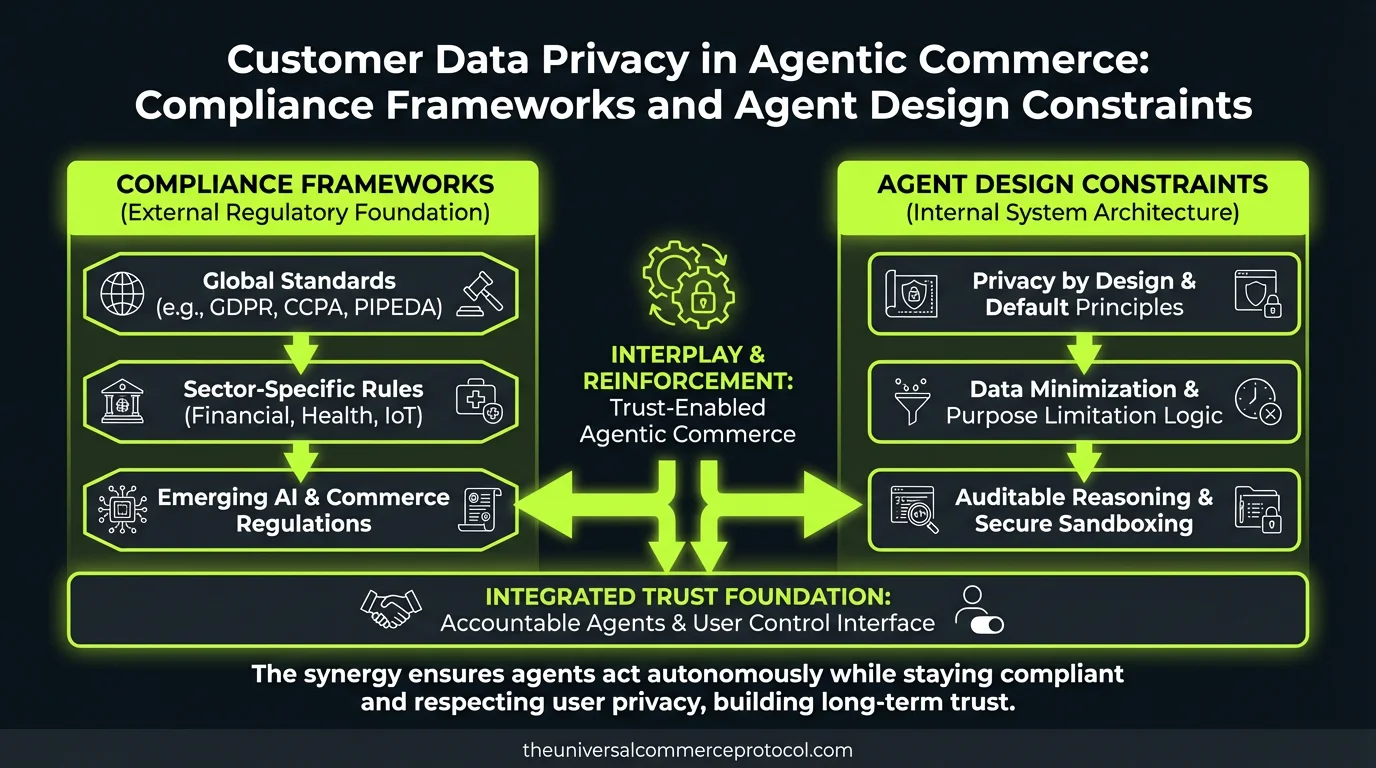
Customer Data Privacy in Agentic Commerce: Compliance Frameworks and Agent Design Constraints
How to build agentic commerce systems that handle PII, manage consent, and survive GDPR/CCPA audits without breaking agent autonomy.
-
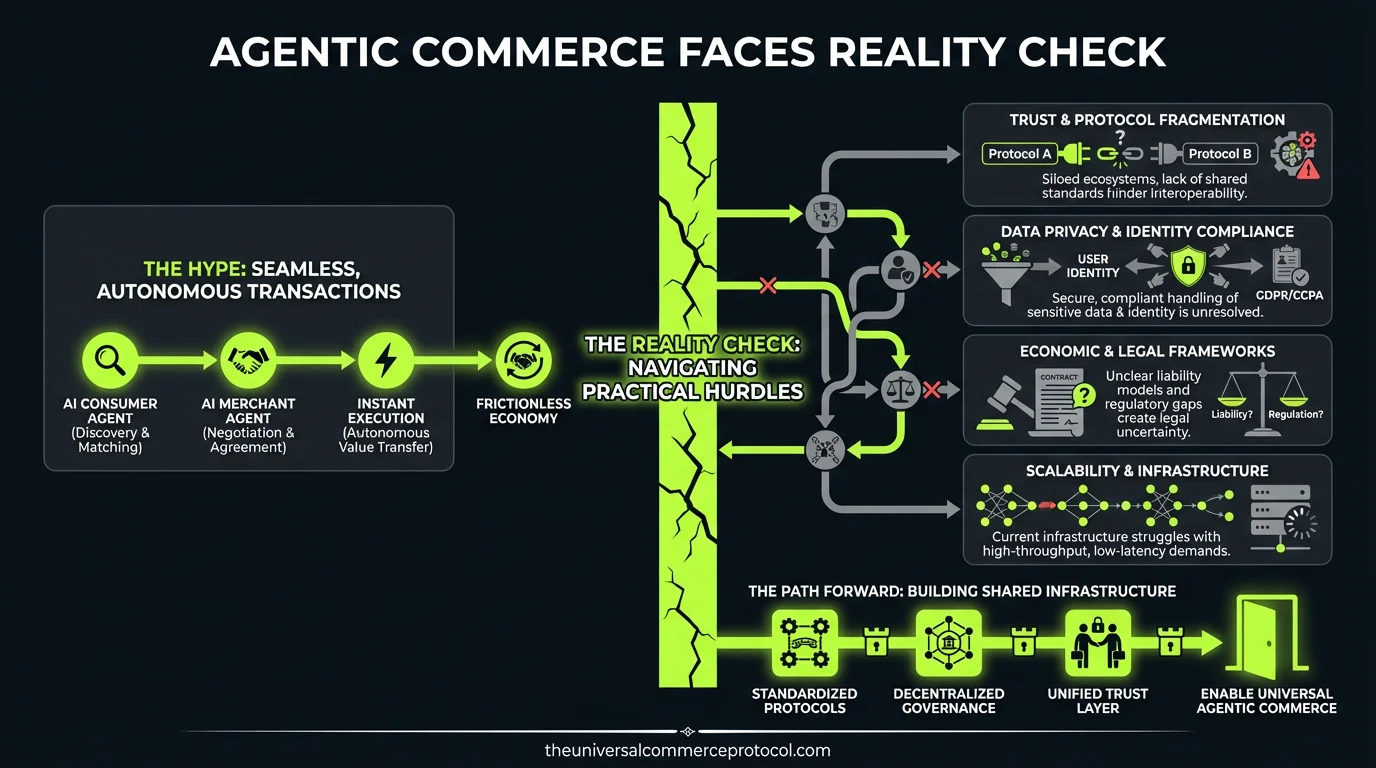
Agentic Commerce Faces Reality Check
Agentic commerce faces a reality check as major players refine strategies.
-
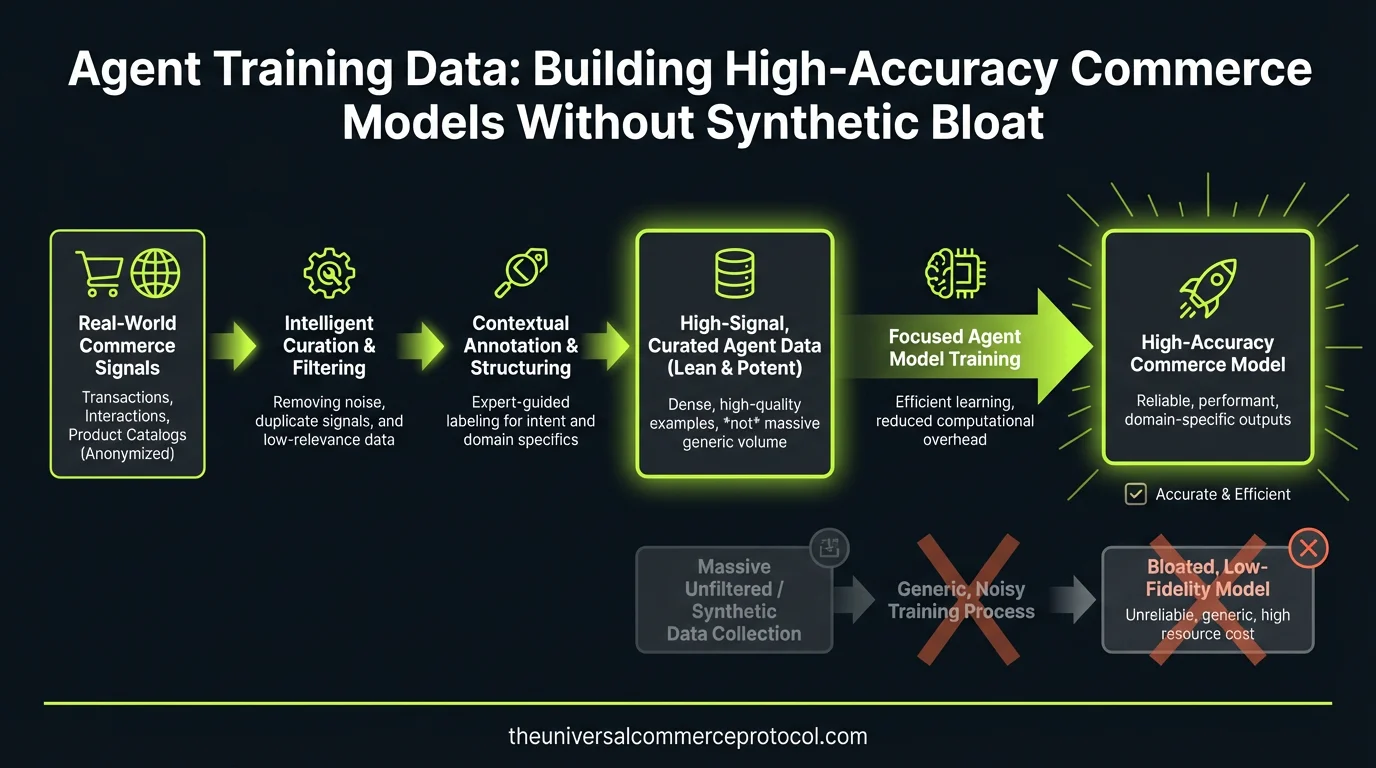
Agent Training Data: Building High-Accuracy Commerce Models Without Synthetic Bloat
How merchants and platforms are curating real transaction data to train accurate agentic commerce systems without hallucination or model drift.
-
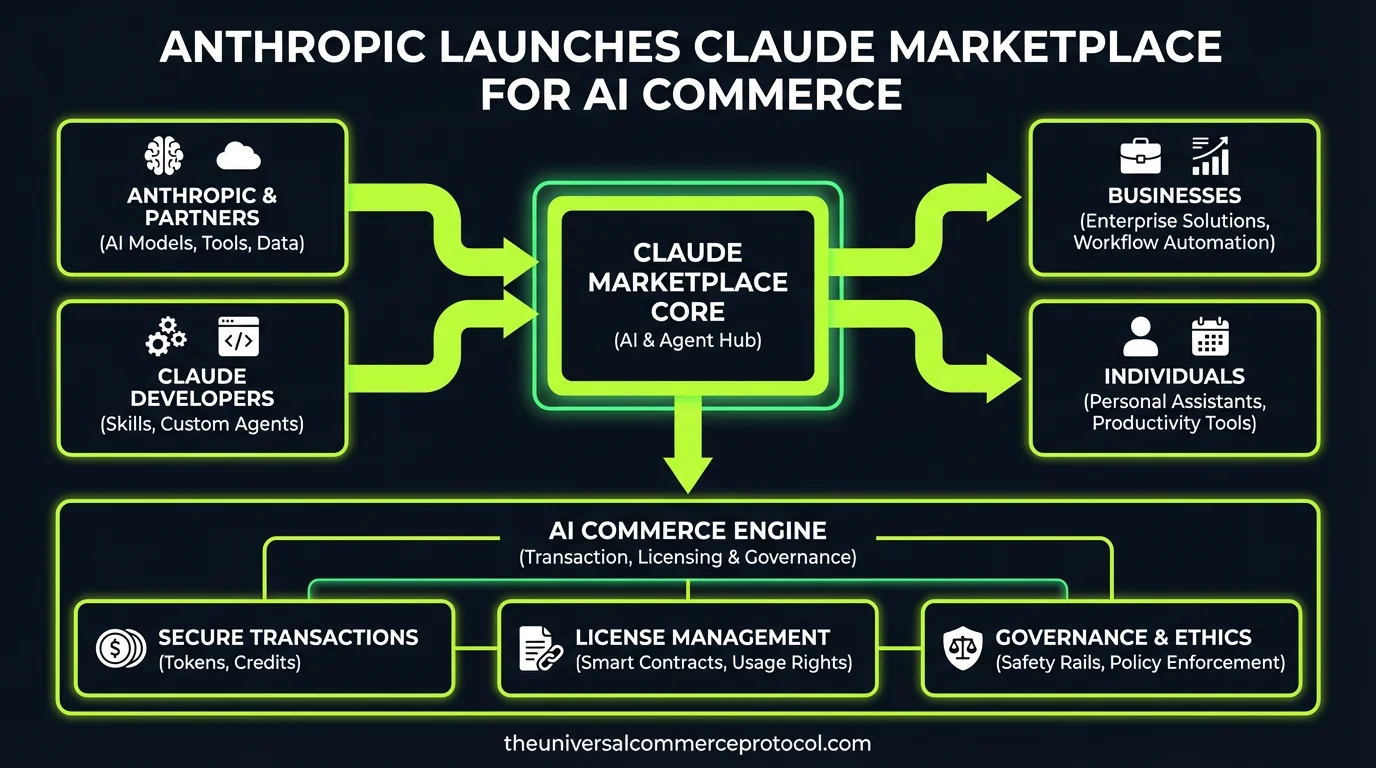
Anthropic Launches Claude Marketplace for AI Commerce
Anthropic launched the Claude Marketplace, enabling enterprises to use existing spend commitments for third-party Claude-powered applications.
-
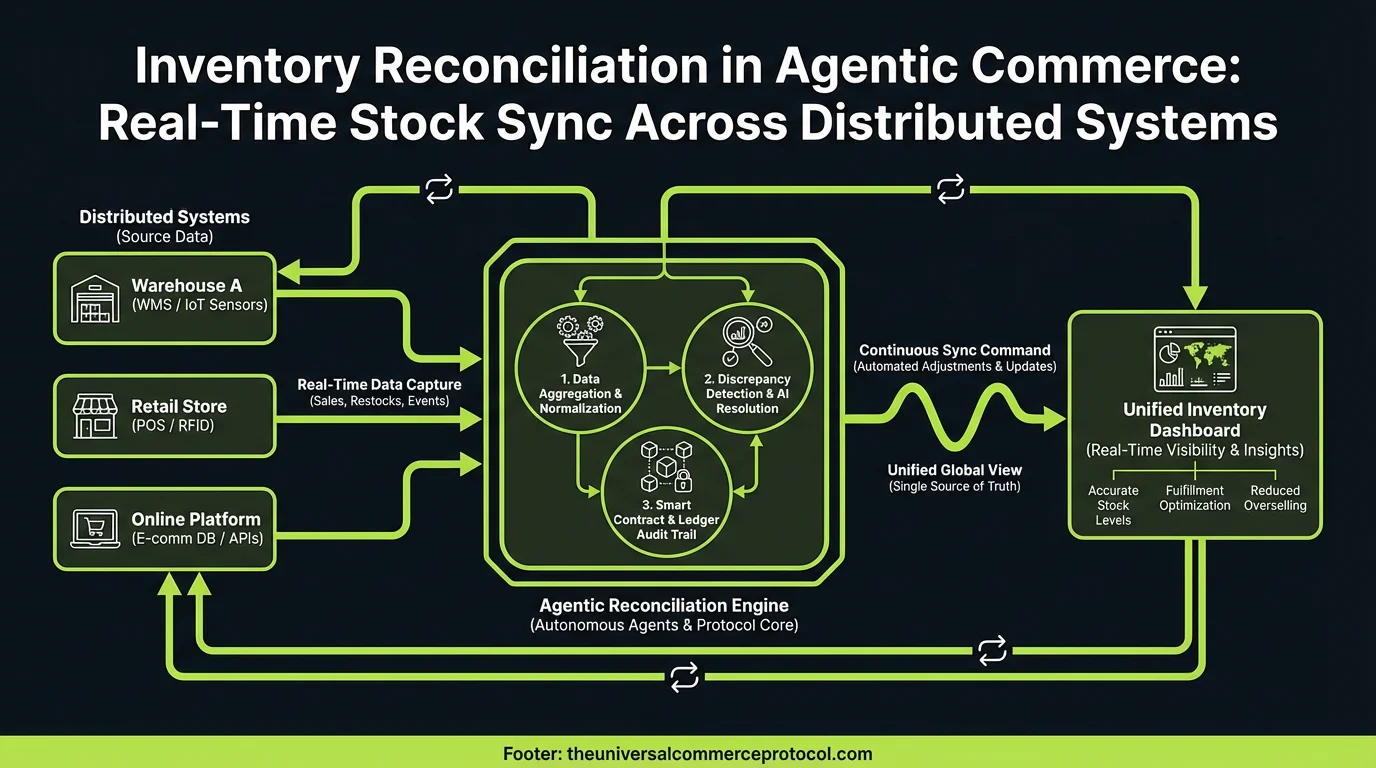
Inventory Reconciliation in Agentic Commerce: Real-Time Stock Sync Across Distributed Systems
How agents reconcile inventory across marketplaces, warehouses, and fulfillment partners without overselling or stockouts.
-
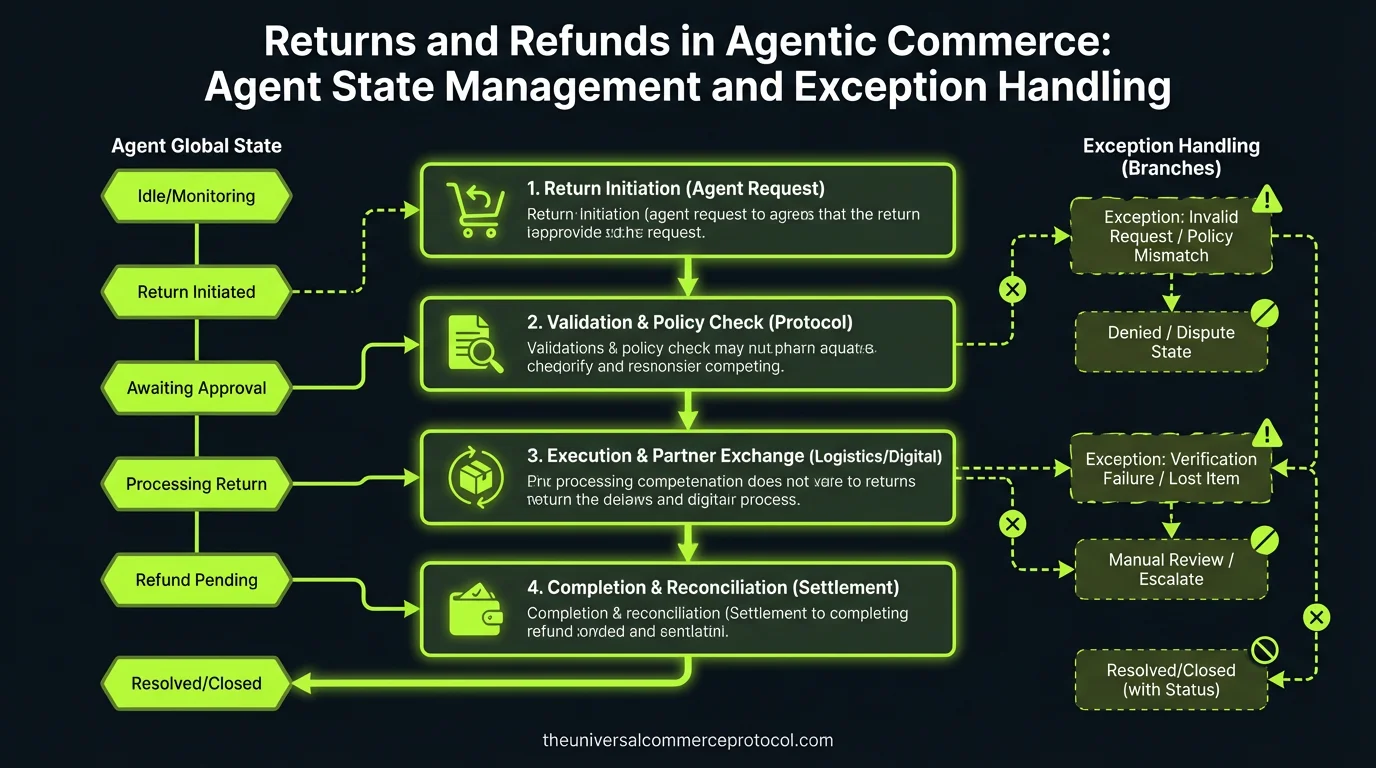
Returns and Refunds in Agentic Commerce: Agent State Management and Exception Handling
How agentic commerce systems maintain state during returns, handle refunds autonomously, and prevent revenue leakage through intelligent exception routing.
-
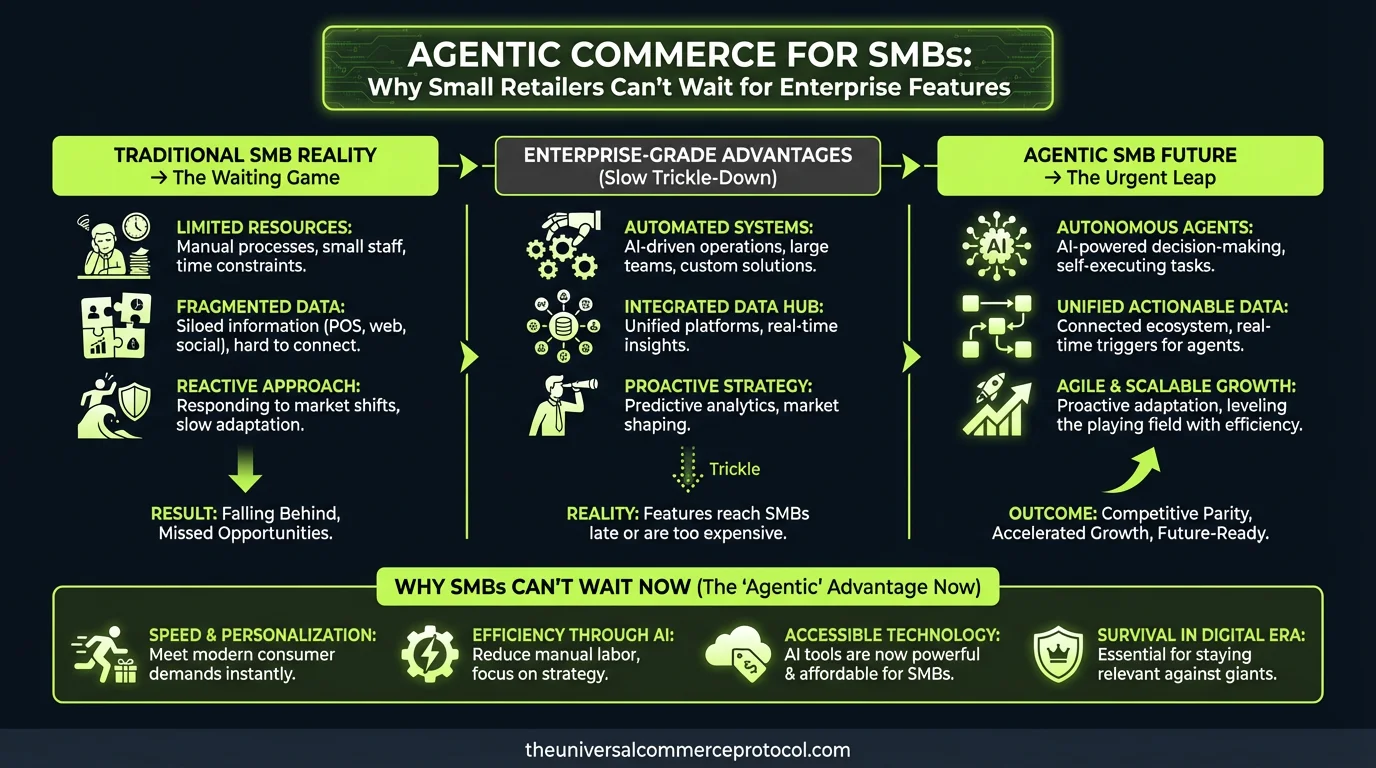
Agentic Commerce for SMBs: Why Small Retailers Can’t Wait for Enterprise Features
Enterprise agentic commerce dominates headlines, but SMBs face unique barriers: cost, integration complexity, and fragmented vendor ecosystems.