“`html
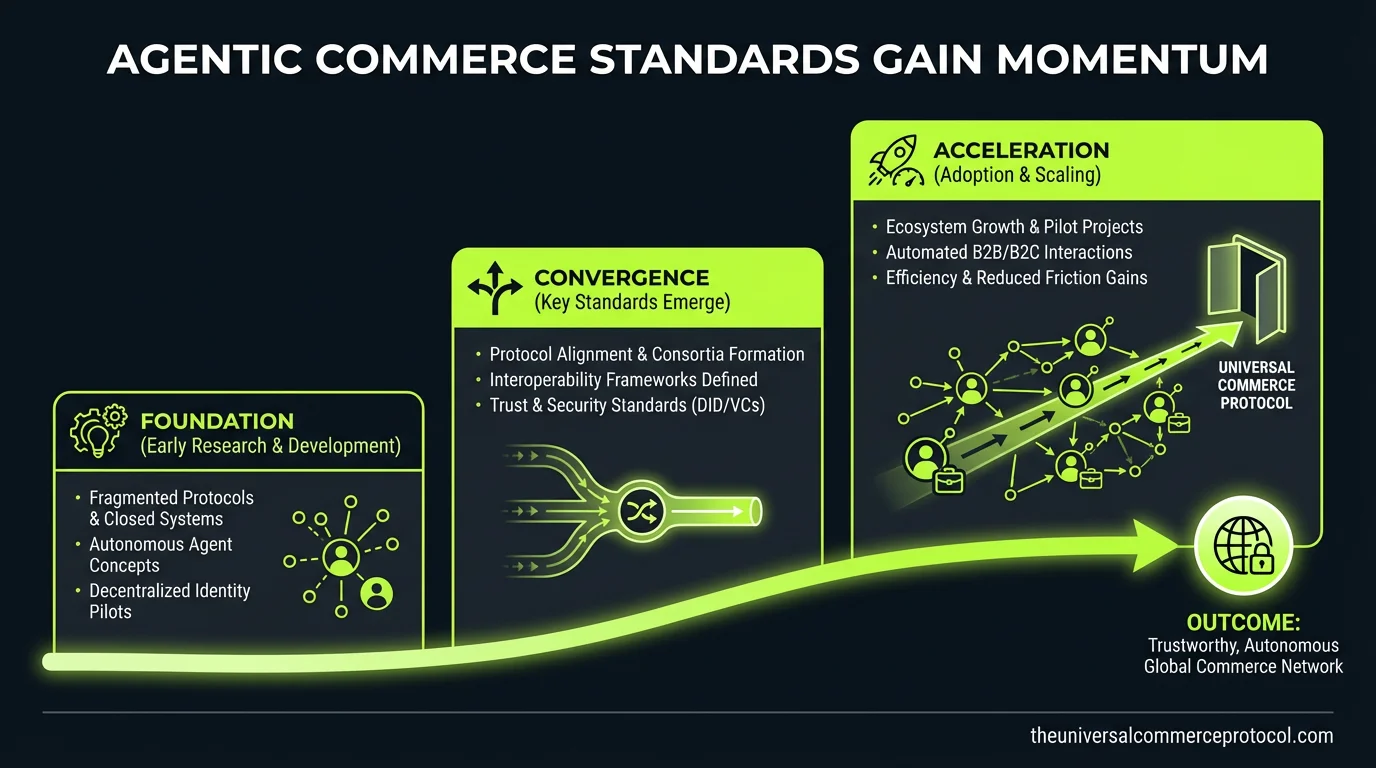
NEW YORK — Buy now, pay later firm Splitit is backing Google’s Universal Commerce Protocol (UCP), while Mastercard is rolling out Verifiable Intent, and Nexi Group is partnering with Google Cloud to build agentic commerce infrastructure across Europe. These moves signal growing momentum toward standardization in the burgeoning field of agentic commerce.
These announcements highlight the increasing need for standards and interoperability as AI agents begin to autonomously make purchasing decisions. The developments aim to provide developers and businesses with a clearer framework for building secure and trustworthy AI-powered shopping experiences.
Mastercard’s Trust Layer
Mastercard, in collaboration with Google, is introducing Verifiable Intent, an open, standards-based trust layer designed for agentic commerce. The system aligns with Google’s Agent Payments Protocol (AP2) and UCP, providing a consistent method for verifying transactions initiated by AI agents.
“”As Al agents begin making purchases on behalf of consumers, trust and clear proof of intent will be essential. Mastercard’s Verifiable Intent is an important step toward making sure those transactions are authorised and secure,” said Meron Colbeci, chief product officer at Checkout.com.”
European Expansion
Italian payments firm Nexi Group is partnering with Google Cloud to develop infrastructure specifically designed to support agentic commerce in Europe. The collaboration will focus on building solutions that support both UCP and AP2.
The partnership aims to accelerate the adoption of agentic commerce by providing European merchants and developers with the tools and resources needed to integrate AI agents into their commerce platforms.
Splitit’s UCP Support
Splitit announced its support for Google’s Universal Commerce Protocol (UCP), further validating the protocol as a key standard for agentic commerce. The move will allow Splitit to integrate more seamlessly with AI agents and provide its buy now, pay later services within agentic commerce environments.
Splitit’s backing of UCP underscores the importance of open standards in fostering interoperability and driving adoption of agentic commerce across various platforms and services.
These industry developments signal a shift towards a more standardized and secure future for agentic commerce. With major players like Mastercard, Google, Nexi Group, and Splitit actively contributing to the development of open standards and infrastructure, the path is being paved for wider adoption and innovation in this rapidly evolving field.
“`html
Frequently Asked Questions
Agentic commerce refers to AI-powered systems that autonomously make purchasing decisions on behalf of users. These intelligent agents require standardized protocols and frameworks to ensure secure, trustworthy transactions across different platforms and merchants.
Standards provide developers and businesses with a clear framework for building secure AI-powered shopping experiences. They enable interoperability between different systems, allowing AI agents to operate seamlessly across multiple platforms while maintaining security and consumer trust.
Verifiable Intent is an open standard developed by Mastercard in collaboration with Google that acts as a trust layer for AI-driven transactions. It helps ensure that autonomous purchasing decisions are legitimate and secure, protecting both consumers and merchants in the emerging agentic commerce ecosystem.
“`
Leave a Reply