“`html
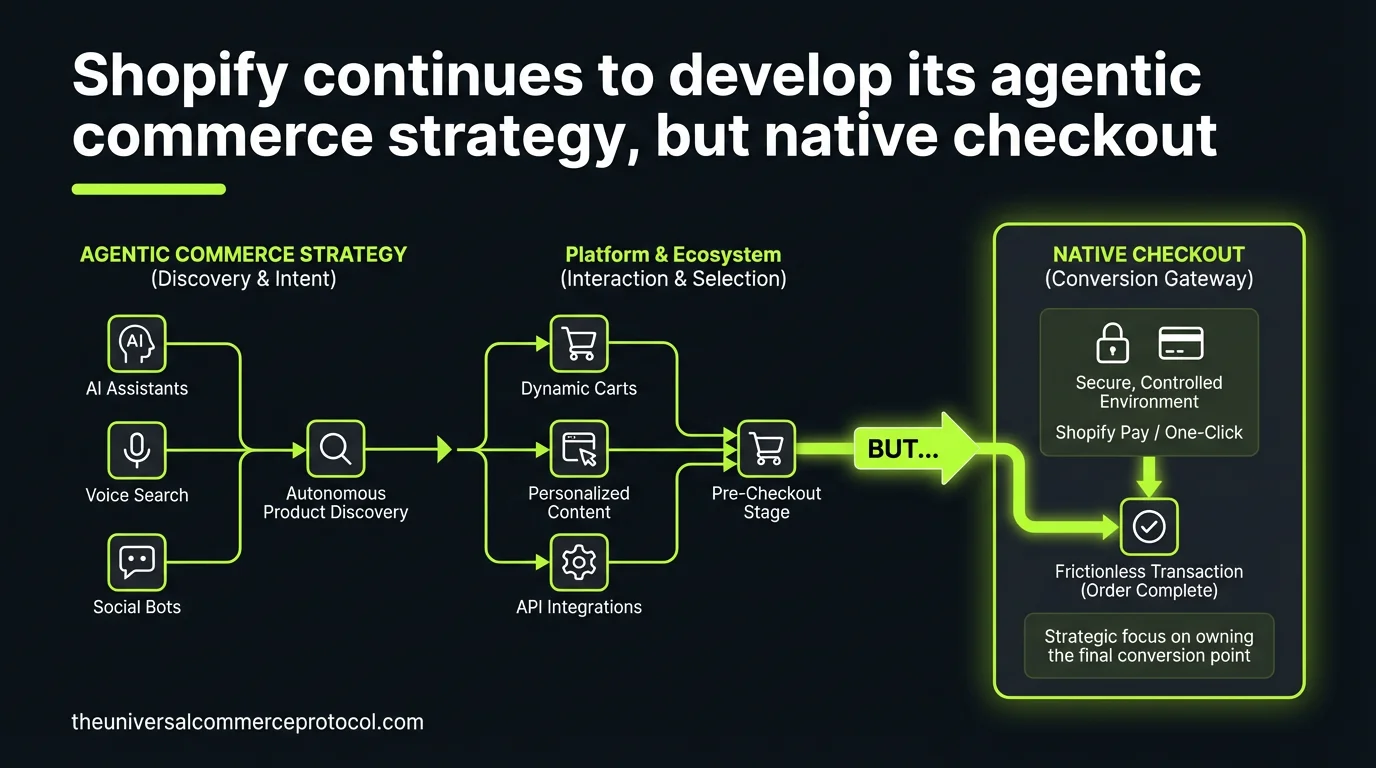
SAN FRANCISCO (UCP) – Shopify‘s Winter ’26 Edition rolls out over 150 updates designed to transition e-commerce to agentic AI, even as native checkout within ChatGPT is discontinued, the company announced today. “AI-powered shopping orders jumped 15x since January 2025, according to Shopify.”
The move underscores a significant shift in how e-commerce businesses will operate, requiring developers to adapt to AI-driven interfaces and ensure seamless integration with platforms like ChatGPT and Google’s AI services, all while understanding the evolving role of checkout processes.
Shopify’s Agentic Commerce Push
Shopify is preparing for AI-driven commerce with the Universal Commerce Protocol (UCP), co-developed with Google. The UCP aims to standardize how AI agents interact with e-commerce platforms, facilitating seamless transactions across different AI services.
The protocol is designed to be an open standard, allowing other platforms and AI developers to build on it. This move positions Shopify as a key infrastructure provider for the emerging agentic commerce landscape, according to Forrester analysts.
Sidekick Gets Proactive
Shopify’s AI assistant, Sidekick, has become proactive, offering personalized suggestions to merchants. Sidekick can now generate admin apps from natural language prompts, streamlining backend operations.
This allows merchants to automate tasks and manage their stores more efficiently. The enhanced Sidekick exemplifies Shopify’s vision of AI agents working alongside merchants to optimize their businesses, according to Retail Brew.
ChatGPT Checkout Changes
Native checkout within ChatGPT is no longer available for Shopify merchants. Instead, merchants can build apps within ChatGPT or direct shoppers to their websites.
This change reflects a strategic decision to focus on more integrated and controlled commerce experiences. Merchants can still leverage ChatGPT for product discovery and customer service, but the final transaction will likely occur on the merchant’s own platform, according to Fudge.
The Fintech Times reports that these updates signal a broader industry trend towards AI-powered personalization and automation, requiring developers to adapt to new paradigms and ensure seamless integration with AI-driven interfaces.
“`json
{
“headline”: “Shopify Shifts Agentic Commerce Strategy”,
“lede”: “Shopify’s Winter ’26 Edition includes over 150 agentic AI updates, but native ChatGPT checkout is gone.”,
“focus_keyword”: “agentic commerce”,
“tags_text”: [“Shopify”, “AI”, “ChatGPT”, “UCP”]
}
“`
“`
Frequently Asked Questions
What is agentic commerce and how is Shopify implementing it?
Agentic commerce refers to AI-powered shopping experiences where autonomous agents assist customers throughout their purchase journey. Shopify is implementing this strategy through its Winter ’26 Edition, which includes over 150 updates designed to transition e-commerce to agentic AI, enabling more personalized and efficient shopping experiences.
Is Shopify checkout still available in ChatGPT?
No, native checkout within ChatGPT is no longer available. While Shopify continues to develop its agentic commerce strategy, the company has discontinued the native checkout feature that was previously integrated with ChatGPT.
How much has AI-powered shopping grown on Shopify?
According to Shopify’s announcement, AI-powered shopping orders jumped 15x since January 2025, demonstrating significant growth and adoption of AI-driven commerce features on their platform.
What does Shopify’s Winter ’26 Edition include?
Shopify’s Winter ’26 Edition rolls out over 150 updates specifically designed to transition e-commerce to agentic AI, enabling merchants to leverage artificial intelligence for improved customer experiences and business operations.
Why did Shopify discontinue ChatGPT native checkout?
While the specific reasons weren’t detailed in the announcement, Shopify’s decision to discontinue ChatGPT native checkout appears to be part of a broader strategic shift toward developing more comprehensive agentic commerce solutions across multiple platforms and touchpoints rather than relying on single third-party integrations.
Leave a Reply