Tag: Agentic Commerce
-
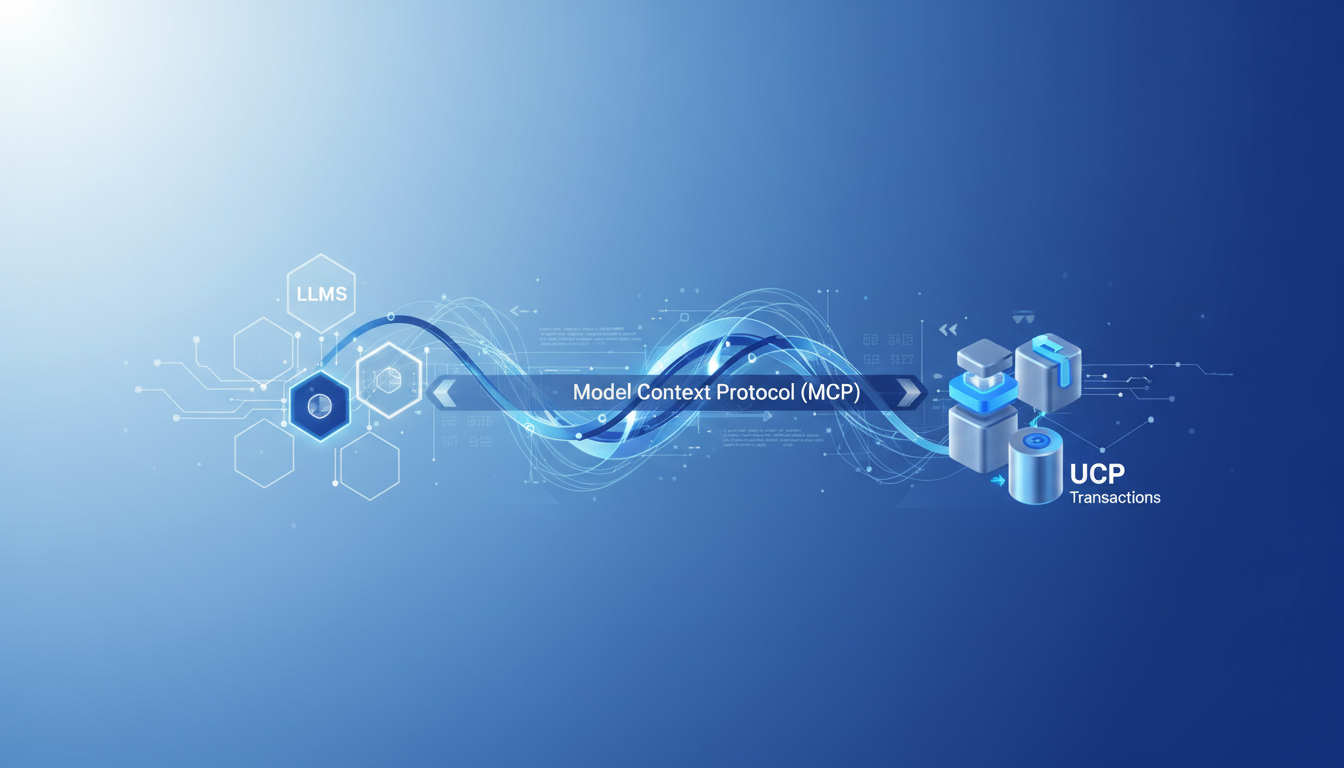
MCP: Bridging LLMs and Universal Commerce Protocol
The Model Context Protocol (MCP), developed collaboratively by Anthropic and Google, is a standardized framework that enables Large Language Models (LLMs) to securely interface with Universal Crypto Protocol (UCP) transaction systems through verified context windows. MCP architecture allows AI agents to access real-time blockchain data, validate smart contract interactions, and execute transactions while maintaining cryptographic…
-
The Road to Agentic Commerce: Why Traditional E-commerce is Failing
Why the shift from browser-based shopping to agent-led commerce is inevitable and how UCP facilitates this transition.
-
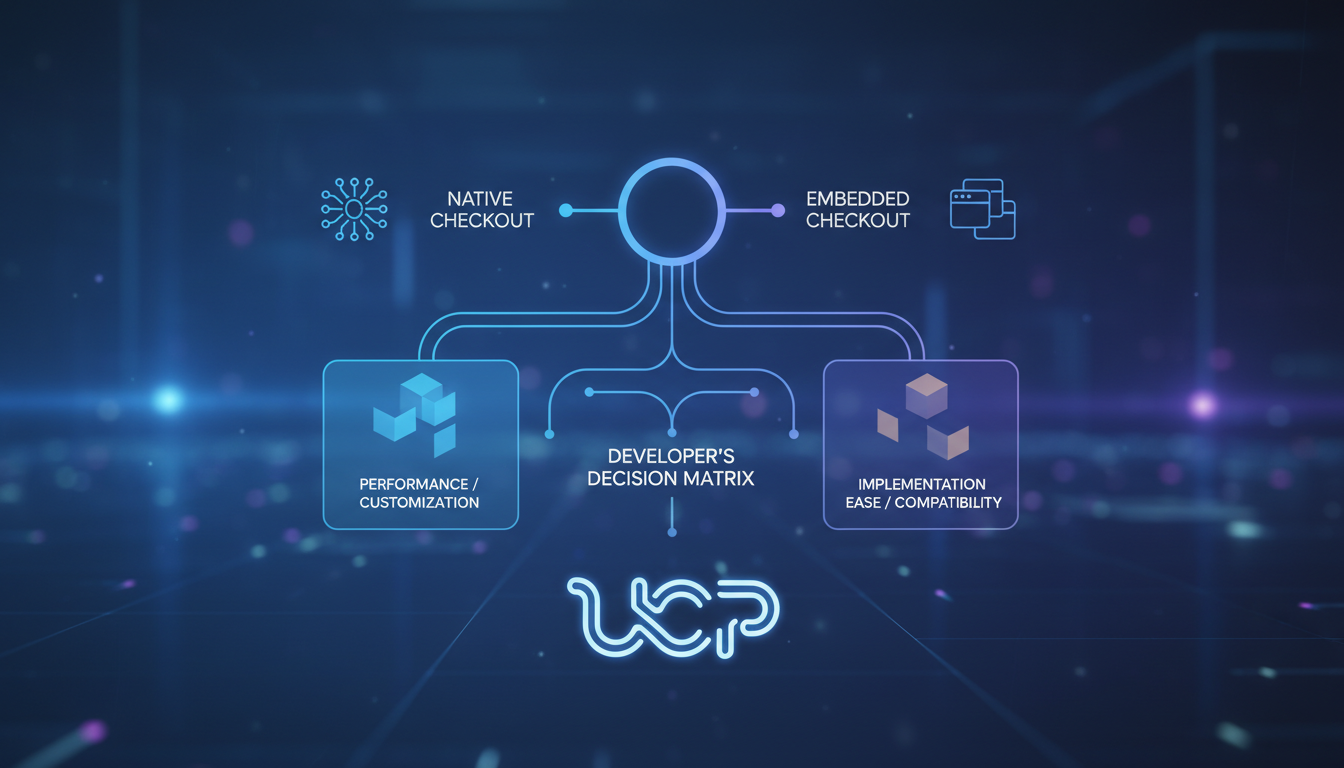
Native vs. Embedded Checkout Paths: A Developer’s Decision Matrix
Comparing the two primary implementation strategies for UCP: Native Agent execution versus Embedded checkout frames.
-
Unlocking Google Pay in the Gemini Commerce Ecosystem
How UCP bridges Google Gemini’s intent parsing with Google Pay’s secure payment tokenization for a complete commerce loop.
-
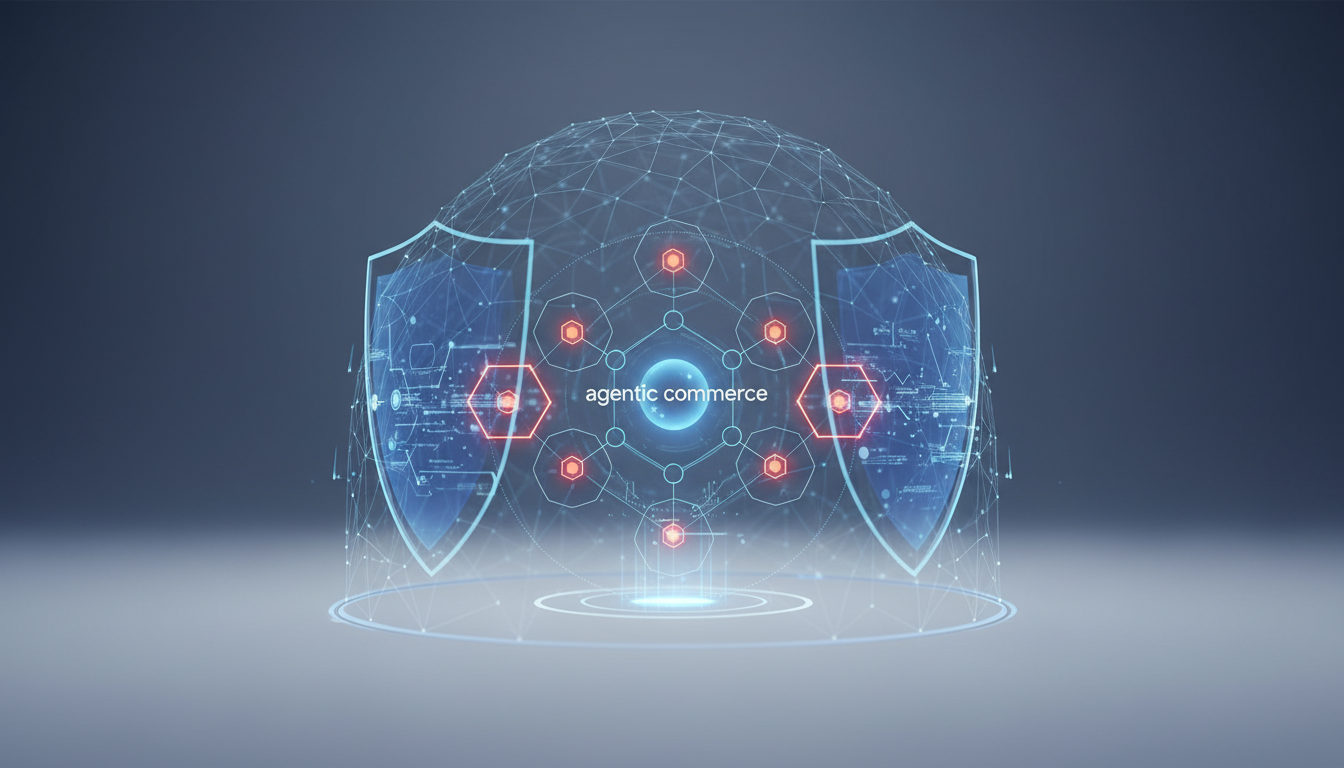
Risk Management and Fraud Prevention in Agentic Commerce
Managing risk and fraud when AI agents act as the intermediary between customers and merchants using UCP.
-
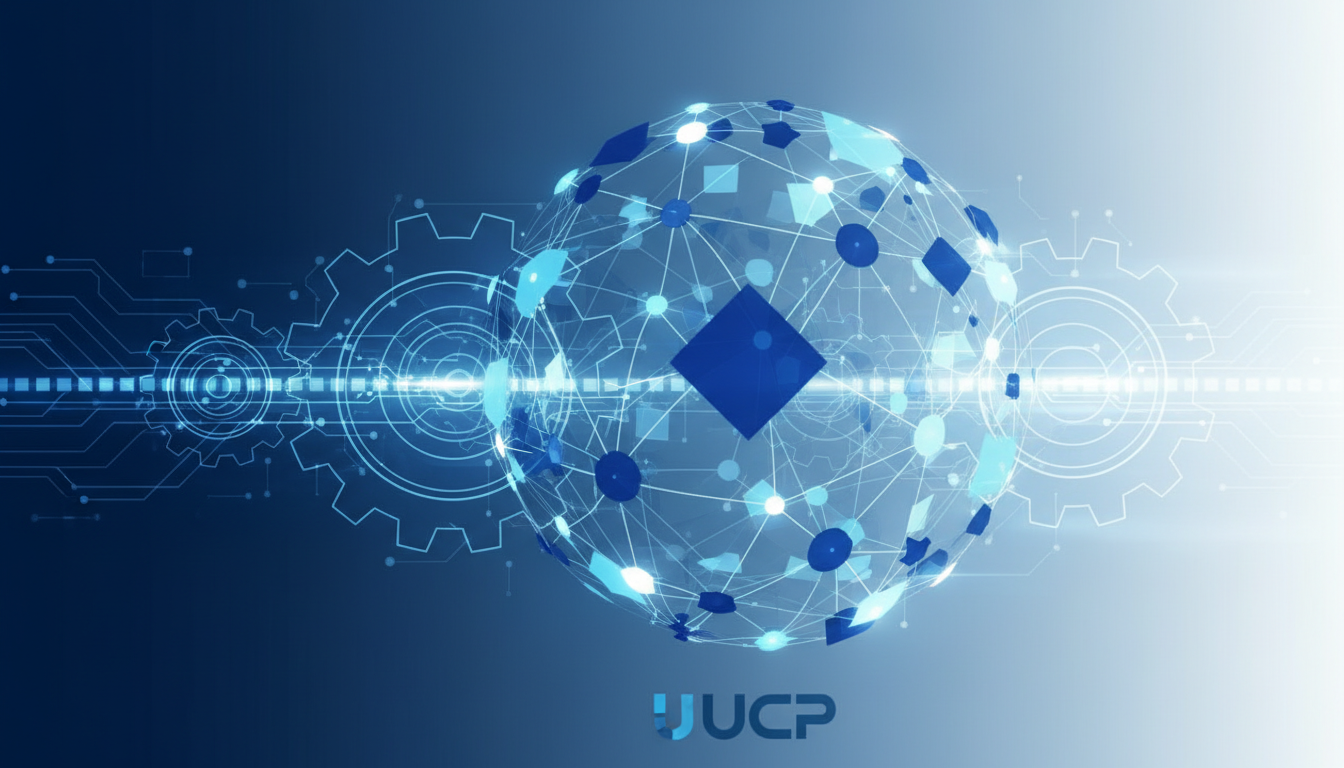
Interoperability: The Backbone of the Universal Commerce Protocol
A deep dive into the Interoperability Layer that allows UCP to work across diverse platforms, agents, and gateways.
-

Joining the UCP Waitlist: What Early Adopters Should Expect
Information on the Universal Commerce Protocol waitlist, pilot programs, and the path to technical implementation.
-
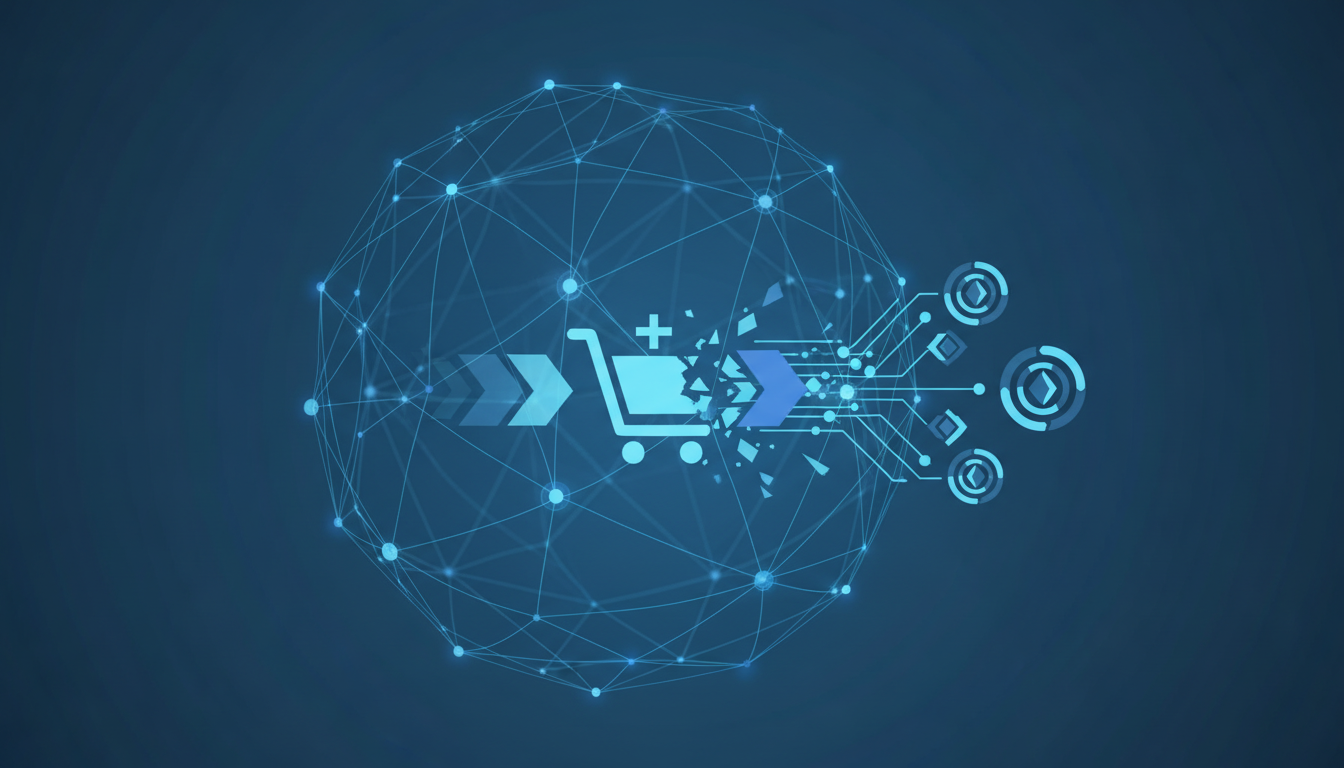
The Business ROI of Agentic Commerce: Moving Beyond ‘Add to Cart’
Discover how the Universal Commerce Protocol (UCP) reduces cart abandonment and scales global reach through agent-led transactions.
-

Advanced GMC Optimization: Agent-Ready Supplemental Feeds
Learn how to use GMC Supplemental Feeds to enrich product data for AI agents using UCP-specific attributes.
-
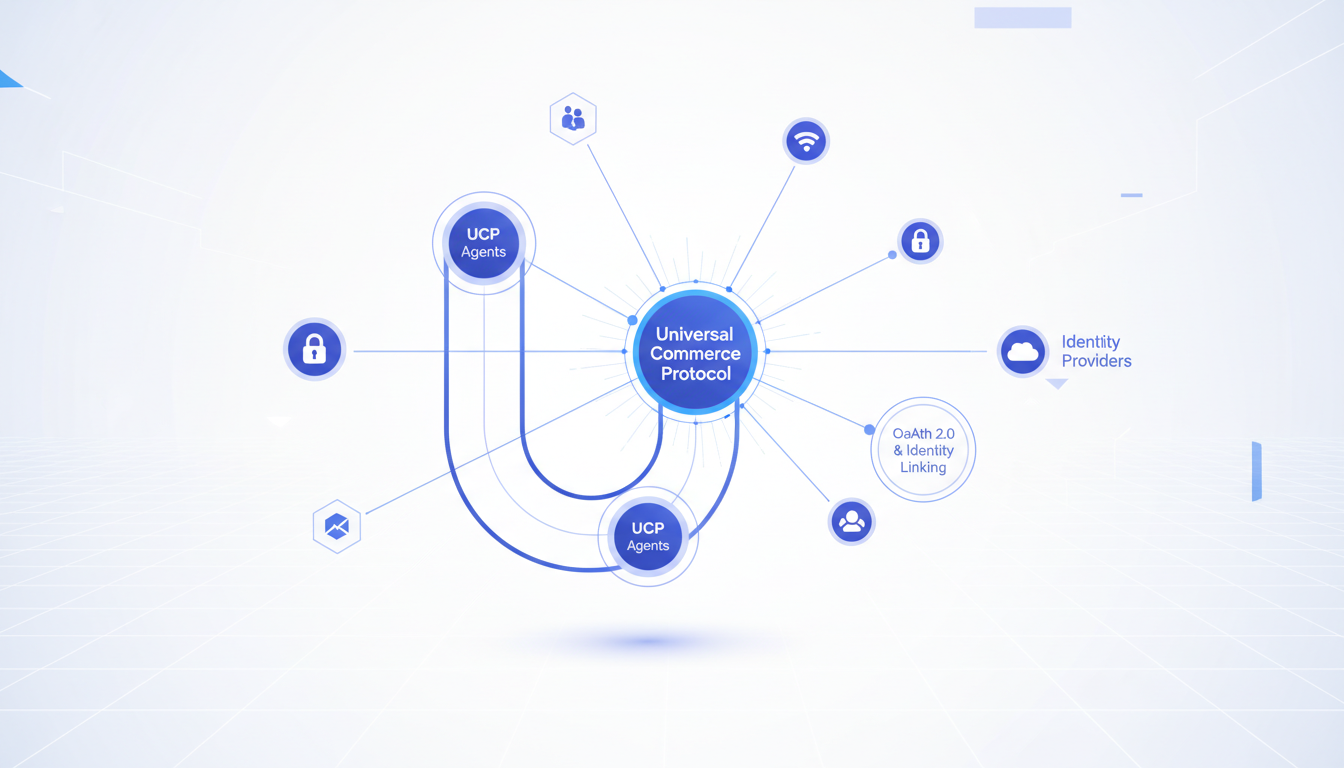
Implementing OAuth 2.0 & Identity Linking for UCP Agents
Technical deep dive into securing AI agent transactions using OAuth 2.0 and identity linking within the UCP framework.