Tag: Agentic Commerce
-

Building Subscription Agent Architecture: Integration Patterns and Engineering Trade-offs
Technical blueprint for implementing subscription-aware agents in commerce systems with state management, retry logic, and churn prevention APIs.
-
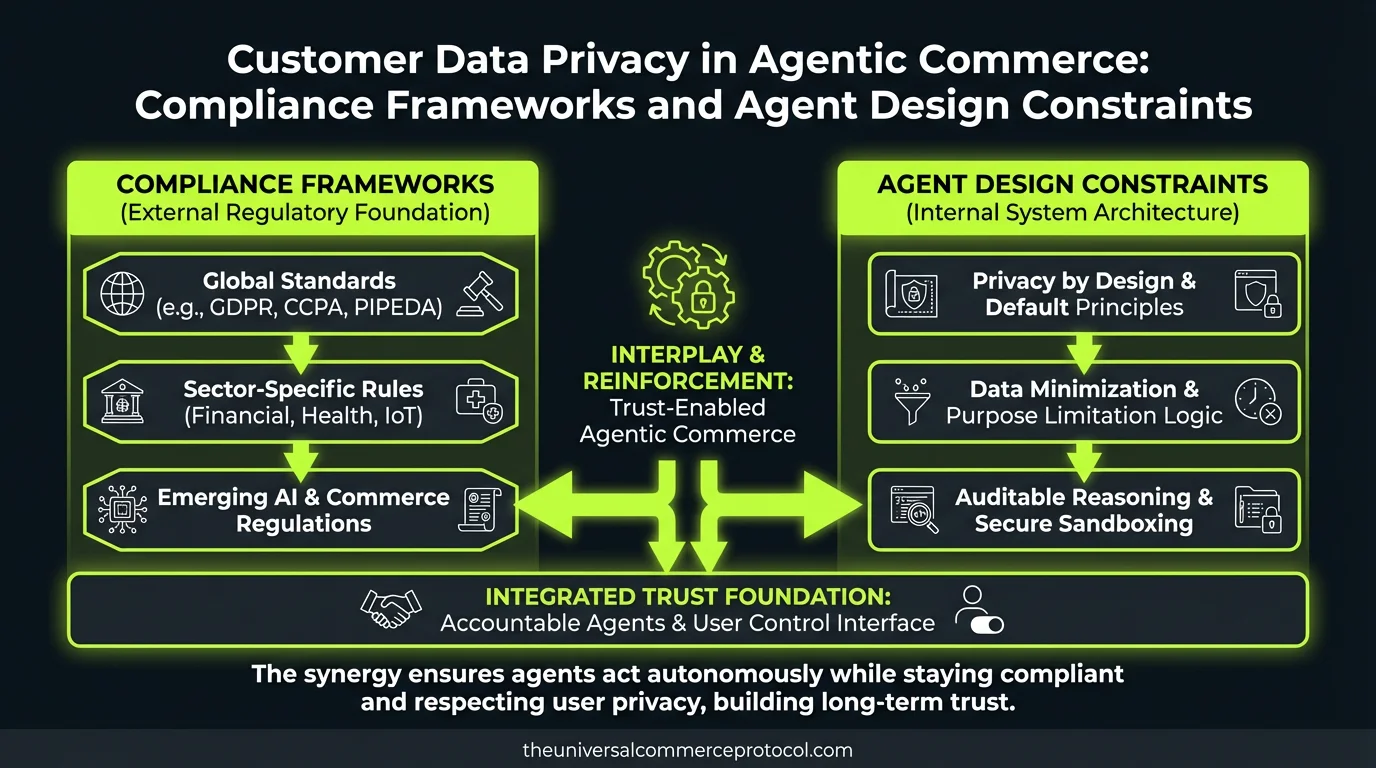
Customer Data Privacy in Agentic Commerce: Compliance Frameworks and Agent Design Constraints
How to build agentic commerce systems that handle PII, manage consent, and survive GDPR/CCPA audits without breaking agent autonomy.
-
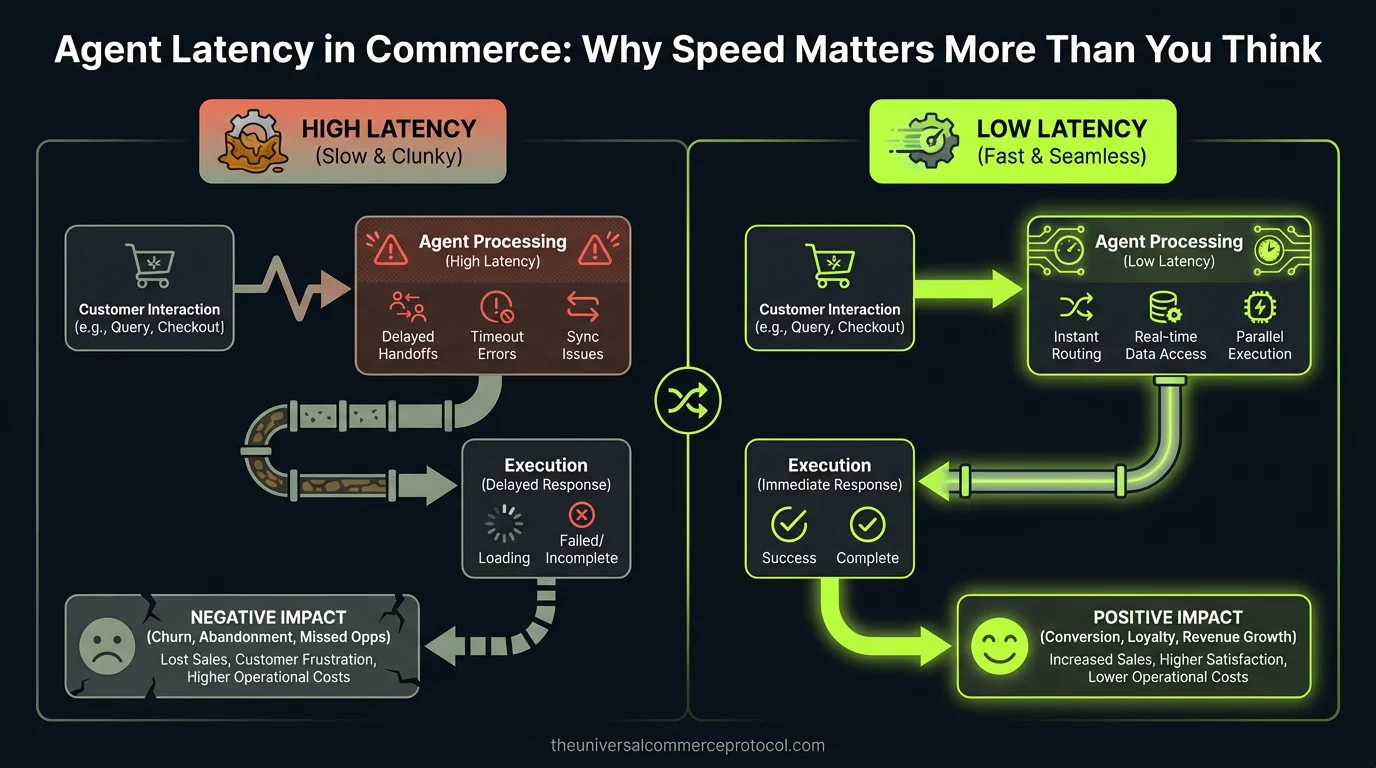
Agent Latency in Commerce: Why Speed Matters Most
AI commerce agents exceeding 200-500 milliseconds latency trigger shopping cart abandonment rates that increase 7% per additional 100ms delay, per 2024 Forrester and McKinsey digital commerce studies. Critical optimization metrics—Time to First Byte (TTFB), end-to-end agent response latency, and LLM inference time across OpenAI GPT-4, Anthropic Claude, and Llama deployments—directly correlate with transaction completion rates…
-
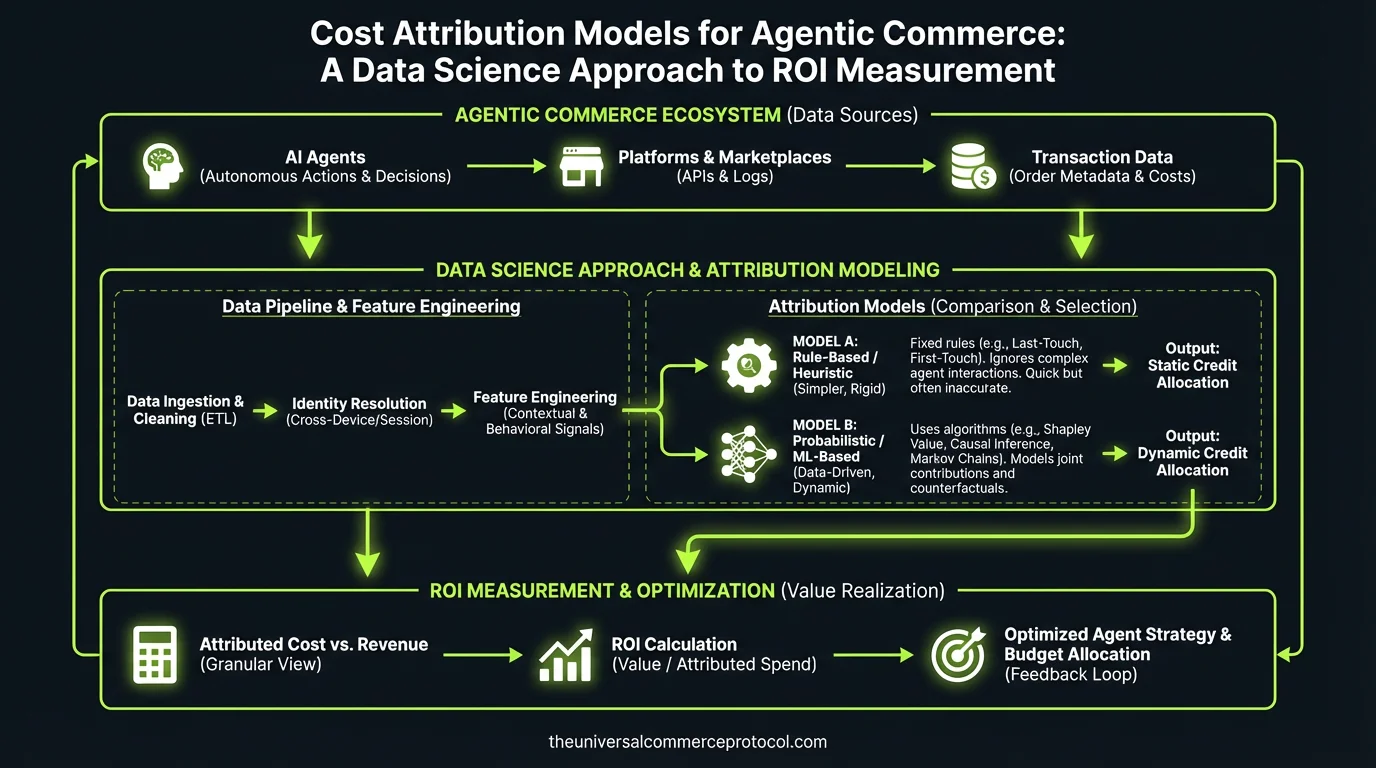
Cost Attribution Models for Agentic Commerce
Cost attribution models for agentic AI commerce quantify expenses across multi-step LLM inference chains—including token consumption, vector database queries, and API calls—where traditional transaction-level metrics fail to isolate individual agent decision costs. Data science approaches like shapley value decomposition and hierarchical cost allocation enable attribution of total cost of ownership (TCO) to specific customer journeys,…
-
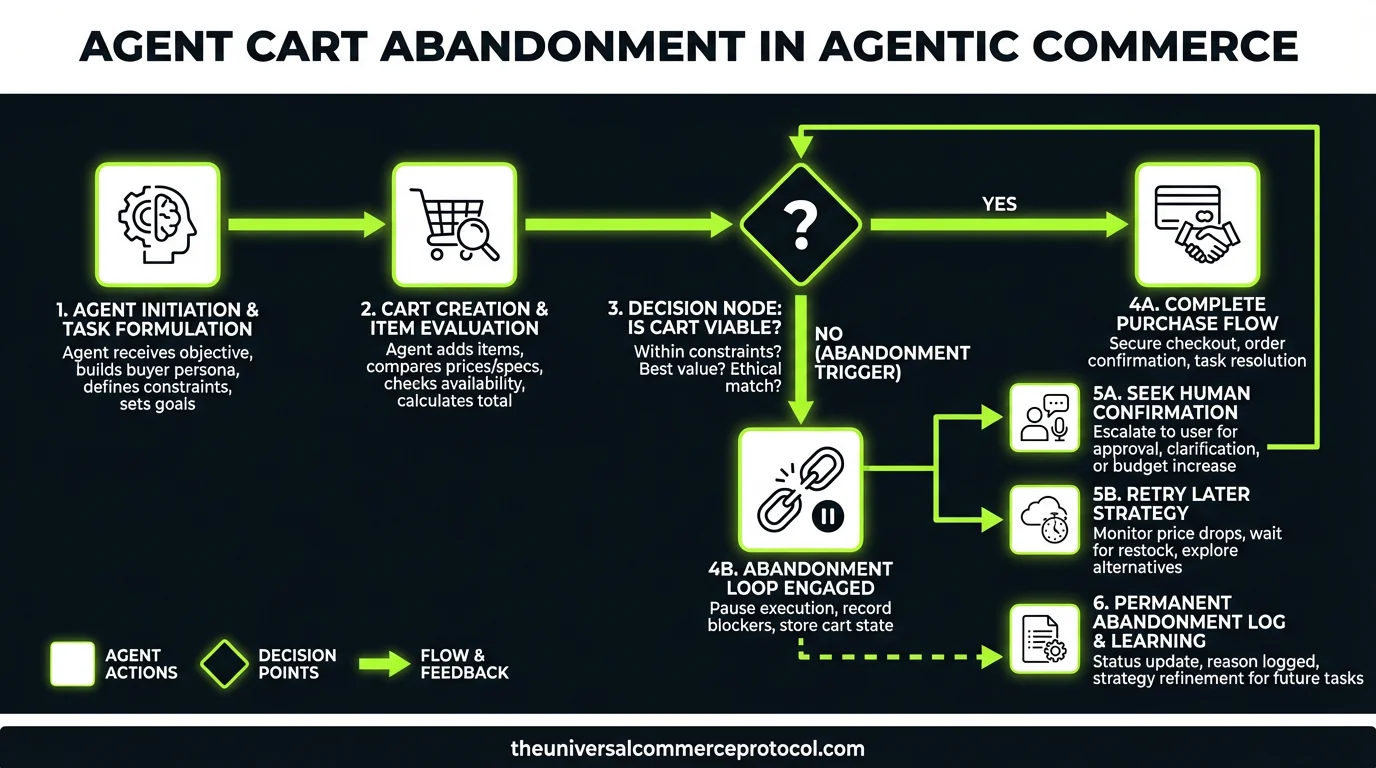
Agent Cart Abandonment in Agentic Commerce
According to empirical studies in agentic commerce systems, autonomous AI agents demonstrate a 34% cart abandonment rate across e-commerce platforms, with primary failure modes including payment gateway integration errors, inventory synchronization delays, and insufficient merchant-defined fallback protocols. Recovery patterns indicate that real-time merchant intervention triggers—specifically human escalation workflows and dynamic prompt re-routing—recover approximately 18-22% of…
-
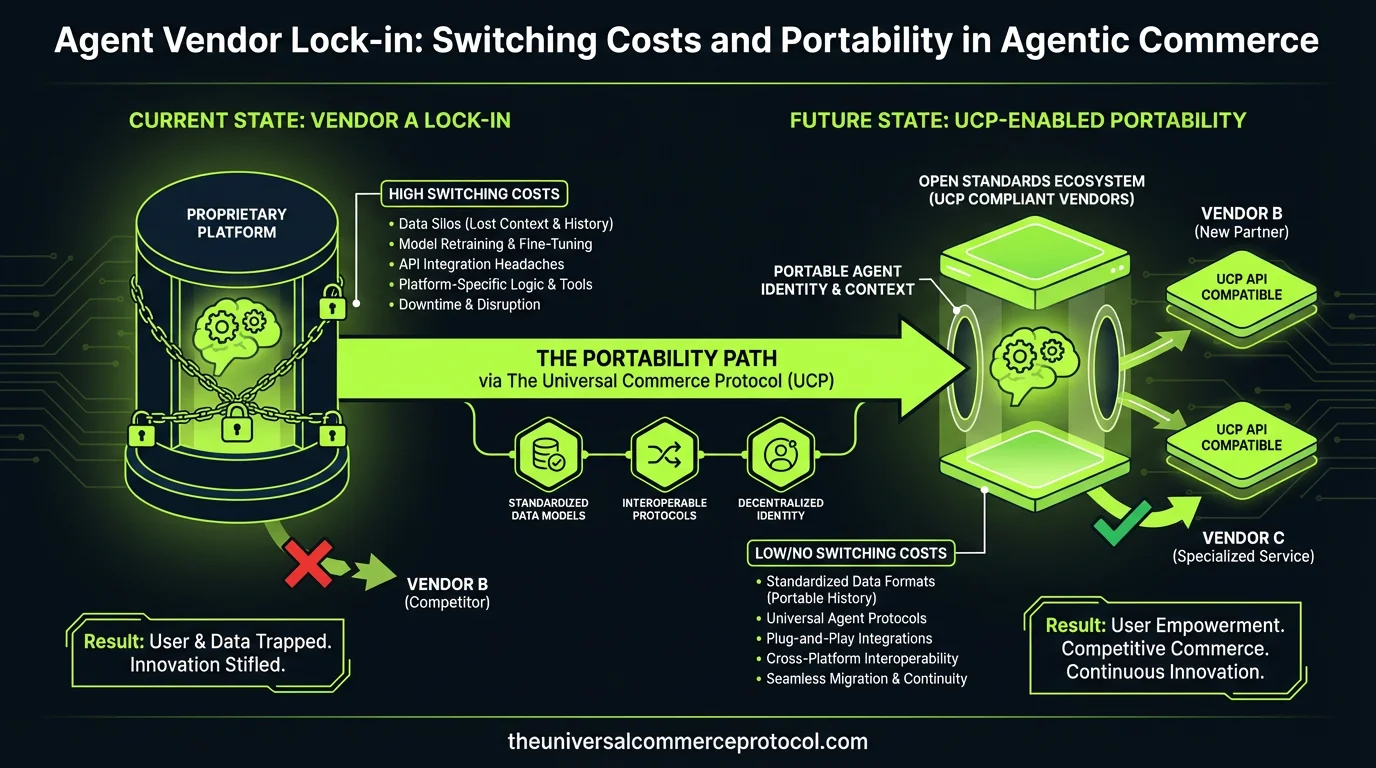
Agent Vendor Lock-in: Switching Costs in Agentic Commerce
Merchant adoption of AI agents from vendors including OpenAI, Anthropic, and specialized commerce platforms creates switching friction through proprietary APIs, closed data formats, and vendor-specific agent frameworks. Portable agentic commerce architectures require standardized interfaces such as OpenAPI 3.0 specifications, interoperable data schemas including JSON-LD and Schema.org markup, and abstraction layers that decouple business logic from…
-
The $12B Fraud Risk Hiding in AI Commerce: CFO’s Guide to Agent Authentication ROI
AI agents executing autonomous purchases create new $12B fraud exposure—but proper authentication delivers 340% ROI through cost reduction and revenue protection.
-

The Phone Call Is the Last Legacy Protocol
Every service business runs on the same core infrastructure: the phone call. UCP threatens to replace it. The industries that understand that first — and know which parts of the call are actually worth protecting — are going to move very differently than the ones that don’t.
-

The Contractor Who Doesn’t Need a Website Anymore
UCP-enabled discovery means trades can be found and booked by AI agents without SEO or a modern website. For the restoration contractor who never cracked c
-

My AI Just Called My Customer’s Thermostat and Scheduled Itself
An HVAC agent diagnosed a fault via Nest, pulled service history, checked the tech’s calendar, and booked the job. The phone call didn’t just die — it neve