Tag: AI agents
-
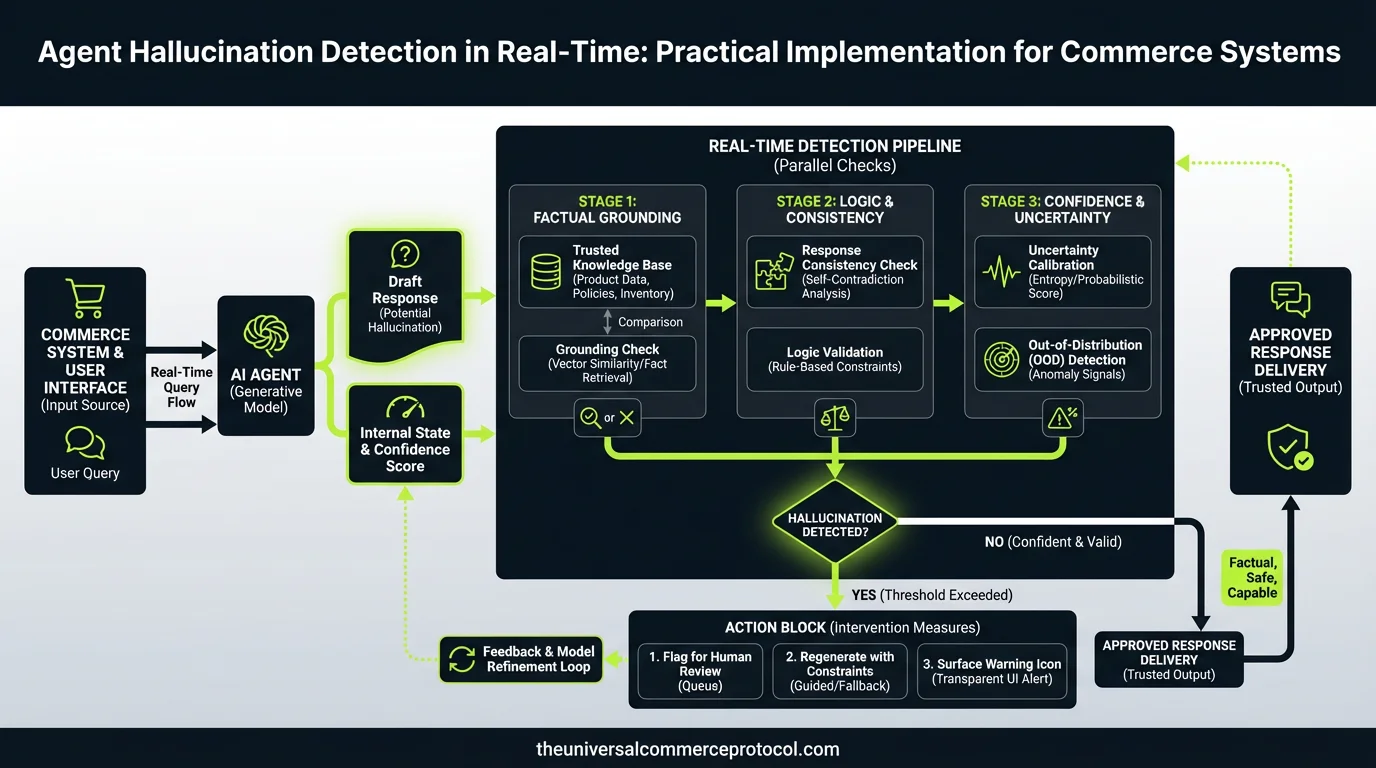
Real-Time Agent Hallucination Detection in Commerce
Real-time hallucination detection in e-commerce leverages Large Language Model (LLM) monitoring with Retrieval-Augmented Generation (RAG) verification, semantic consistency validation, and prompt engineering techniques to identify fabricated product claims across Shopify, WooCommerce, and REST APIs before publication. This detection framework mitigates Federal Trade Commission (FTC) violations, reduces chargeback disputes, and preserves data integrity across Product Information…
-
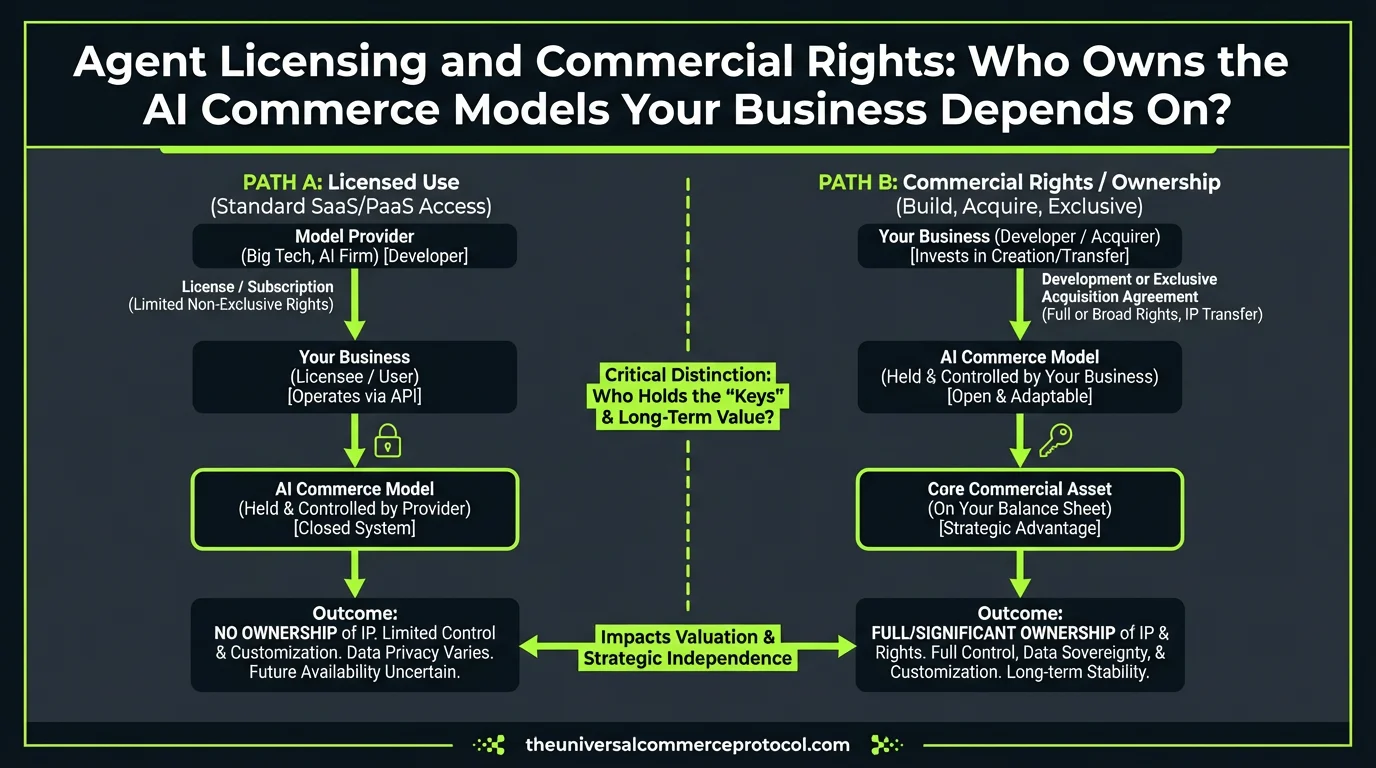
AI Commerce Licensing: Who Owns Your Agent Rights?
OpenAI’s API Terms of Service (Section 2.3), Anthropic’s Commercial License Agreement, and Meta’s Open Source License (OSSLv1.1) establish distinct permission boundaries governed by EU AI Act Articles 5-7, FTC Guidelines on AI Disclosure (2023), and NIST AI Risk Management Framework (SP 800-239). E-commerce merchants deploying GPT-4 Turbo, Claude 3 Opus, or Llama 2 commerce agents…
-
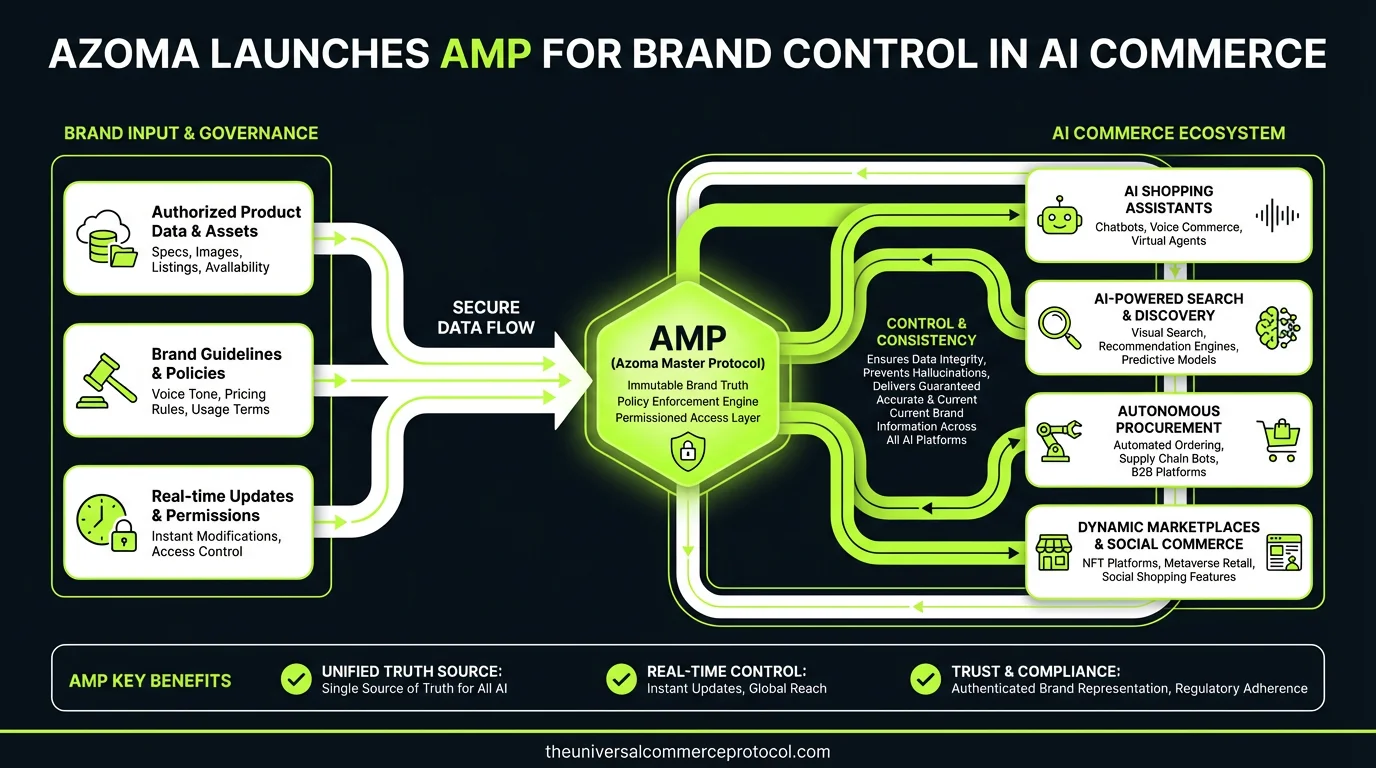
Azoma Launches AMP for Brand Control in AI Commerce
Azoma’s Agentic Merchant Protocol (AMP) is an open standard framework enabling retailers to maintain authoritative control over product catalogs, pricing, and merchandising rules across AI-powered shopping agents through machine-readable specifications and standardized APIs, with real-time inventory synchronization and transaction authorization against merchant-owned data sources. AMP establishes vendor-agnostic technical specifications for autonomous agent query validation and…
-
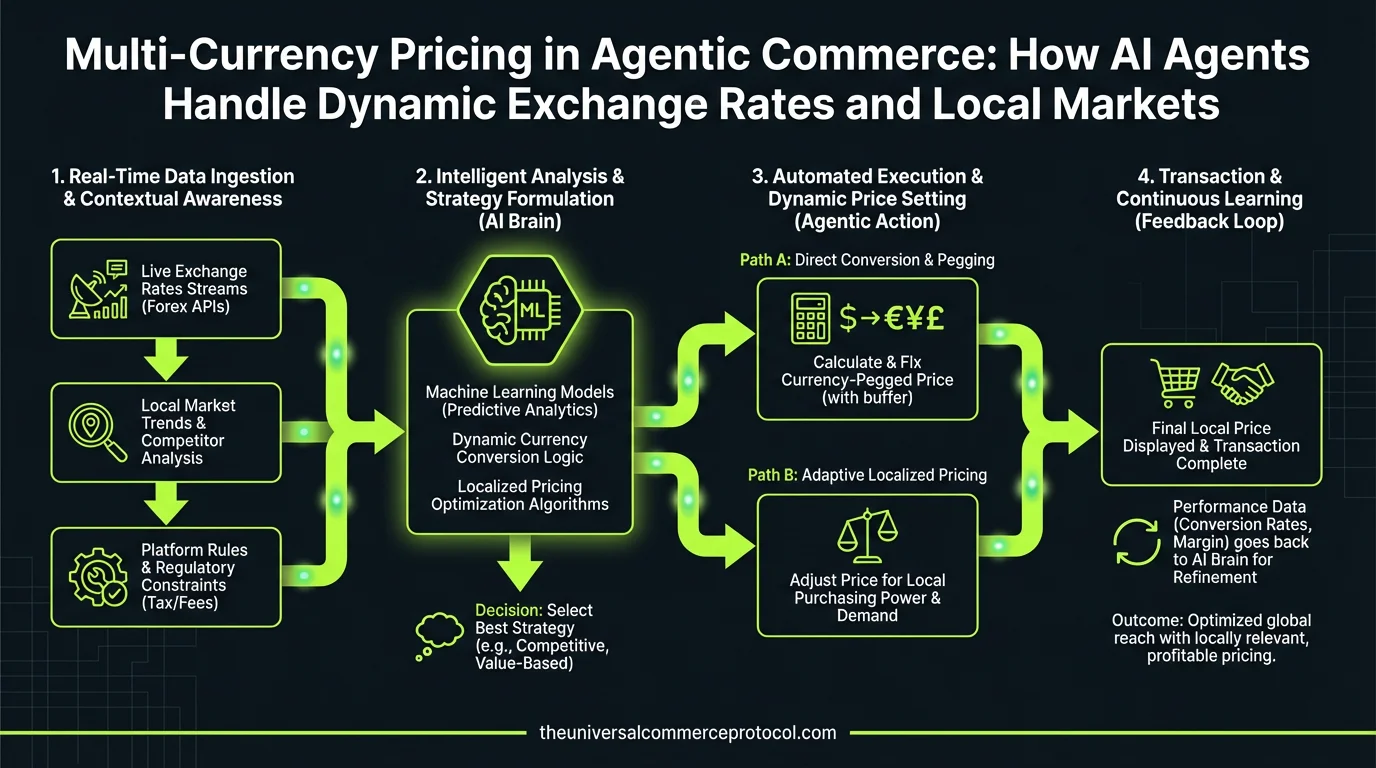
AI Agents & Multi-Currency Pricing: Dynamic Exchange Rates
AI agents in agentic commerce systems integrate real-time foreign exchange APIs—including OANDA, XE.com, and Bloomberg Terminal—to process dynamic currency conversion across major trading pairs (USD/EUR, GBP/JPY, AUD/SGD) while calculating jurisdiction-specific tax obligations such as EU VAT directives, UK VAT at 20%, German VAT at 19%, US Economic Nexus Framework sales tax, and Australian GST at…
-

UCP Compliance & Regulatory Risk for Agentic Commerce
The Uniform Commercial Code (UCC) Article 2 governs sales contracts across all 50 U.S. states, but autonomous commerce agents must also comply with California’s Consumer Privacy Act (CCPA), Colorado’s Colorado Privacy Act (CPA), and the Federal Trade Commission Act Section 5, which prohibits deceptive practices and mandates algorithmic transparency, documented consent mechanisms, and immutable audit…
-

UCP and Decentralized Commerce: Web3 Shopping
Universal Commerce Protocol (UCP) enables decentralized commerce infrastructure by providing standardized APIs and smart contract interfaces for Web3 shopping agents to execute autonomous transactions across blockchain networks including Ethereum, Solana, and Polygon. Web3 shopping agents leverage UCP’s decentralized order routing and settlement mechanisms to facilitate peer-to-peer commerce without intermediaries, reducing transaction costs and enabling direct…
-

UCP Security Best Practices: Protecting Merchants and Buyers in Agentic Commerce
UCP security best practices protect merchants & buyers in agentic commerce. Learn how to secure transactions and prevent fraud.
-

UCP and AI Agent Security: Authentication, Authorization, and Compliance Deep Dive
UCP AI agent security deep dive: Authentication, authorization, & compliance strategies to protect your AI agents and data.
-

UCP Security Best Practices: Protecting Against AI Agent Fraud
UCP security best practices to protect against AI agent fraud. Learn how to secure your Unified Communications Platform.
-

UCP and Generative Engine Optimization (GEO): Optimizing for AI Agent Discovery
Generative Engine Optimization UCP for AI Agents. Boost discovery with UCP and GEO. Learn how to optimize for AI agent search.