Tag: Payment Handler
-
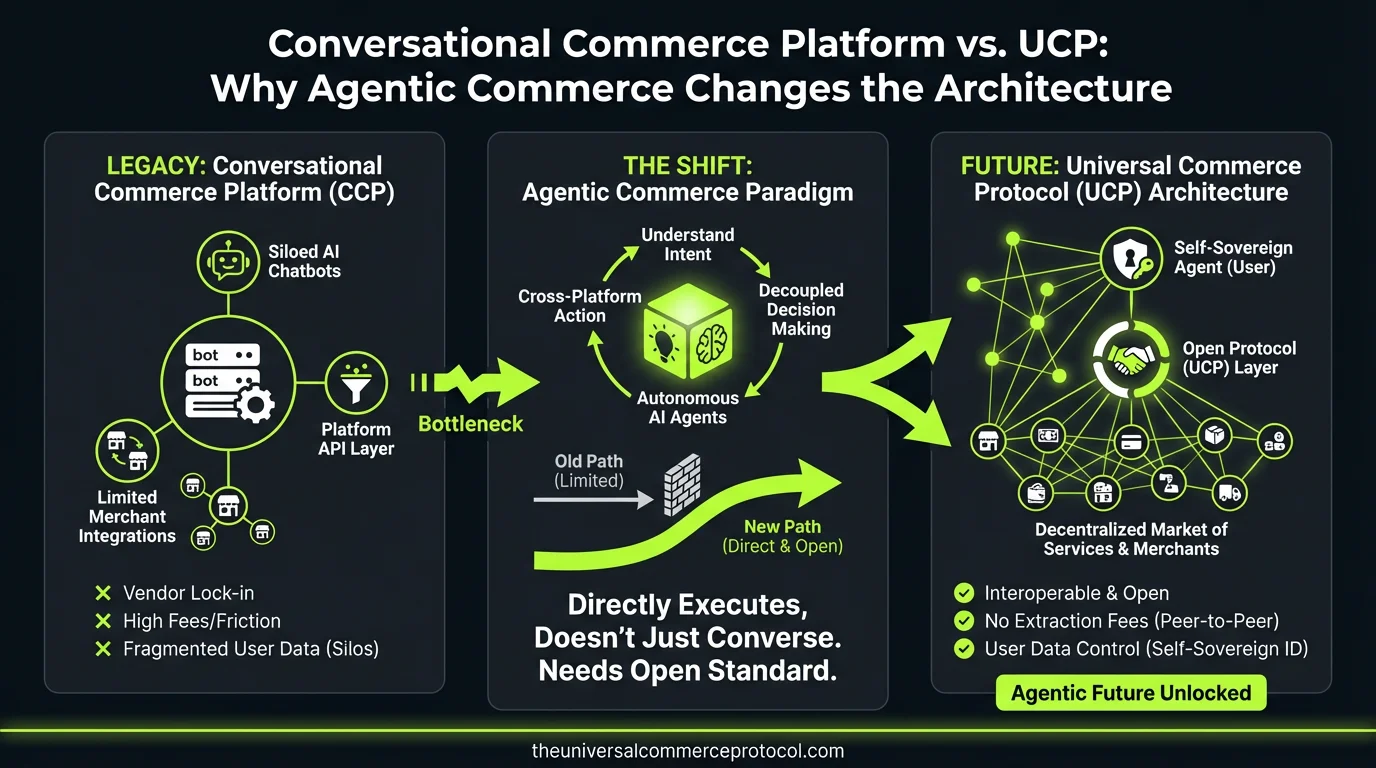
Conversational Commerce Platform vs. UCP: Why Agentic Commerce Changes the Architecture
Traditional conversational commerce platforms add a chatbot layer on top of checkout. UCP makes any AI surface — Gemini, ChatGPT,…
-
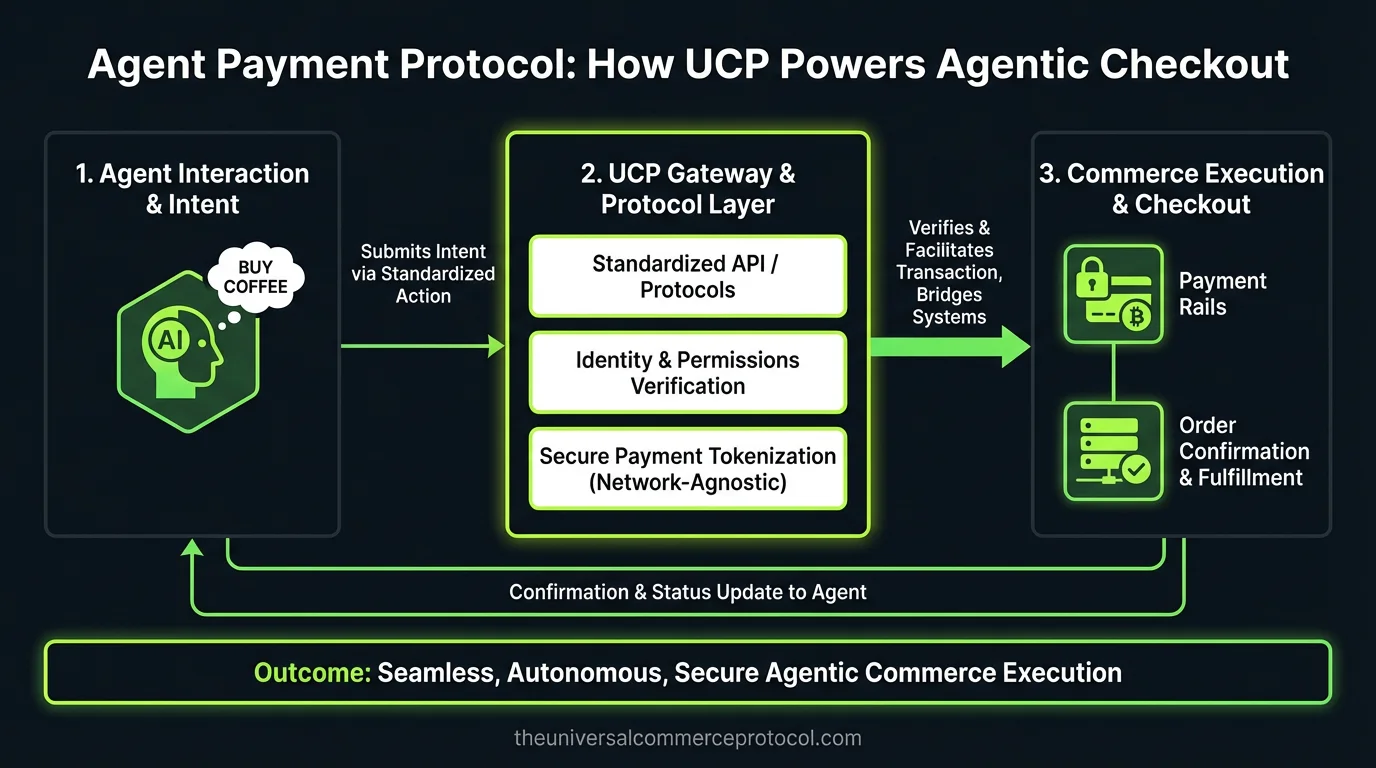
Agent Payment Protocol: How UCP Powers Agentic Checkout
Agent payment protocol enables AI agents to authorize and complete purchases autonomously. Learn how UCP, AP2, and Google Pay work…
-
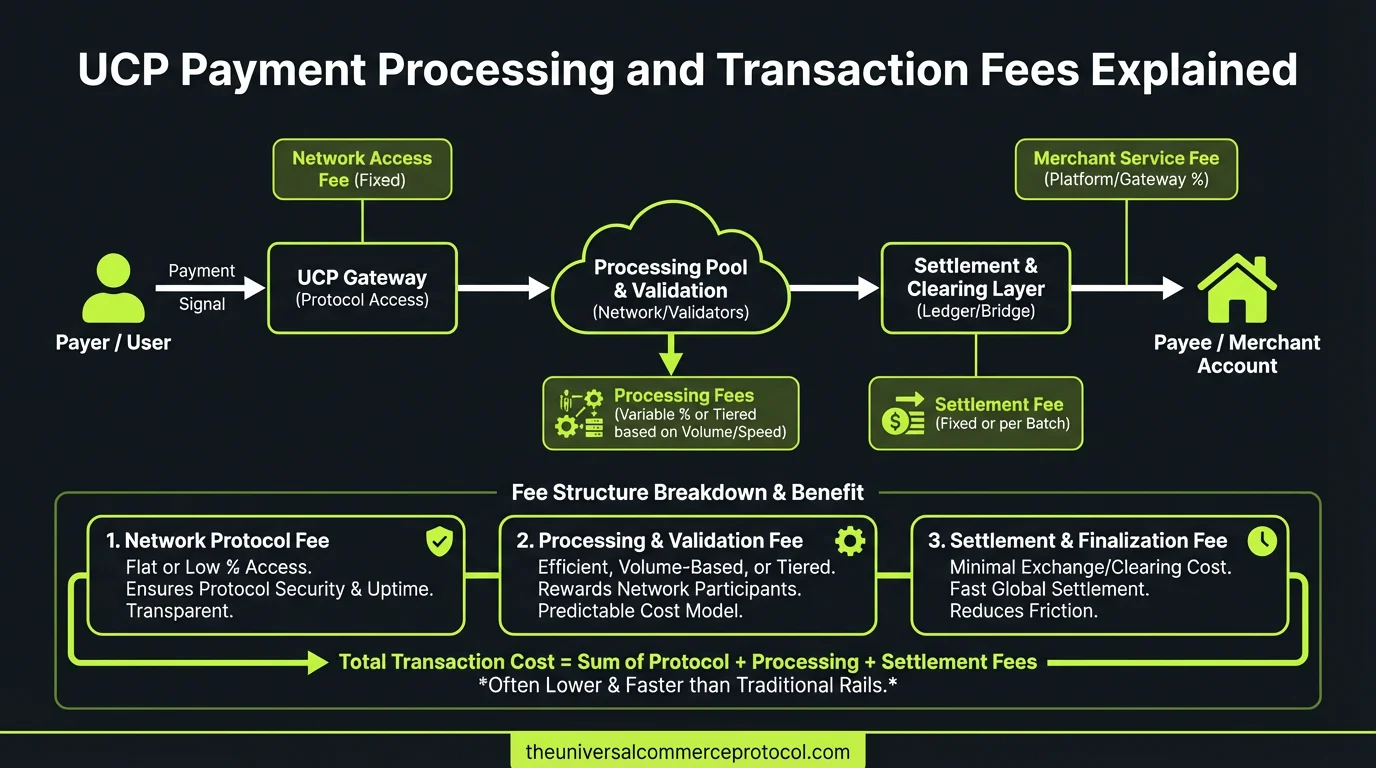
UCP Payment Processing & Transaction Fees Explained
Universal Commerce Protocol (UCP) standardizes payment processing with transaction fees ranging from 1.5–3.5% based on merchant category codes (MCC) and…
-
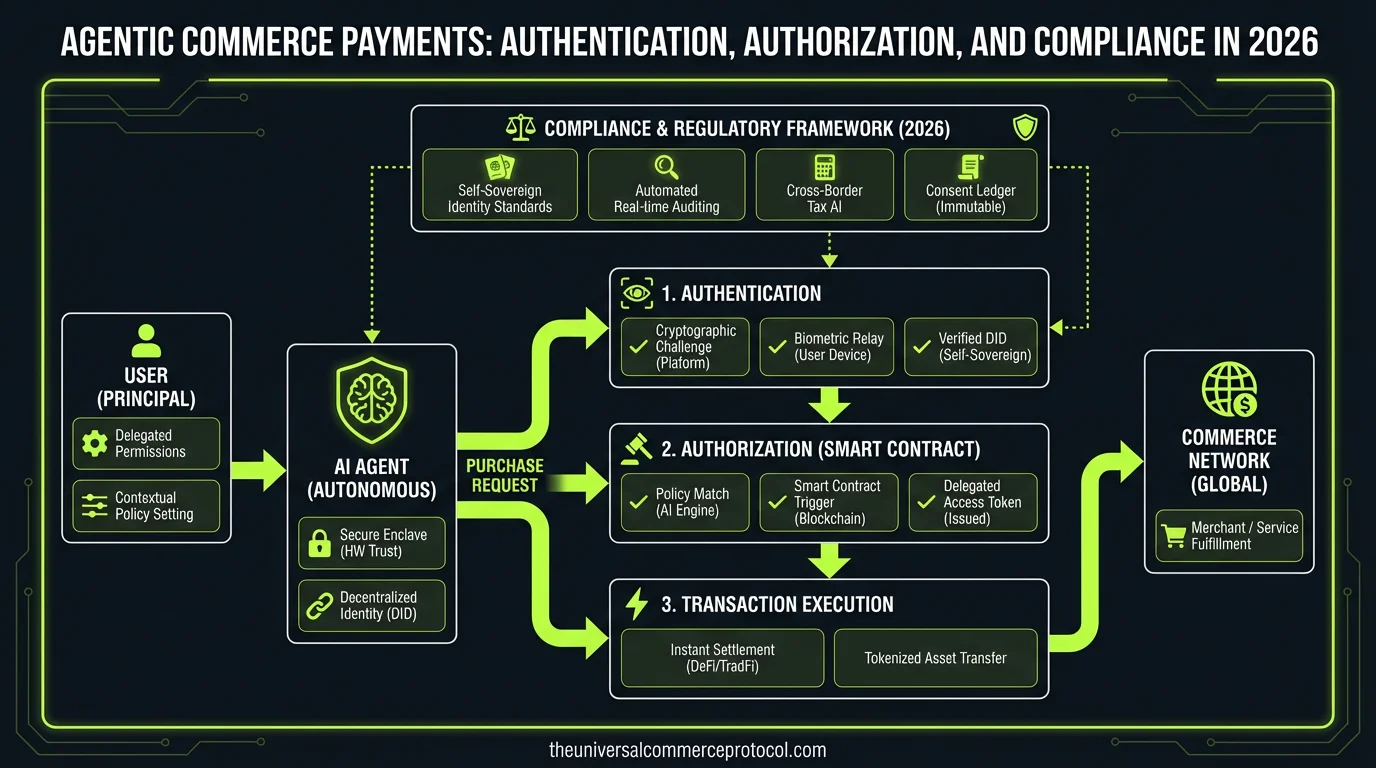
Agentic Commerce Payments: Authentication, Authorization, and Compliance in 2026
Agentic commerce payments require multi-layered security frameworks combining cryptographic authentication, real-time authorization protocols, and regulatory compliance mechanisms. As autonomous agents…
-
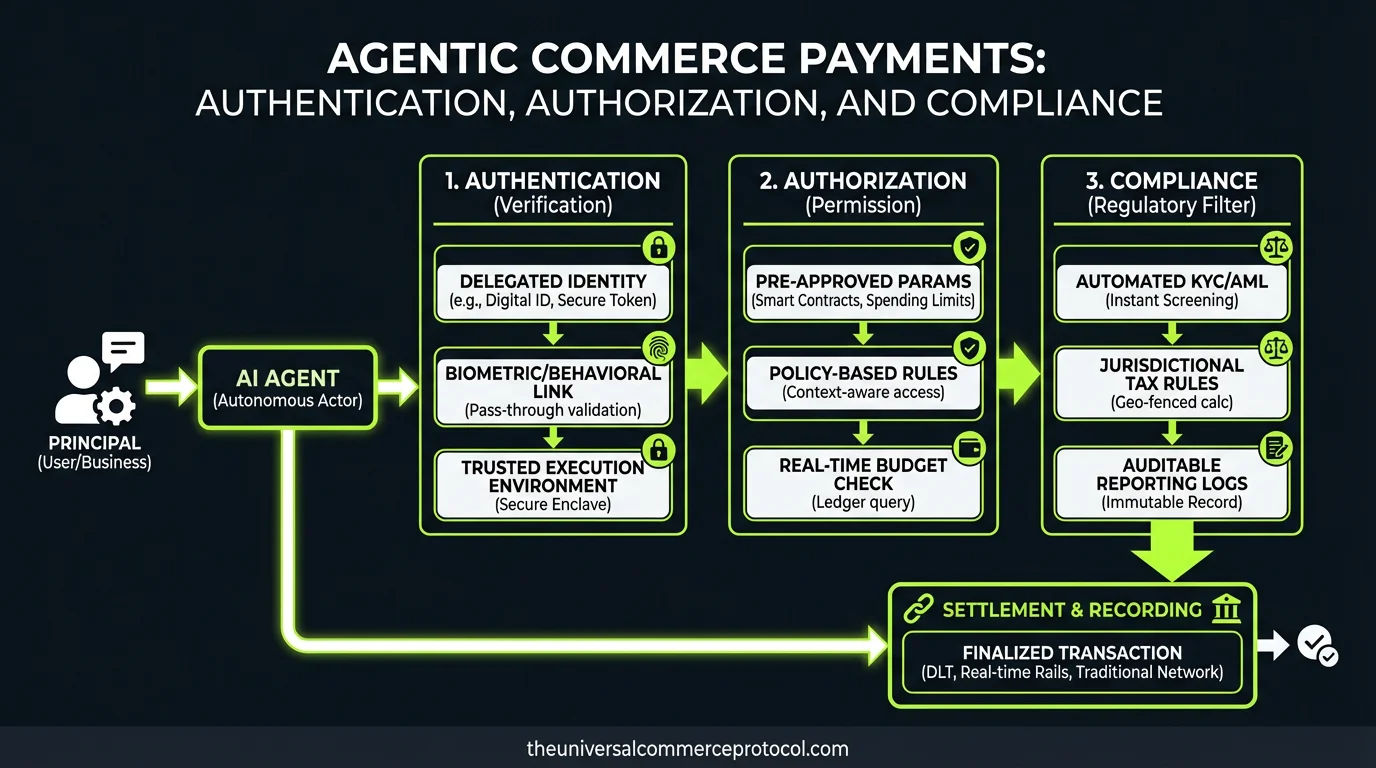
Agentic Commerce Payments: Authentication, Authorization, and Compliance
Agentic commerce payments require sophisticated authentication, authorization, and compliance frameworks to enable autonomous transactions while maintaining security and regulatory adherence.…
-
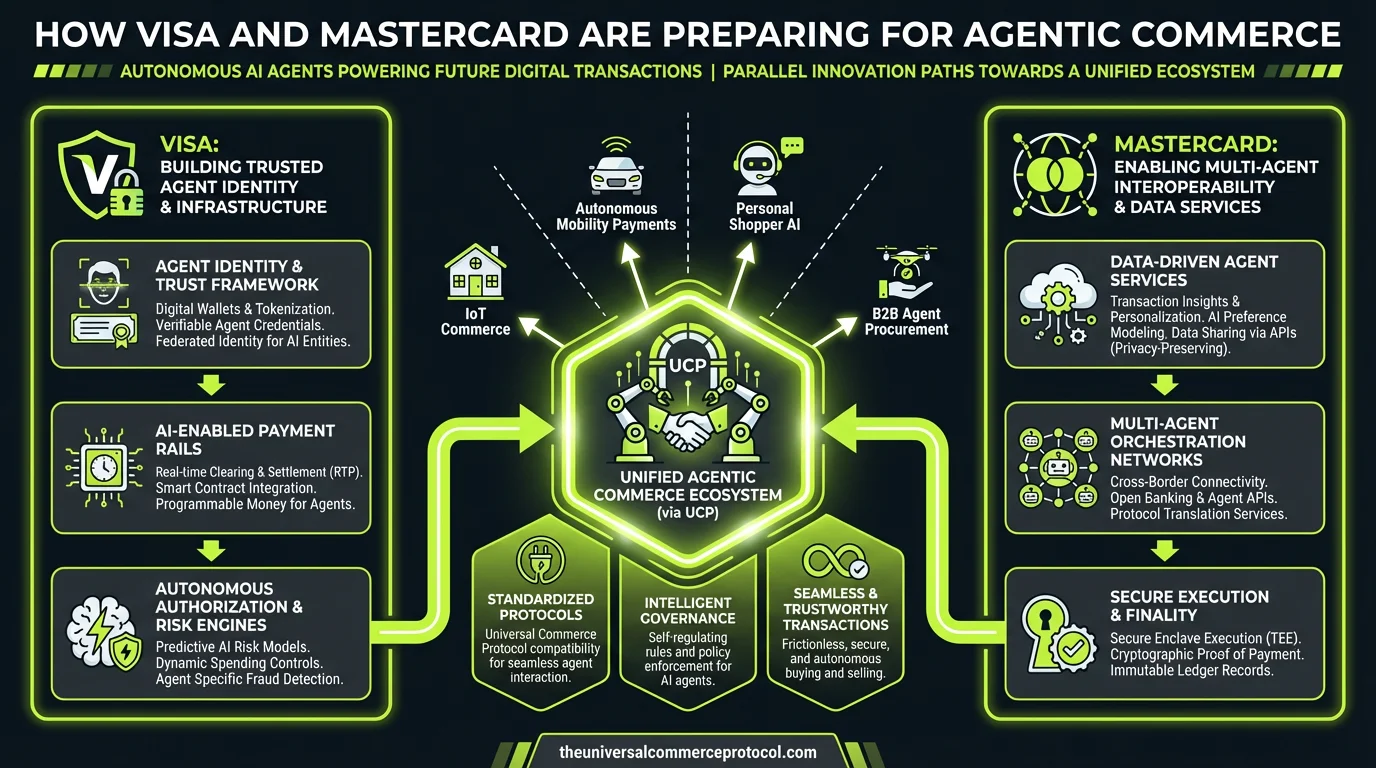
Visa vs. Mastercard: Agentic Commerce Strategy Compared
Visa and Mastercard are taking diverging paths to accommodate AI-driven commerce. See how each is restructuring tokenization, liability models, and…
-
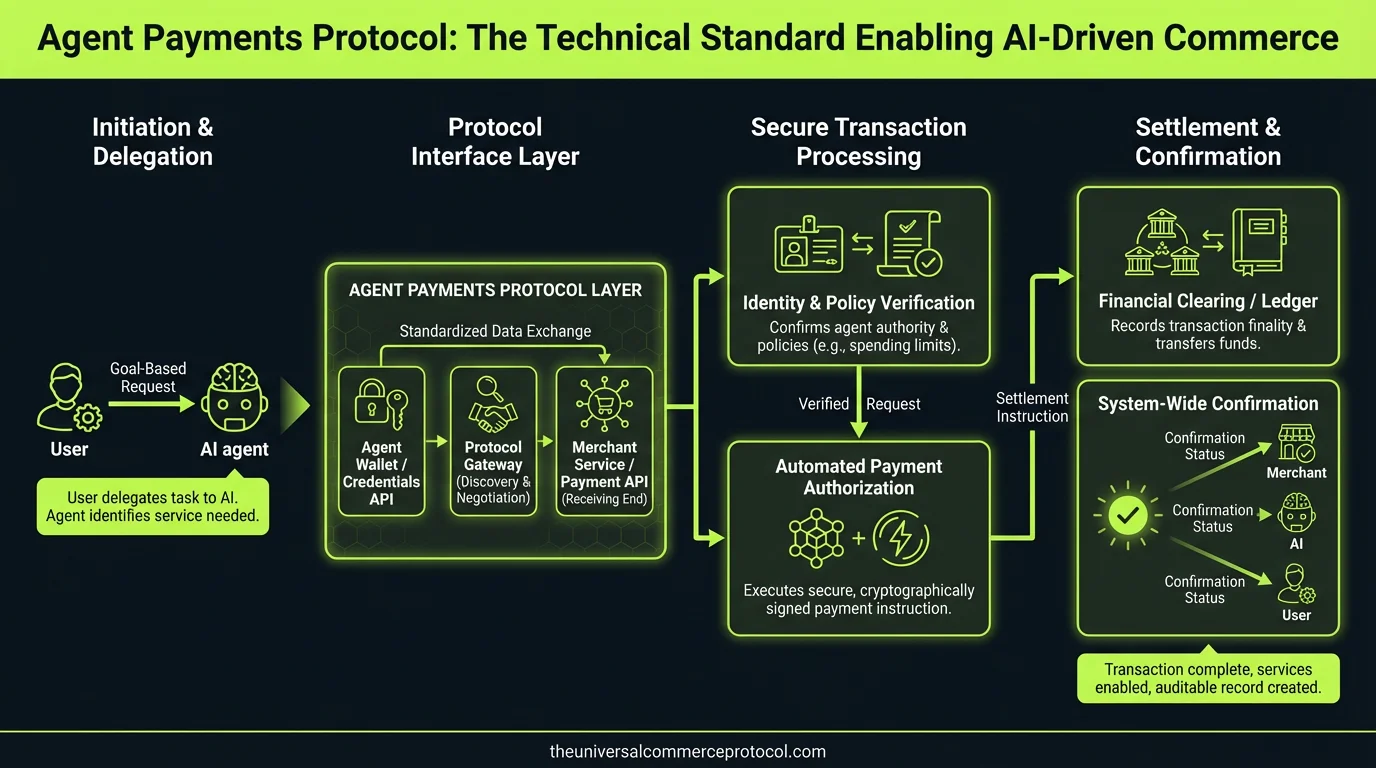
Agent Payments Protocol: The Technical Standard Enabling AI-Driven Commerce
The Agent Payments Protocol represents a critical layer in the Universal Commerce Protocol stack, enabling autonomous AI agents to execute…
-
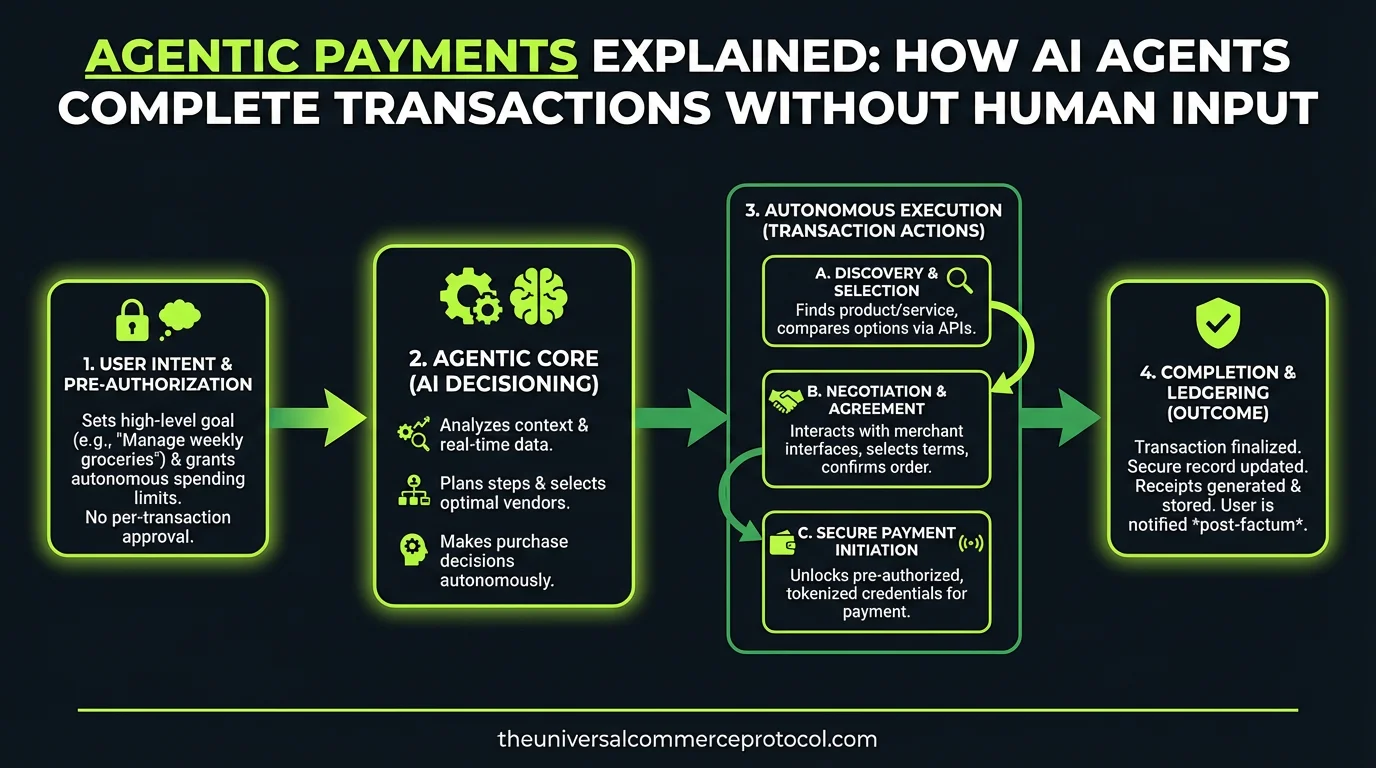
Agentic Payments Explained: How AI Agents Pay Without Human Input
AI agents can now authorize and complete payments autonomously within predefined trust frameworks. Learn how agentic payment flows work, what…
-
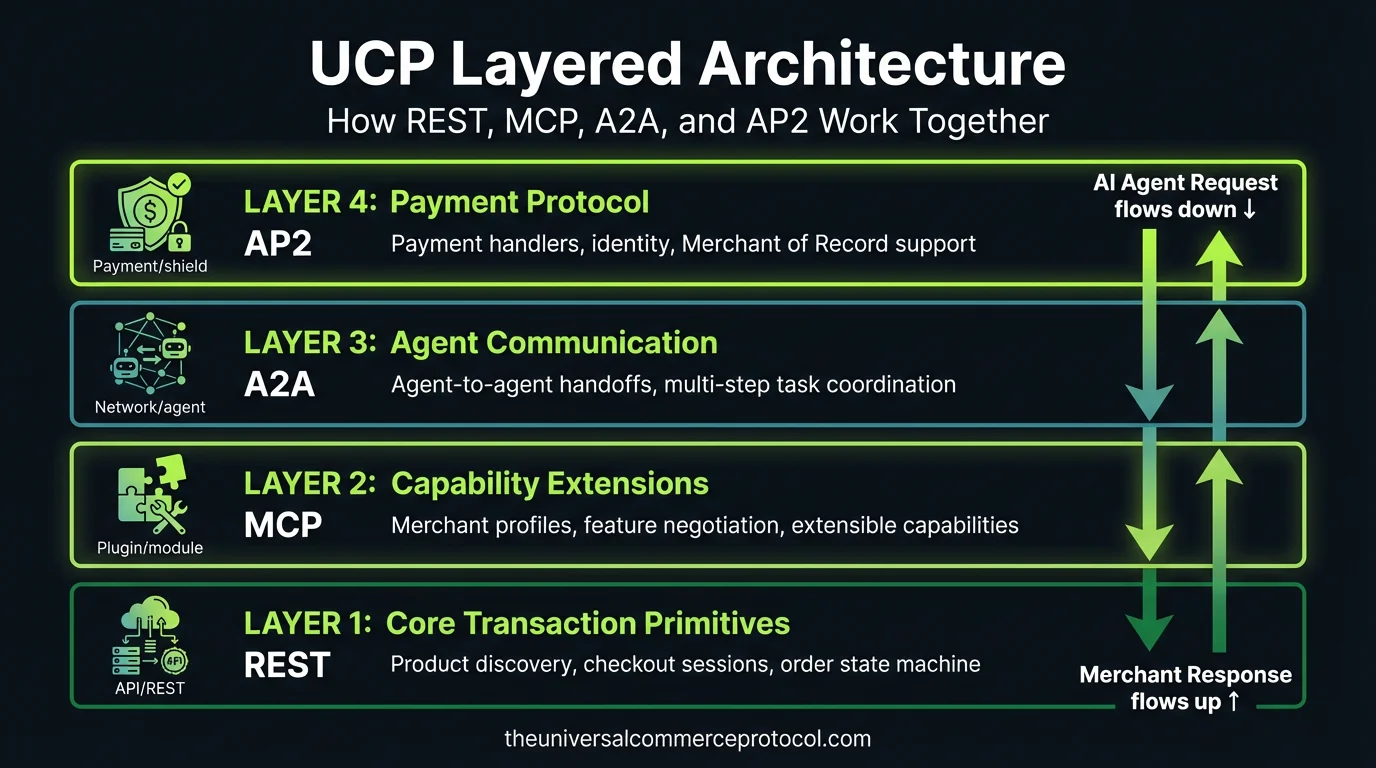
UCP’s Layered Architecture Explained: How REST, MCP, A2A, and AP2 Work Together
UCP’s layered architecture separates core transaction primitives from capabilities, extensions, and payment handlers — enabling the protocol to scale across…
-
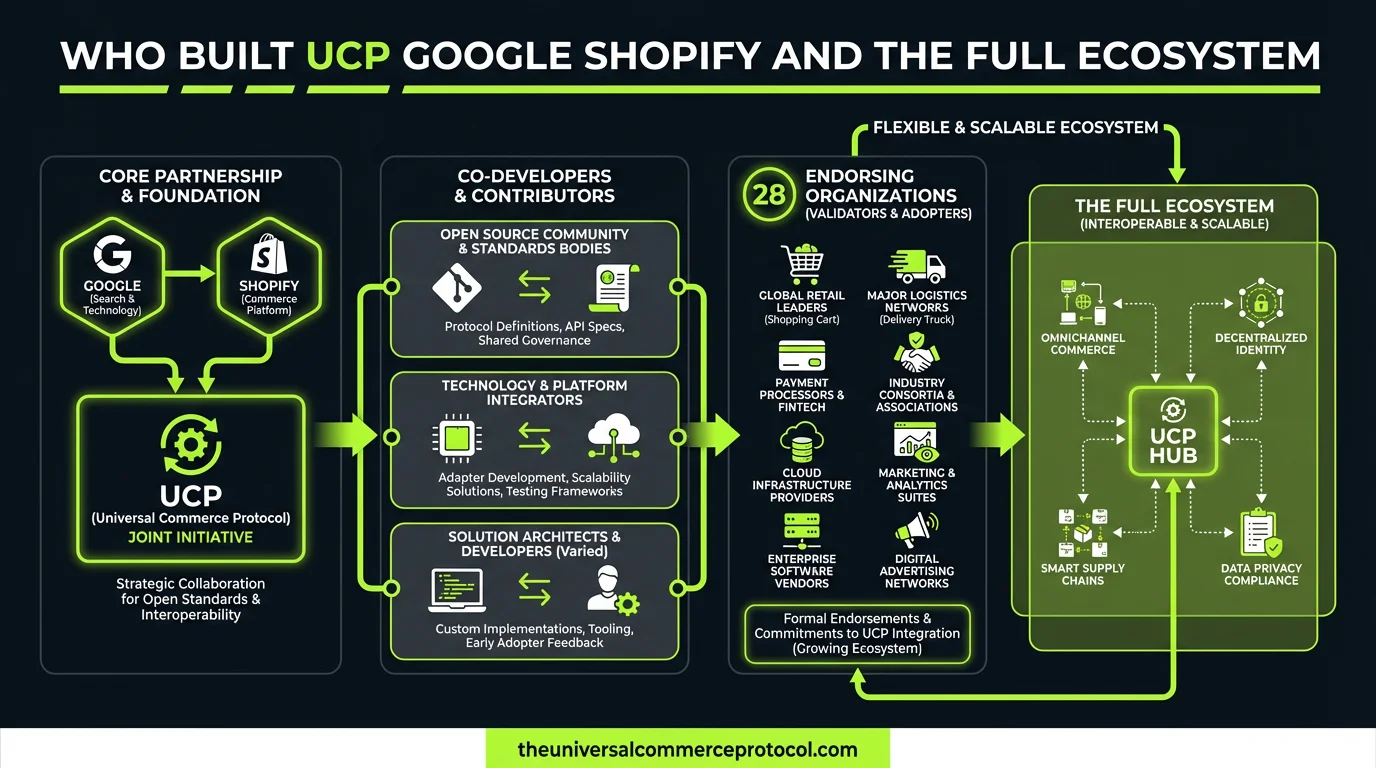
Who Built UCP? Google, Shopify, and the Full Ecosystem
UCP was co-developed by Google and Shopify, with Etsy, Wayfair, Target, and Walmart as additional co-developers, and endorsed by 28…