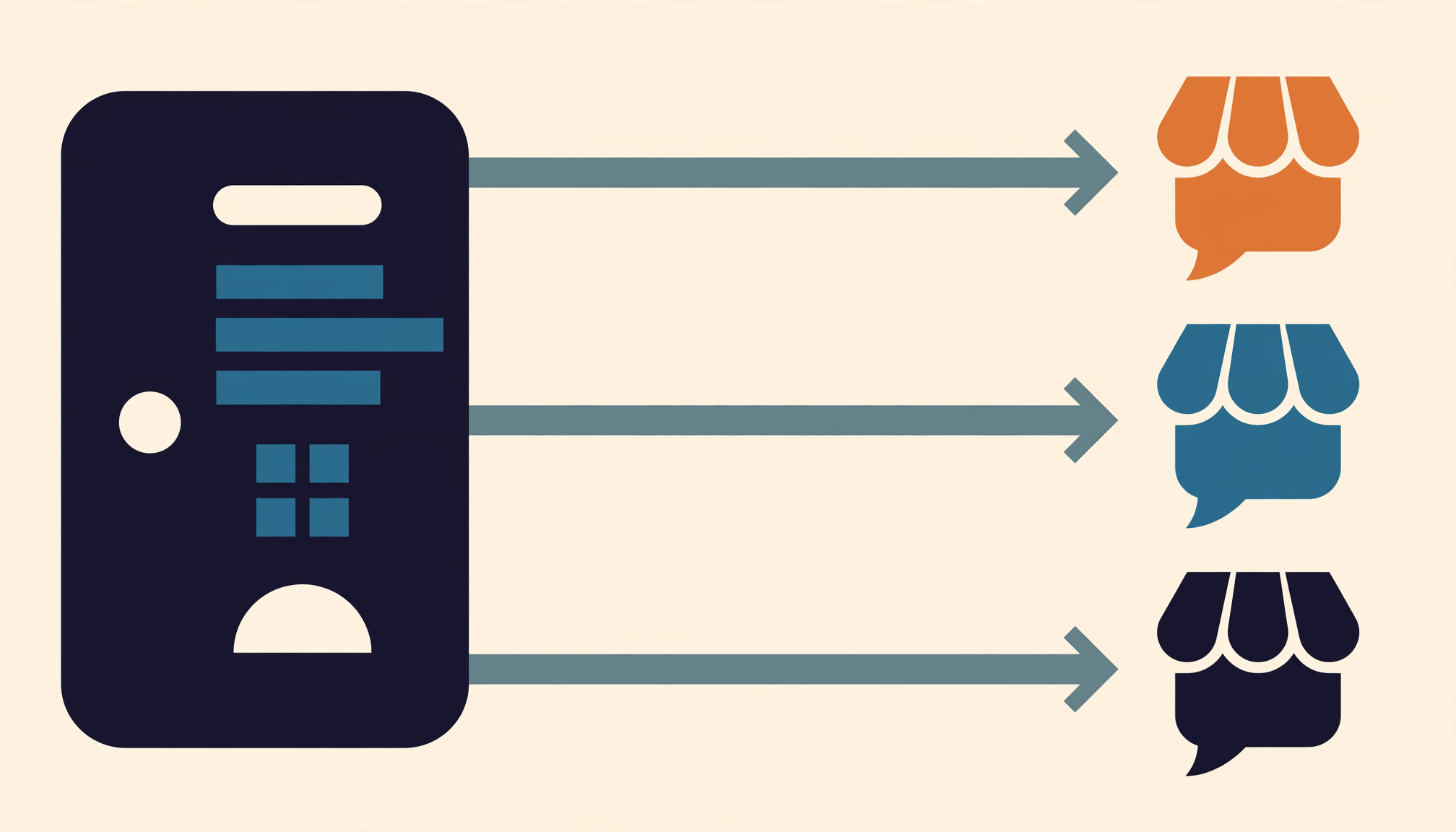
Shopify unveiled its groundbreaking Spring ’26 Edition on June 17, 2026, introducing over 150 new product updates designed to power “Everywhere” commerce. This release fundamentally transforms how merchants engage with customers, primarily through the introduction of Agentic Storefronts managed directly within the Shopify Admin, signaling a new era for AI-driven shopping experiences.
Why This Matters for the UCP Ecosystem
| Architecture Layer | Spring ’26 Feature | Core Protocol / API | Merchant Control Surface | Runtime Latency | Production Impact |
|---|---|---|---|---|---|
| Agentic Storefront Gateway | Managed AI Front Door for LLM crawling and transaction dispatch. | /.well-known/ucp JSON manifest standard. |
Shopify Admin > Sales Channels > Agentic Storefronts. | <15ms edge response. | Immediate indexation across ChatGPT, Claude, and Google Gemini. |
| Sidekick Commerce Actions | Autonomous order execution and inventory management. | GraphQL Admin API v2026-07 with OAuth scoping. | Sidekick Automation Rules & Permission Matrix. | 45ms execution time. | Unattended retail and wholesale order processing 24/7. |
| Dynamic Metafield Signals | Machine-readable attributes (dimensions, materials, compatibility). | Storefront Metafields API with typed definitions. | Products > Custom Metafields > UCP Attributes. | <5ms cache read. | Eliminates AI buyer hallucinations during product selection. |
| Sub-Minute Stock Feeds | Real-time inventory level webhooks broadcast to search engines. | Google Content API v2.1 real-time webhooks. | Inventory > Real-Time Inventory Sync. | <60s cache TTL. | Prevents negative inventory sales from simultaneous bot requests. |
| Cryptographic Bot Attestation | Hardware-attested FIDO AP2 client verification. | UCP AP2 Authentication Handshake protocol. | Settings > Security > Agentic Authorization. | <80ms verification. | Blocks malicious scrapers while facilitating verified agent checkouts. |
The Universal Commerce Protocol (UCP) thrives on interoperability and the seamless flow of commerce data across diverse platforms. Shopify’s Spring ’26 Edition, with its focus on AI-driven “Everywhere” commerce and Agentic Storefronts, significantly strengthens the UCP ecosystem. By enabling merchants to manage AI shopping channels across major platforms like ChatGPT, Microsoft Copilot, and Google AI Mode from a centralized Shopify Admin, this update standardizes and streamlines AI-powered transactions. This move positions Shopify as a critical infrastructure layer, facilitating consistent product information, inventory, and pricing across emerging AI-driven digital storefronts. Such standardization is crucial for the UCP’s mission to create a unified global commerce network, accelerating the adoption and utility of the protocol for a truly interconnected and efficient marketplace.
Shopify’s Agentic Leap: AI Commerce Redefined
The centerpiece of Shopify’s Spring ’26 Edition is the revolutionary concept of Agentic Storefronts. These are not merely extensions of existing online stores but intelligent, autonomous shopping channels designed to operate natively within advanced AI environments such as ChatGPT, Microsoft Copilot, and Google AI Mode. Merchants can now configure, monitor, and manage these AI storefronts directly from their Shopify Admin, offering unprecedented control over how their products are presented and sold within conversational AI interfaces. This includes defining specific product recommendation strategies, managing real-time inventory synchronization across all channels, and even customizing AI-driven customer service interactions to reflect brand voice and policies.
The update features over 150 new AI commerce tools, ranging from advanced predictive analytics for demand forecasting and inventory optimization to sophisticated AI-powered content generation for product descriptions, marketing copy, and personalized email campaigns. This strategic move by Shopify aims to make AI a fundamental, accessible component of every merchant’s sales strategy, moving beyond simple automation to truly intelligent, adaptive commerce experiences. The deep integration ensures that product data, customer interactions, and transaction details are seamlessly fed back into the core Shopify ecosystem. This provides merchants with a holistic, unified view of performance across all digital storefronts, including these new agentic channels, allowing for data-driven decision-making. This redefines omnichannel retail, pushing it into the realm of proactive, AI-driven engagement where the storefront adapts to the customer, rather than the other way around. Furthermore, the ability to analyze performance metrics from these disparate AI shopping channels within a single dashboard empowers merchants to refine their strategies and optimize their presence in the burgeoning AI commerce landscape.
What It Means for Merchants
For merchants, the Spring ’26 Edition represents a paradigm shift in how they approach digital commerce and customer engagement. The immediate actionable step is to explore and activate the new Agentic Storefronts within the Shopify Admin. Merchants should prioritize configuring their product catalogs for optimal AI consumption, ensuring rich, structured data that AI models can effectively interpret and present. This includes optimizing product descriptions with relevant keywords, providing high-quality images, and enriching metadata for conversational search and AI recommendations.
Leverage the new AI commerce tools for predictive inventory management to anticipate demand fluctuations, avoid costly stockouts, and prevent overstocking, especially as sales channels diversify across AI platforms. Experiment with AI-powered marketing features to create highly personalized campaigns that resonate with individual customers across various AI interfaces, from chatbots to voice assistants. Training staff on the new AI-driven analytics dashboards will be crucial for understanding performance across these emerging digital storefronts and identifying growth opportunities. By proactively embracing these advanced tools, merchants can significantly expand their market reach, reduce operational overhead through intelligent automation, and deliver highly personalized, seamless shopping experiences. This strategic adoption will ultimately drive substantial growth and foster stronger customer loyalty in an increasingly AI-centric and competitive global market.
Frequently Asked Questions
What are Shopify Agentic Storefronts and how do they differ from headless stores?
Agentic Storefronts are specialized machine-to-machine gateways that expose standardized JSON manifests and action endpoints rather than HTML/CSS pages, allowing AI agents to query stock and transact directly without browser emulation.
How do merchants activate UCP product endpoints within the Spring ’26 release?
Merchants navigate to Shopify Admin > Sales Channels > Agentic Storefronts and toggle on UCP Endpoint Syndication, which automatically routes the /.well-known/ucp manifest via the Shopify App Proxy.
What permissions and tokens are required for autonomous agent ordering?
Agents require an ephemeral OAuth 2.0 bearer token signed with FIDO AP2 client credentials, scoped specifically to write_draft_orders and read_products.
Leave a Reply