Category: Merchant Integration
-
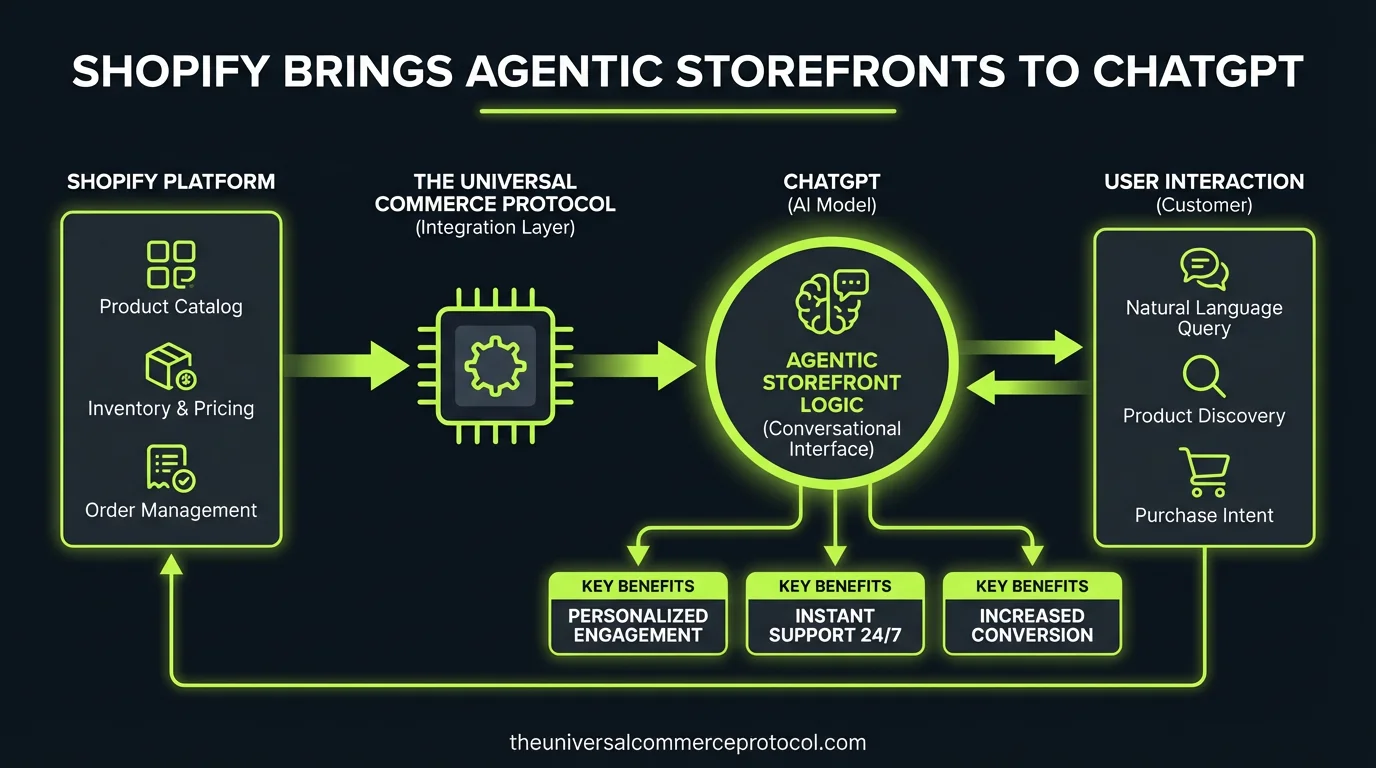
Shopify Brings Agentic Storefronts to ChatGPT
Shopify partnered with OpenAI to integrate its commerce platform with ChatGPT, enabling the AI assistant to access Shopify’s merchant catalog…
-
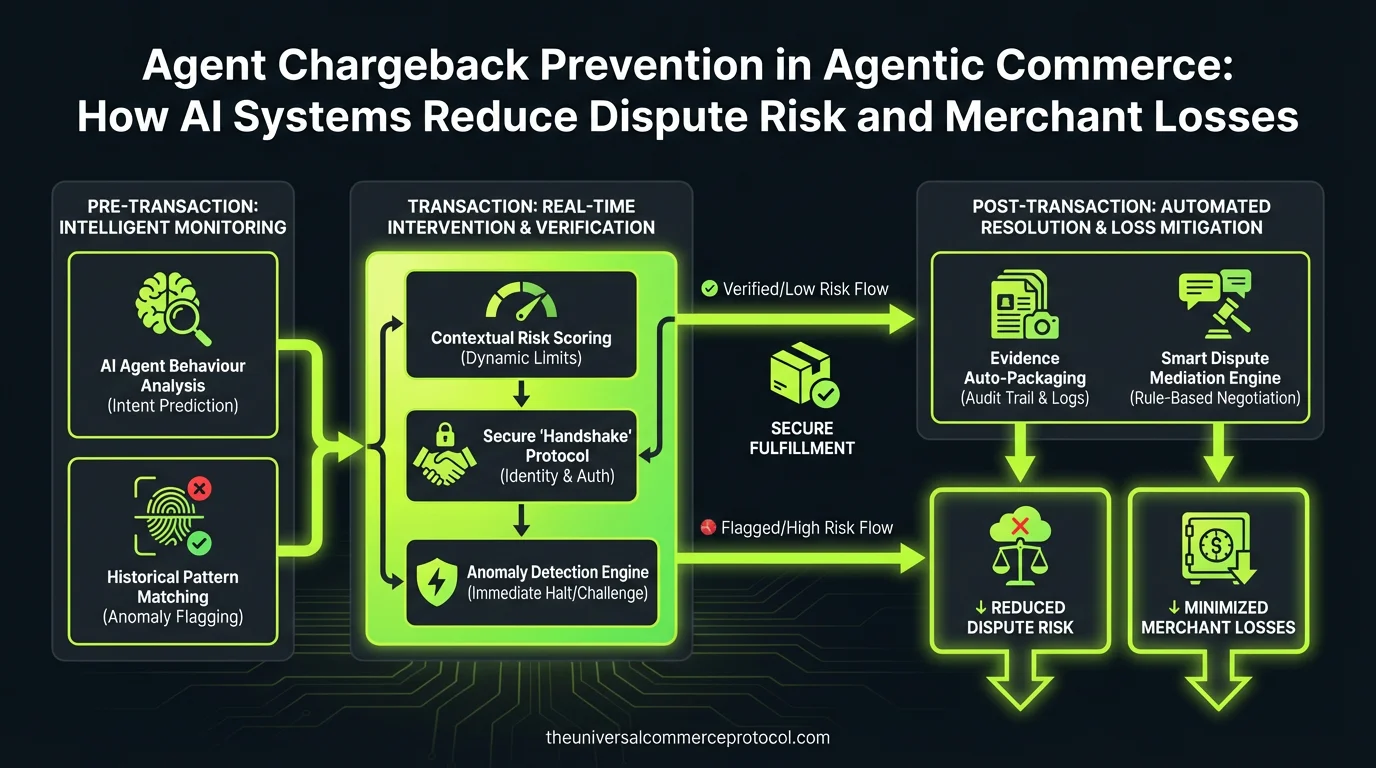
AI Agent Chargeback Prevention: Reduce Dispute Risk
AI autonomous agents in e-commerce transactions introduce chargeback risk through non-human payment decisions, including unauthorized initiations and anomalous spending patterns…
-
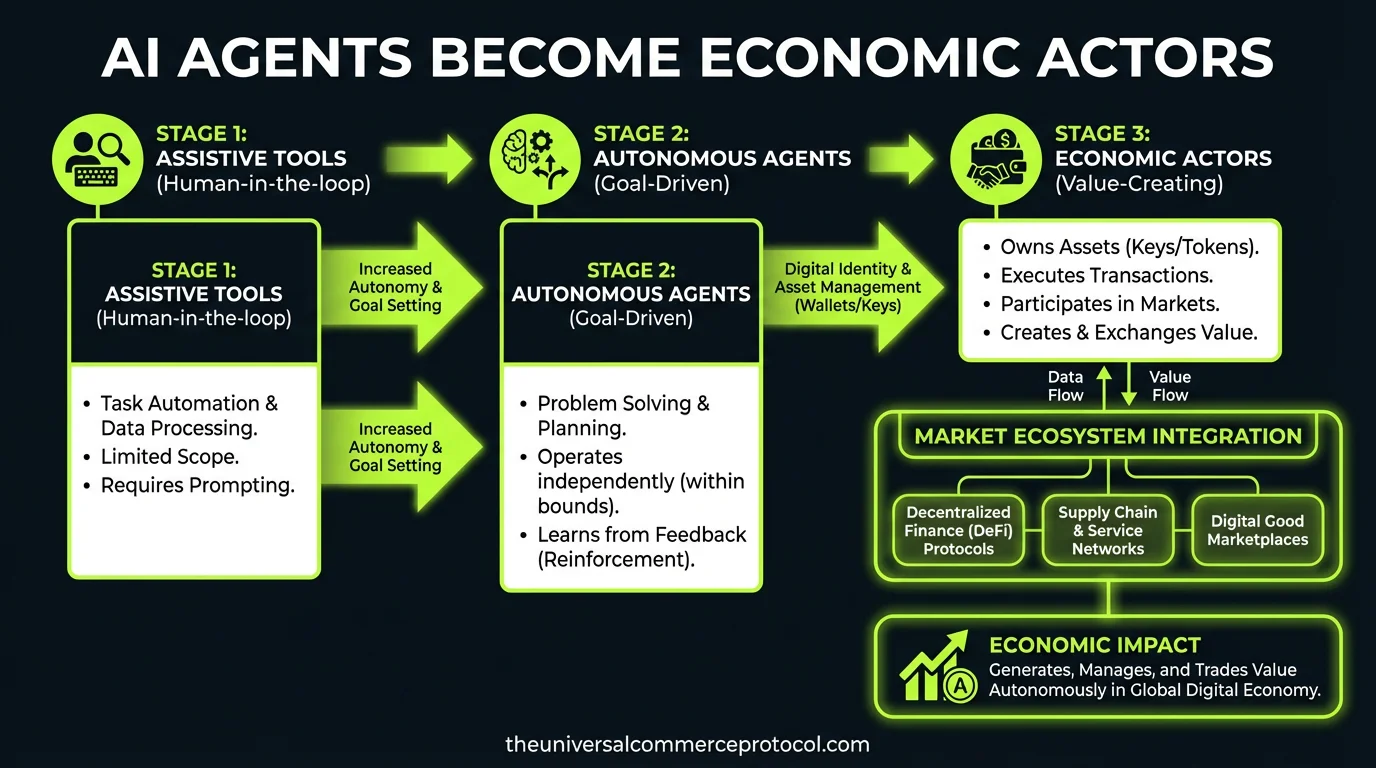
AI Agents Become Economic Actors
Mastercard and Santander completed Europe’s first live end-to-end AI-executed payment.
-

Agent Liability & Insurance: Who Pays When AI Makes a Bad Purchase Decision?
As AI agents autonomously execute transactions, merchants and platforms face unclear liability for errors, fraud, and consumer harm—and insurance markets…
-
Agent Performance Benchmarking: How to Measure Conversion Rate, Speed, and Accuracy in Agentic Commerce
A practical framework for measuring agent success: conversion rates, latency SLAs, hallucination rates, and cost-per-transaction benchmarks.
-

Shopify Integrates Agentic Storefronts into ChatGPT
Shopify merchants can now have their products discoverable and purchasable inside ChatGPT through its new “agentic storefronts” feature.
-

UCP Integration: Building Compliant Agentic Commerce Architecture
Technical framework for implementing UCP-based agentic commerce while maintaining regulatory compliance across jurisdictions and payment flows.
-
Feature Engineering for Agent Cost Attribution: Building Predictive Models for Commerce AI ROI
How to engineer features, train models, and evaluate agentic commerce systems where cost per transaction varies by 40x based on…
-

The $2.4M Hidden Cost of UCP Compliance: What CFOs Need to Know About Agentic Commerce Risk
Agentic commerce introduces $2.4M in potential compliance costs and regulatory penalties that could derail digital transformation ROI.
-
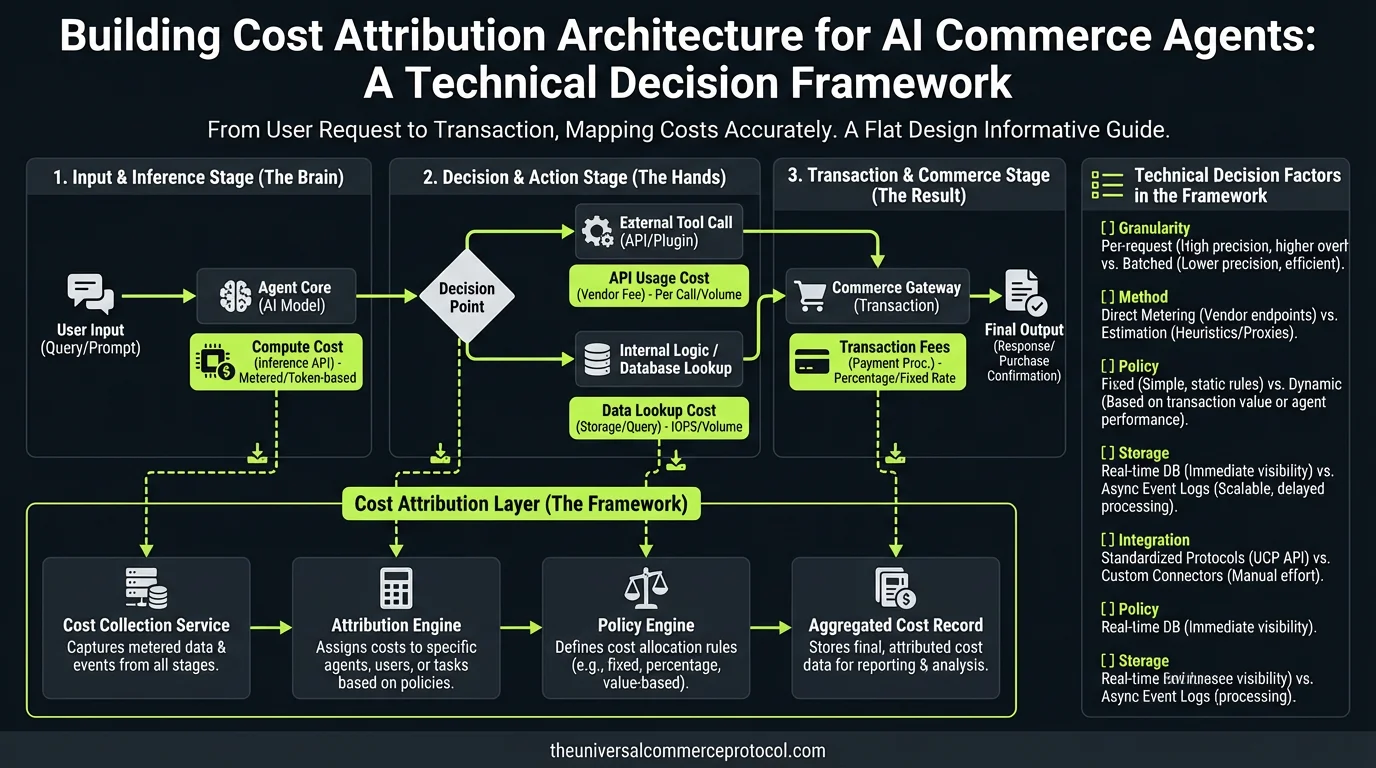
Building Cost Attribution Architecture for AI Commerce Agents: A Technical Decision Framework
Engineering teams need instrumentation patterns to track distributed AI agent costs across LLM APIs, vector stores, and payment flows.