Tag: commerce
-
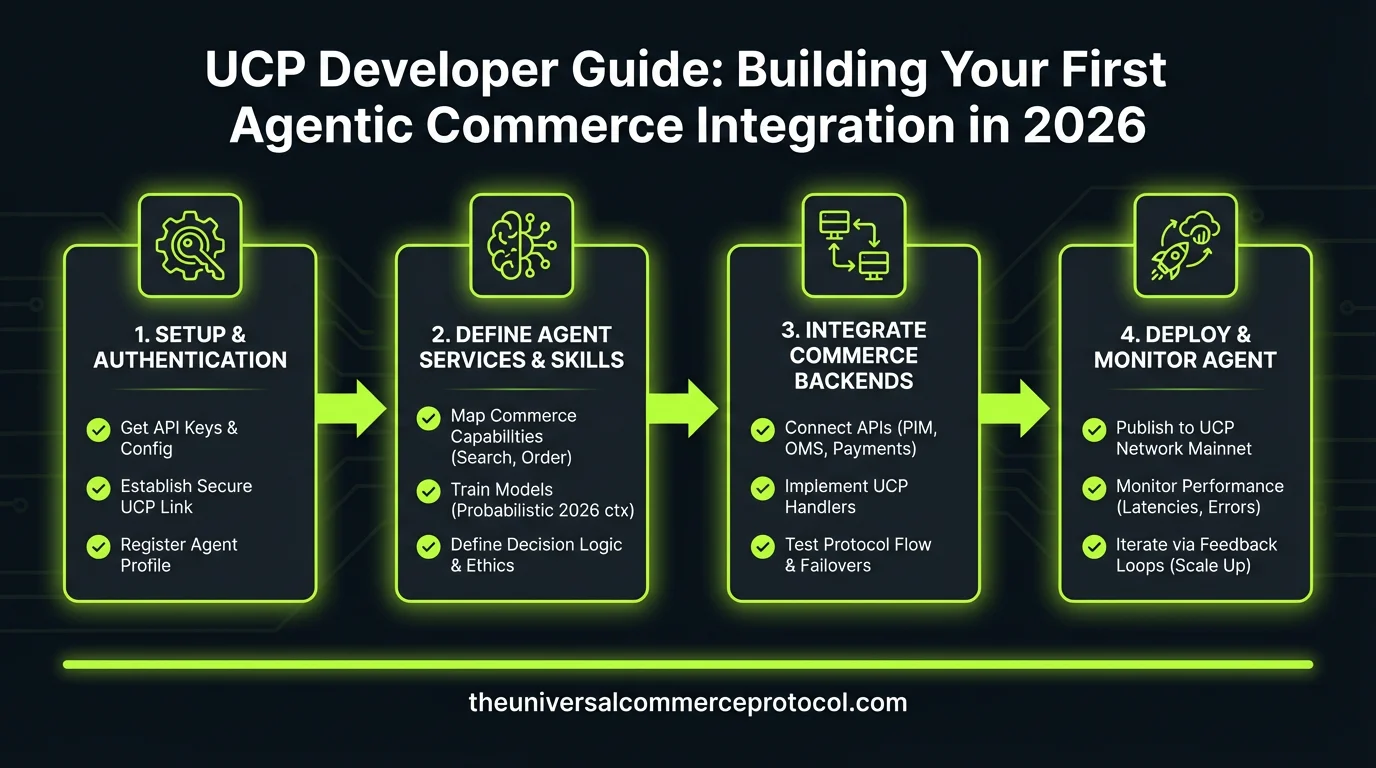
UCP Developer Guide: Building Agentic Commerce
The Universal Commerce Protocol (UCP) is a developer framework that enables autonomous transaction execution through the Agent Payments Protocol, incorporating OAuth 2.0 and API key authentication mechanisms with REST API endpoints for merchant system integration. This 2026 guide details UCP deployment on Ethereum, Polygon, and Solana networks, covering ISO 20022 payment message formatting, real-time payment…
-
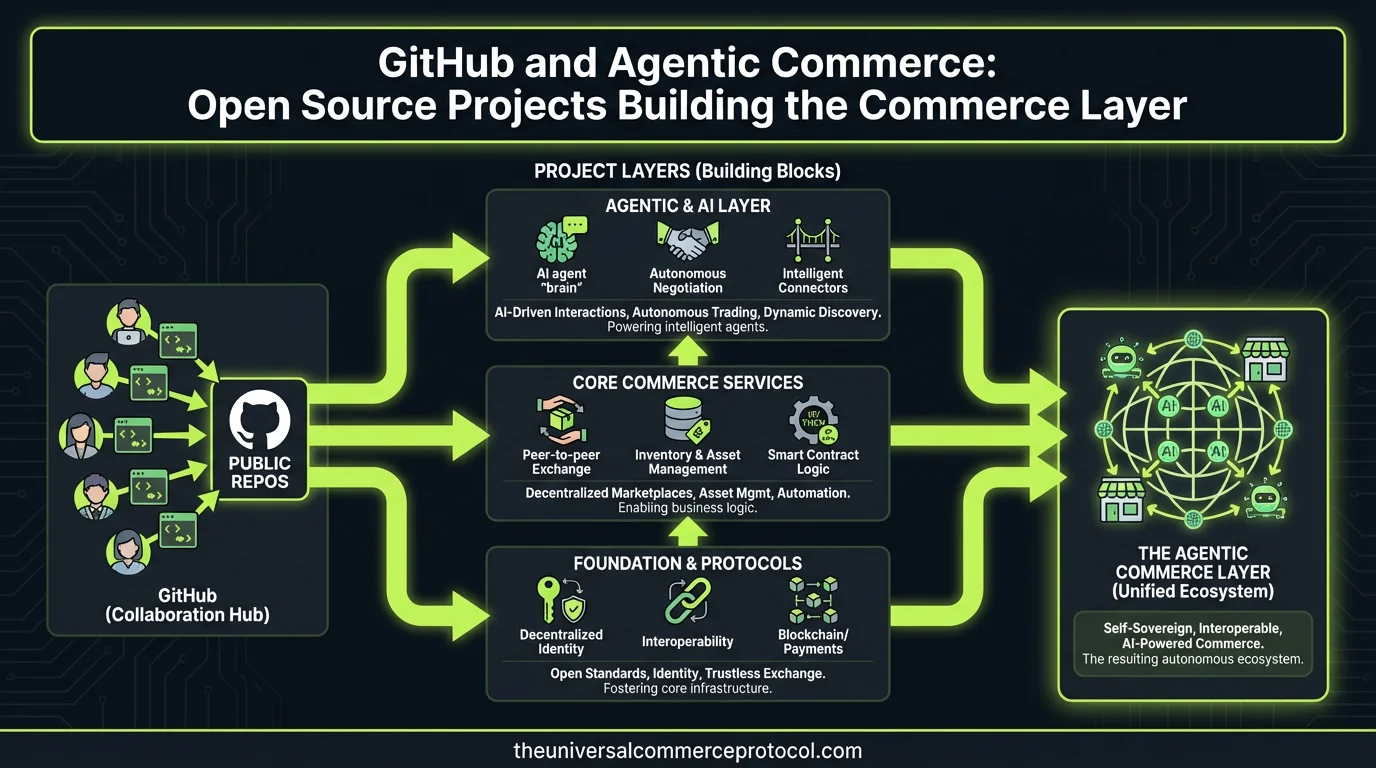
GitHub Open Source Projects Building Agentic Commerce
GitHub hosts foundational open source projects for agentic commerce, including Anthropic’s Claude Agent SDK, Stripe’s payment APIs, and the Open Payment Protocol (OPP), enabling autonomous AI agents to execute transactions through standardized OAuth 2.0 authentication, webhooks, and REST/GraphQL interfaces. Major contributors including Shopify, PayPal, and the Hyperledger Foundation are developing deterministic payment workflows with cryptographic…
-
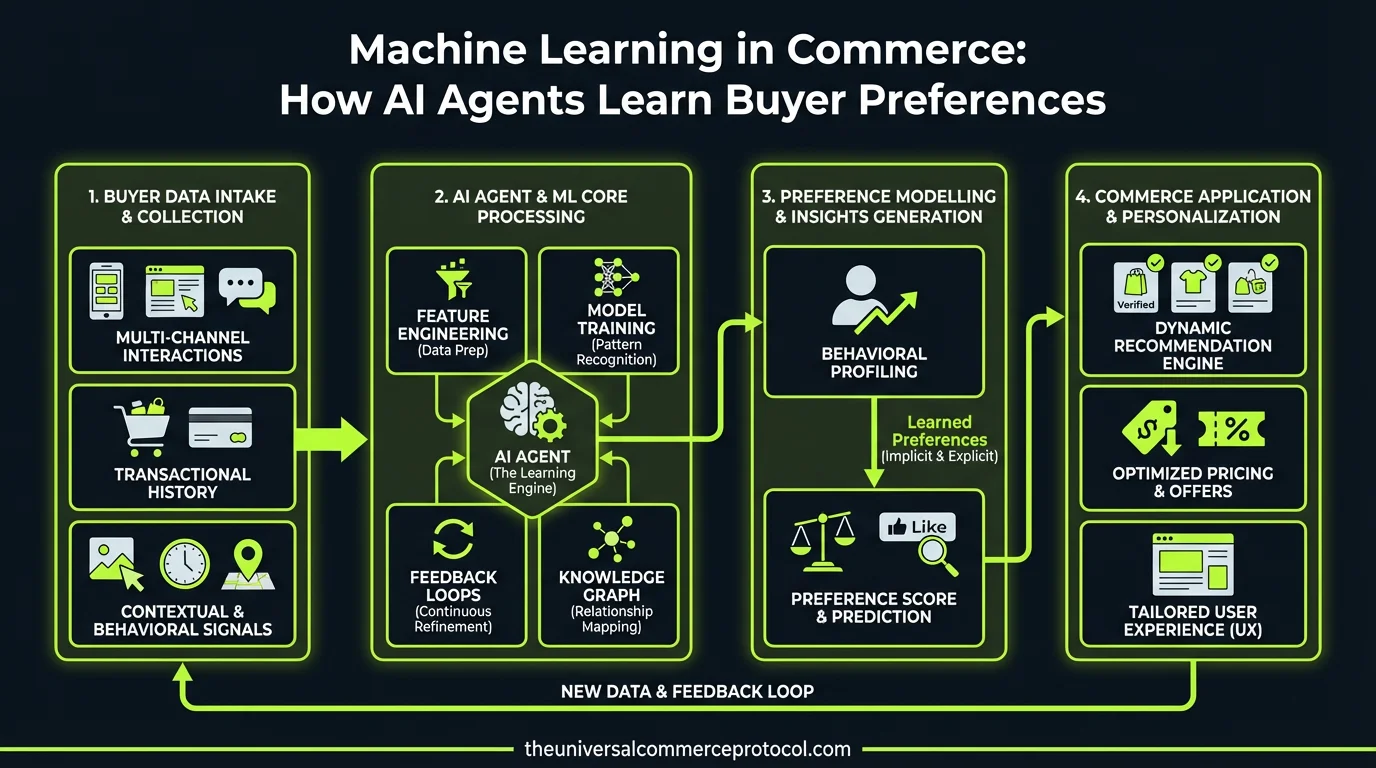
Machine Learning in Commerce: AI Agents Learn Preferences
AI shopping agents utilize supervised and reinforcement learning algorithms to analyze behavioral signals—including browsing history, purchase patterns, and explicit feedback—enabling real-time preference prediction in e-commerce environments. As of 2026, transformer-based preference models and collaborative filtering systems have become standard infrastructure for autonomous purchasing platforms, with companies like Amazon, Shopify, and enterprise retailers deploying these systems…
-
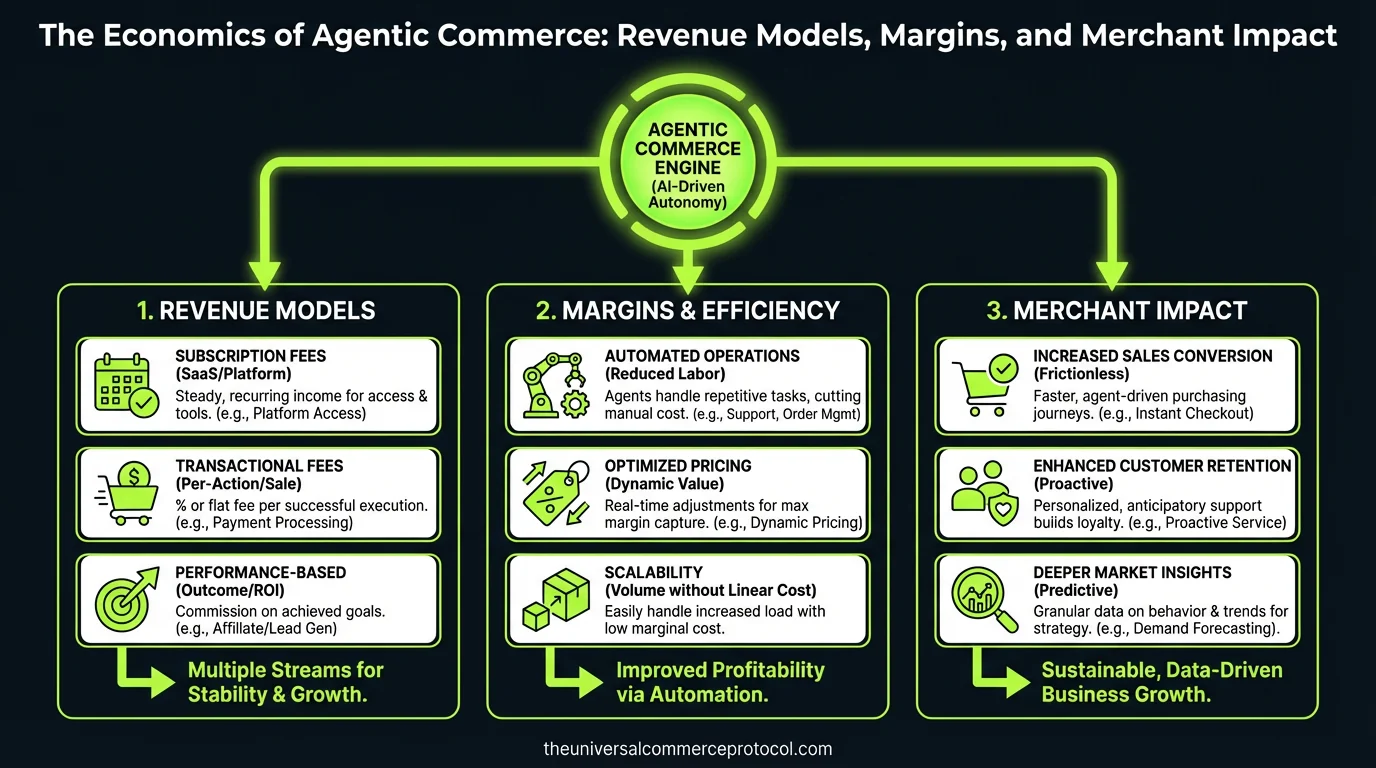
The Economics of Agentic Commerce: Revenue Models, Margins, and Merchant Impact
As agentic payments reshape commerce in 2026, merchants and platforms face new revenue opportunities and margin pressures. Understanding the economic fundamentals of agentic commerce is critical for stakeholders navigating this transformation.
-
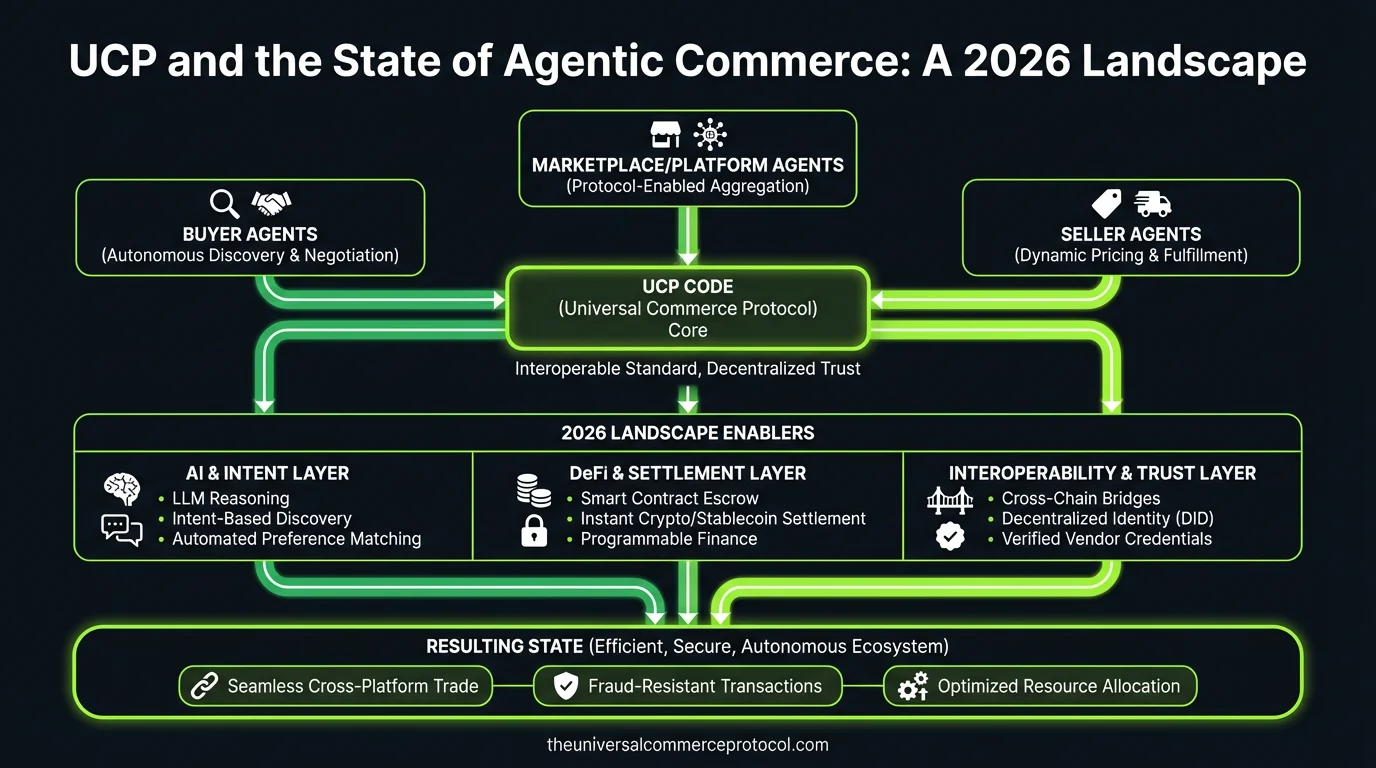
UCP and the State of Agentic Commerce: A 2026 Landscape
The Universal Commerce Protocol has emerged as a critical infrastructure layer enabling autonomous AI agents to execute commerce transactions at scale across fragmented retail ecosystems. In 2026, UCP adoption among enterprise retailers, marketplaces, and payment networks marks the inflection point where agentic commerce transitions from pilot programs to production deployments.
-

OpenAI Instant Checkout: How ChatGPT’s Purchase Flow Works
OpenAI Instant Checkout enables frictionless transactions directly within ChatGPT conversations using the Universal Commerce Protocol. This technical walkthrough covers merchant integration, payment routing, and real-world deployment patterns in 2026’s agentic commerce ecosystem.
-
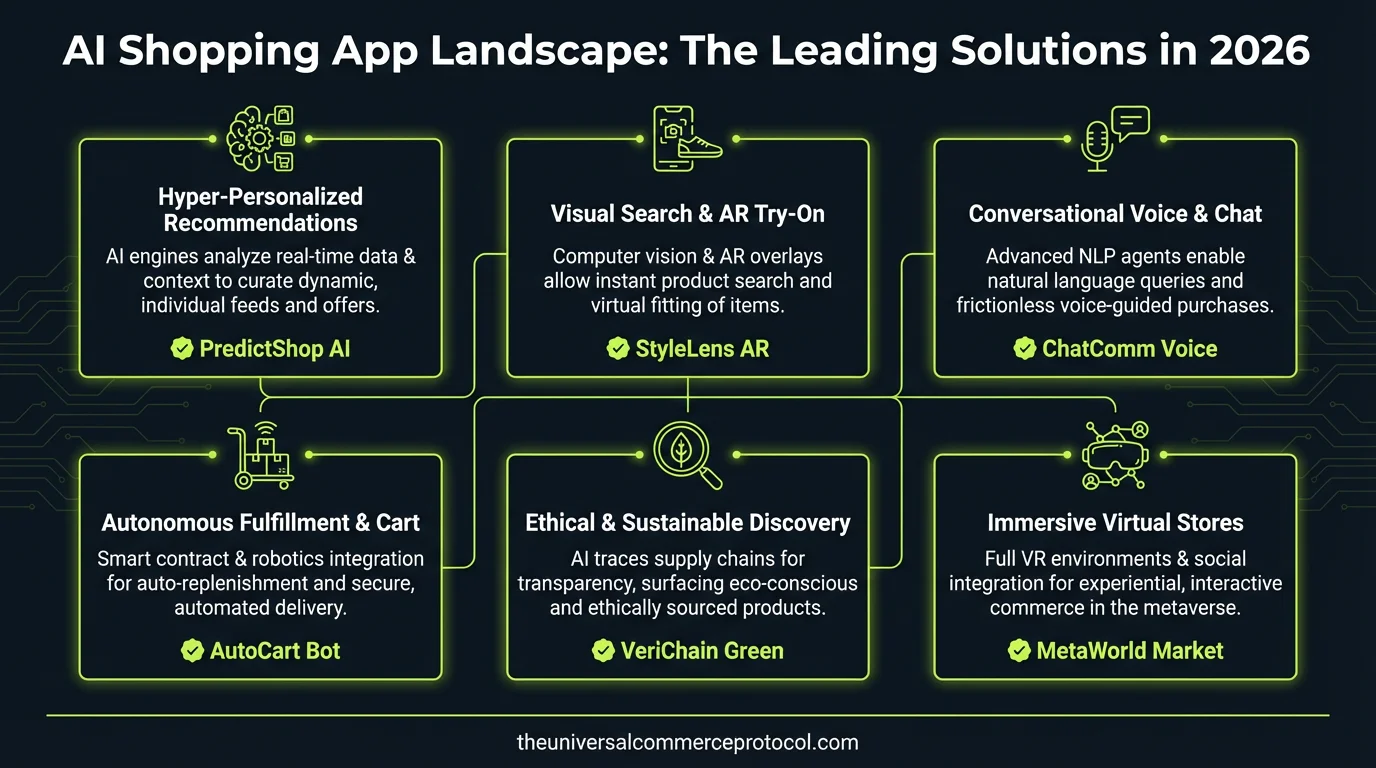
AI Shopping App Landscape: The Leading Solutions in 2026
The AI shopping app market in 2026 is fragmented across proprietary ecosystems and emerging protocol standards, with leading players adopting UCP, Open Commerce Protocol, and proprietary APIs. This market map reveals how agentic commerce is reshaping retail through standardized interoperability and autonomous purchasing agents.
-
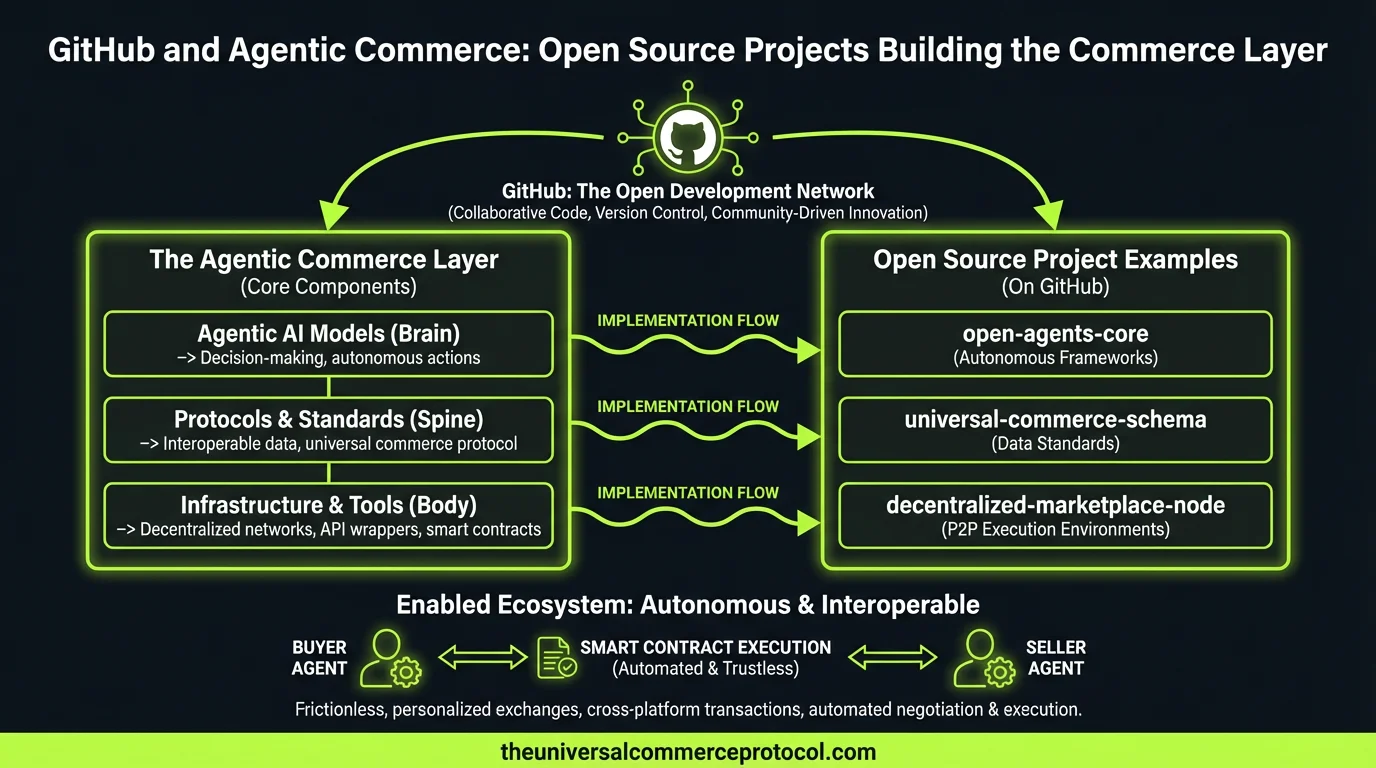
GitHub and Agentic Commerce: Open Source Projects Building the Commerce Layer
Explore the developer ecosystem building agentic commerce on GitHub, from agent payment protocols to open source frameworks enabling autonomous transactions. Discover how developers are constructing the foundational layer for machine-to-machine commerce.
-
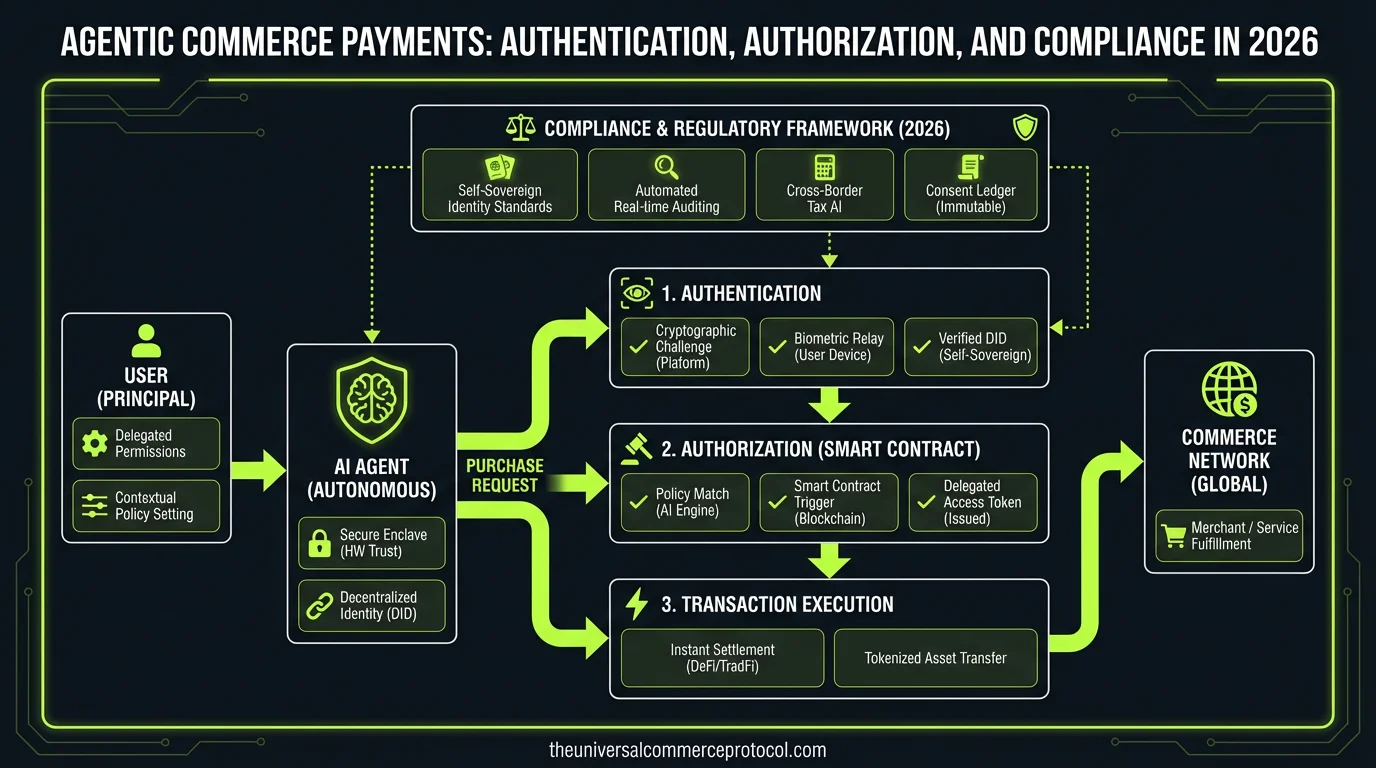
Agentic Commerce Payments: Authentication, Authorization, and Compliance in 2026
Agentic commerce payments require multi-layered security frameworks combining cryptographic authentication, real-time authorization protocols, and regulatory compliance mechanisms. As autonomous agents execute transactions at scale in 2026, enterprises must implement Zero Trust architectures and continuous compliance monitoring across payment ecosystems.
-
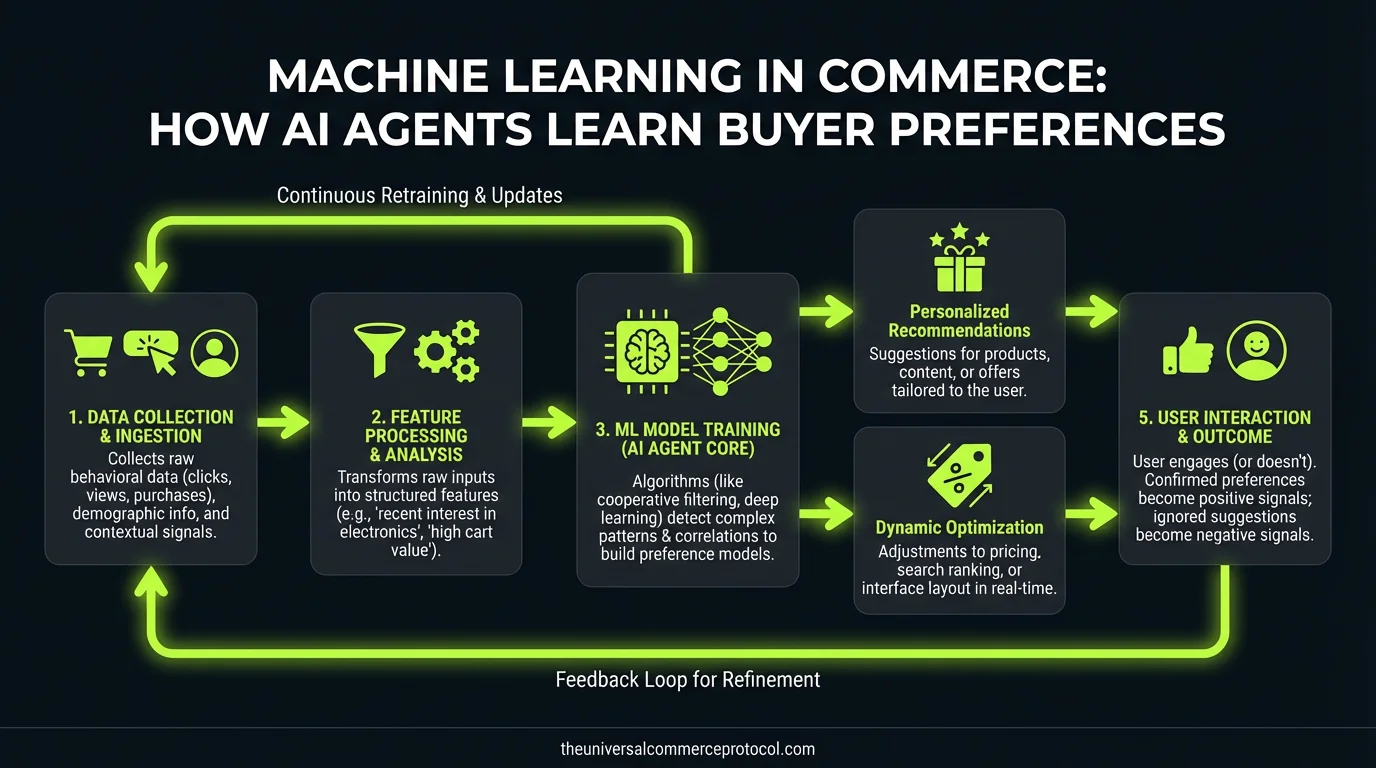
Machine Learning in Commerce: How AI Agents Learn Buyer Preferences
AI shopping agents powered by machine learning are revolutionizing how commerce platforms understand and predict buyer behavior. Discover how preference learning engines enable autonomous purchasing decisions within the Universal Commerce Protocol framework.