Tag: CTO Perspective
-
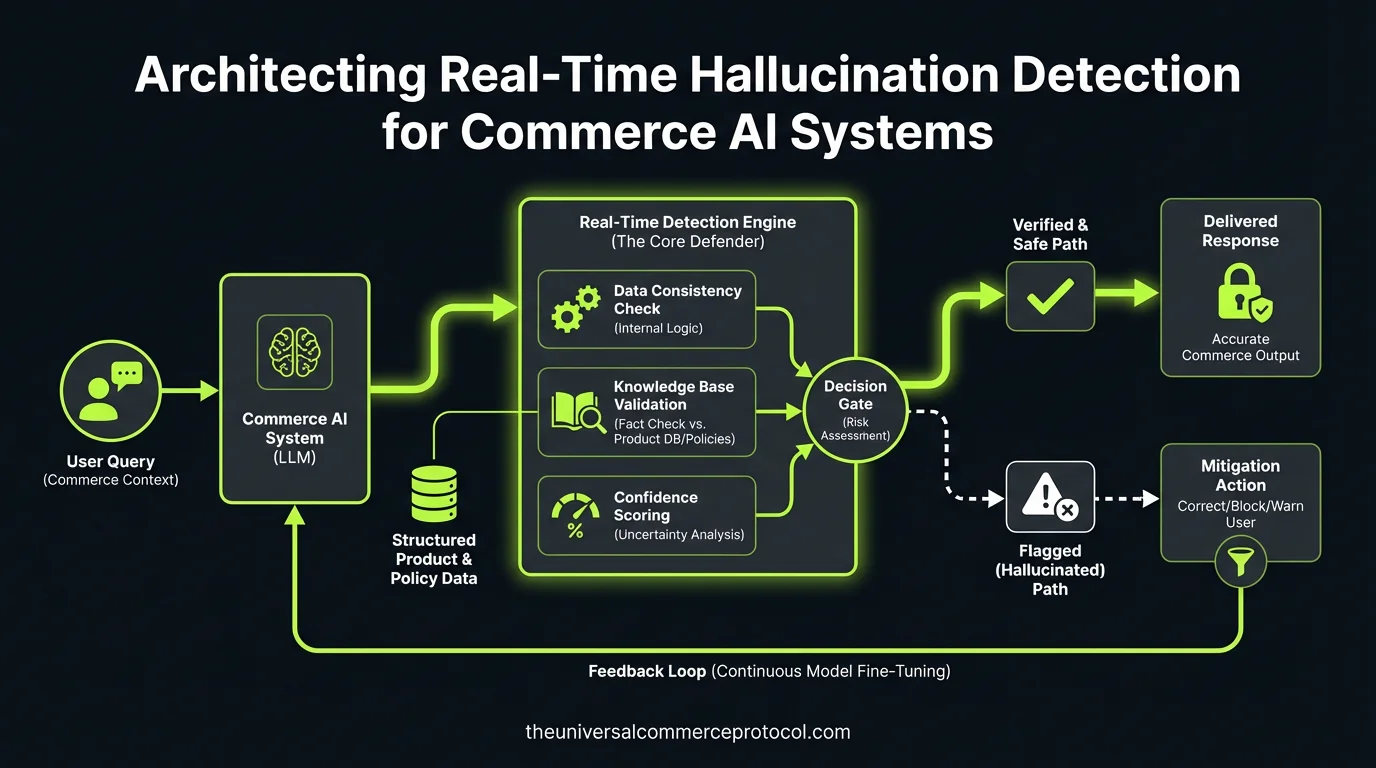
Architecting Real-Time Hallucination Detection for Commerce AI Systems
Technical blueprint for implementing three-layer hallucination detection in production commerce agents with
-
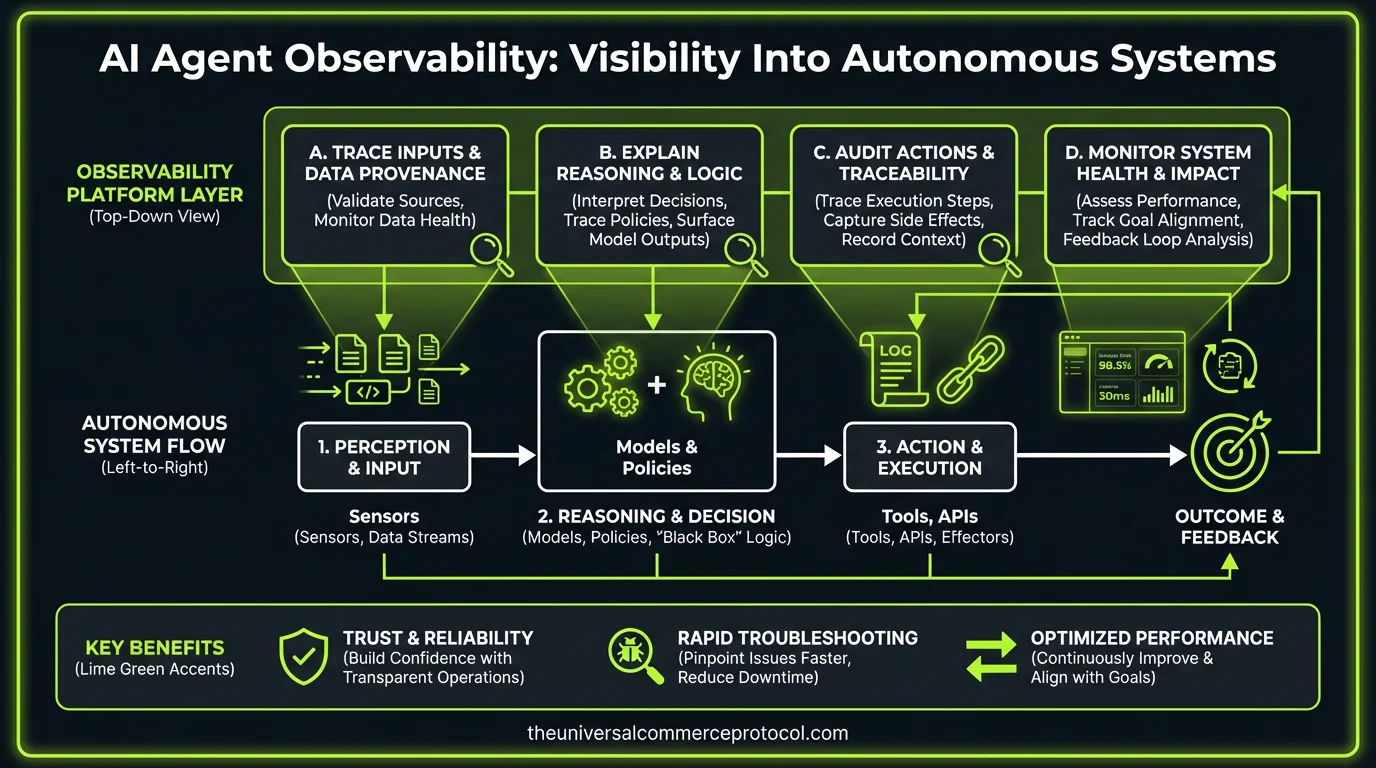
AI Agent Observability: Visibility Into Autonomous Systems
AI agent observability requires specialized monitoring architectures to capture decision-making traces, token consumption, and action sequences across large language models including OpenAI’s GPT-4 and GPT-4o, Anthropic’s Claude, and Meta’s Llama, since traditional APM platforms like Datadog, New Relic, and Dynatrace lack instrumentation for reasoning chains and ReAct pattern execution. Purpose-built observability platforms such as Langfuse,…
-
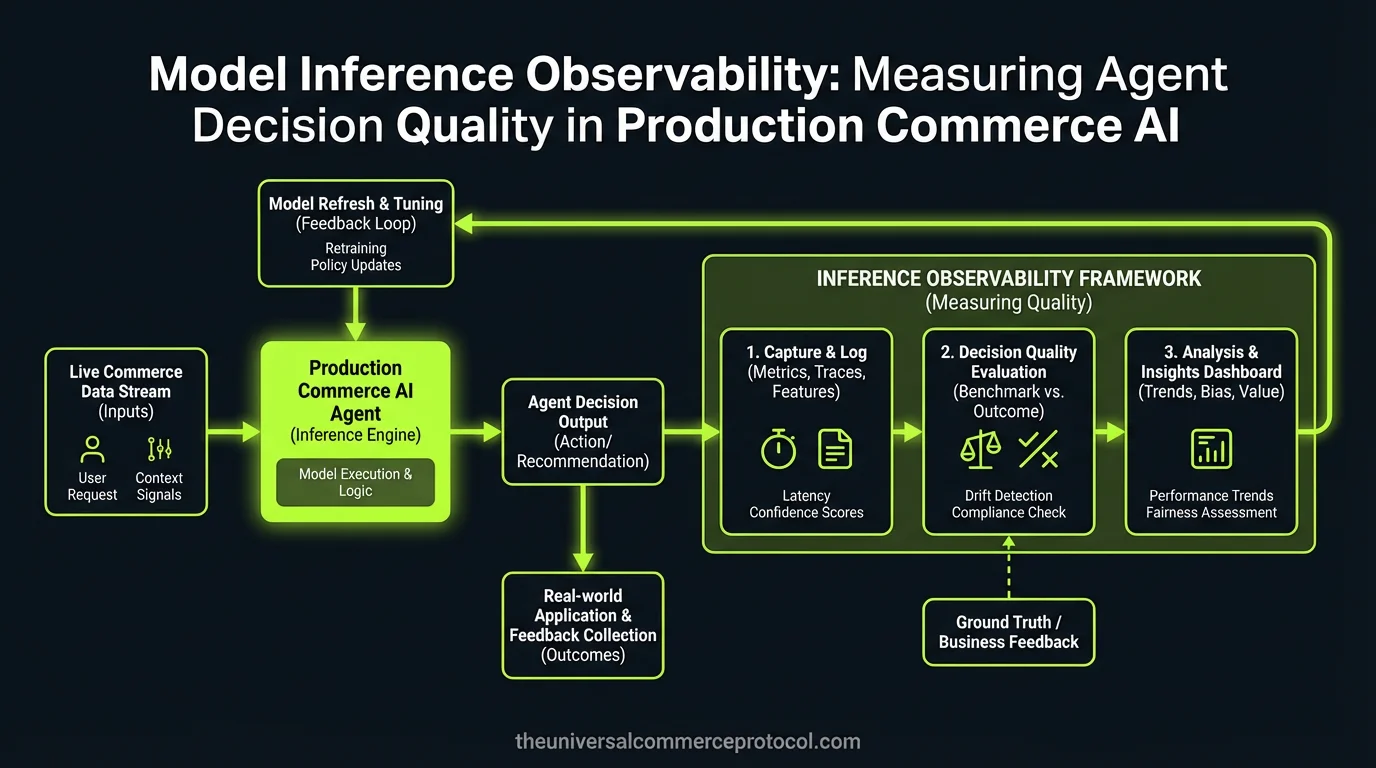
Model Inference Observability: Measuring Agent Decision Quality
Model inference observability encompasses semantic logging, latency measurement, and token-efficiency tracking for AI agents in production environments. Beyond infrastructure metrics like GPU utilization and request latency, decision quality measurement requires evaluation frameworks assessing hallucination rates, reasoning chain validity, and business outcome correlation. Organizations implementing comprehensive observability for large language model agents report 23-40% improvements in…
-
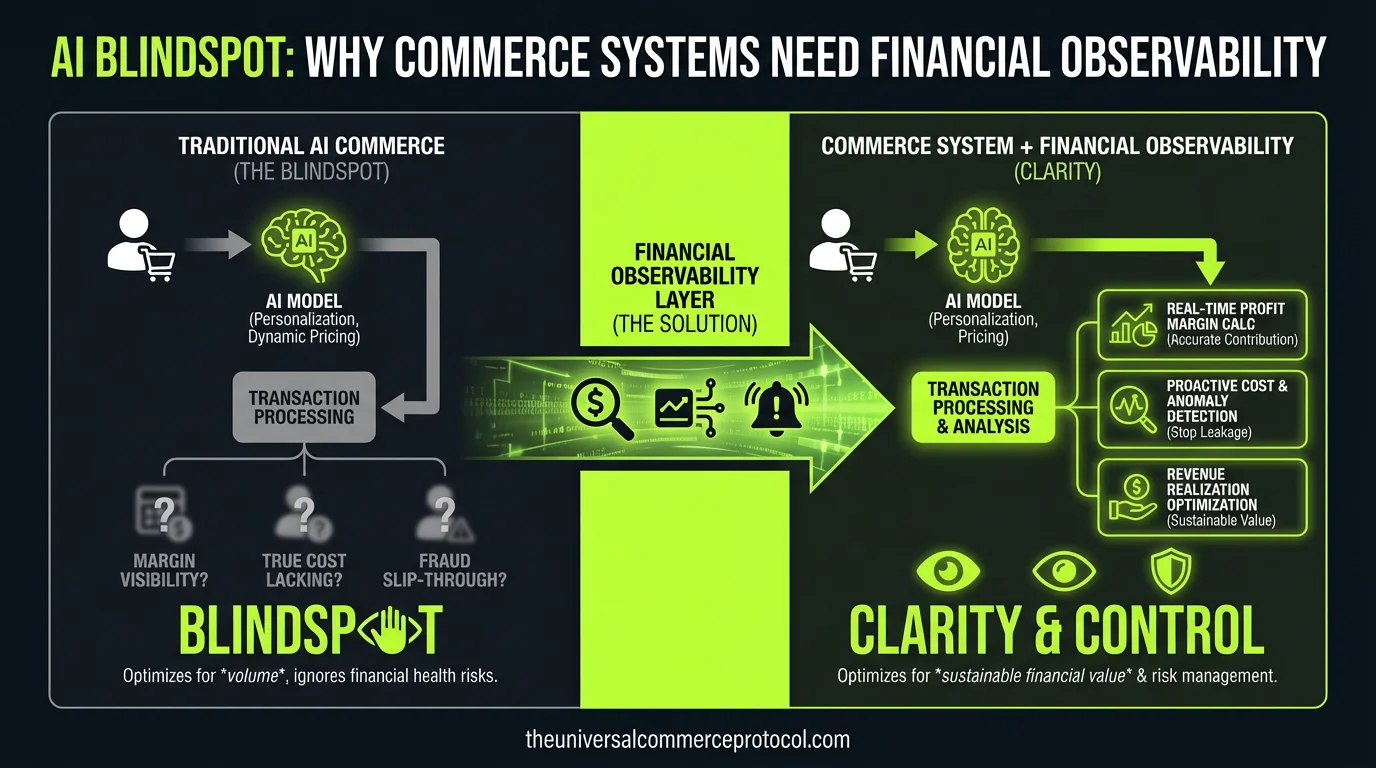
AI Blindspot: Why Commerce Systems Need Financial Observability
Enterprise CFOs implementing autonomous commerce agents on e-commerce platforms without financial-grade observability systems face estimated annual revenue leakage of $2,000,000 USD; mitigation requires real-time transaction monitoring, anomaly detection, and cryptographic audit trails aligned with FINOPS architectures and SOC 2 Type II compliance protocols. Financial services institutions employ AI governance standards to monitor agentic systems managing…
-
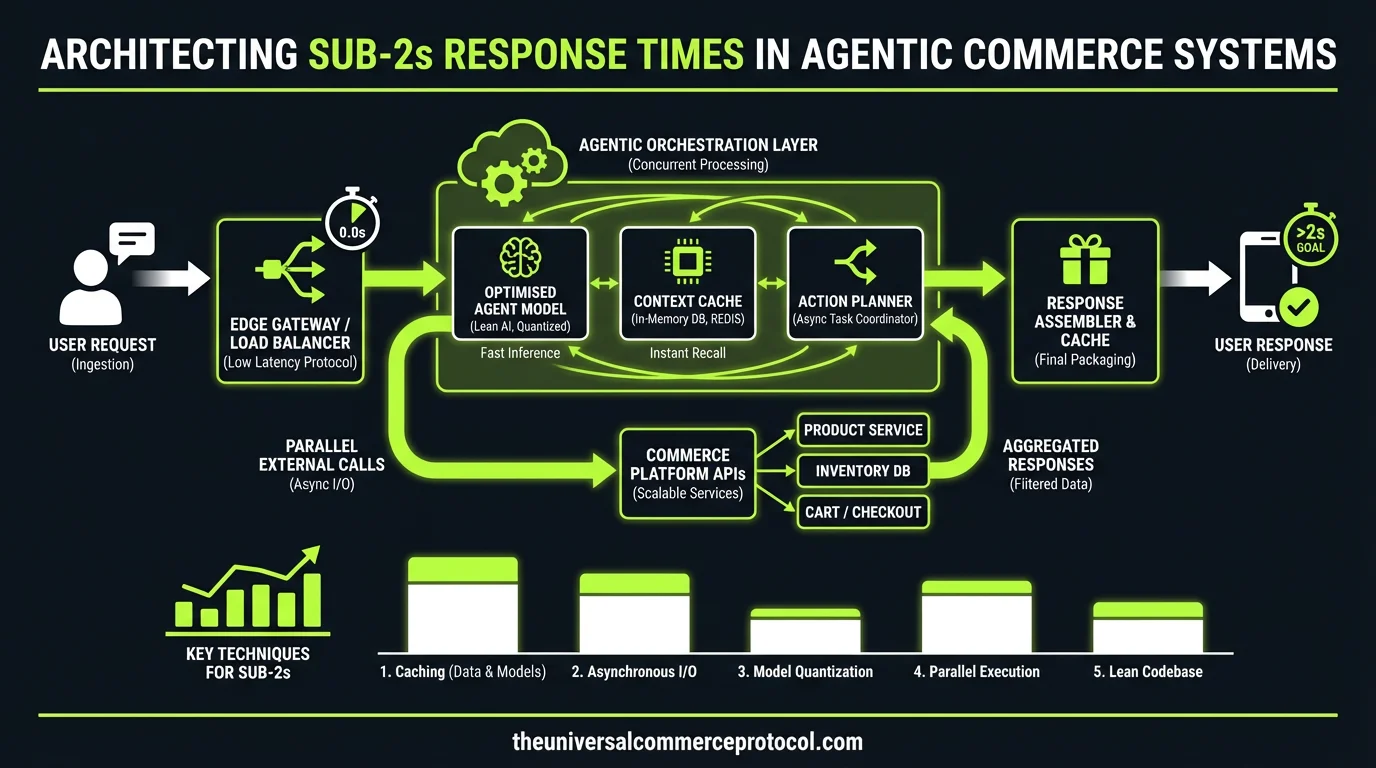
Sub-2s Response Times in Agentic Commerce Systems
Achieving sub-2-second response times in agentic commerce systems requires optimizing API gateway routing latency, vector database query performance (Pinecone, Weaviate, Milvus), and LLM token generation throughput via request batching and Redis caching layers. Production deployments on AWS Lambda, Google Cloud Run, and Kubernetes leverage asynchronous event-driven architectures with CDN edge nodes (Cloudflare, Fastly) to reduce…
-
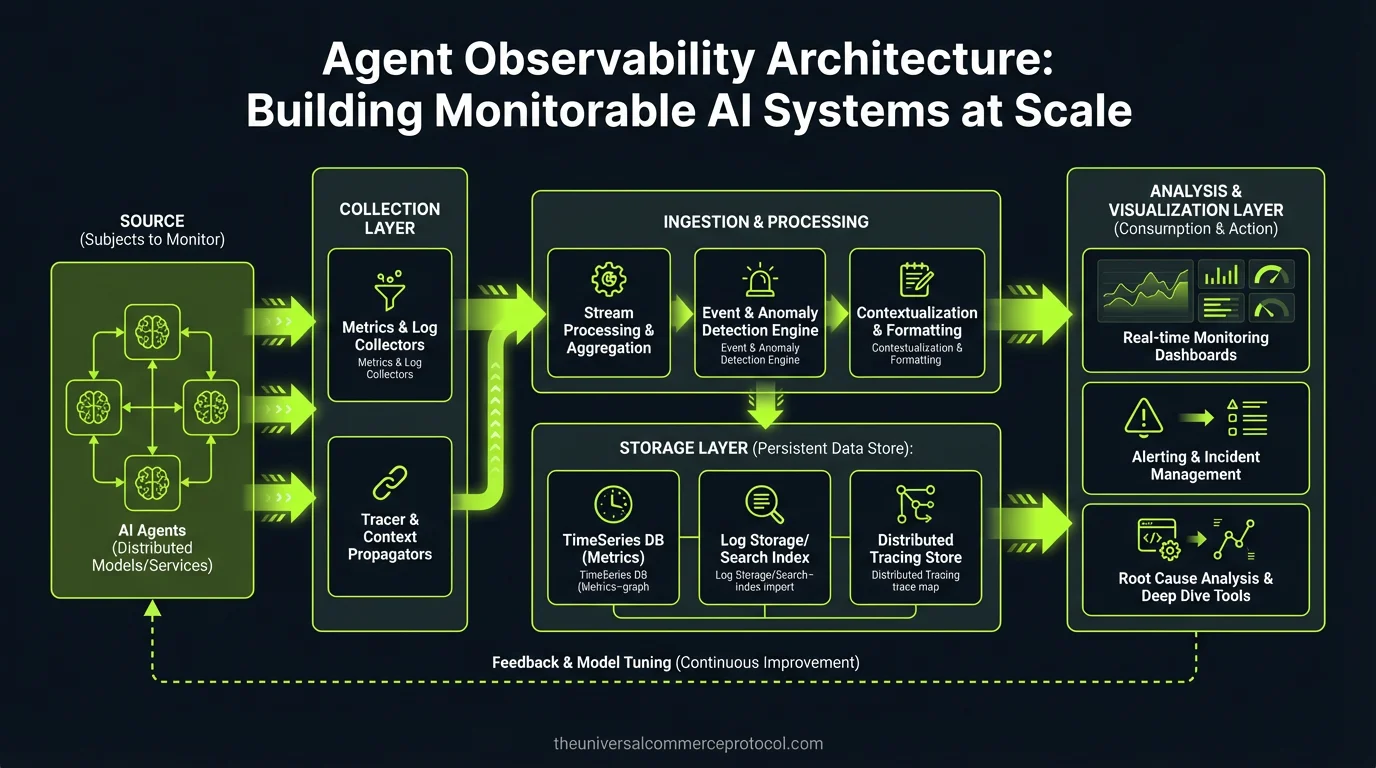
Agent Observability Architecture: Monitorable AI Systems
Enterprise AI agent systems operating in e-commerce, SaaS, and financial services sectors frequently lack comprehensive observability frameworks, forcing engineering teams at organizations like Anthropic, OpenAI, and AWS to implement post-deployment debugging practices for LLM-based decision trees and tool-use chains. Modern agentic architectures require structured logging of model invocations, token usage metrics, and tool call hierarchies…
-

Architecting Real-Time Observability for Agentic Commerce Systems: A Technical Implementation Guide
Build production-grade observability for commerce agents that tracks decision flows, state consistency, and business outcomes.
-

Voice Commerce API Architecture: UCP Integration Patterns for Enterprise
Technical deep-dive into UCP-compliant voice commerce architecture, API design patterns, and integration strategies for enterprise teams.
-

Architecting Cross-Border Payment Settlement for Agentic Commerce Systems
Engineering teams face complex architectural decisions when building autonomous payment systems that handle real-time FX, compliance, and multi-rail settlement.
-

Building Subscription Agent Architecture: Integration Patterns and Engineering Trade-offs
Technical blueprint for implementing subscription-aware agents in commerce systems with state management, retry logic, and churn prevention APIs.