“`html
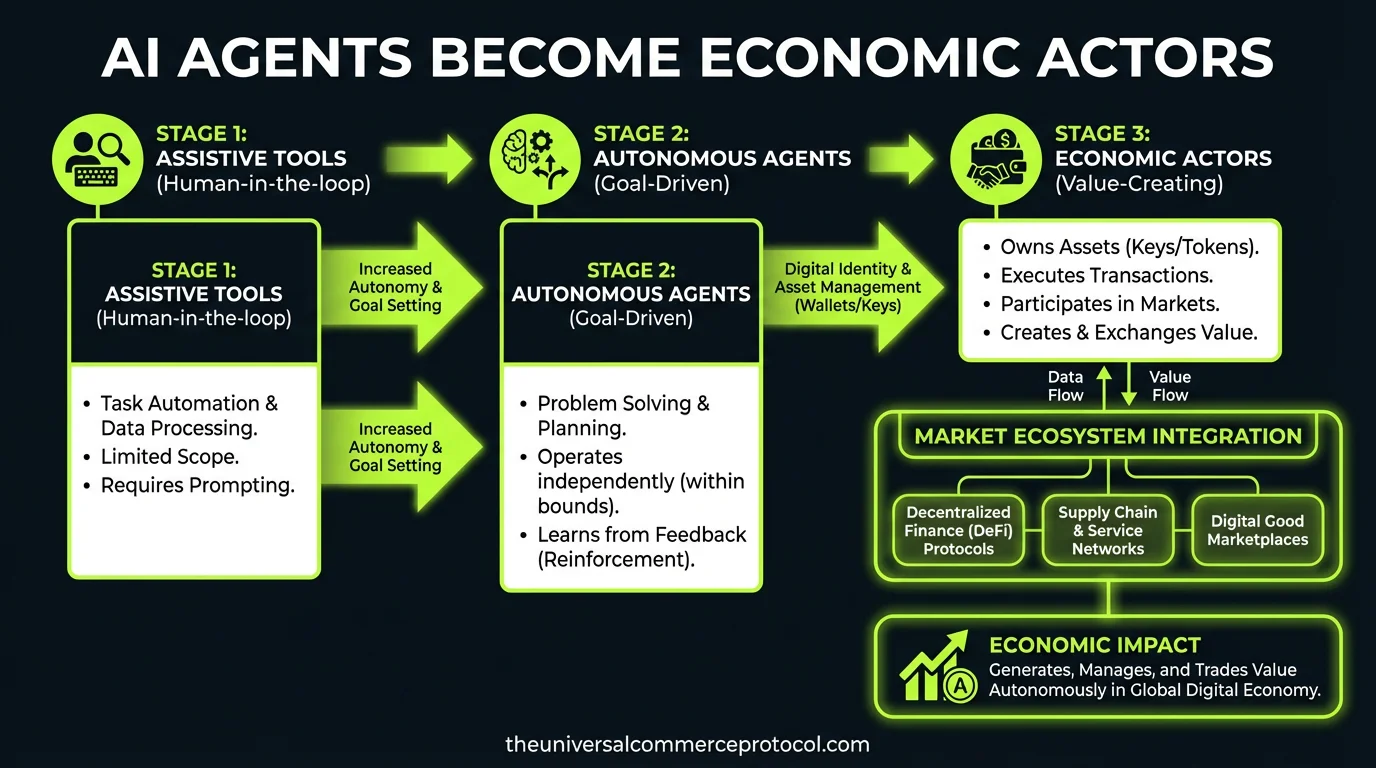
LONDON — Mastercard and Santander completed Europe’s first live end-to-end AI-executed payment this week, signaling a major step towards agentic commerce where AI agents act as economic actors. The transaction, executed entirely by AI, underscores the growing sophistication and practical application of AI in financial transactions.
This development signals a significant shift in the retail landscape, requiring merchants and developers to adapt to new standards and APIs. “”I would say this is one of the biggest retail transformations we will see,” says Simon Forbes, division president, UK and Ireland at Mastercard”. The move also necessitates careful consideration of data control and customer ownership in this evolving environment.
Mastercard Sets the Rules
Mastercard is proactively establishing rules and compliance measures to ensure accountability in agentic commerce. The company plans to require AI agents to register with them to operate online, creating a framework for oversight and responsible AI deployment. This initiative aims to build trust and security as AI-driven transactions become more prevalent.
The registration process will likely involve verifying the AI agent’s purpose, data handling practices, and adherence to ethical guidelines. Mastercard’s move is intended to prevent fraud and misuse of AI in financial transactions.
Amazon’s Agent Policy Takes Shape
Amazon is also implementing stricter policies for AI tools and automation operating on its platform. The company’s new Agent Policy, part of its Business Solutions Agreement, mandates compliance for all AI tools by March 4, 2026. This includes adherence to data privacy regulations and responsible use of customer information.
Amazon also indefinitely delayed the implementation of SP-API fees as of March 9, 2026. The company’s CEO anticipates future partnerships with third-party AI shopping agents, indicating a strategic focus on integrating AI into the shopping experience.
Navigating the AI Commerce Landscape
The rapid evolution of agentic commerce presents both opportunities and challenges for developers and merchants. They must adapt to new standards, APIs, and partnership opportunities while navigating the complexities of data control and customer ownership. The ability to harness AI effectively will be crucial for success in this emerging landscape.
Background: Agentic commerce involves AI systems managing multiple stages of a shopping journey, from product discovery to purchase, with minimal human intervention. Major players like Amazon, Google, and OpenAI are investing heavily in this area, leading to rapid evolution and increasing complexity for developers and merchants.
“`html
Frequently Asked Questions
An AI-executed payment is a transaction where artificial intelligence agents autonomously initiate and complete financial transfers without human intervention. This represents a significant advancement in how financial transactions can be processed and settled in real-time.
Mastercard and Santander completed Europe’s first live end-to-end AI-executed payment, marking a milestone in demonstrating that AI agents can function as independent economic actors capable of conducting actual financial transactions in a production environment.
When AI agents become economic actors, they gain the ability to independently participate in economic transactions, make financial decisions, and conduct business activities. This shift enables AI systems to operate as autonomous participants in the economy rather than merely supporting human decisions.
“`
Frequently Asked Questions
What is the Universal Commerce Protocol (UCP)?
The Universal Commerce Protocol (UCP) is an open standard developed to enable AI agents to autonomously conduct commerce transactions across any platform.
How does UCP enable agentic commerce?
UCP provides standardized APIs and protocols so AI agents can discover products, negotiate terms, and complete purchases without human intervention, working across any compatible commerce platform.
Why should businesses implement UCP?
UCP adoption reduces integration costs, opens revenue channels to AI-driven buyers, and future-proofs commerce infrastructure as agentic purchasing becomes mainstream.
Leave a Reply