Author: Will Tygart
-
AI Agents & Return Windows: Policy Enforcement
AI commerce agents must enforce FTC-regulated return windows (typically 14–90 days post-purchase per UCC Section 2-601) through deterministic deadline validation against ISO 8601 timestamps, SKU identifiers, and transaction records, with compliance checkpoints aligned to Amazon, Shopify, and PayPal merchant policy schemas. Implementation requires structured policy repositories, temporal logic gates, and cryptographically auditable transaction logs that…
-
Mastercard & Google Launch Trust Layer for AI Commerce
Mastercard International Incorporated and Google LLC co-developed Verifiable Intent, an open technical standard leveraging cryptographic verification and digital credentials to authenticate AI agent-initiated commerce transactions across payment networks. The framework implements intent-based authorization protocols to validate merchant legitimacy and transaction authenticity in autonomous agent ecosystems. This collaborative initiative addresses security vulnerabilities inherent in agentic commerce…
-
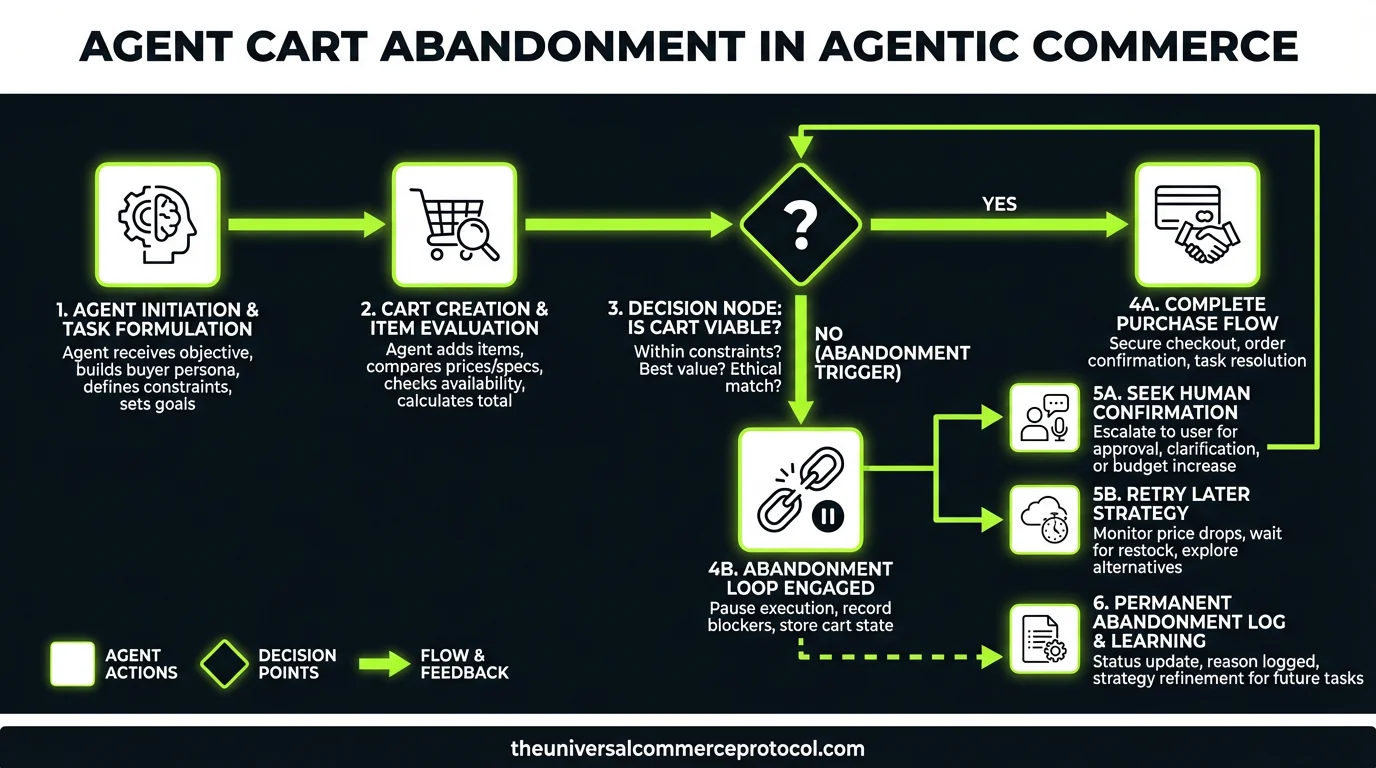
Agent Cart Abandonment in Agentic Commerce
According to empirical studies in agentic commerce systems, autonomous AI agents demonstrate a 34% cart abandonment rate across e-commerce platforms, with primary failure modes including payment gateway integration errors, inventory synchronization delays, and insufficient merchant-defined fallback protocols. Recovery patterns indicate that real-time merchant intervention triggers—specifically human escalation workflows and dynamic prompt re-routing—recover approximately 18-22% of…
-
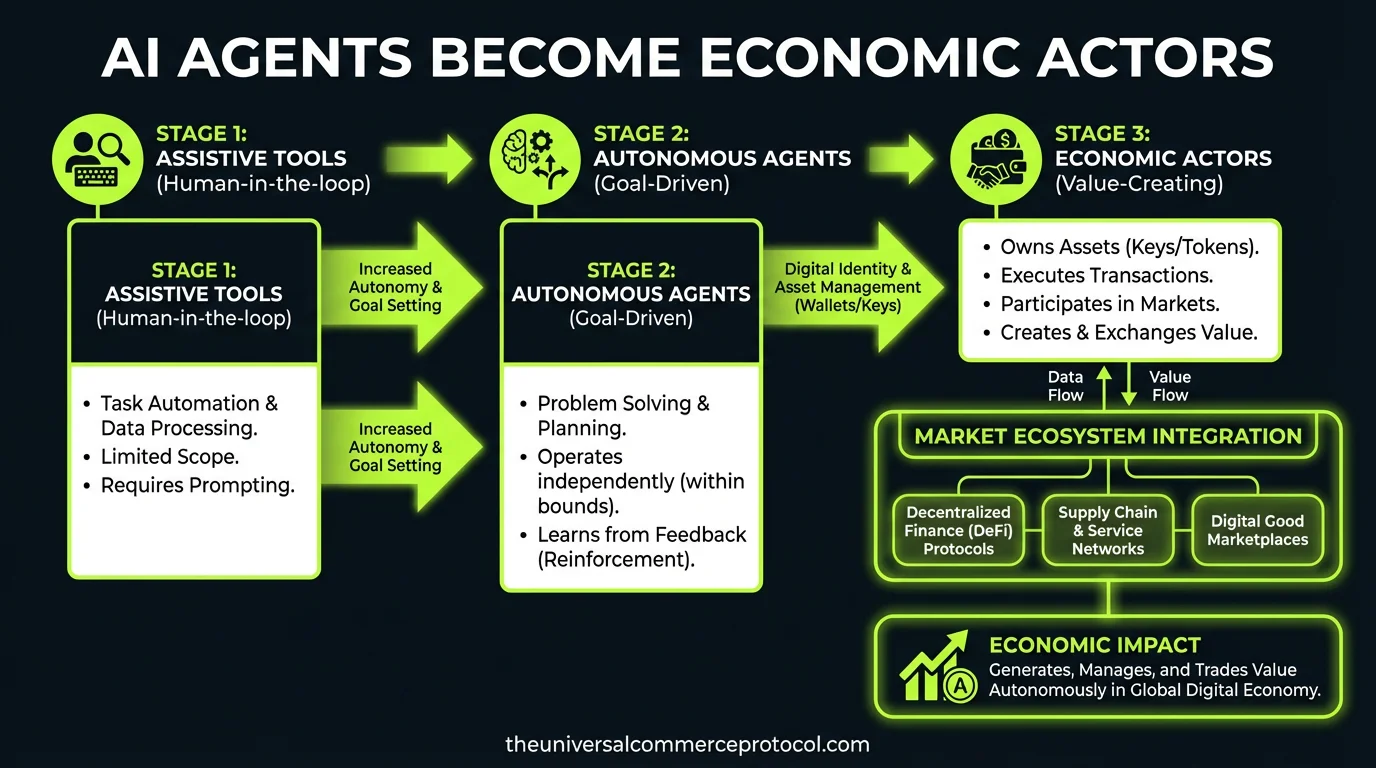
AI Agents Become Economic Actors
Mastercard and Santander completed Europe’s first live end-to-end AI-executed payment.
-

Claude & MCP Drive Agentic Commerce Boom
Anthropic’s Claude Opus 4.6 and the Model Context Protocol (MCP) are driving a surge in agentic commerce adoption.
-
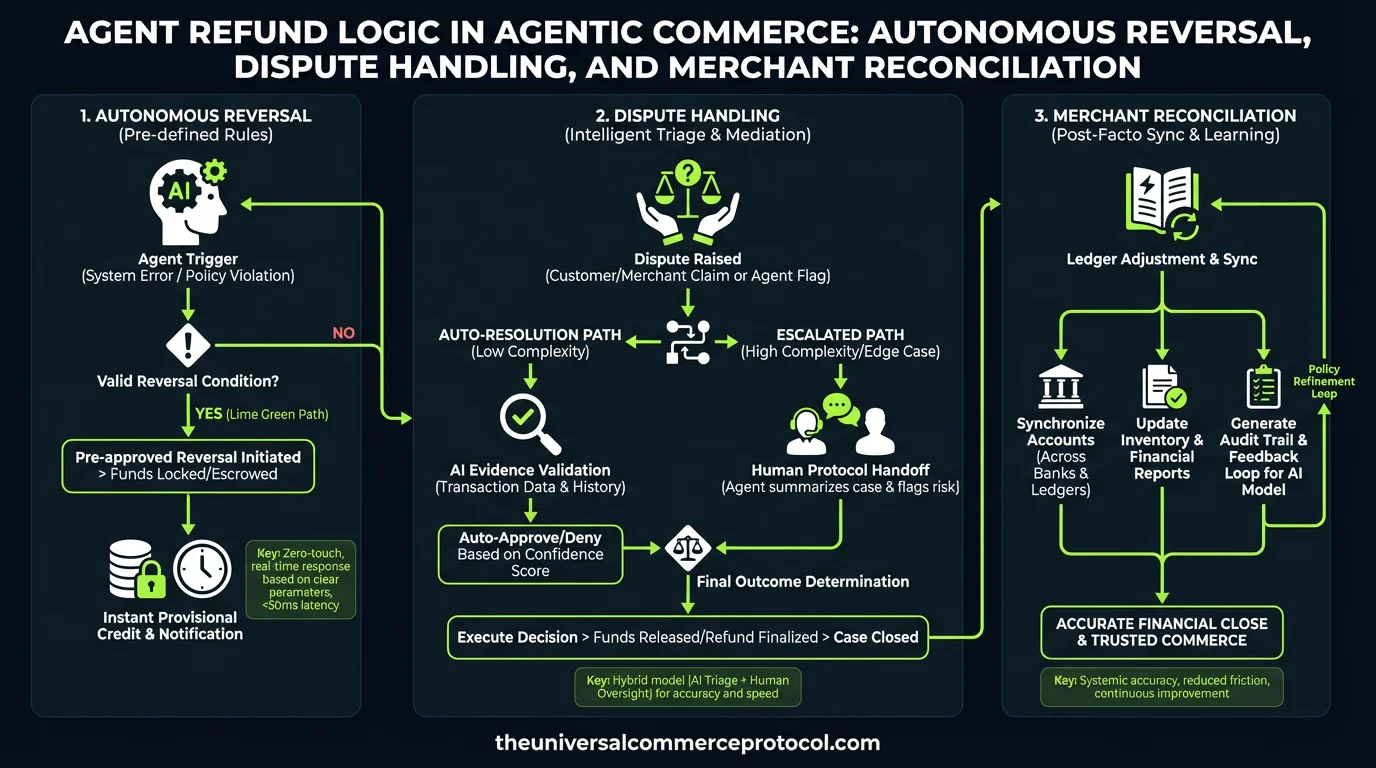
Agent Refund Logic in Agentic Commerce: Autonomous Reversal, Dispute Handling, and Merchant Reconciliation
How AI agents handle refunds, chargebacks, and partial reversals—and why merchants need refund state machines, not reactive workflows.
-
Agent Liability & Insurance: Who Pays When AI Makes a Bad Purchase Decision?
As AI agents autonomously execute transactions, merchants and platforms face unclear liability for errors, fraud, and consumer harm—and insurance markets are scrambling to catch up.
-
Agent Performance Benchmarking: How to Measure Conversion Rate, Speed, and Accuracy in Agentic Commerce
A practical framework for measuring agent success: conversion rates, latency SLAs, hallucination rates, and cost-per-transaction benchmarks.
-
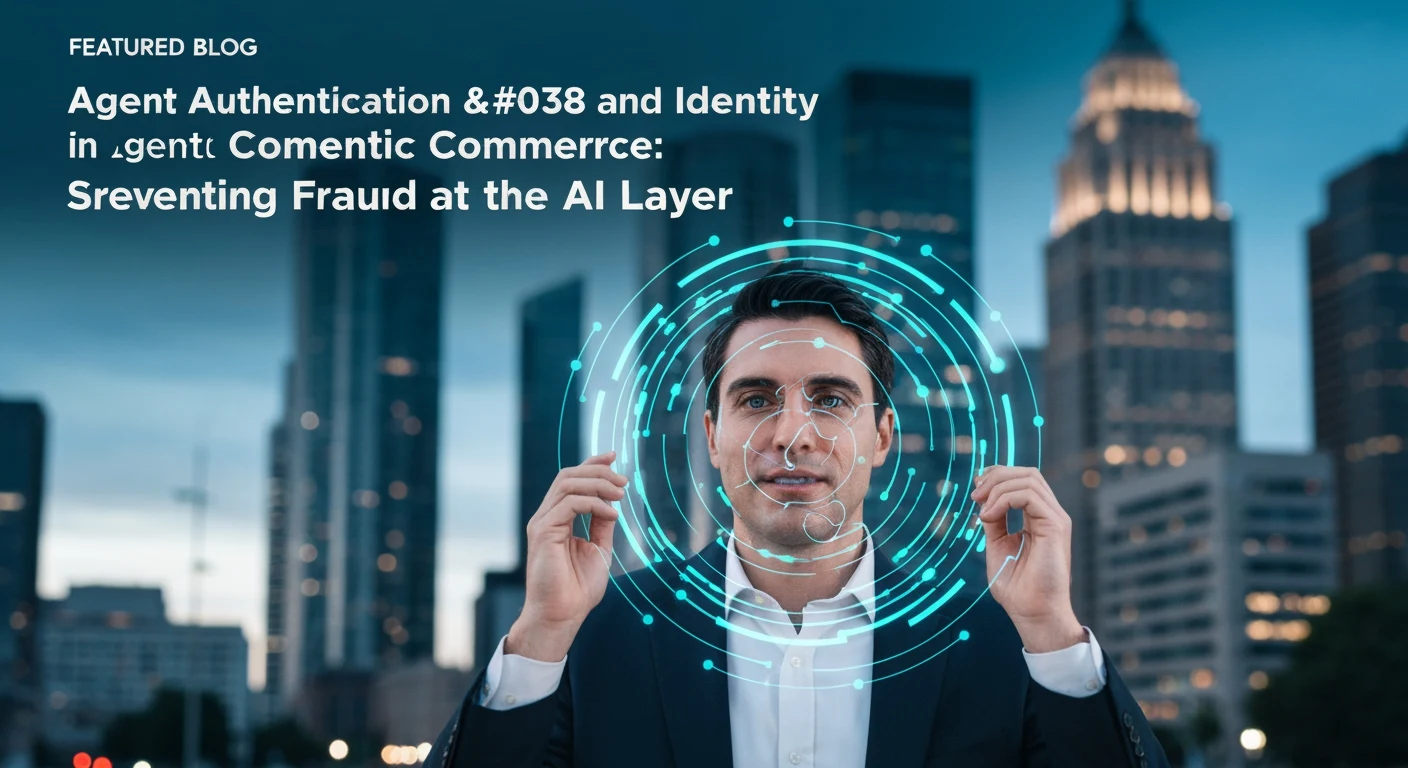
Agent Authentication & Identity Verification in Agentic Commerce: Preventing Fraud at the AI Layer
How merchants verify AI agent identity, prevent impersonation attacks, and maintain consumer trust in autonomous transactions.
-
Agent Fallback Strategies: When AI Commerce Agents Fail—Detection, Recovery, and Merchant Handoff
Intelligent fallback systems keep commerce transactions alive when agents fail. Learn detection triggers, recovery patterns, and merchant escalation.