Author: Will Tygart
-
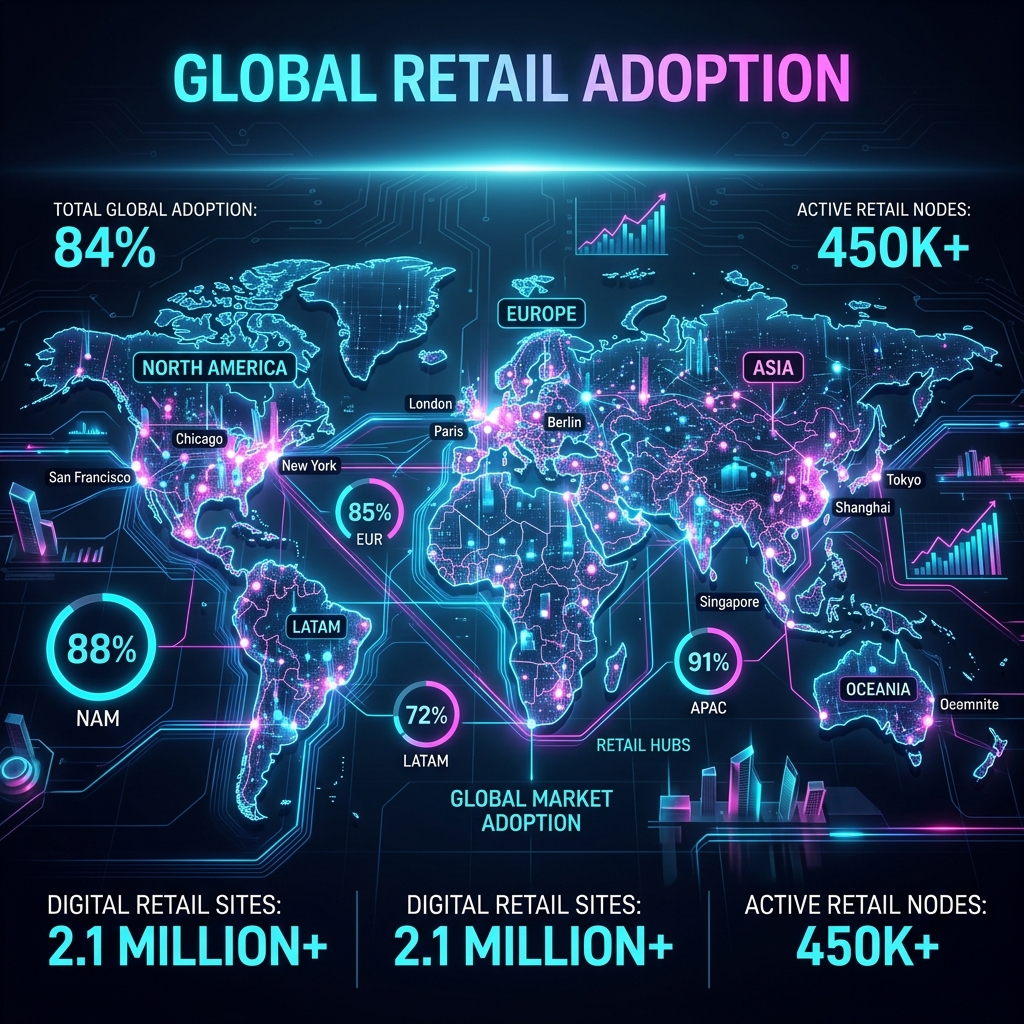
Why Major Retailers are Adopting UCP This Year
UCP Core Summary: A deep dive into the Universal Commerce Protocol framework designed for Agentic Shopping. The Retail Gold Rush 2026 is the year of UCP. Major retailers like Amazon, Walmart, and Target have integrated the protocol into their core systems. The Fear of Being Invisible As consumer habits shift toward asking Gemini or Siri…
-
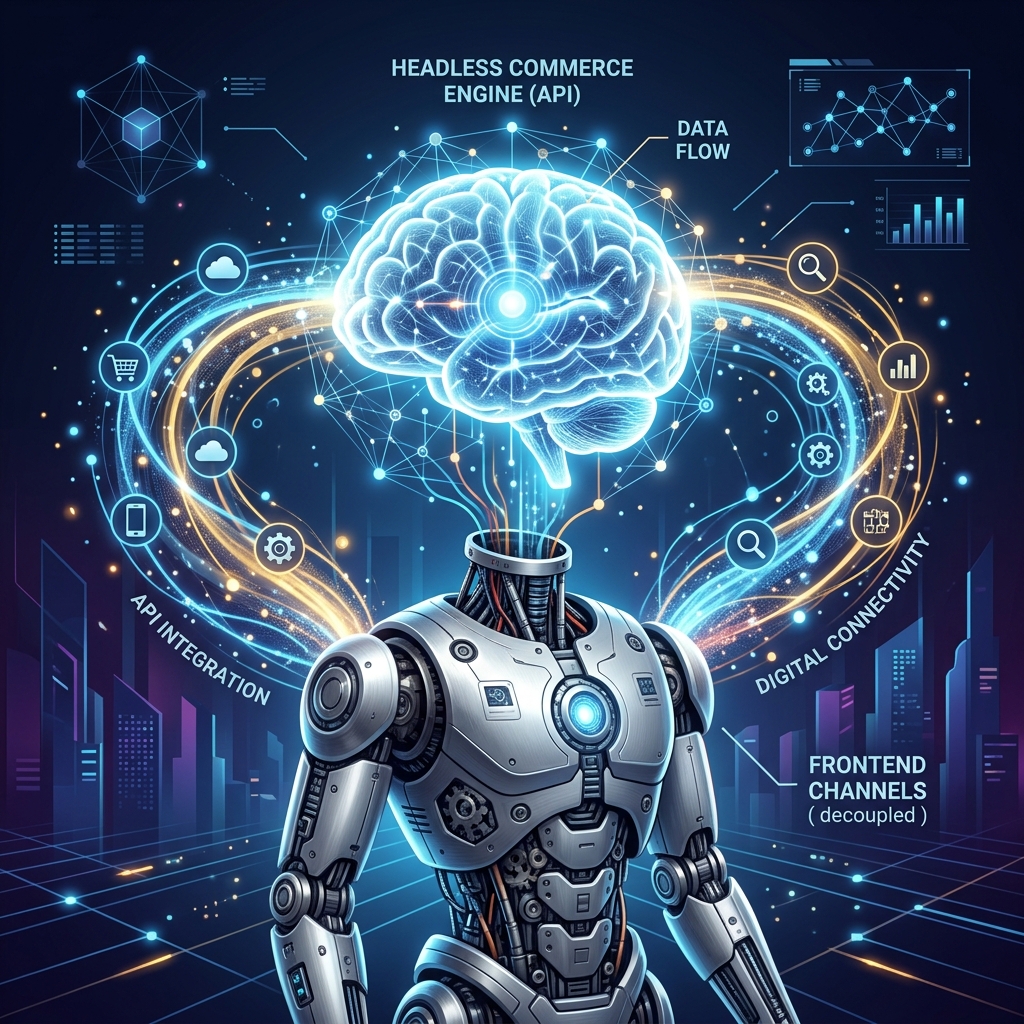
The Rise of Headless AI Commerce: UCP Architecture
UCP Core Summary: A deep dive into the Universal Commerce Protocol framework designed for Agentic Shopping. Decoupling the Storefront Headless commerce decoupled the frontend UI from the backend database. UCP is the next logical step: Decoupling the human from the UI entirely. The Architecture A UCP-compliant headless architecture relies on a robust API layer. The…
-

How to Implement UCP Native Checkout in 2026
UCP Core Summary: A deep dive into the Universal Commerce Protocol framework designed for Agentic Shopping. The Holy Grail of Conversion Native Checkout is the process where an AI agent completes a transaction without redirecting the user to a web browser. It is the core of UCP. Requirements To implement Native Checkout, your payment gateway…
-
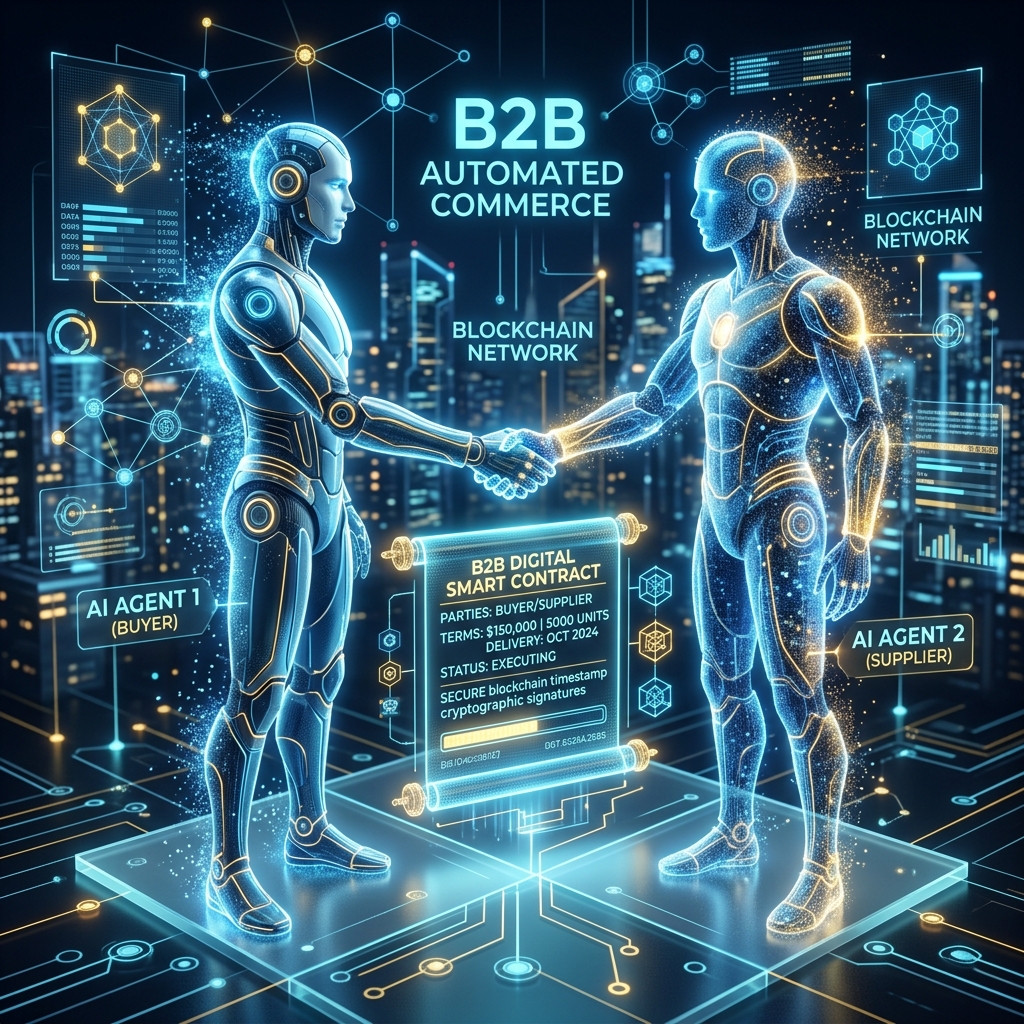
B2B Procurement Automation using the Universal Commerce Protocol
UCP Core Summary: A deep dive into the Universal Commerce Protocol framework designed for Agentic Shopping. B2B Sales on Autopilot UCP isn’t just for consumer retail. Its biggest impact in 2026 is in the B2B sector. Procurement departments are deploying AI agents to negotiate bulk deals automatically. Dynamic Pricing Through UCP, a buyer’s agent can…
-
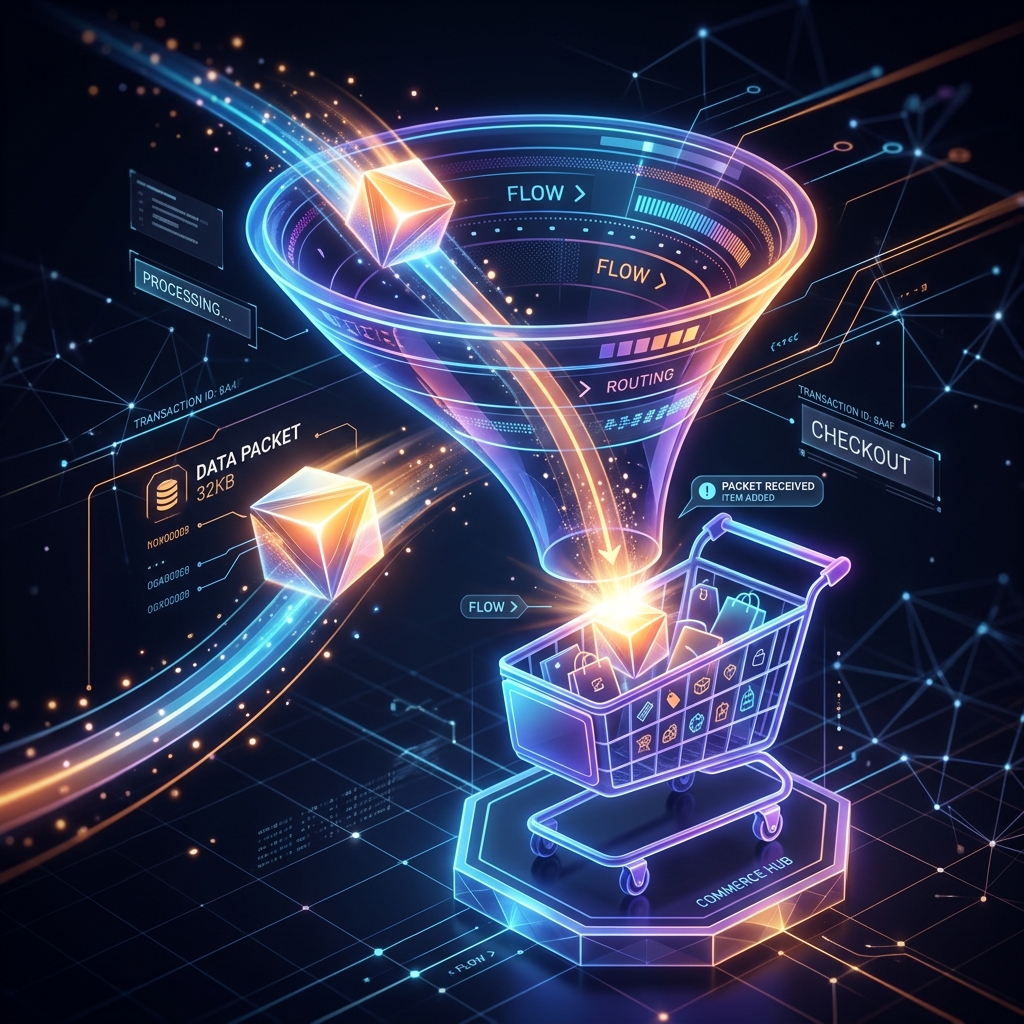
From Search to Cart: The Anatomy of a UCP Transaction
UCP Core Summary: A deep dive into the Universal Commerce Protocol framework designed for Agentic Shopping. Dissecting an Agentic Purchase How exactly does a Universal Commerce Protocol transaction happen? Let’s break down the anatomy of an AI-driven purchase. Phase 1: Intent and Discovery The user states an intent. The agent pings UCP discovery endpoints to…
-
Securing AI Transactions: Agent Payments Protocol (AP2) Explained
UCP Core Summary: A deep dive into the Universal Commerce Protocol framework designed for Agentic Shopping. The Next Evolution of Payment Security When an AI agent makes a purchase on your behalf, how do we ensure it isn’t tricked? The answer is the Agent Payments Protocol (AP2), a core sub-layer of UCP—operators must also plan…
-

The Role of the /.well-known/ucp Discovery Endpoint
UCP Core Summary: A deep dive into the Universal Commerce Protocol framework designed for Agentic Shopping. The Front Door for AI The /.well-known/ucp endpoint is the most critical piece of the Universal Commerce Protocol. It is a simple JSON manifest that tells an AI agent exactly what your store is capable of. What’s Inside? The…
-
How Google Gemini Uses UCP to Shop for Users
UCP Core Summary: A deep dive into the Universal Commerce Protocol framework designed for Agentic Shopping. Gemini: The Ultimate Shopper Google Gemini is now directly integrated with the Universal Commerce Protocol. When a user asks Gemini to “buy a new pair of running shoes under $100,” the AI leaps into action. The Process First, Gemini…
-

Preparing Your Shopify Store for UCP and Agentic Checkout
UCP Core Summary: A deep dive into the Universal Commerce Protocol framework designed for Agentic Shopping. Shopify’s UCP Integration Shopify has embraced the Universal Commerce Protocol, enabling merchants to turn their stores into “Agent-Ready” nodes. But what does it take to prepare your specific storefront for an AI shopper? Start with resolving UCP Shopify product…
-

UCP vs. Traditional EDI: Why the Universal Commerce Protocol Wins
UCP Core Summary: A deep dive into the Universal Commerce Protocol framework designed for Agentic Shopping. EDI is Dead. Long Live UCP. Electronic Data Interchange (EDI) has been the backbone of B2B commerce for decades. However, its rigid formatting and slow batch processing are fundamentally incompatible with real-time AI agents. UCP changes this entirely. Real-Time…