Category: Agentic Commerce
-
Claude Marketplace & MCP: Anthropic’s Enterprise AI
Anthropic, founded in 2021 by Dario Amodei and Daniela Amodei and headquartered in San Francisco, California, launched Claude Marketplace—a commission-free integration platform supporting Claude 3.5 Sonnet and Claude 3 Opus models—with six inaugural partners including Salesforce Inc., Amazon Web Services (AWS), and Google Cloud. The platform implements Anthropic’s proprietary Model Context Protocol (MCP) standard to…
-

Splitit Backs Google’s UCP for Agentic Commerce
Splitit announced its support for Google’s Universal Commerce Protocol (UCP).
-
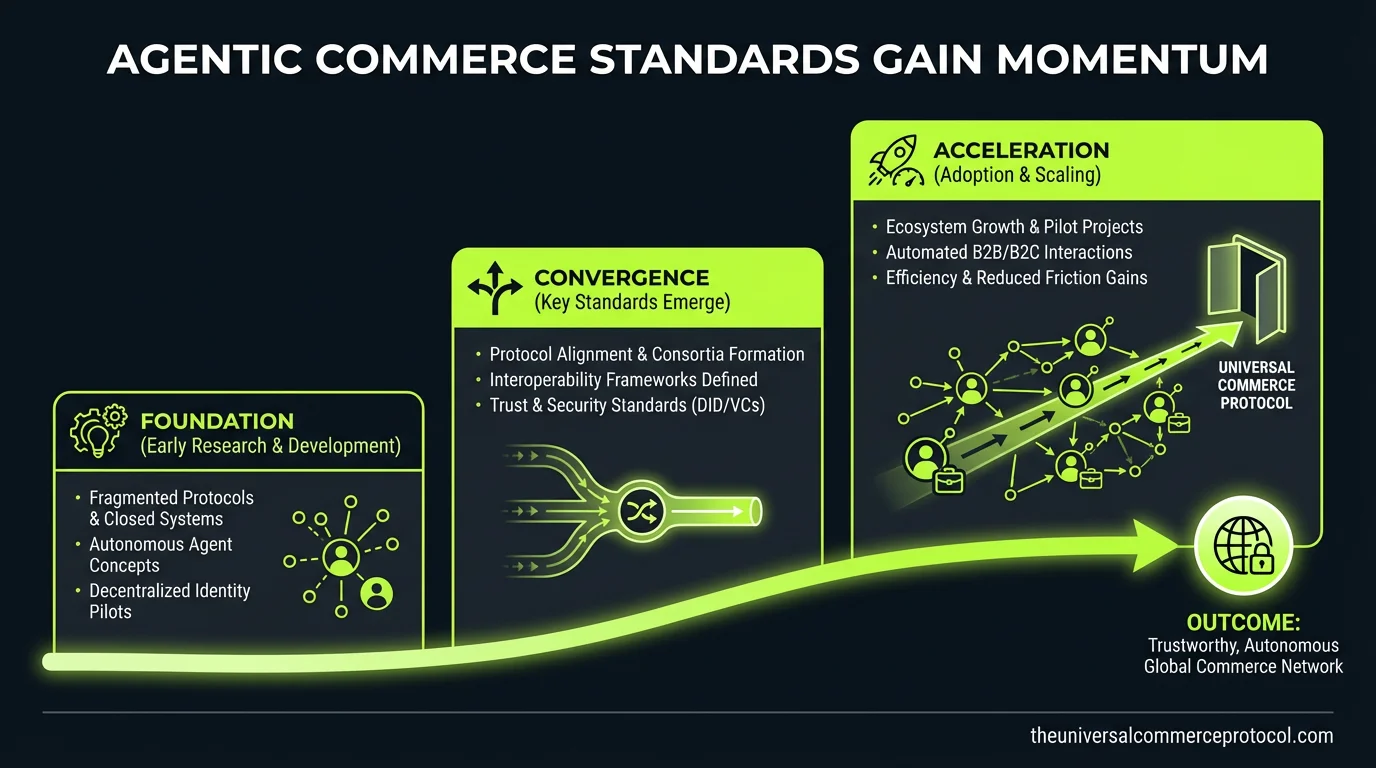
Agentic Commerce Standards Gain Momentum
Splitit backs UCP, Mastercard rolls out Verifiable Intent, Nexi partners with Google.
-
Claude Code leads; Google pushes gRPC for MCP
Anthropic’s Claude Code now most-used AI coding tool.
-
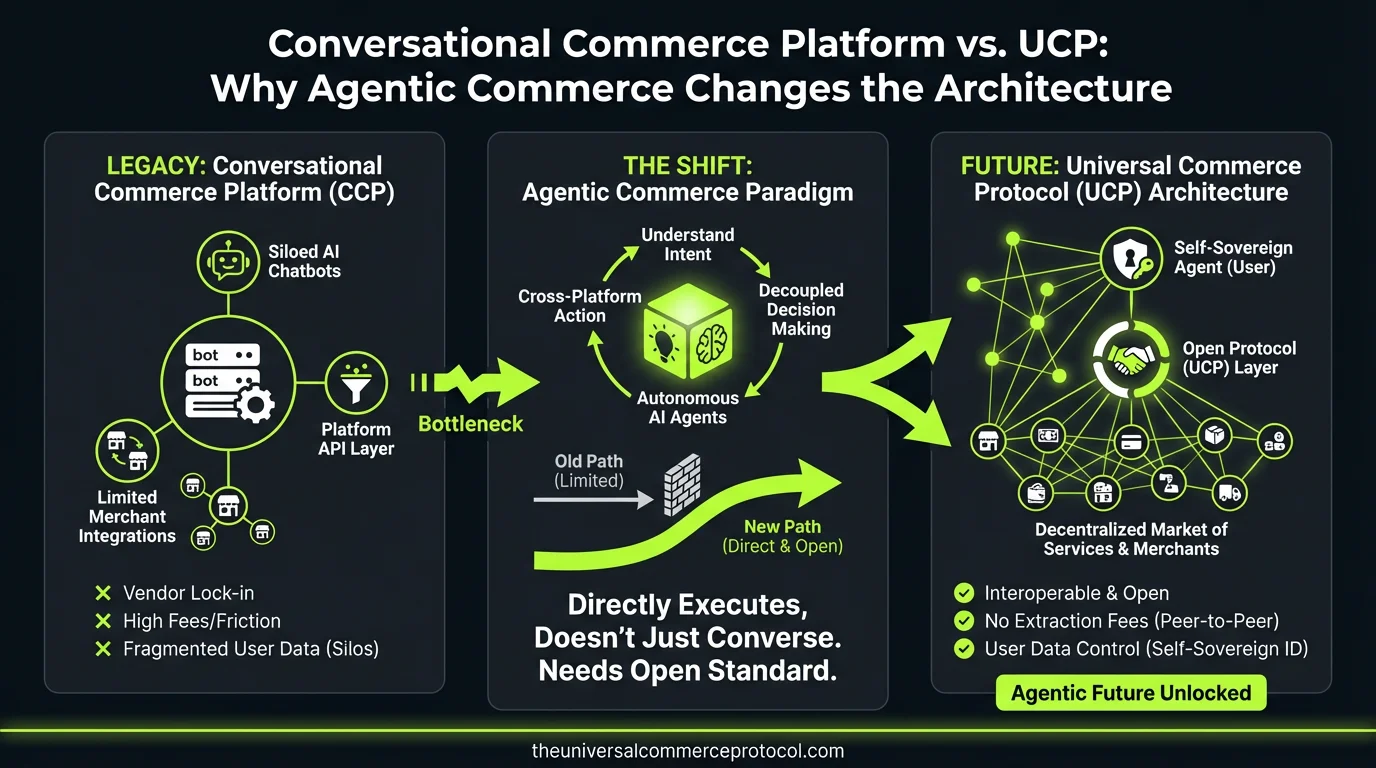
Conversational Commerce Platform vs. UCP: Why Agentic Commerce Changes the Architecture
Traditional conversational commerce platforms add a chatbot layer on top of checkout. UCP makes any AI surface — Gemini, ChatGPT, Alexa — a native commerce platform. Here’s what the architectural shift means for merchants.
-
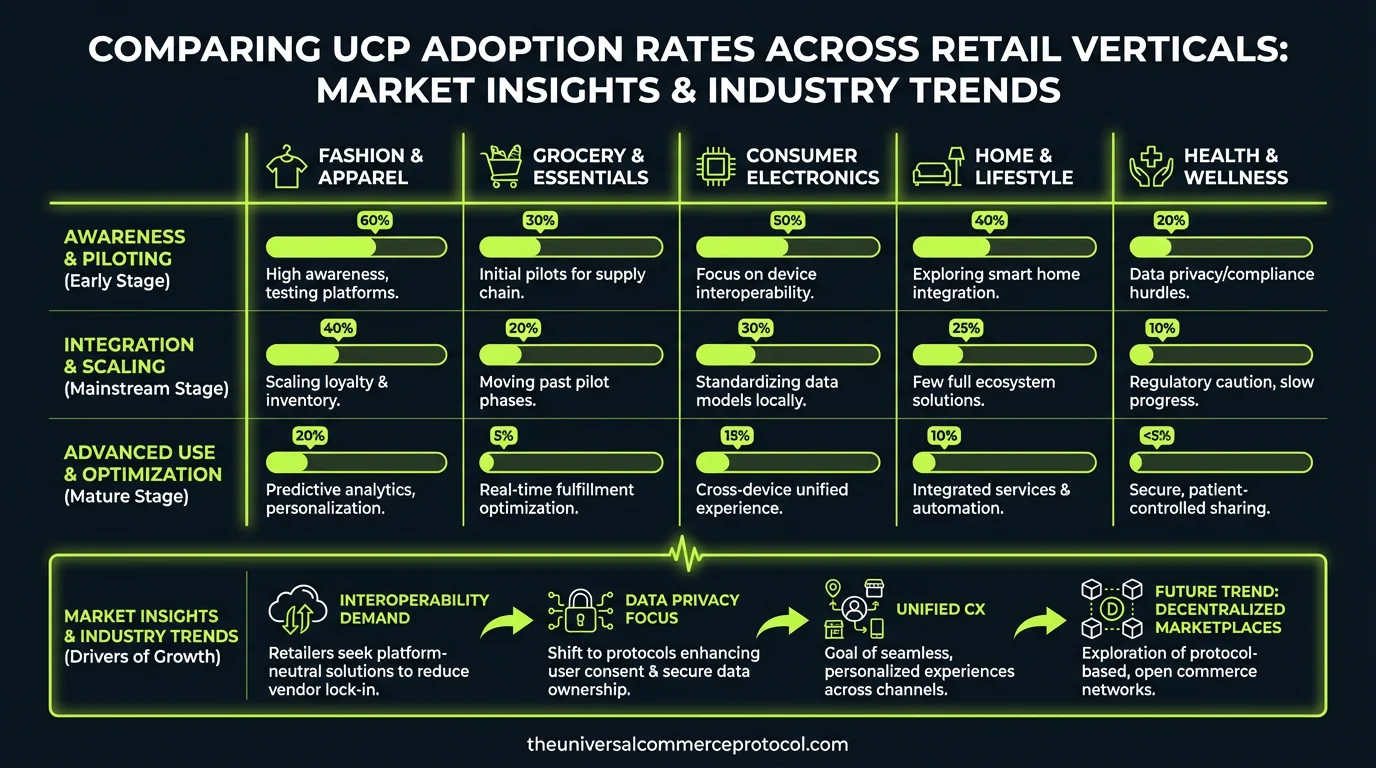
UCP Adoption Rates Across Retail Verticals
As of 2024, Universal Commerce Protocol (UCP) adoption rates demonstrate significant vertical variation: Electronics retail achieved 71% adoption, Fashion reached 67%, while Grocery remained at 34% and Home Furnishings at 41%. Organizations implementing UCP across Apparel and Consumer Electronics verticals reported 23% reduction in omnichannel fulfillment cycle times through standardized REST/GraphQL API integration and unified…
-
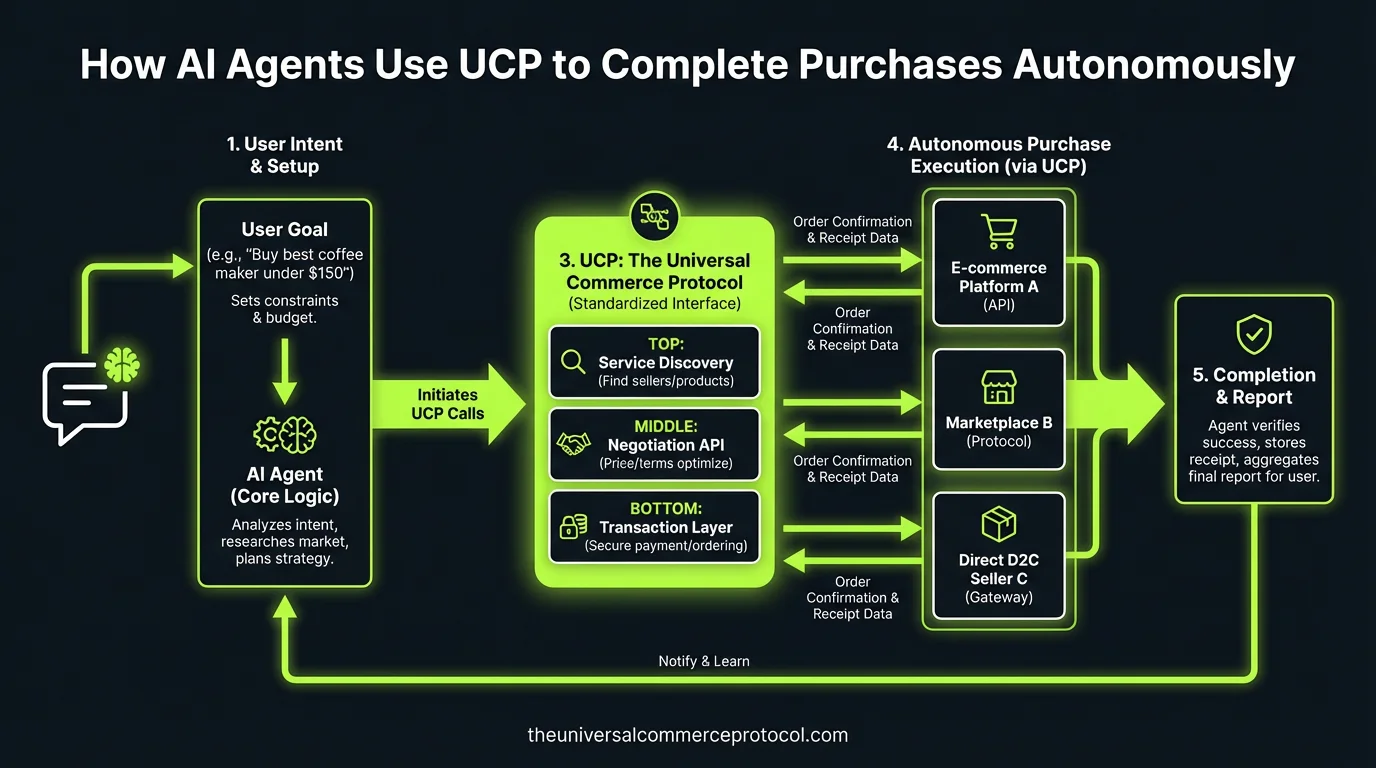
AI Agents & UCP: Autonomous Purchase Completion
The Universal Commerce Protocol (UCP) is an open standard that enables AI agents from OpenAI, Anthropic, and Anthropic-backed services to execute autonomous purchases across e-commerce platforms including Shopify, WooCommerce, and custom REST APIs using OAuth 2.0 authentication and large language model natural language processing. UCP integrations route transactions through PCI-DSS Level 1–certified payment processors Stripe,…
-
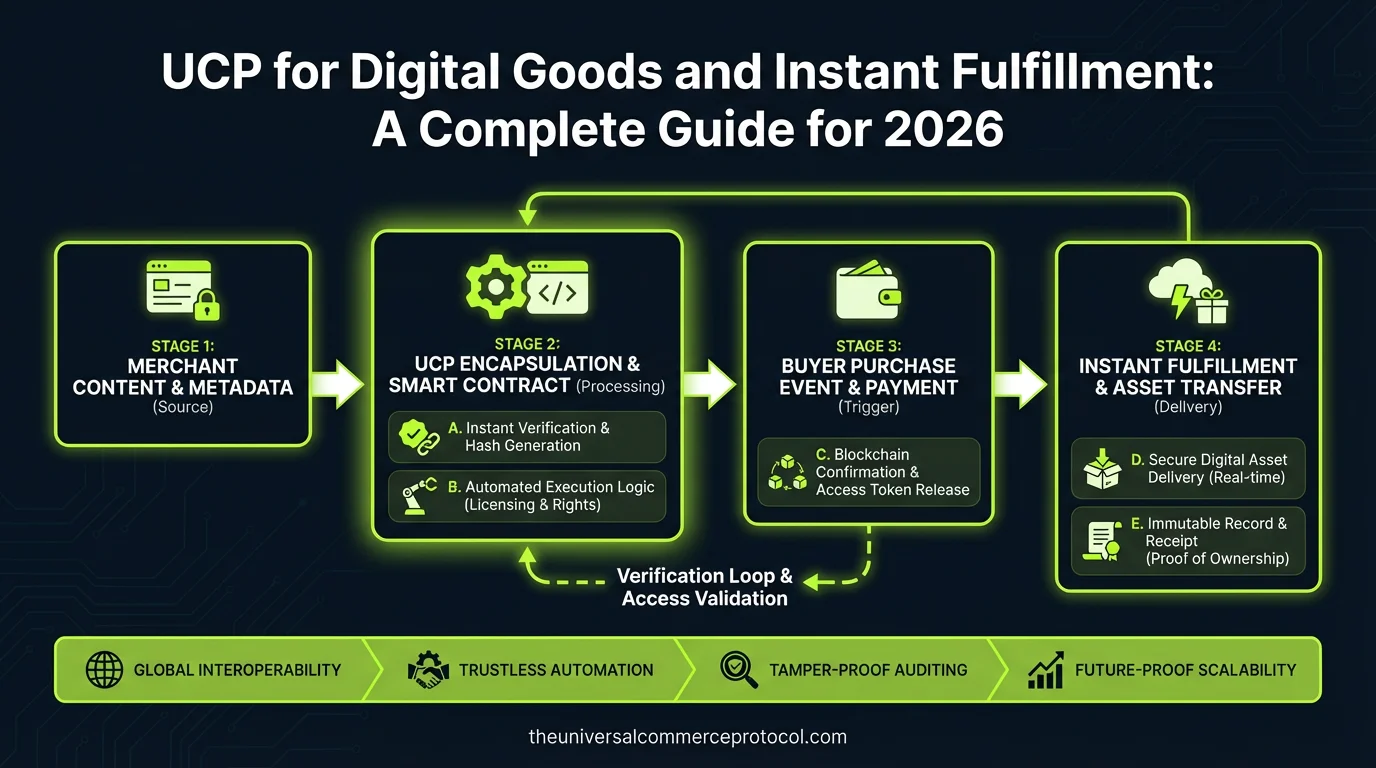
UCP for Digital Goods: Instant Fulfillment Guide
The Universal Commerce Protocol (UCP), maintained by the Open Commerce Foundation, integrates with Shopify, WooCommerce, and enterprise ERP systems to enable automated fulfillment of digital goods including software licenses, ebooks, and SaaS credentials with sub-500-millisecond latency via API integrations with Stripe, PayPal, and 2Checkout. UCP-compliant implementations report 99.2% instant delivery success rates and 40-60% reductions…
-
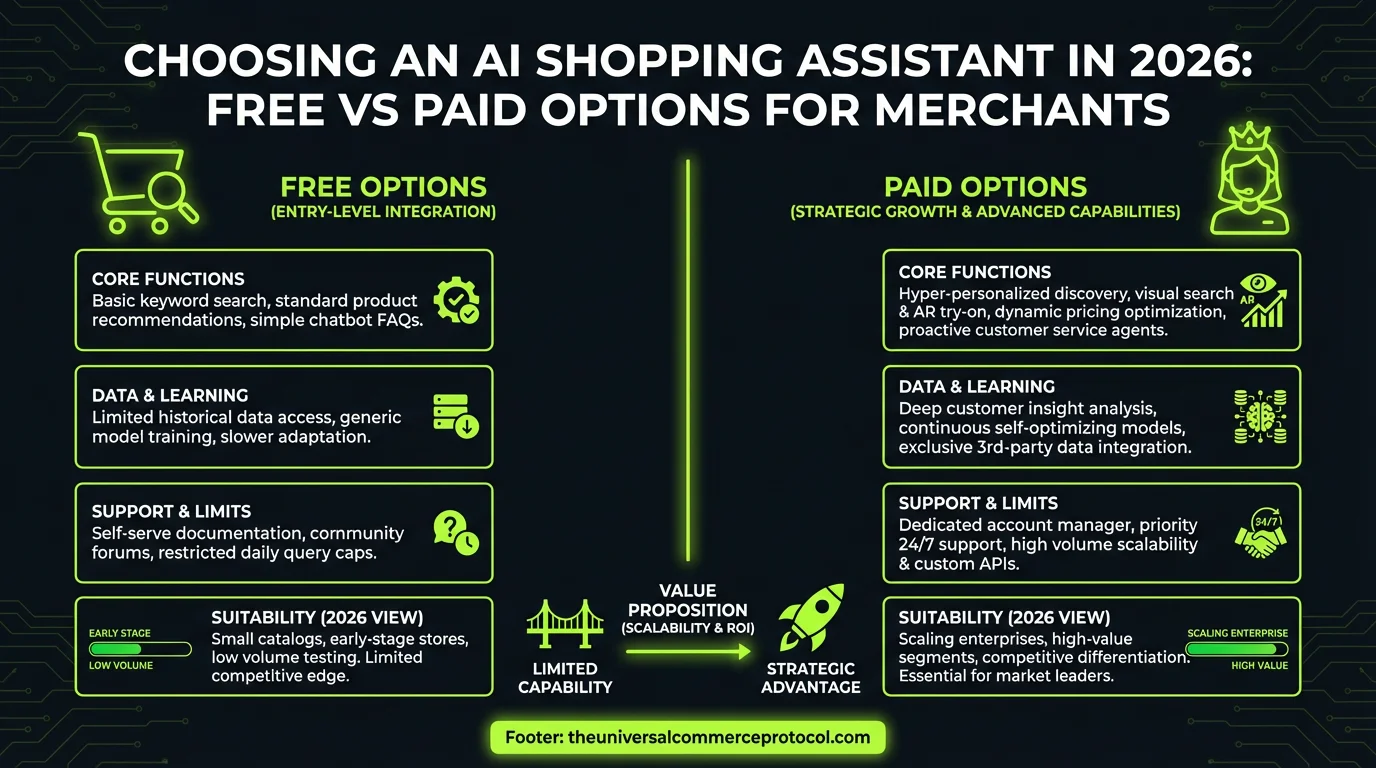
AI Shopping Assistant 2026: Free vs Paid Options
As of 2026, merchants can deploy AI shopping assistants through Shopify’s native chatbot (free tier) or premium platforms including Klaviyo, Insider, Bloomreach, Adobe Commerce, and SAP Commerce Cloud, with costs ranging from $0 to $500+ monthly. Paid enterprise solutions ($50-$500+) offer real-time inventory synchronization, predictive analytics, and omnichannel orchestration across Shopify, WooCommerce, Amazon, eBay, and…
-
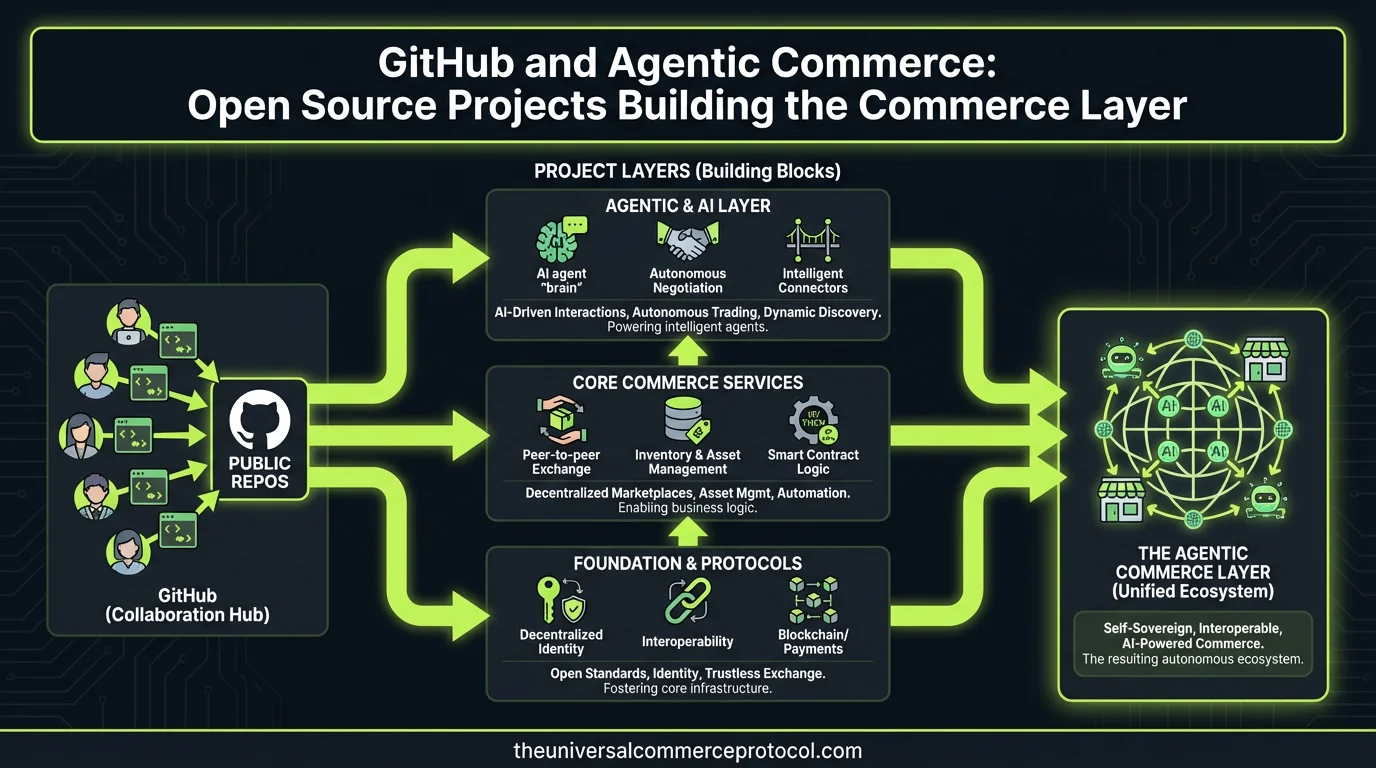
GitHub Open Source Projects Building Agentic Commerce
GitHub hosts foundational open source projects for agentic commerce, including Anthropic’s Claude Agent SDK, Stripe’s payment APIs, and the Open Payment Protocol (OPP), enabling autonomous AI agents to execute transactions through standardized OAuth 2.0 authentication, webhooks, and REST/GraphQL interfaces. Major contributors including Shopify, PayPal, and the Hyperledger Foundation are developing deterministic payment workflows with cryptographic…