Category: Developer Guides
-
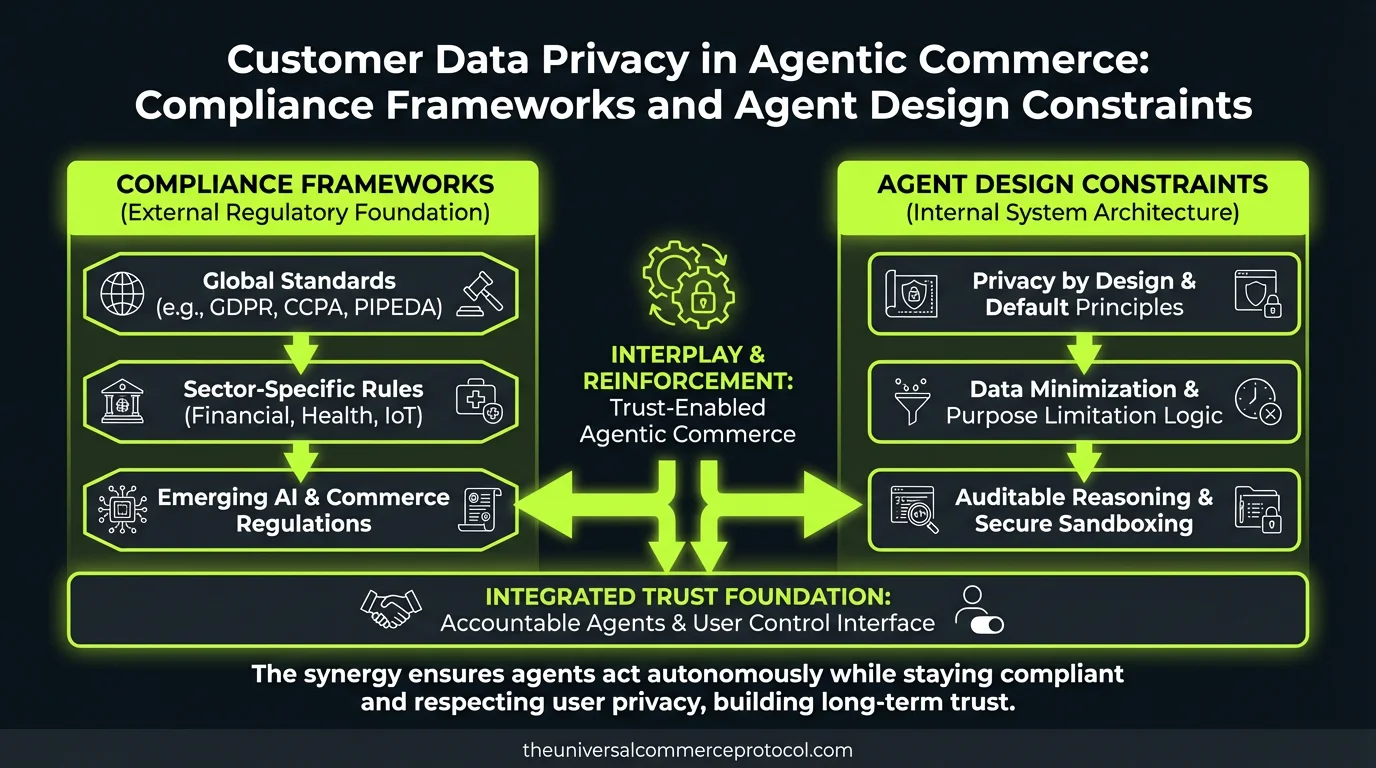
Customer Data Privacy in Agentic Commerce: Compliance Frameworks and Agent Design Constraints
How to build agentic commerce systems that handle PII, manage consent, and survive GDPR/CCPA audits without breaking agent autonomy.
-
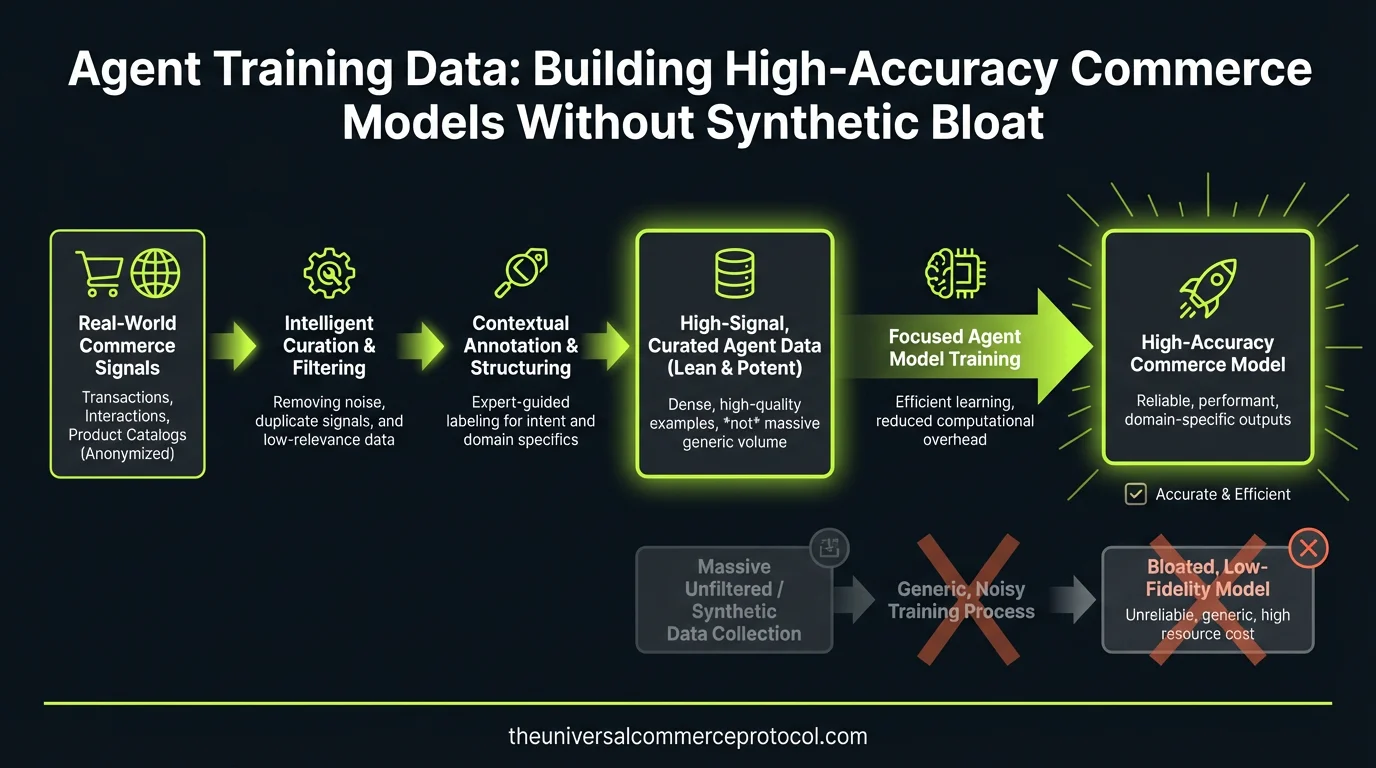
Agent Training Data: Building High-Accuracy Commerce Models Without Synthetic Bloat
How merchants and platforms are curating real transaction data to train accurate agentic commerce systems without hallucination or model drift.
-
UCP Integration: Security & Compliance Architecture
UCP (Unified Communication Platform) integration enforces PCI DSS 3.2.1, GDPR Article 32, and SOC 2 Type II compliance through defense-in-depth architecture implementing AES-256 encryption-at-rest, payment card tokenization, and role-based access controls (RBAC) aligned with NIST SP 800-57 cryptographic key management standards. The multi-tenant infrastructure maintains HIPAA-eligible audit trails and real-time anomaly detection for financial services…
-
UCP Compliance Risk: CFO’s Guide to Regulatory Costs
The Uniform Customs and Practice for Documentary Credits (UCP 600), published by the International Chamber of Commerce (ICC) in 2007, establishes standardized rules for letter of credit transactions across 190+ countries, yet non-compliance incurs average regulatory penalties of $2.8 million USD according to the ICC Banking Commission and World Customs Organization data. CFOs must allocate…
-
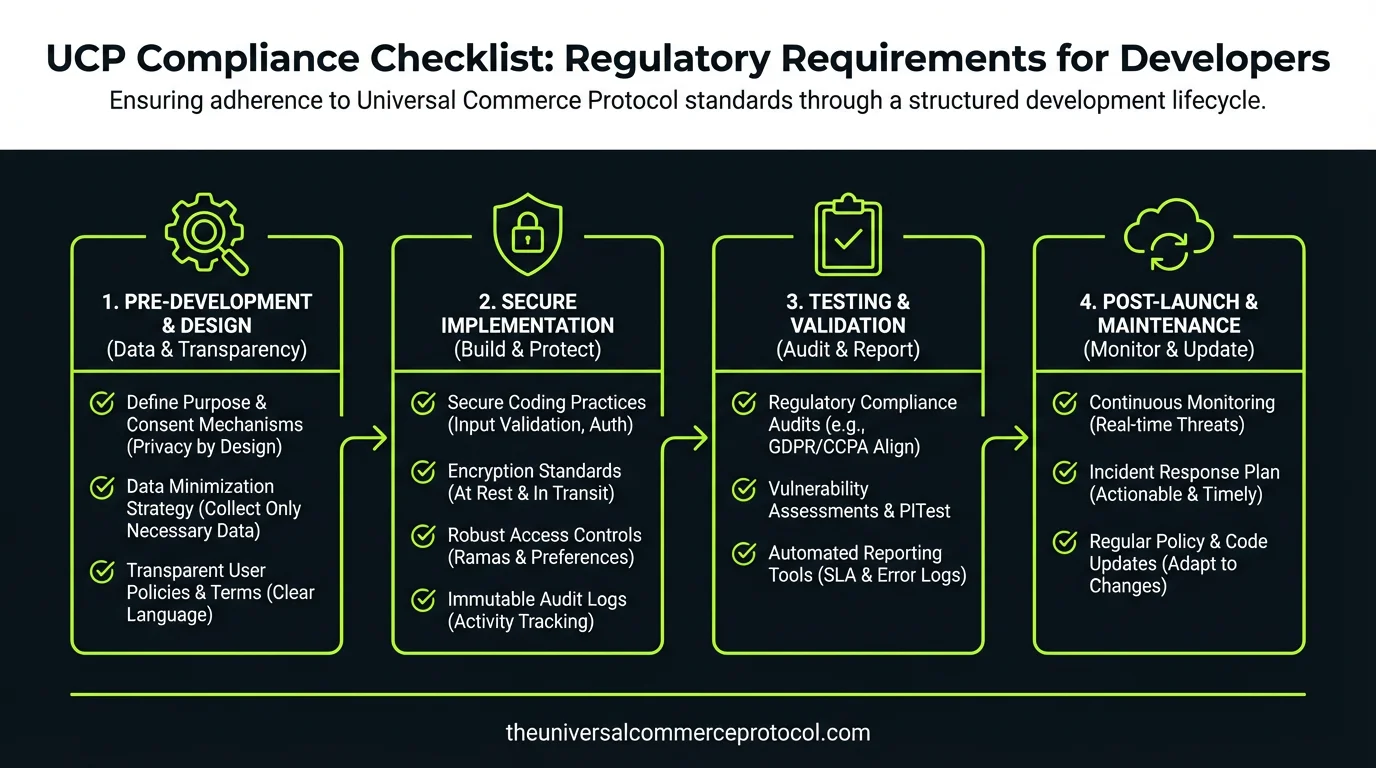
UCP Compliance Checklist: Developer Regulatory Requirements
UCP 500 compliance mandates PCI-DSS v3.2.1 cardholder data protection and GDPR Article 32 encryption, with jurisdiction-specific requirements: NACHA ACH and OFAC in North America, SEPA Direct Debit and PSD2 Open Banking in the EU, RBI Payment Systems Act 1998 in India, and MAS Payment Systems Act 1985 in Singapore. Developers must implement ISO/IEC 27001:2022 certified…
-
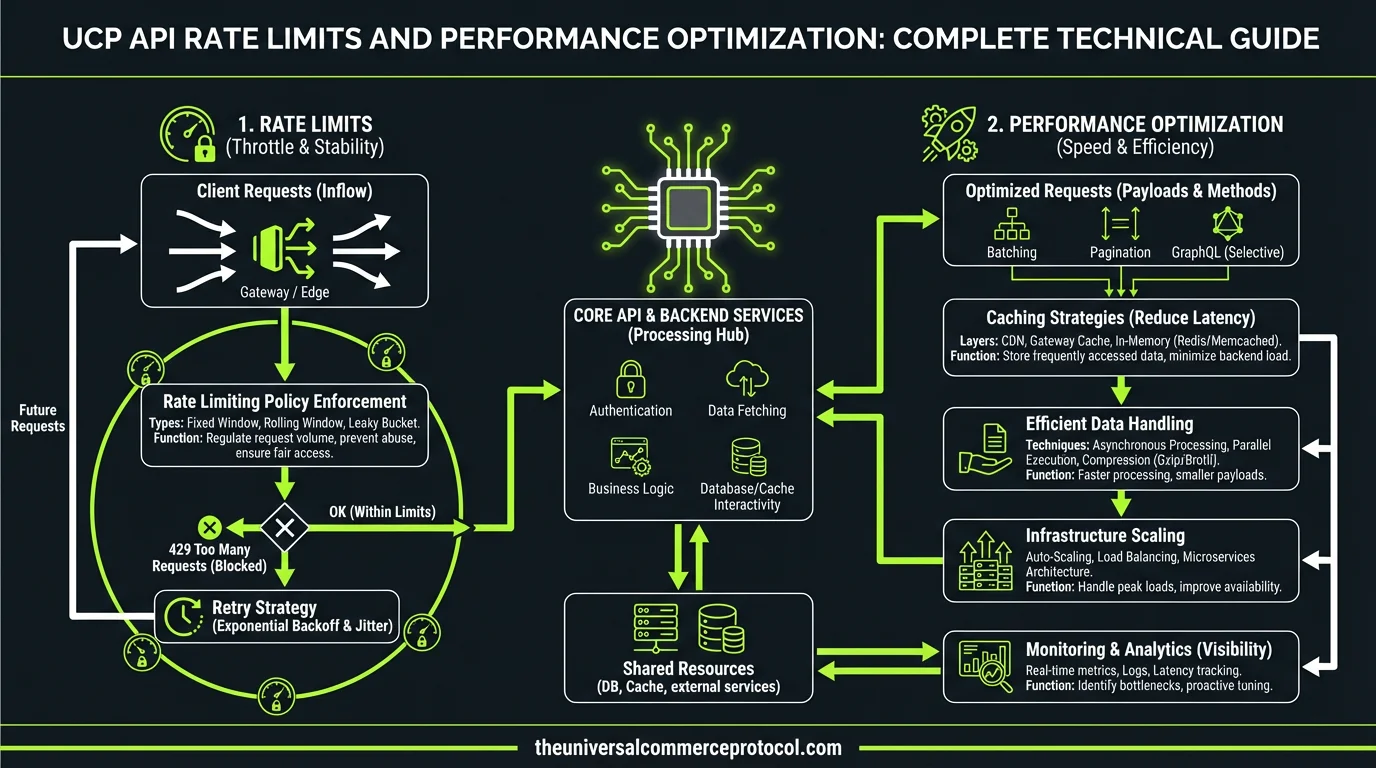
UCP API Rate Limits & Performance Optimization Guide
The Universal Commerce Protocol (UCP) API implements tiered rate limiting with standard tiers of 100 requests per second for standard accounts and 1,000 RPS for enterprise deployments, with burst capacity handling via token bucket algorithms. Performance optimization requires implementing request batching, connection pooling, and Redis-based caching layers to reduce P95 latency below 200ms while maintaining…
-
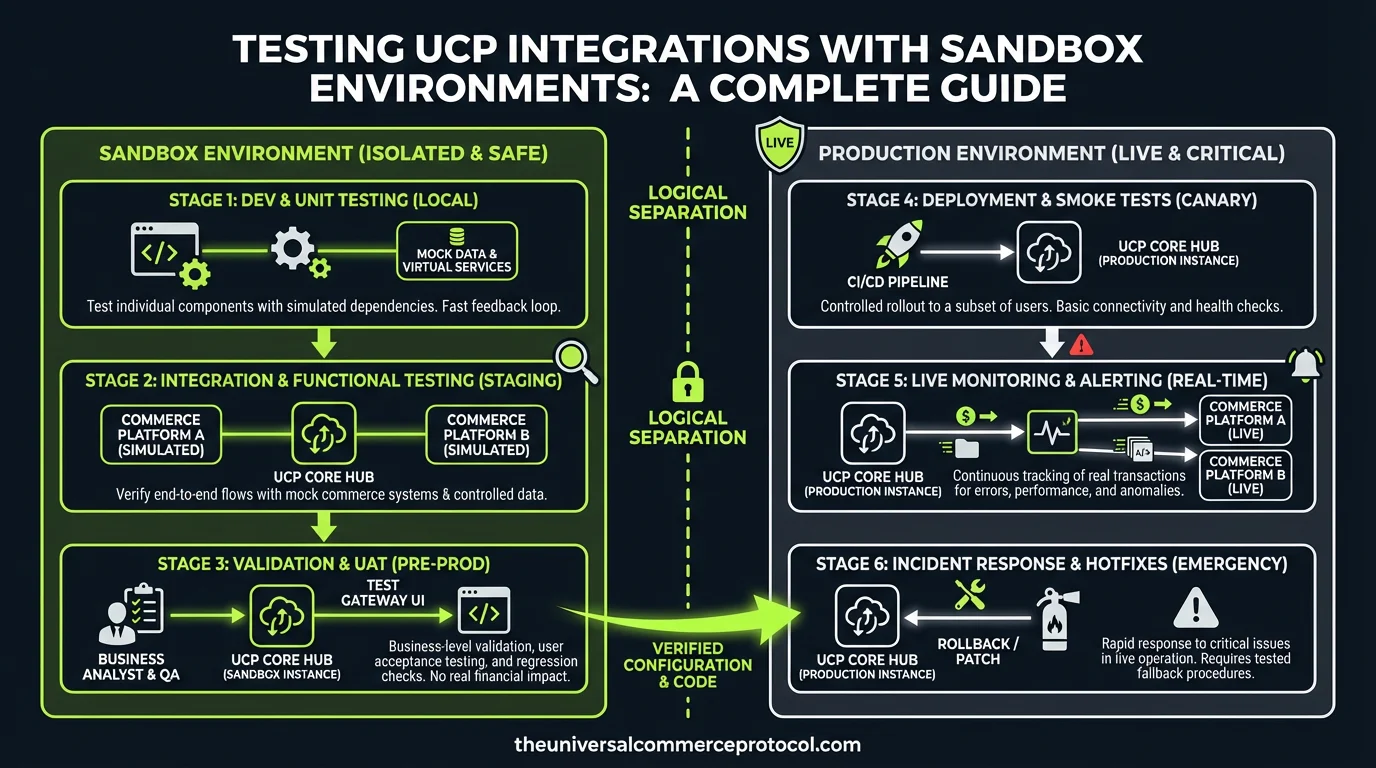
Testing UCP Integrations with Sandbox Environments
Universal Commerce Protocol (UCP) integrations must be validated in PCI DSS Level 1-compliant sandbox environments before production deployment, including transaction testing across payment gateways (Stripe, Square, PayPal), API endpoint verification against OpenAPI 3.0 specifications, and staging environment parity checks for inventory synchronization (SKU mapping, stock levels) and order management systems (OMS). Critical validation includes testing…
-
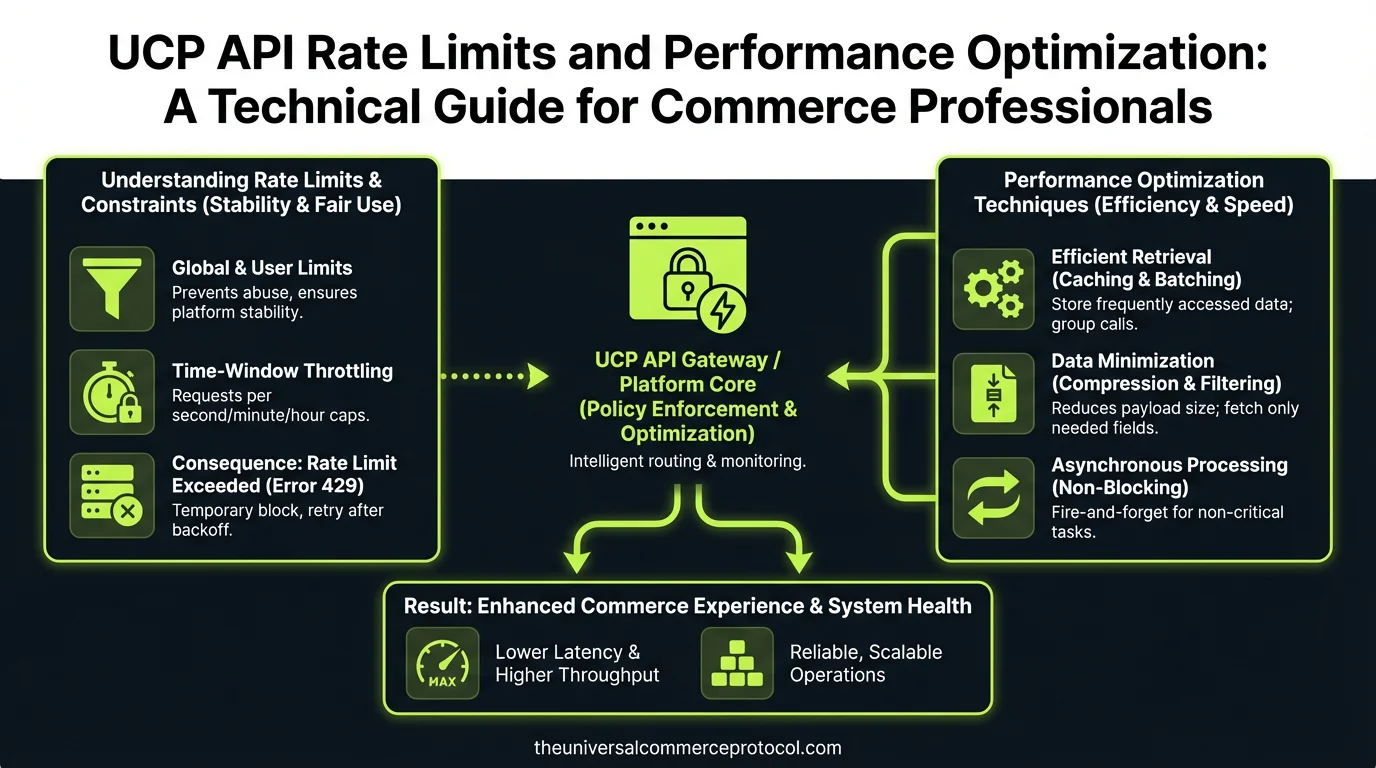
UCP API Rate Limits & Performance Optimization
The Universal Commerce Protocol (UCP) API enforces rate limiting through token bucket and sliding window algorithms, allocating 1,000 requests/minute for Standard tier and 10,000 requests/minute for Enterprise tier customers. Redis-based distributed caching combined with request batching and connection pooling optimizations achieve 40-60% throughput improvements and sub-100ms latency. Enterprise deployments must implement exponential backoff retry logic,…
-
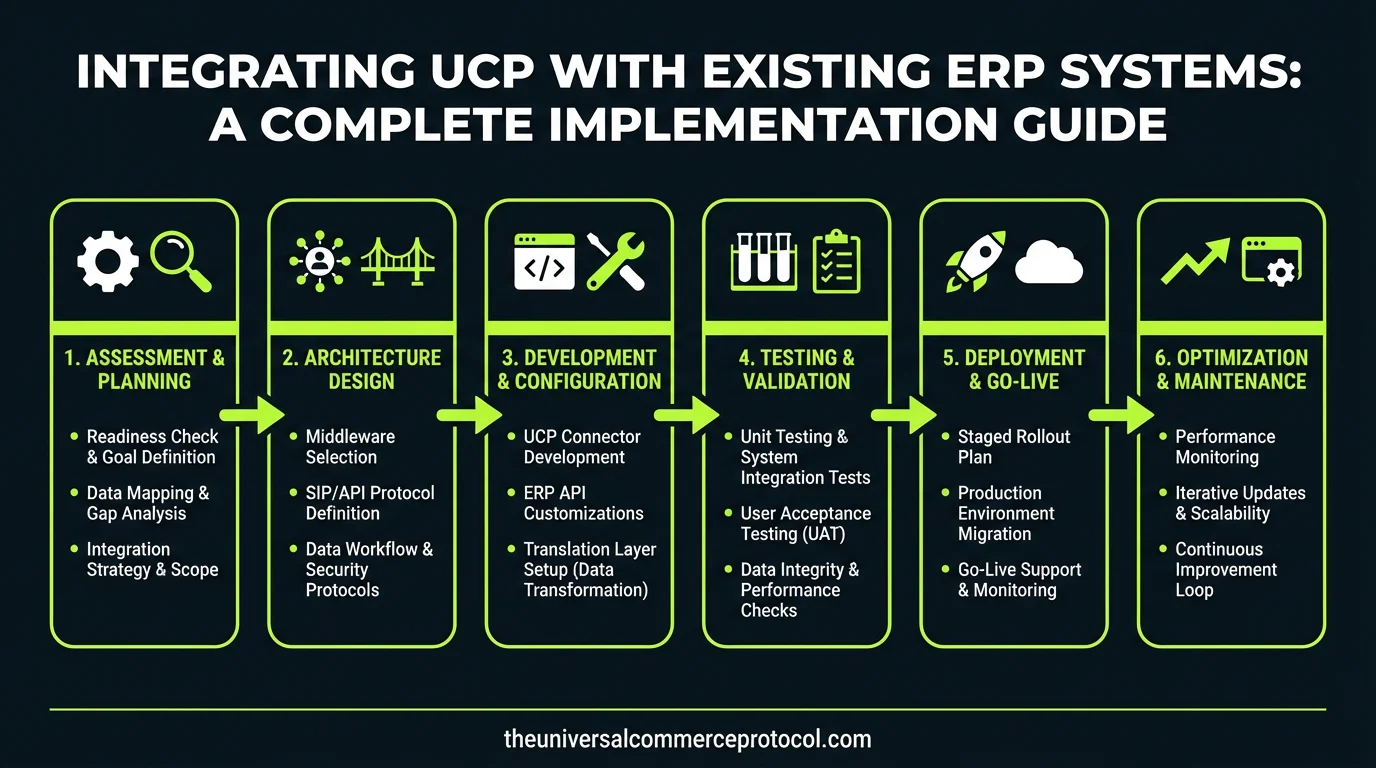
UCP ERP Integration: Complete Implementation Guide
UCP integration with SAP S/4HANA, Oracle NetSuite, and Microsoft Dynamics 365 employs MuleSoft or Boomi iPaaS platforms with REST/GraphQL APIs to synchronize order management systems (OMS), product information management (PIM), and inventory across point-of-sale, e-commerce, and marketplace channels while maintaining OASIS UBL 2.3 and ISO 20022 compliance. Master data governance requires entity mapping of SKUs,…
-
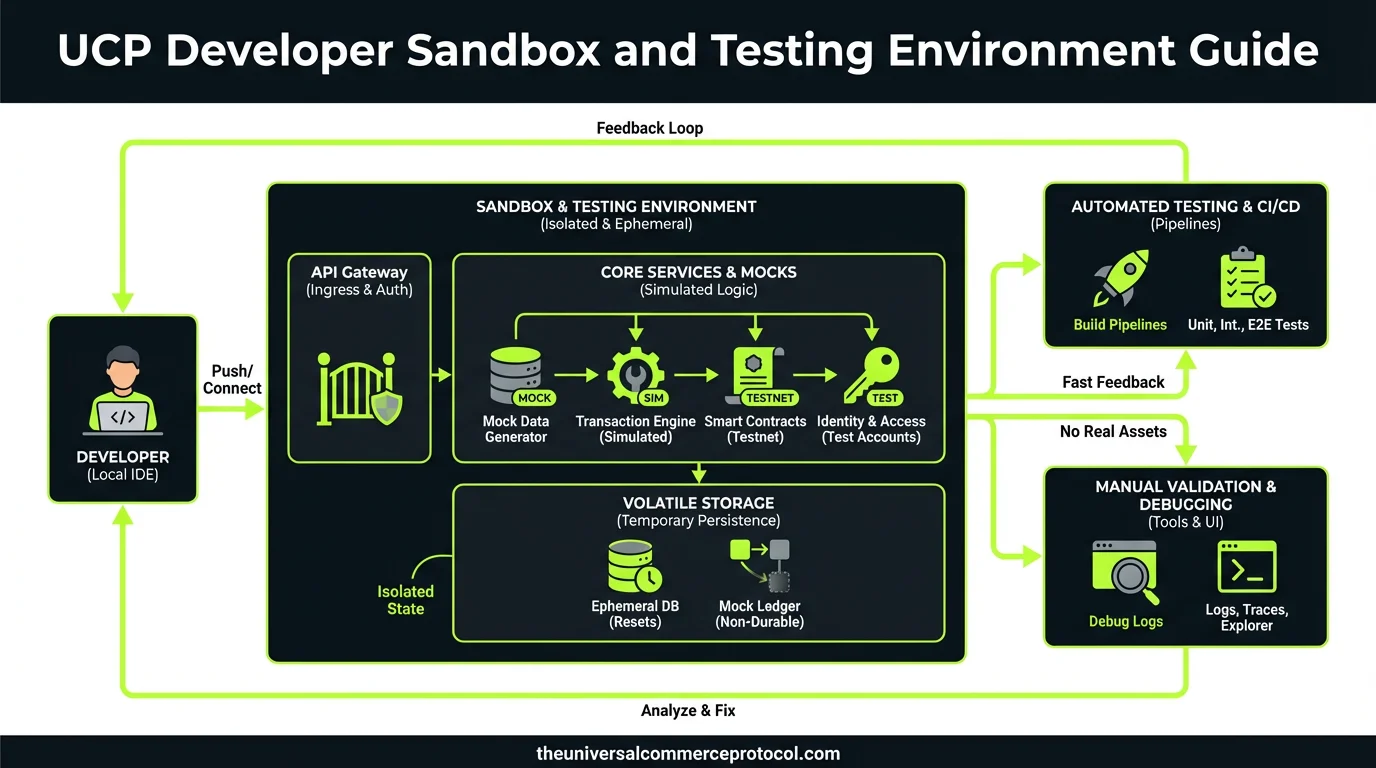
UCP Developer Sandbox & Testing Environment Guide
The Universal Commerce Protocol (UCP) Developer Sandbox, maintained by the UCP Technical Steering Committee, is a PCI DSS Level 1-certified pre-production environment that allows merchants to test REST and GraphQL API integrations against simulated payment processors including Stripe, PayPal, and Square. It supports complete order lifecycle testing—from transaction authorization and settlement reconciliation to webhook routing…