Category: Developer Guides
-
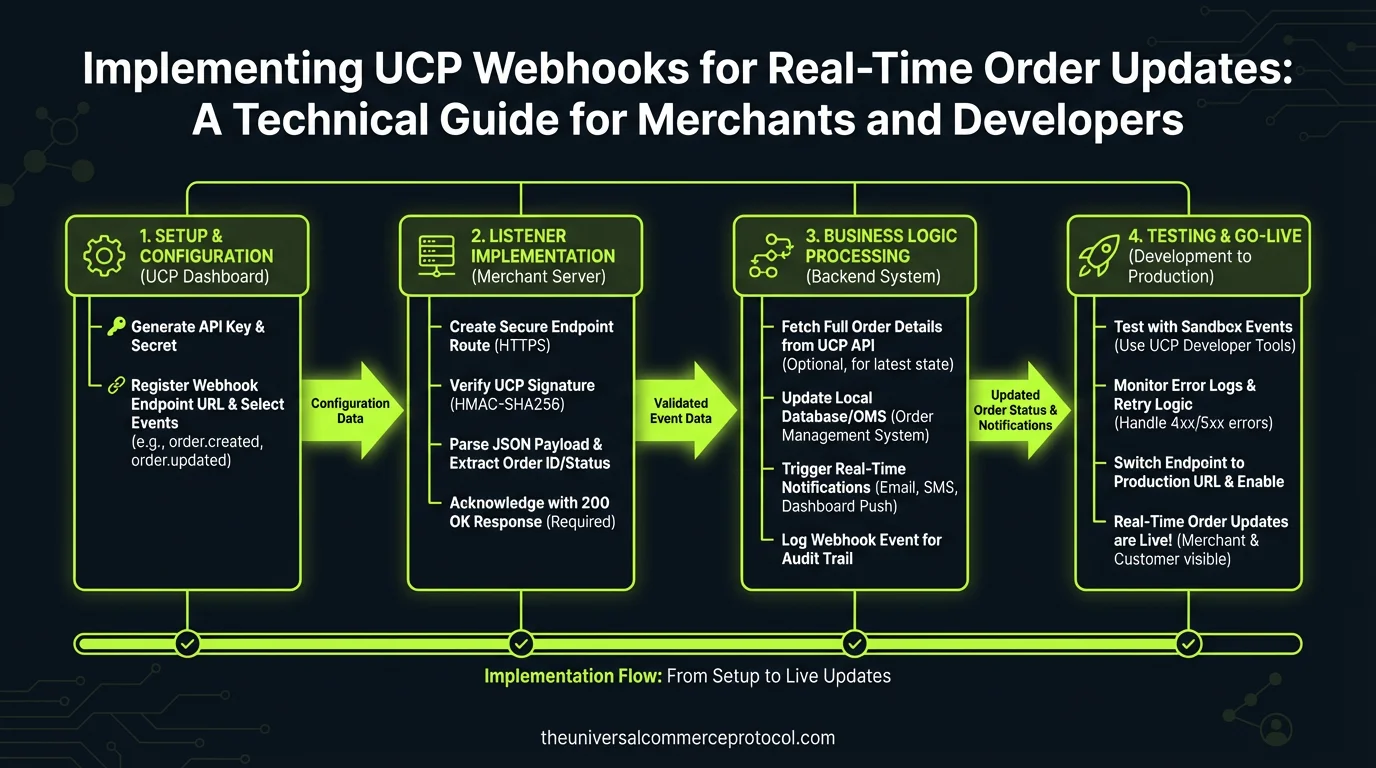
UCP Webhooks for Real-Time Order Updates: Technical Guide
Universal Commerce Protocol (UCP) webhooks transmit real-time order status events through REST API endpoints and asynchronous message brokers, enabling bidirectional integration between Order Management Systems (OMS), Fulfillment Management Systems (FMS), and Payment Service Providers (PSPs) while maintaining PCI DSS Level 1 compliance through HMAC-SHA256 cryptographic signatures. Standard UCP webhook implementations enforce event idempotency via unique…
-
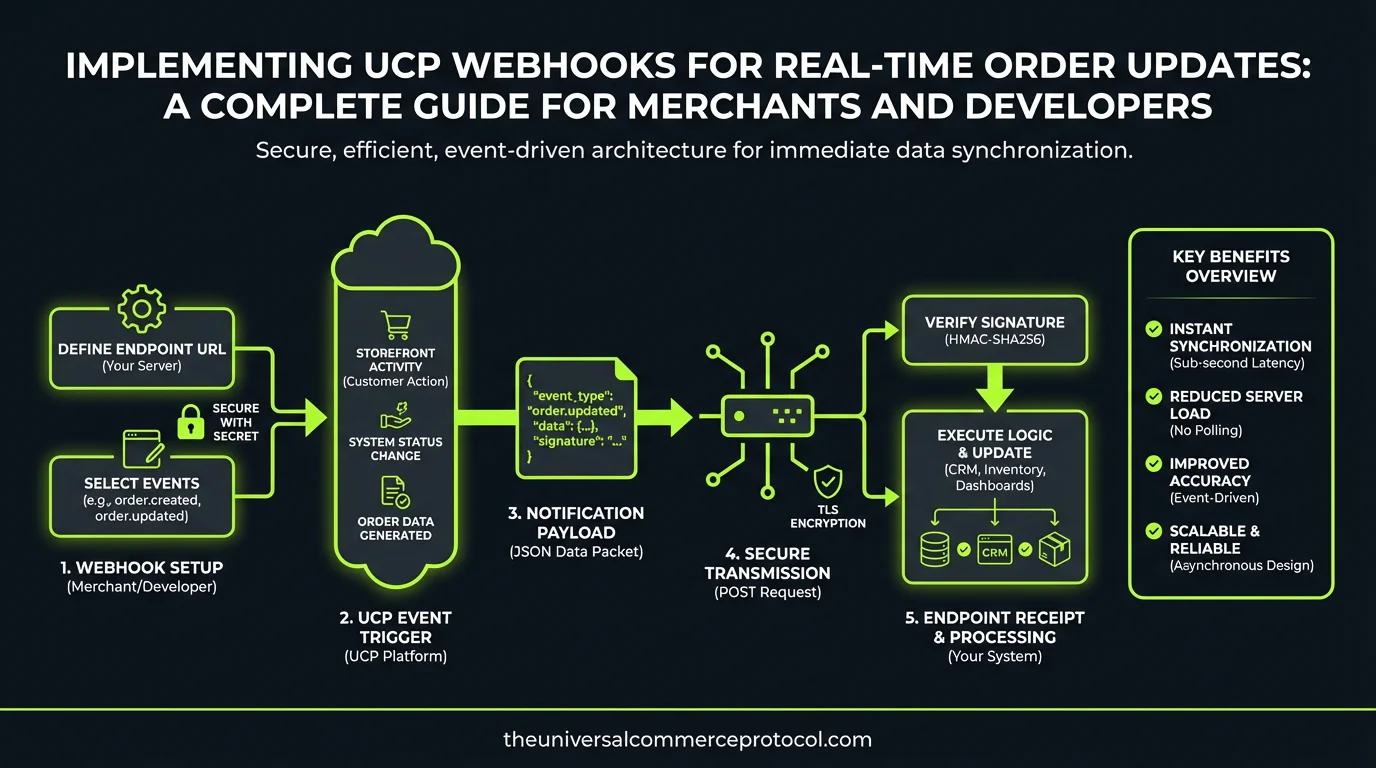
UCP Webhooks for Real-Time Order Updates: Complete Guide
Universal Commerce Protocol (UCP) webhooks transmit standardized order events—order.created, order.paid, order.shipped, and order.cancelled—via HMAC-SHA256-secured HTTP POST callbacks to Stripe, Square, and PayPal Commerce Platform integrations, enabling real-time order synchronization between payment processors and merchant order management systems. Webhook endpoints must implement RFC 7231 idempotency keys, exponential backoff retry mechanisms, and maintain PCI DSS Level 1…
-
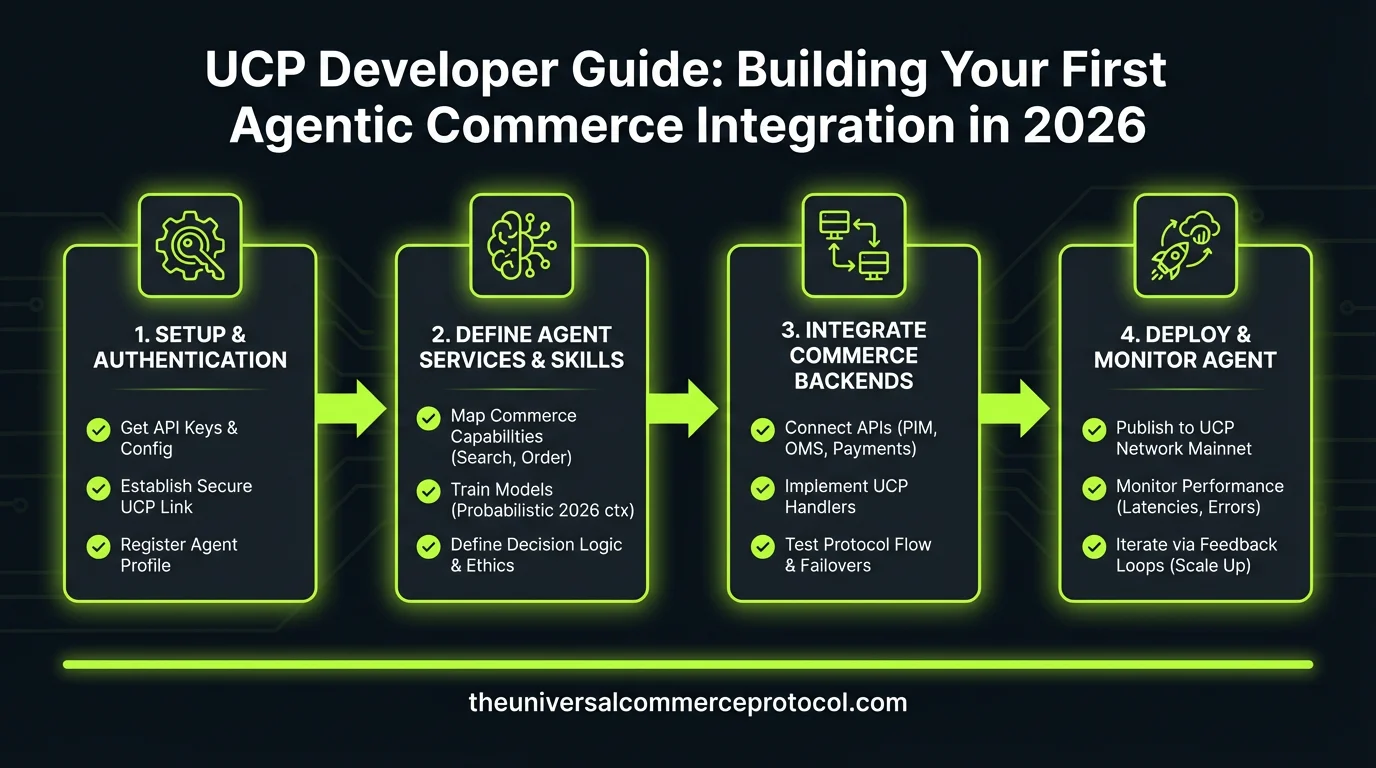
UCP Developer Guide: Building Agentic Commerce
The Universal Commerce Protocol (UCP) is a developer framework that enables autonomous transaction execution through the Agent Payments Protocol, incorporating OAuth 2.0 and API key authentication mechanisms with REST API endpoints for merchant system integration. This 2026 guide details UCP deployment on Ethereum, Polygon, and Solana networks, covering ISO 20022 payment message formatting, real-time payment…
-
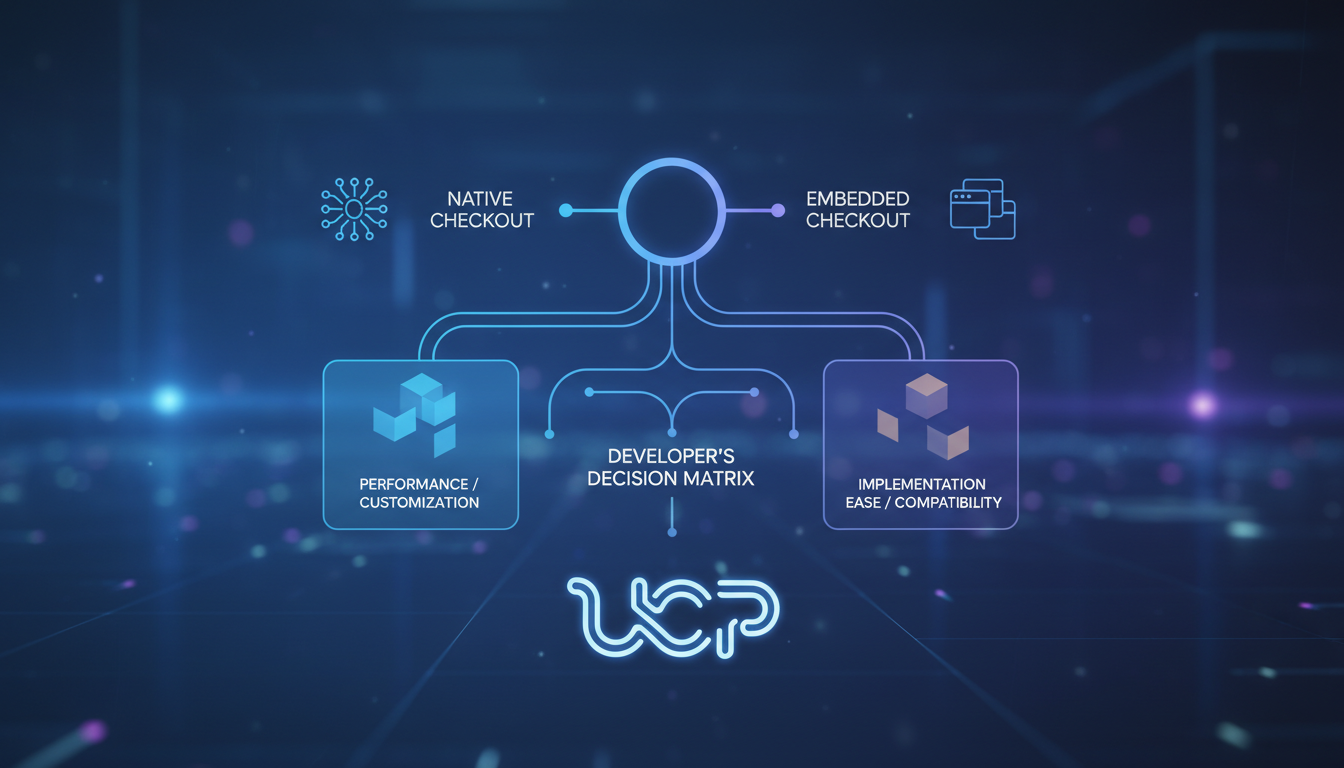
Native vs. Embedded Checkout Paths: A Developer’s Decision Matrix
Comparing the two primary implementation strategies for UCP: Native Agent execution versus Embedded checkout frames.
-

Risk Management and Fraud Prevention in Agentic Commerce
Managing risk and fraud when AI agents act as the intermediary between customers and merchants using UCP.
-
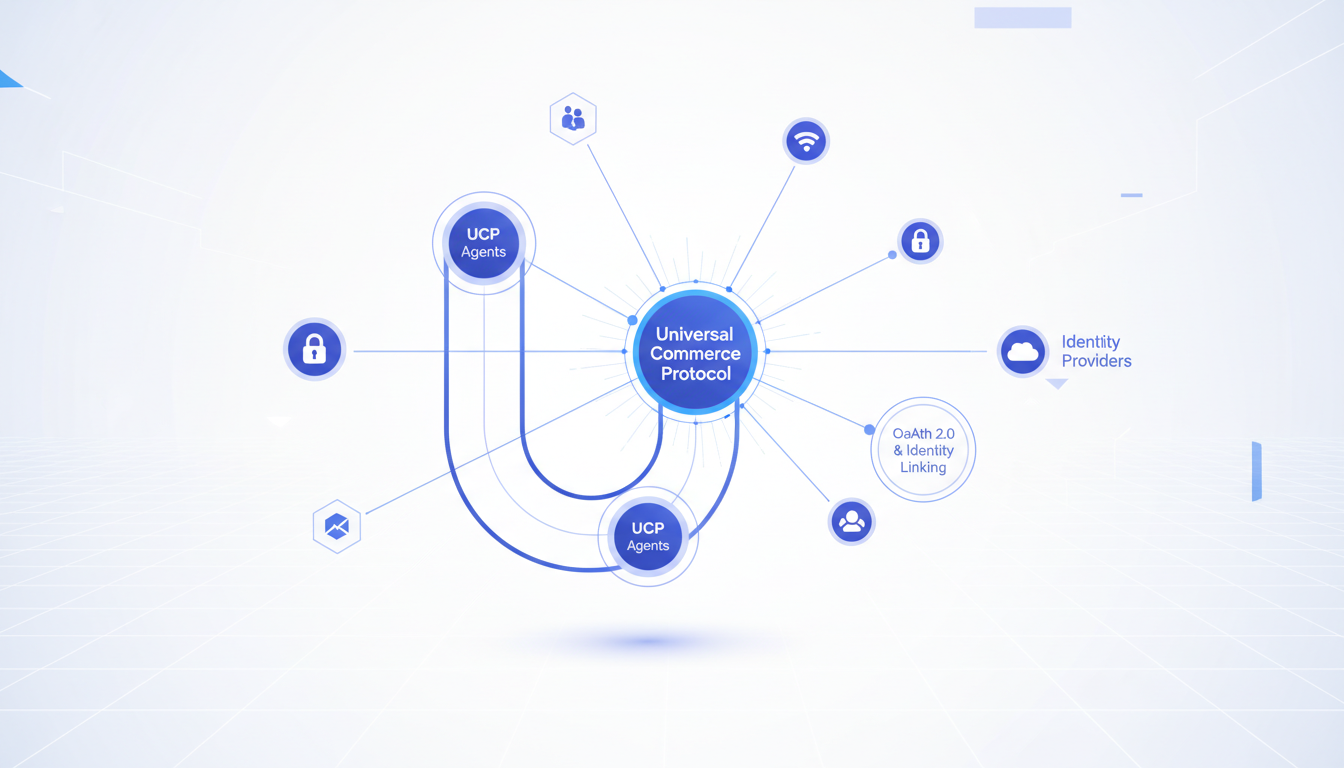
Implementing OAuth 2.0 & Identity Linking for UCP Agents
Technical deep dive into securing AI agent transactions using OAuth 2.0 and identity linking within the UCP framework.
-

Mastering JSON-RPC 2.0 for UCP Transactional Messages
How to implement the JSON-RPC 2.0 transport layer for Universal Commerce Protocol (UCP) messaging.
-

Zero-Trust Agent Models: Protecting User Data in UCP
How UCP implements zero-trust principles to protect sensitive merchant and consumer data during agent-led commerce.
-

UCP and Serverless Commerce: Building Scalable AI Shopping Experiences with Cloud Functions
Build scalable AI shopping experiences with **serverless commerce**! Explore UCP and Cloud Functions for agile, cost-effective solutions.
-
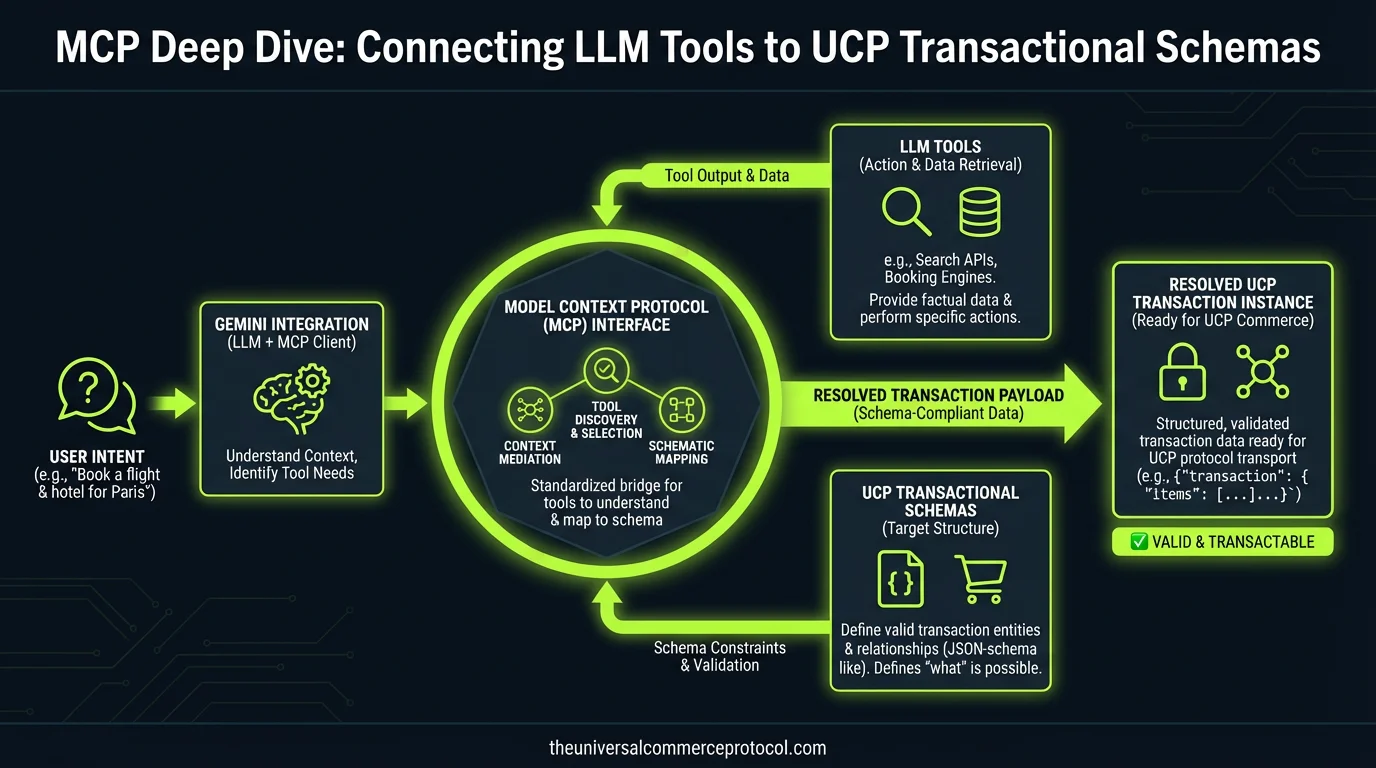
MCP Deep Dive: Connecting LLM Tools to UCP Schemas
Model Context Protocol (MCP) enables integration between Large Language Models—including Google Gemini, OpenAI GPT, and Claude—and Unified Commerce Platform (UCP) transactional systems by standardizing tool connections through schema-compliant APIs. This technical approach leverages MCP’s standardized transport layer to map LLM function calls to UCP transaction handlers, database schemas, and RESTful endpoints. Implementation requires defining JSON…