Category: For CFOs
-
UCP vs Claude: AI Commerce Platform Investment Analysis
Anthropic’s Claude 3.5 Sonnet API pricing operates at $0.003 per 1M input tokens and $0.015 per 1M output tokens through consumption-based billing, while Salesforce Unified Commerce Platform (UCP) within Commerce Cloud requires fixed annual enterprise licensing starting at $50,000+ USD with integrated CRM, order management, and Einstein AI capabilities. Claude’s variable-cost structure optimizes for inference-heavy…
-
UCP Compliance Risk: CFO’s Guide to Regulatory Costs
The Uniform Customs and Practice for Documentary Credits (UCP 600), published by the International Chamber of Commerce (ICC) in 2007, establishes standardized rules for letter of credit transactions across 190+ countries, yet non-compliance incurs average regulatory penalties of $2.8 million USD according to the ICC Banking Commission and World Customs Organization data. CFOs must allocate…
-
Amazon’s AI Commerce Strategy: Hidden Revenue Risk
Amazon.com, Inc. (NASDAQ: AMZN), commanding approximately 40% of the United States e-commerce market as of Q4 2024, has not adopted standardized AI commerce protocols from the World Wide Web Consortium (W3C), GS1, or the International Organization for Standardization (ISO), creating potential interoperability gaps. Research from Gartner and McKinsey & Company estimates Amazon’s non-compliance with AI…
-

Mid-Market Commerce Protocol ROI: $2M Cost Impact
Mid-market e-commerce enterprises ($50M–$500M annual revenue) implementing Unified Commerce Protocol (UCP) versus Modular Commerce Platform (MCP) architectures experience total cost of ownership (TCO) variations up to $2,000,000 USD over 18–36 months, driven by infrastructure costs, API integration complexity, and omnichannel operational efficiency. A structured 90-day financial evaluation framework quantifies protocol selection impact across payment processor…
-

Webhook Architecture Resilience: Reliable Event Processing
Webhook architecture resilience for Unified Commerce Platform (UCP) event processing implements idempotent retry mechanisms with exponential backoff, distributed transaction coordination via Apache Kafka or AWS EventBridge, and event sourcing patterns compliant with exactly-once processing semantics. Dead-letter queue (DLQ) management, HMAC-SHA256 webhook signature verification, and circuit breaker patterns prevent cascading failures across payment processing, inventory synchronization,…
-
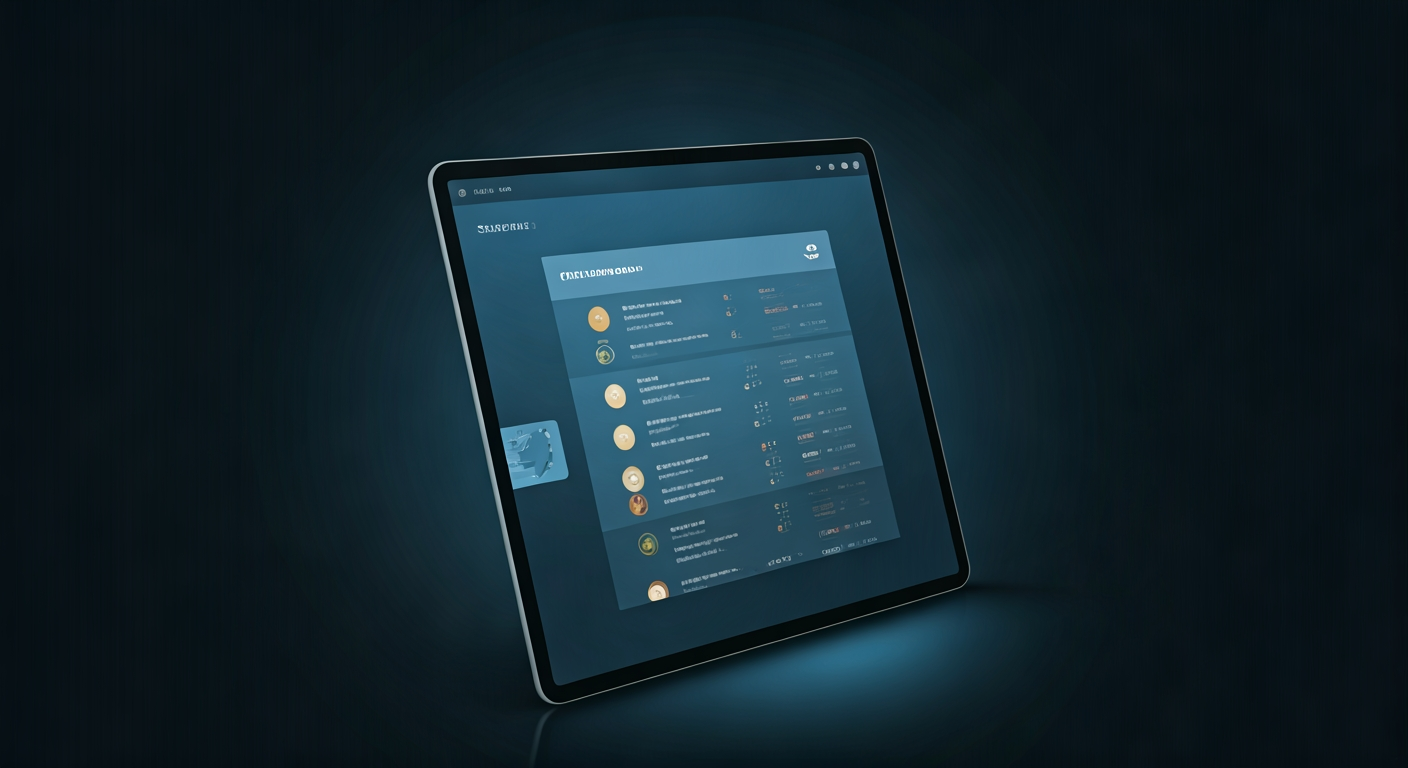
UCP vs MCP: Which $2M Commerce Protocol Wins ROI
Google’s Unified Commerce Platform (UCP) integrates with Google Cloud’s infrastructure to deliver omnichannel retail operations, while Anthropic’s Model Context Protocol (MCP) enables multi-vendor AI model composition for commerce workflows. Mid-market retailers with $500M–$2B annual revenue typically allocate $2M for platform selection, with UCP implementations reporting 18-month ROI of 300% through native Google Cloud services, and…
-

UCP Investment Framework: CFO’s $200K ROI Guide
Mid-market merchants with $10M–$500M annual revenue implementing Unified Commerce Platform (UCP) solutions achieve 239% average annual ROI according to Forrester Research and Gartner benchmarks, with 6–12 month payback periods and $200K minimum ROI thresholds. CFO-led implementations leveraging ERP systems such as SAP, Oracle, and NetSuite deliver 30–40% inventory carrying cost reduction, 25–35% omnichannel fulfillment acceleration,…
-

Webhook Infrastructure Failures Cost Commerce $2.4M
Webhook infrastructure failures in payment processing systems incur $2.4 million in annual losses across global commerce, with critical failures documented at payment gateway providers including Stripe, PayPal, and Square. When asynchronous webhook callbacks fail during transaction settlement, merchants experience transaction duplication, inventory overselling, failed chargeback reconciliation, and disrupted retry mechanisms. Revenue leakage manifests through unprocessed…
-
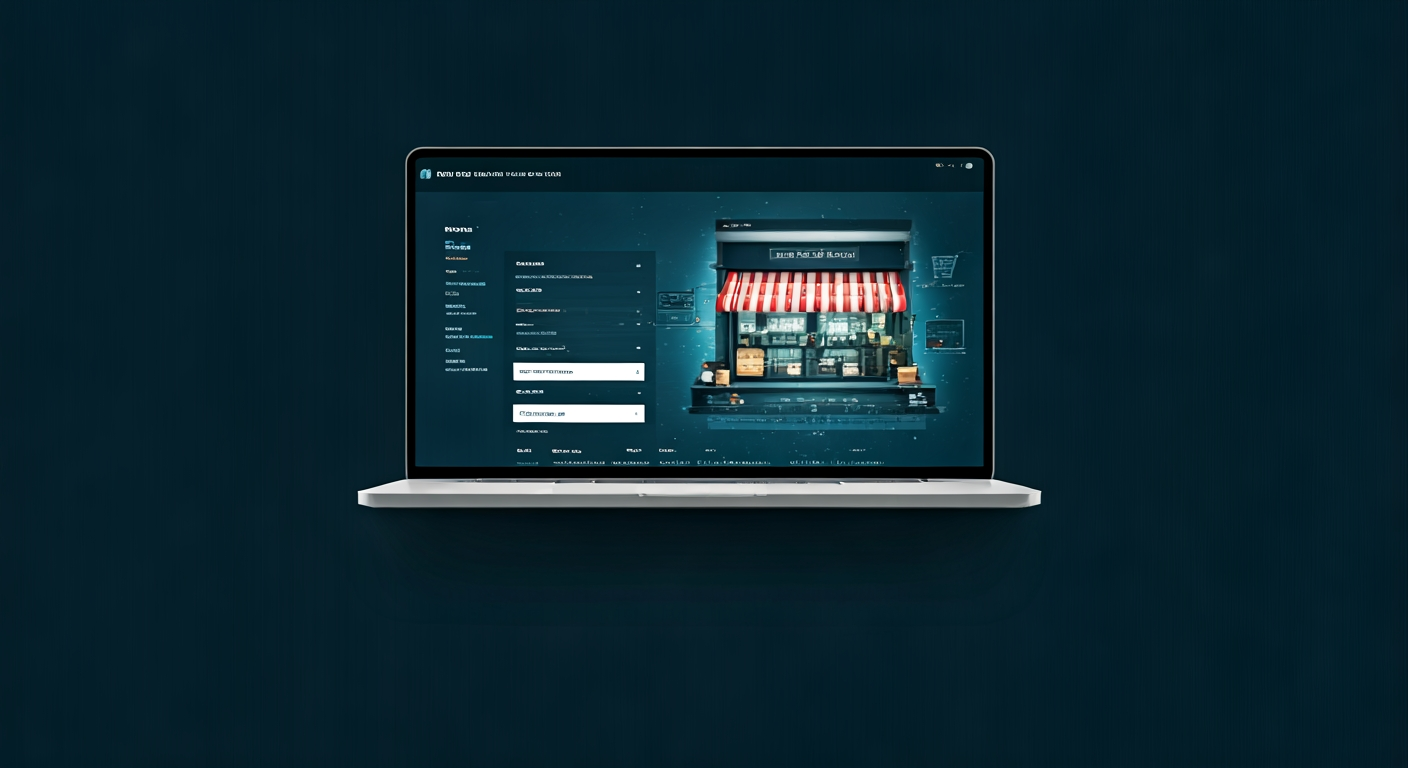
UCP vs Point-to-Point Integration: Commerce Architecture
Universal Commerce Platform (UCP) architectures like Salesforce Commerce Cloud and SAP Commerce centralize payment processing, inventory management, and order fulfillment through unified APIs, reducing integration complexity compared to point-to-point patterns that establish direct connections between merchant systems, payment processors (Stripe, PayPal), and order management systems (OMS). UCP designs provide standardized failover mechanisms and centralized monitoring…
-

Commerce System Failures Cost CFOs $140M Annually
Enterprise commerce system failures across North America impose an estimated $140 million USD annual cost to CFOs through transaction duplication, orphaned orders, and manual remediation—with financial services and retail sectors most severely affected. Idempotency frameworks, distributed transaction logging, and automated reconciliation within payment gateway architecture (such as Stripe, Square, or custom acquirer integrations) reduce losses…