Tag: UCP
-
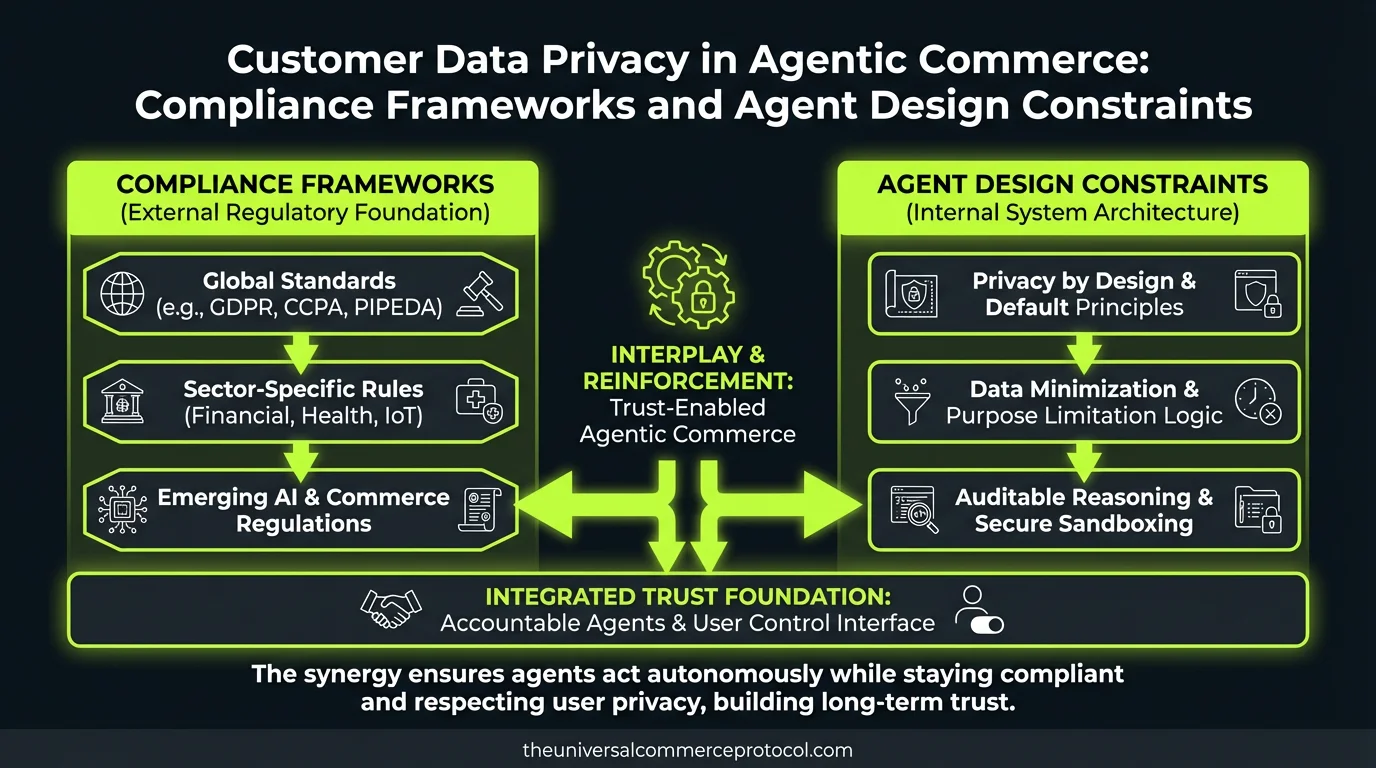
Customer Data Privacy in Agentic Commerce: Compliance Frameworks and Agent Design Constraints
How to build agentic commerce systems that handle PII, manage consent, and survive GDPR/CCPA audits without breaking agent autonomy.
-
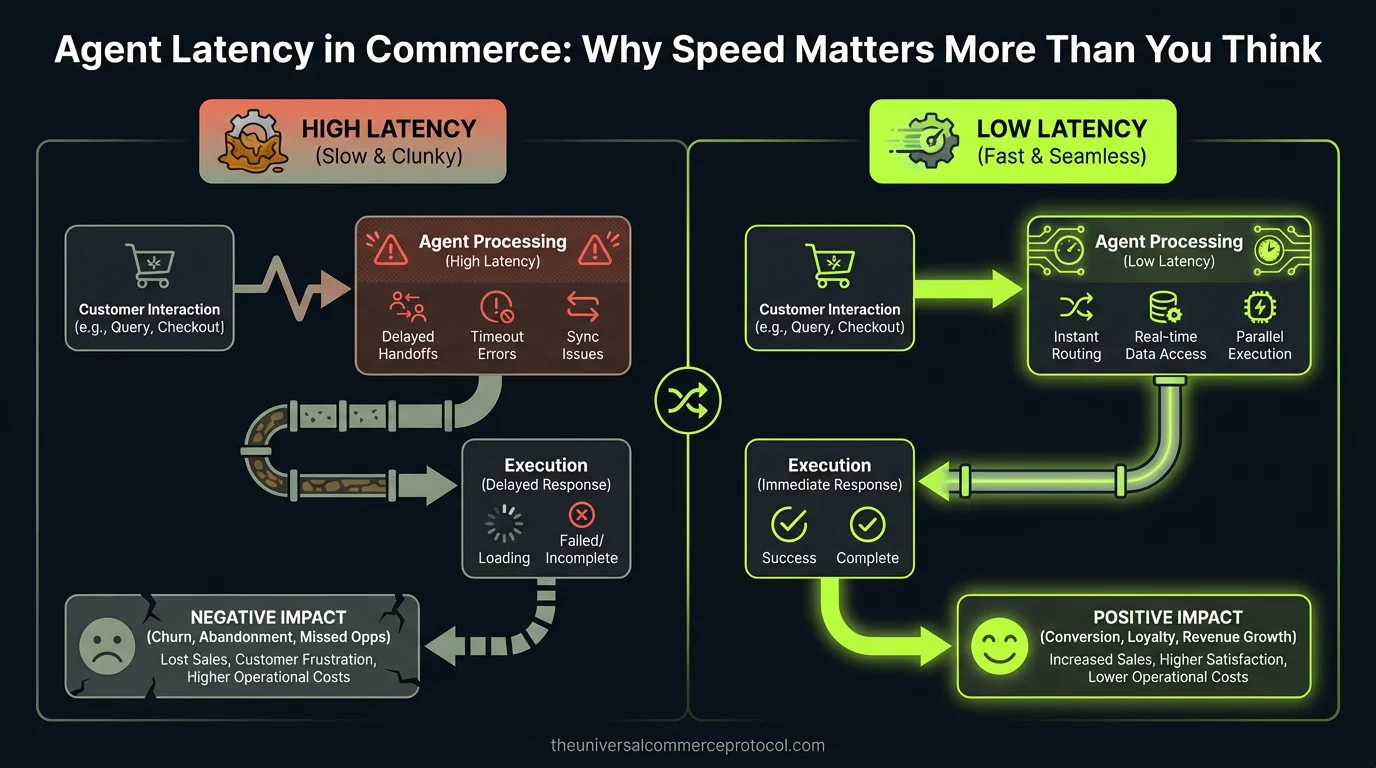
Agent Latency in Commerce: Why Speed Matters Most
AI commerce agents exceeding 200-500 milliseconds latency trigger shopping cart abandonment rates that increase 7% per additional 100ms delay, per 2024 Forrester and McKinsey digital commerce studies. Critical optimization metrics—Time to First Byte (TTFB), end-to-end agent response latency, and LLM inference time across OpenAI GPT-4, Anthropic Claude, and Llama deployments—directly correlate with transaction completion rates…
-
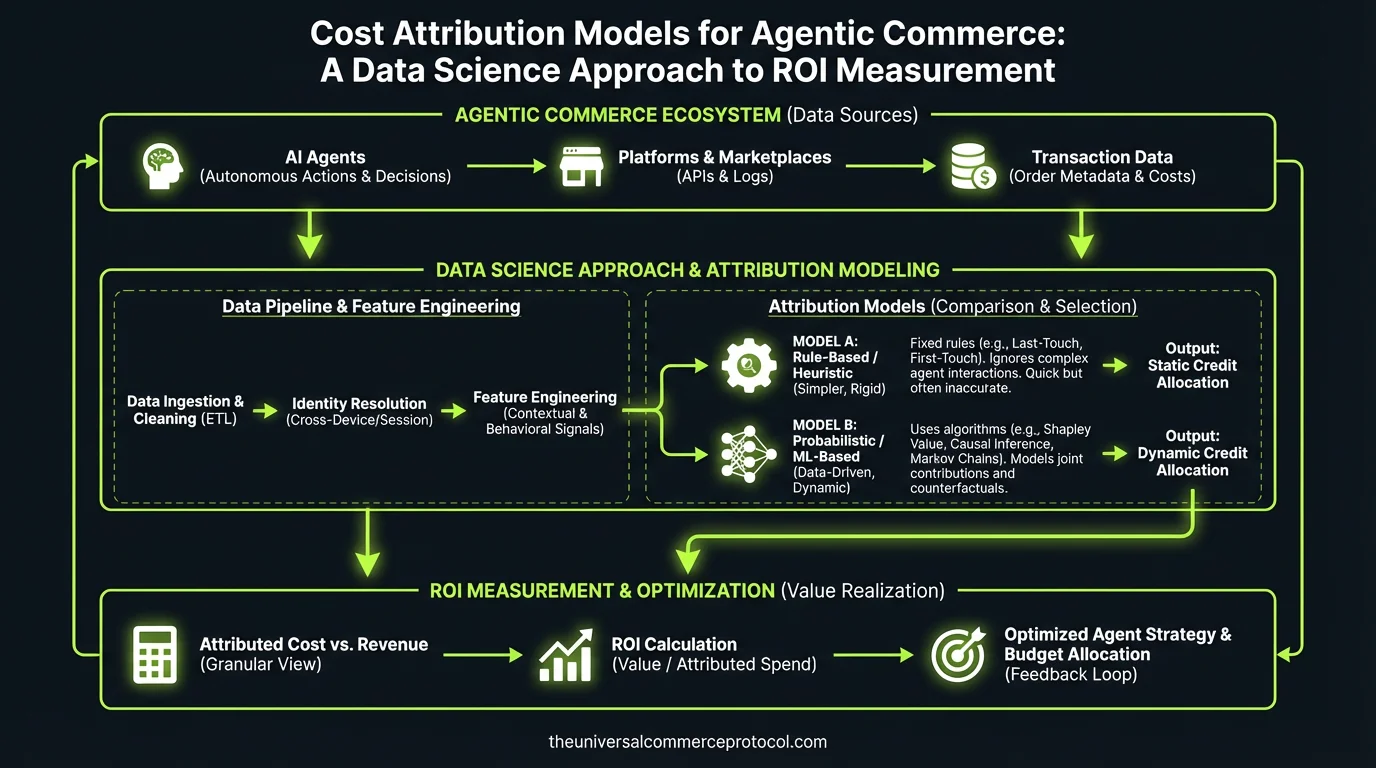
Cost Attribution Models for Agentic Commerce
Cost attribution models for agentic AI commerce quantify expenses across multi-step LLM inference chains—including token consumption, vector database queries, and API calls—where traditional transaction-level metrics fail to isolate individual agent decision costs. Data science approaches like shapley value decomposition and hierarchical cost allocation enable attribution of total cost of ownership (TCO) to specific customer journeys,…
-

Mastercard & Google Launch Trust Layer for AI Commerce
Mastercard International Incorporated and Google LLC co-developed Verifiable Intent, an open technical standard leveraging cryptographic verification and digital credentials to authenticate AI agent-initiated commerce transactions across payment networks. The framework implements intent-based authorization protocols to validate merchant legitimacy and transaction authenticity in autonomous agent ecosystems. This collaborative initiative addresses security vulnerabilities inherent in agentic commerce…
-
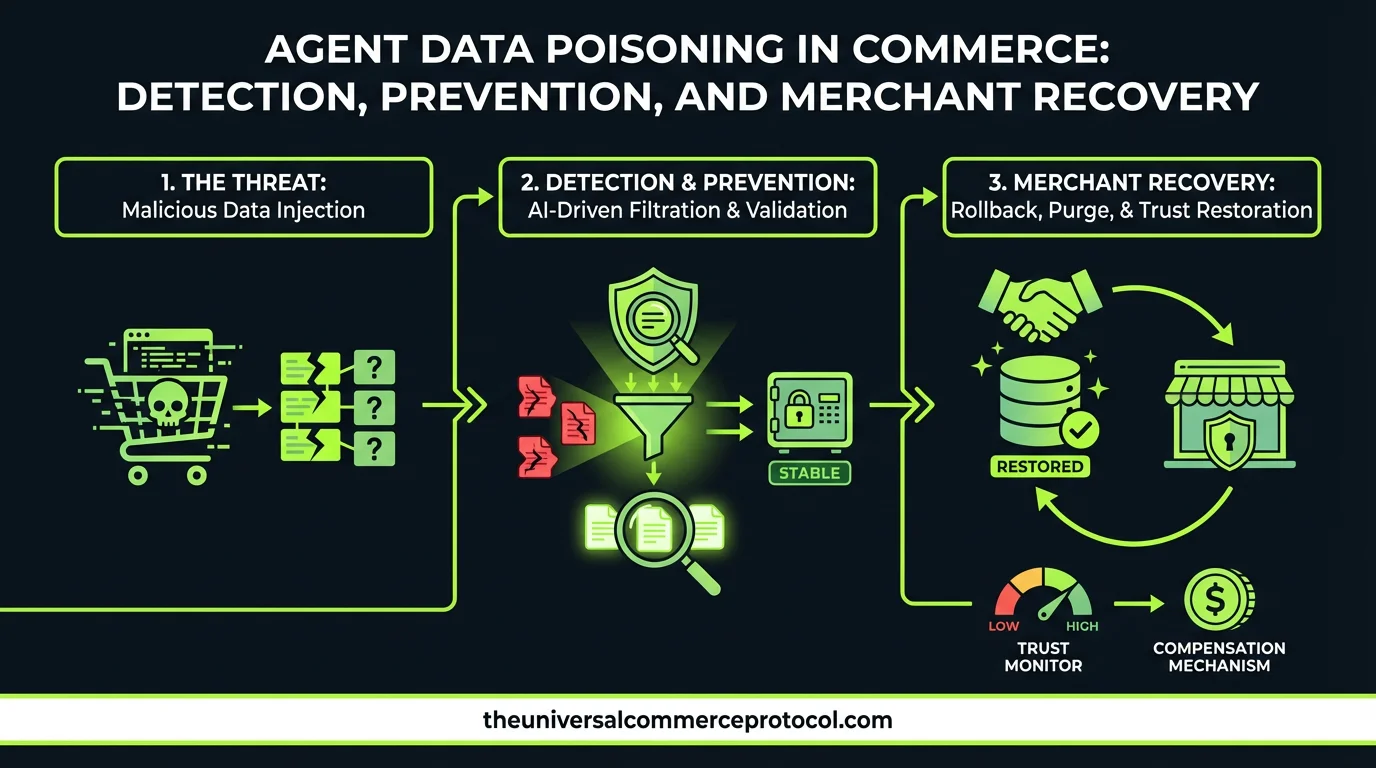
Agent Data Poisoning in Commerce: Detection Methods
Data poisoning attacks inject malicious training samples into machine learning datasets used by autonomous commerce agents, reducing decision-making accuracy by up to 40% according to the NIST AI Risk Management Framework (NIST SP 800-53B). Detection methods include statistical anomaly analysis, input validation layers, and continuous model behavior monitoring per ISO/IEC 42001 standards. Recovery protocols mandate…
-
Architectural Patterns for Real-Time Inventory Consistency in Multi-Channel Commerce Systems
Design patterns and implementation strategies for preventing inventory race conditions when AI agents operate at machine speed across distributed commerce systems.
-

What Happens to Trust When an AI Books My Plumber?
The agent booked a contractor. You didn’t pick them, talk to them, or get a gut feeling. Do you feel okay about that? The trust gap between what agentic commerce can do and what people will hand over is the most interesting design problem nobody’s solving.
-
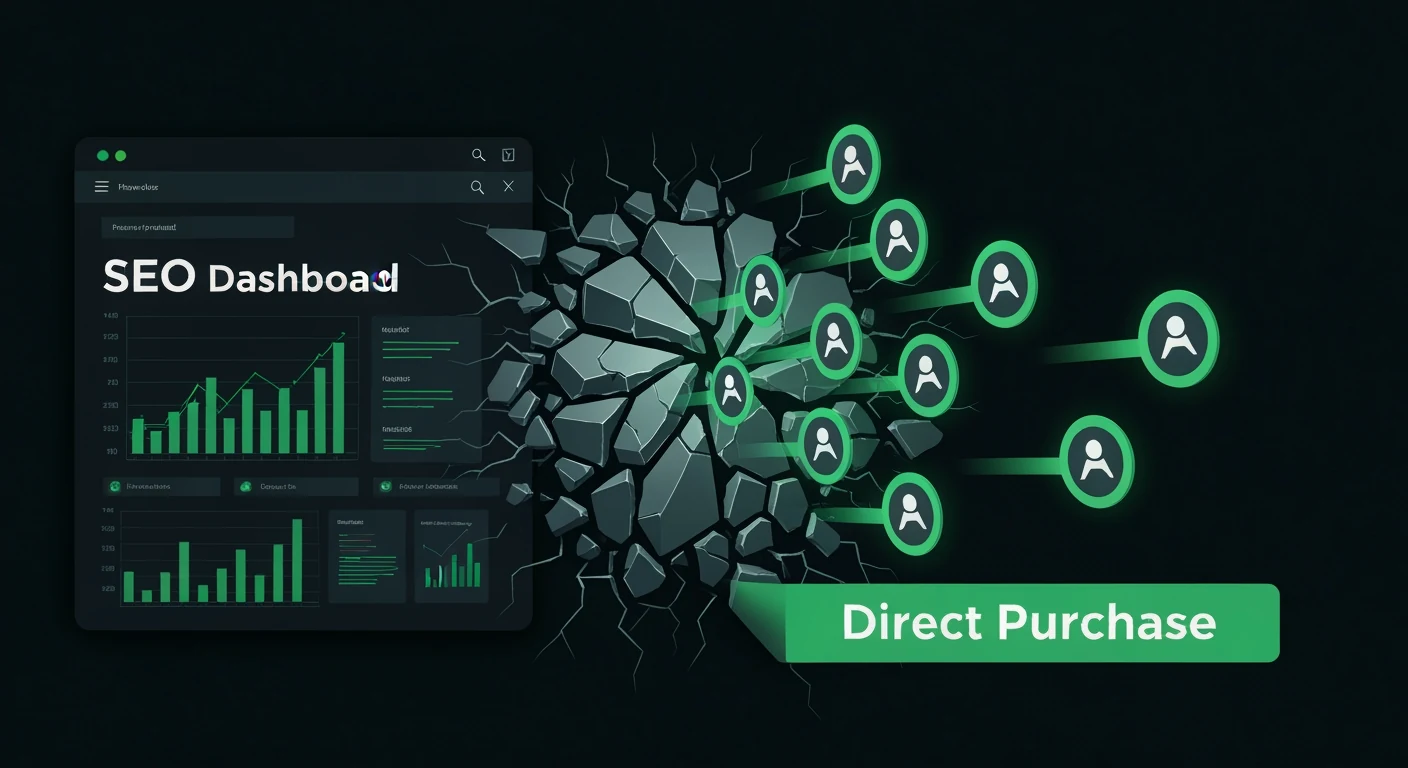
UCP Is an SEO Killer (And That’s Fine)
When AI agents shop without visiting your site, the entire SEO industry built for human eyeballs becomes irrelevant. What replaces it, what you do now, and
-

Six Protocols Walk Into a Bar
UCP, ACP, AP2, A2A, MCP, Retail-MCP — six standards fighting to govern agentic commerce. Will cuts through the noise: what each one does, which overlap, wh
-

Protocol vs Platform: The Future of Digital Commerce
For two decades, platforms controlled digital commerce — setting the fees, owning the data, and dictating the rules. A quiet architectural shift is changing that. Protocol-based commerce proposes open infrastructure that no single company owns, where AI agents transact across any merchant natively and sellers compete on merit rather than platform access. The question is…