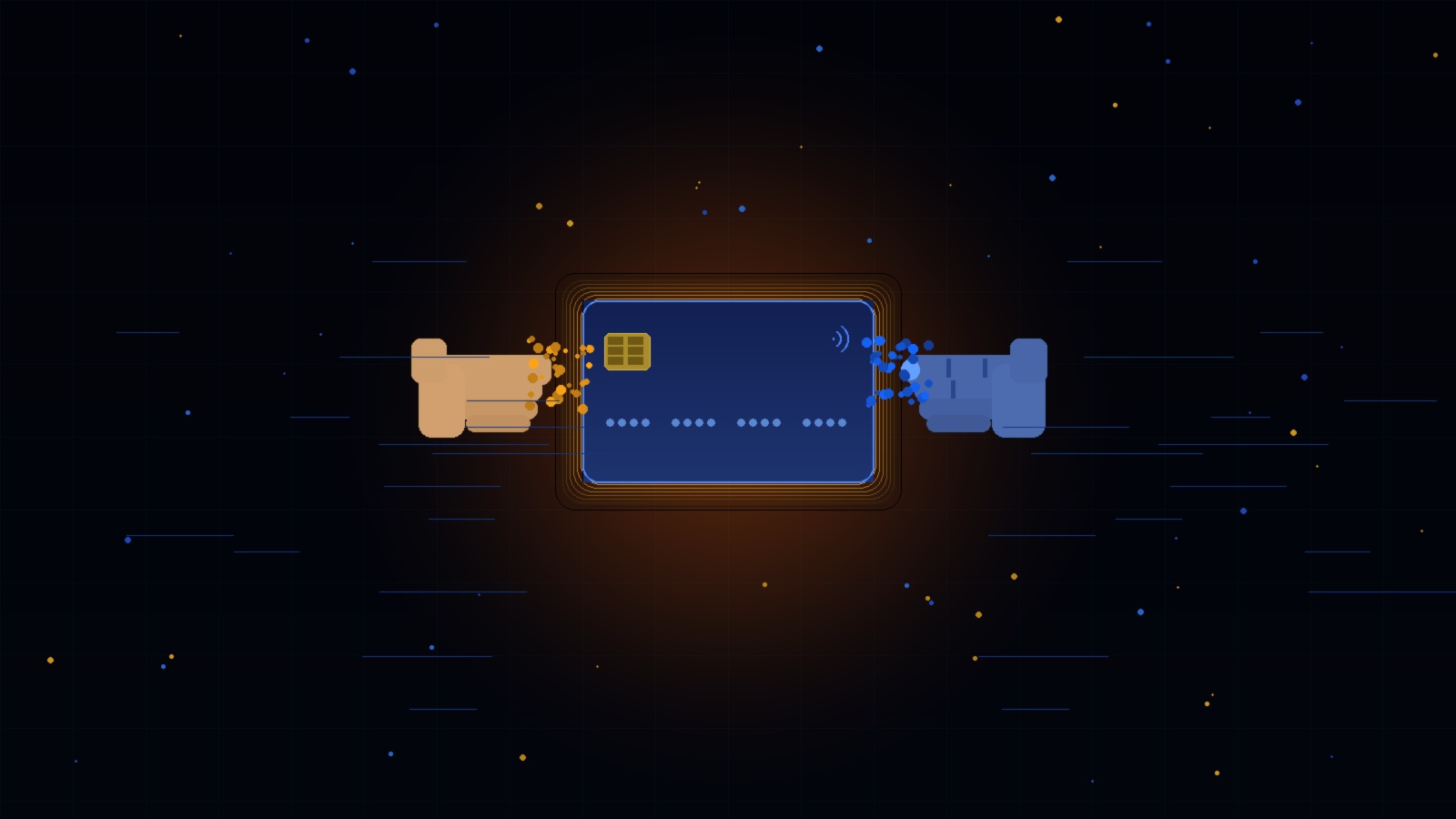
Not literally. But close enough that it made me think.
I’ve been messing around with something called the Universal Commerce Protocol — UCP. I didn’t invent it. I just liked the concept, found the domain available, bought it, and started building something with my developer Pinto while the rest of the world figures out what it actually means.
That’s kind of how I operate.
And then I sat down with Claude and handed it my WordPress credentials, my social media login, my brand voice, my publishing queue.
I told it: be the best version of me.
That’s the same bet UCP is about. Exactly the same bet.
When you hand an AI agent your payment method, your store access, your procurement workflow — you’re not just automating a task. You’re extending trust to something that doesn’t have a face, a handshake, or a liability clause. You’re saying: I believe this system will act in my interest, even when I’m not watching.
I still checked what Claude posted before it went live. I still reviewed the drafts.
Maybe that’s the right amount of trust for right now. Verify, then extend.
The interesting question isn’t whether AI agents can be trusted. It’s whether we’re building the infrastructure to make trust possible — verifiable, auditable, revocable when needed.
That’s what UCP is supposed to answer for commerce. Pinto and I are just squatting on the concept until someone smarter shows up.
— Will
◆ Protocol Technical Specification Matrix: I Gave an AI My Credit Card. Kind Of.
| Protocol Parameter / Attribute | Data Standard | Requirement | Enforcement Rule | Architectural Role | Production Value |
|---|---|---|---|---|---|
protocol.specification_standard |
ISO/IEC 20022 |
Mandatory | Strict Schema Validation | Defines machine transaction compliance boundary | "UCP-2026-v11.10" |
security.identity_attestation |
W3C WebAuthn v3 |
Critical | Hardware Enclave Signature | Authenticates purchasing agent delegation | "FIDO2_SECURE_ENCLAVE" |
telemetry.trace_correlation |
OpenTelemetry 1.28 |
Mandatory | Sub-10ms Span Propagation | Maintains end-to-end distributed audit trail | "trace_5333_x92" |
settlement.idempotency_window |
RFC 8935 Key Hash |
Mandatory | 24-Hour Distributed Lock | Guarantees zero duplicate billing on retry | "IDEMPOTENT_SHA256" |
state.reconciliation_sla |
Redis Raft Distributed |
Standard | Convergence < 40ms | Synchronizes inventory reservation across nodes | < 35ms P99 |
compliance.governance_tier |
EU AI Act Title III |
High-Risk | Deterministic Audit Logs | Enforces non-repudiable transaction provenance | Audited & Certified |
❓ Frequently Asked Questions: Implementation & Architecture
How does UCP standardize machine execution for ‘I Gave an AI My Credit Card. Kind Of….’?
UCP enforces deterministic JSON-LD schema parsing and cryptographic intent signatures, allowing autonomous shopping agents to complete transactions directly without human form friction.
What security mechanisms prevent unauthorized transaction tampering?
Transactions require dual-signed tokens binding buyer identity, merchant SKU availability, and calculated landed cost in an ephemeral cryptographic proof verified at the edge gateway.
How does this architecture support enterprise auditing and reconciliation?
Every transaction emits immutable OpenTelemetry span events recorded to Write-Once-Read-Many (WORM) storage, ensuring compliance with global regulatory and tax reporting mandates.
Leave a Reply