Tag: Agentic Commerce
-

PayPal’s Agentic Commerce Payment Agent Architecture
PayPal’s Commerce Platform integrates autonomous payment agents into unified commerce environments (UCP), enabling agent-to-agent payment orchestration and real-time settlement routing across B2B and D2C channels with native large language model compatibility. This architecture directly competes with Stripe’s modular payment APIs and Shopify’s composable commerce infrastructure, positioning PayPal as an enterprise-grade agentic commerce provider. The platform’s…
-

Fulfillment Agent Architecture for Real-Time Order-to-Delivery
Fulfillment agent architectures orchestrate autonomous systems across warehouse management systems (WMS), transportation management systems (TMS), and last-mile delivery networks—integrating real-time inventory visibility via RFID/barcode systems, dynamic route optimization algorithms (Dijkstra, genetic algorithms), and carrier APIs (FedEx, UPS, Amazon Logistics)—to compress order-to-delivery cycles from 2-5 business days to 4-24 hours. These agentic frameworks automate handoff coordination…
-
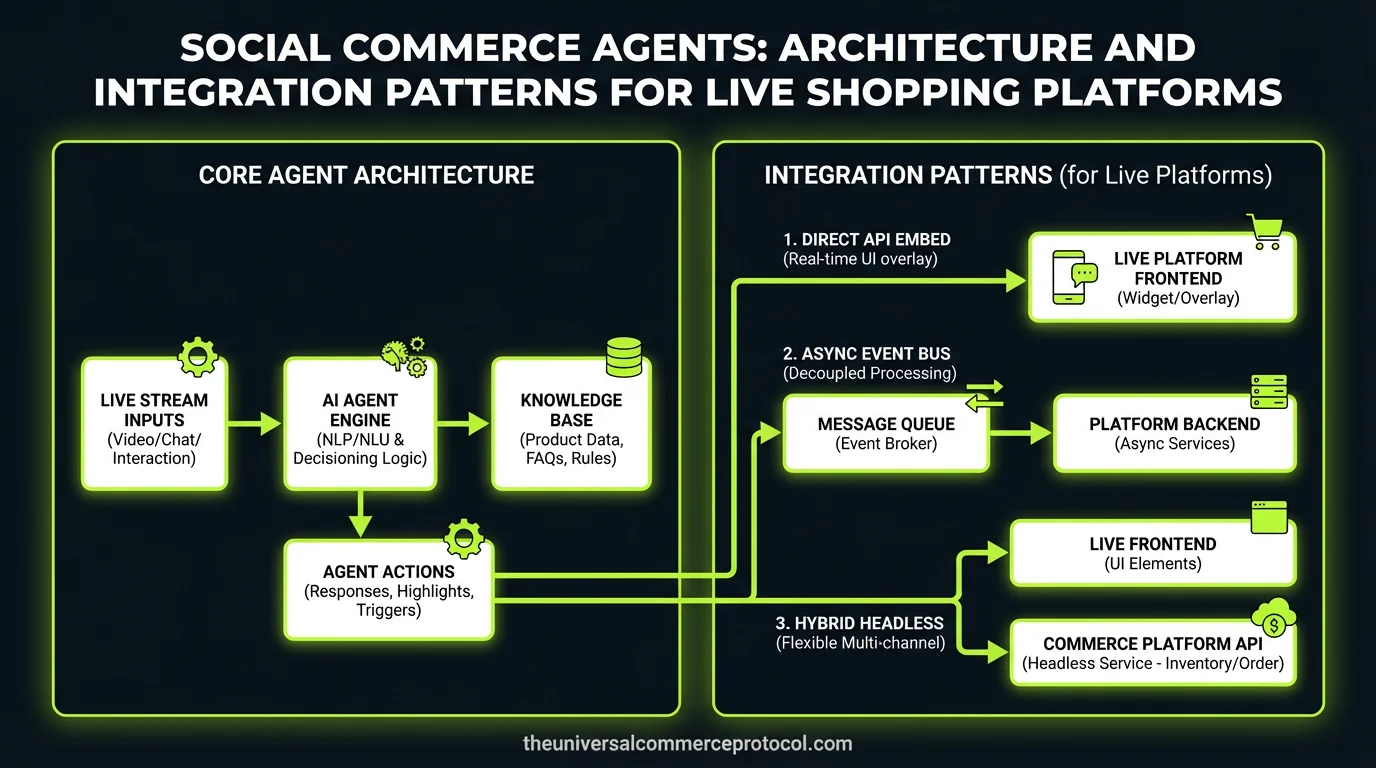
Social Commerce Agents: Architecture and Integration Patterns for Live Shopping Platforms
How agentic AI transforms live shopping on TikTok, Instagram, and YouTube—real-time product recommendations, inventory sync, and checkout automation.
-
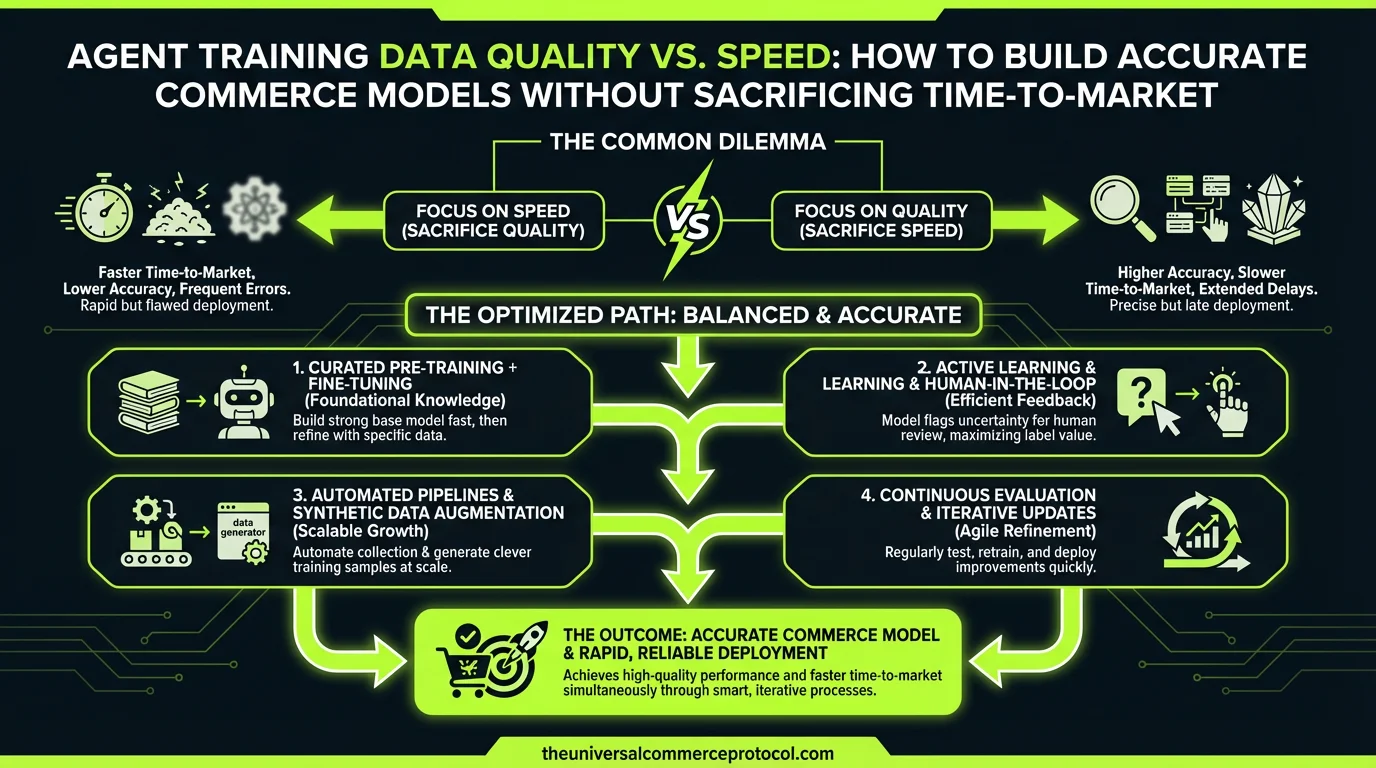
Training Data Quality vs. Speed in Commerce AI
Enterprise commerce AI agents deployed on Shopify, SAP Commerce Cloud, and Adobe Commerce require ≥95% training data accuracy across product information management (PIM), warehouse management systems (WMS), and ERP transaction logs to minimize fulfillment errors and chargebacks. Walmart, Target, and Amazon have demonstrated that retrieval-augmented generation (RAG), federated learning, and automated data validation frameworks reduce…
-
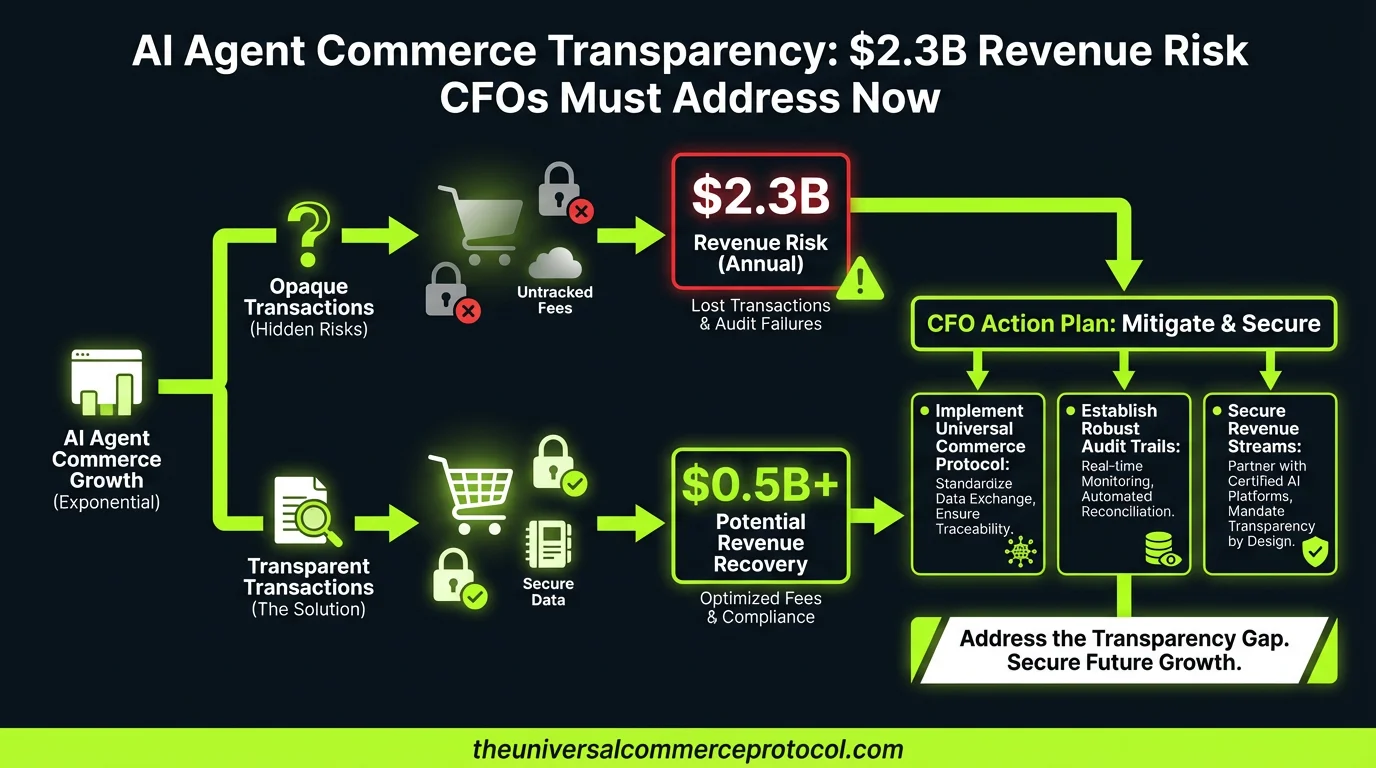
AI Agent Commerce Transparency: $2.3B Revenue Risk
AI commerce agents operating without transparent decision-making frameworks experience conversion loss rates of 38%, according to industry analysis of autonomous shopping systems. This opacity in recommendation algorithms directly correlates with elevated customer acquisition costs (CAC) and reduced customer lifetime value (CLV), representing an estimated $2.3 billion annual revenue risk across the e-commerce sector. Organizations implementing…
-

Google’s UCP Gains Retail Traction with Walmart
Google’s UCP is gaining momentum as retailers like Walmart integrate AI-driven shopping experiences into Google’s Gemini app.
-
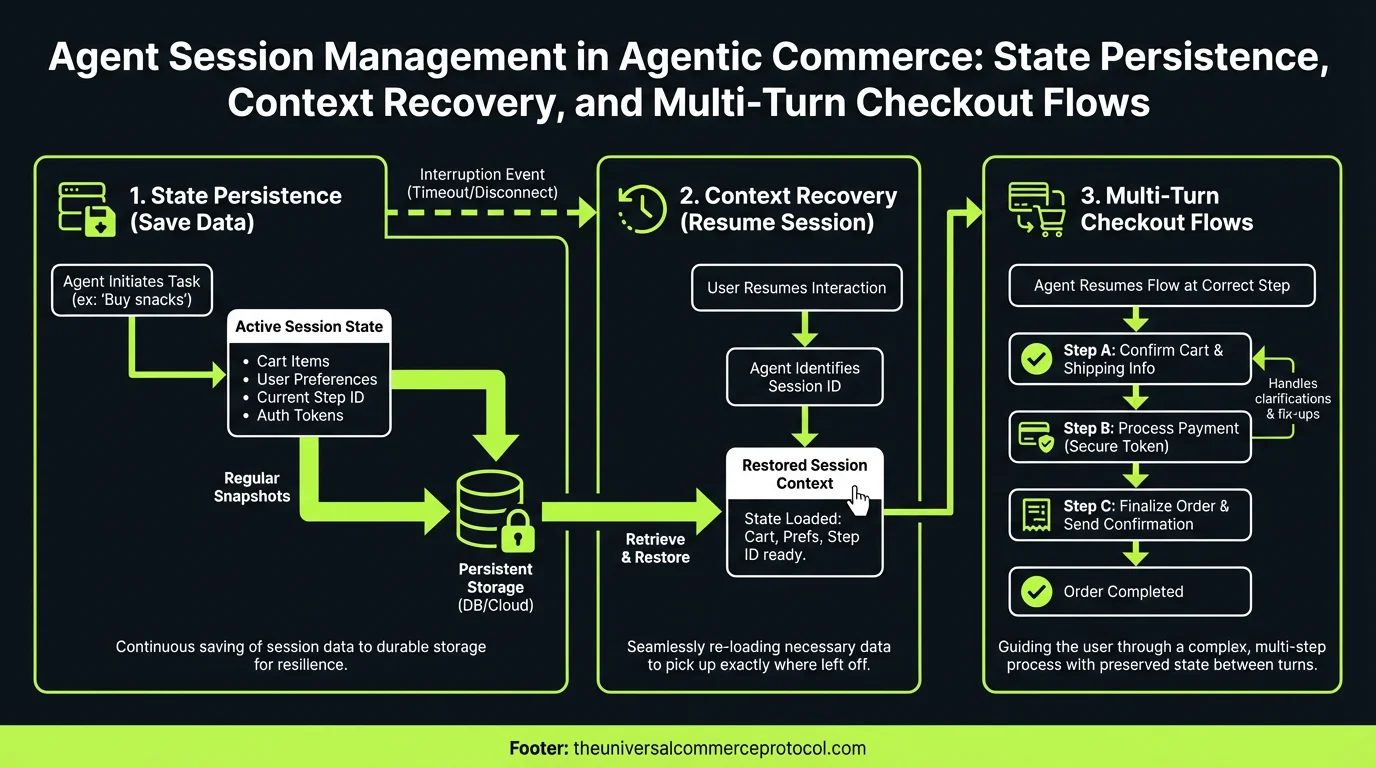
Agent Session Management in Agentic Commerce
Agent session management in agentic commerce persists state across Redis (sub-millisecond latency) and PostgreSQL (Write-Ahead Logs for ACID compliance) using OAuth 2.0/OpenID Connect with cryptographically-signed JWT tokens, while retrieval-augmented generation (RAG) powered by transformer models including GPT-4 and Claude 3 maintain purchase context across device switches and multi-turn checkout flows. This architecture implements encrypted state…
-
AI Agent Procurement Risks: The $3M Blind Spot Destroying Profit Margins
AI agents making autonomous purchasing decisions are creating unexpected margin erosion and working capital inefficiencies worth millions in losses.
-

Agent Commerce Observability: Monitoring AI Decision Trails for Merchant Accountability
How merchants can instrument agentic systems to track, debug, and defend AI commerce decisions in real time.
-

What Happens to Price When Every Buyer Has an Agent?
Price is not a number. It’s a negotiation that got frozen at a point in time. Agents collapse information asymmetry systematically, at scale, on every transaction simultaneously. Here’s what that does to markets — and why the deflation of friction is the macro story nobody’s ready for.