Tag: Google
-

Introduction to the Universal Commerce Protocol (UCP): The Future of Transactions
Learn how the Universal Commerce Protocol (UCP) is revolutionizing e-commerce with agent-led transactions and zero-friction interoperability.
-

Zero-Trust Agent Models: Protecting User Data in UCP
How UCP implements zero-trust principles to protect sensitive merchant and consumer data during agent-led commerce.
-
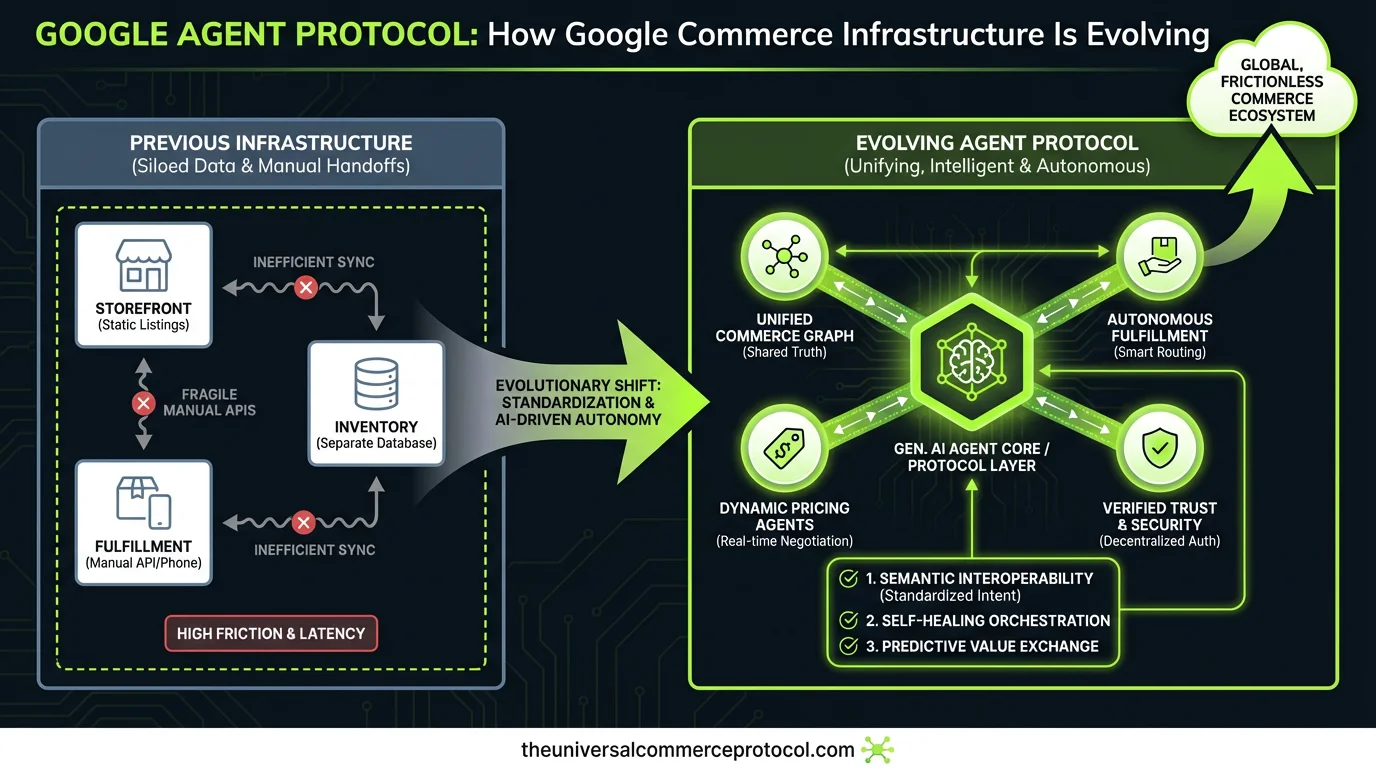
Google Agent Protocol: How Google Commerce Infrastructure Is Evolving
Google’s agent infrastructure is reshaping commerce through autonomous systems that align with Universal Commerce Protocol standards. Discover how Google’s technical stack enables next-generation agentic commerce capabilities.
-
Mastercard & Google Launch Trust Layer for AI Commerce
Mastercard International Incorporated and Google LLC co-developed Verifiable Intent, an open technical standard leveraging cryptographic verification and digital credentials to authenticate AI agent-initiated commerce transactions across payment networks. The framework implements intent-based authorization protocols to validate merchant legitimacy and transaction authenticity in autonomous agent ecosystems. This collaborative initiative addresses security vulnerabilities inherent in agentic commerce…
-

Optimize Google Merchant Center Supplemental Feeds for UCP
Google Merchant Center Supplemental Feeds enable merchants to augment primary product catalogs with additional attributes, pricing variants, and inventory signals for Unified Commerce Platform (UCP) implementations. These feeds integrate with Google’s agentic commerce systems to enhance product discoverability, support dynamic pricing strategies, and improve conversion rates across Search, Shopping, and Performance Max campaigns. Proper supplemental…
-

Beyond the Browser: UCP in Wearables and IoT
How the Universal Commerce Protocol (UCP) enables native checkout on smart glasses, watches, and IoT devices.
-
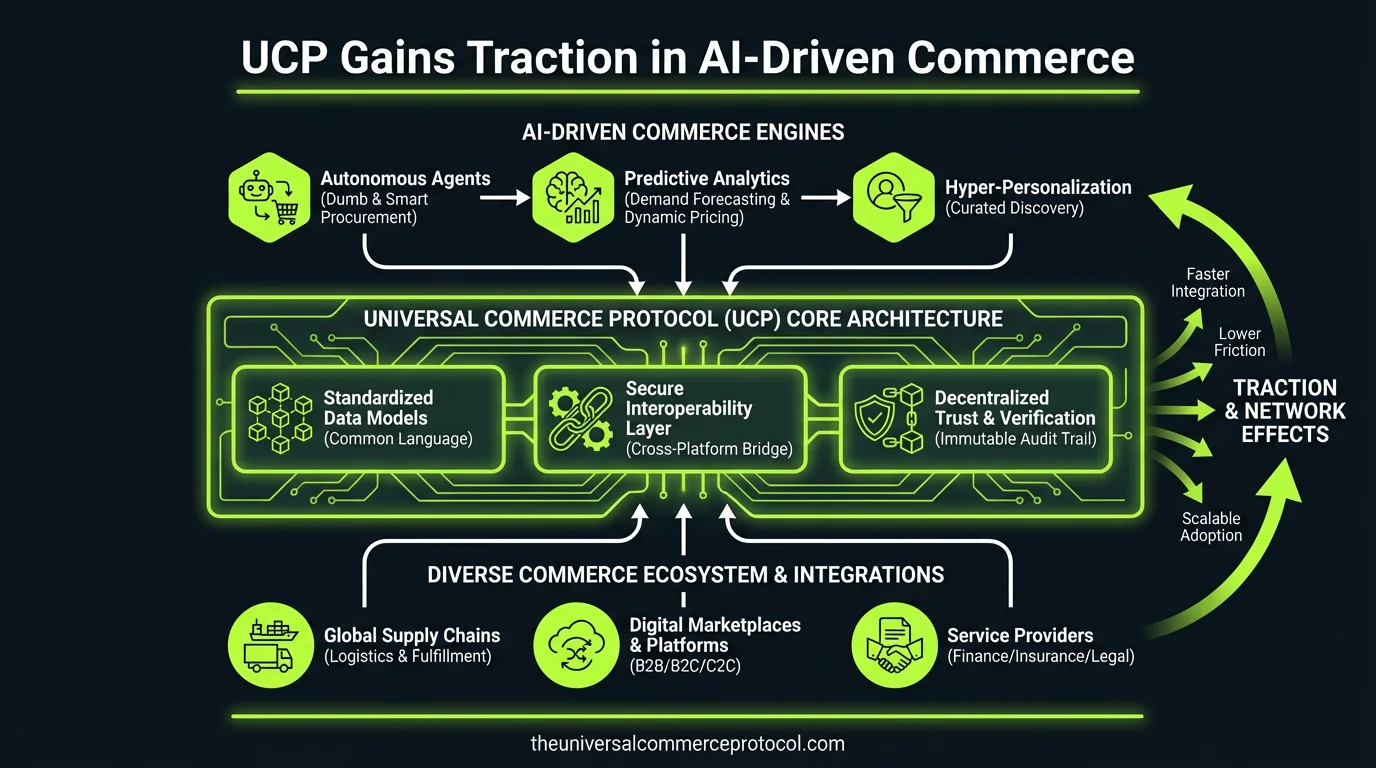
UCP Gains Traction in AI-Driven Commerce
Google’s Universal Commerce Protocol (UCP) gains traction, enabling in-app purchases directly from Google Search and Gemini.
-
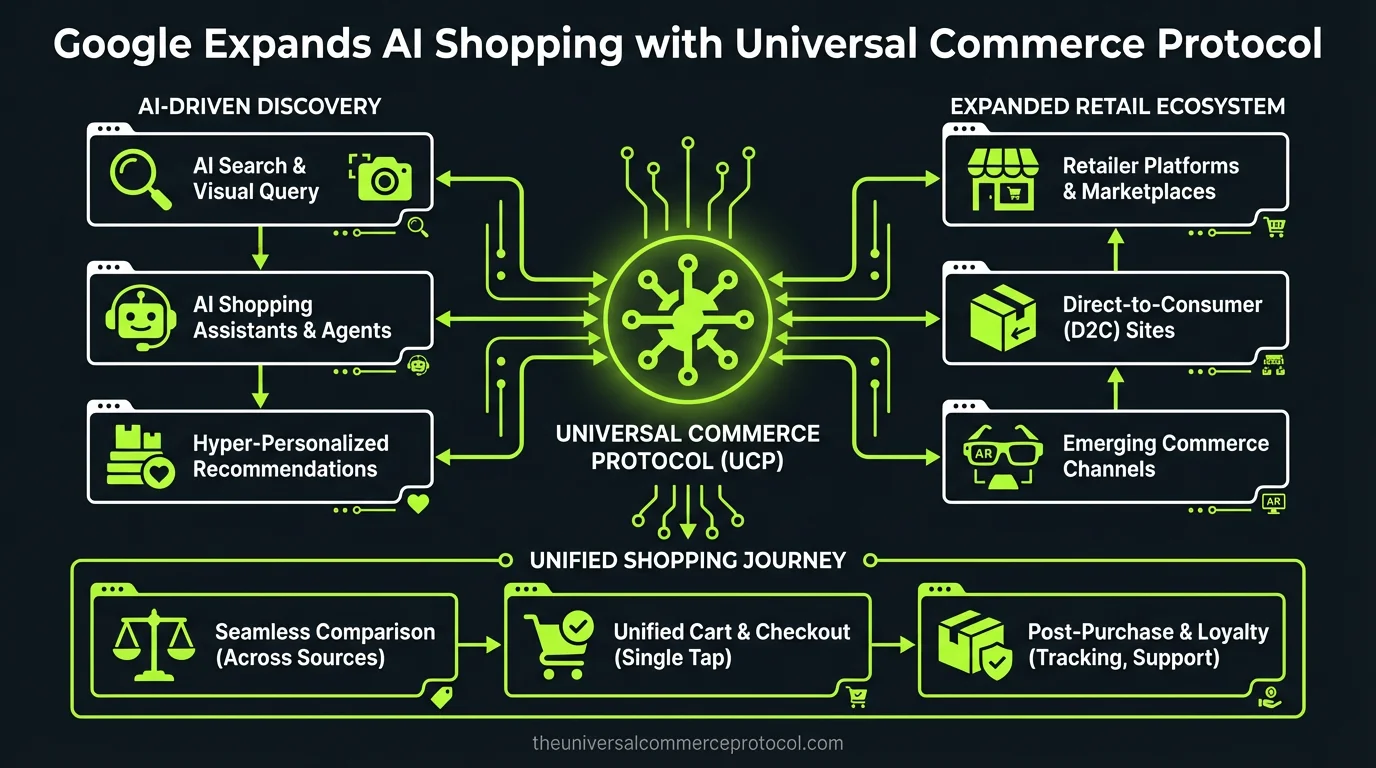
Google Expands AI Shopping with Universal Commerce
Google’s Universal Commerce Protocol (UCP) expansion across the United States integrates generative AI-powered product discovery and real-time checkout into Google Search, Google Maps, and YouTube, enabling merchants to synchronize inventory dynamically while leveraging Google’s AI infrastructure for streamlined customer journeys. This initiative directly competes with Amazon’s e-commerce ecosystem by embedding transactional capabilities into Google’s search…
-
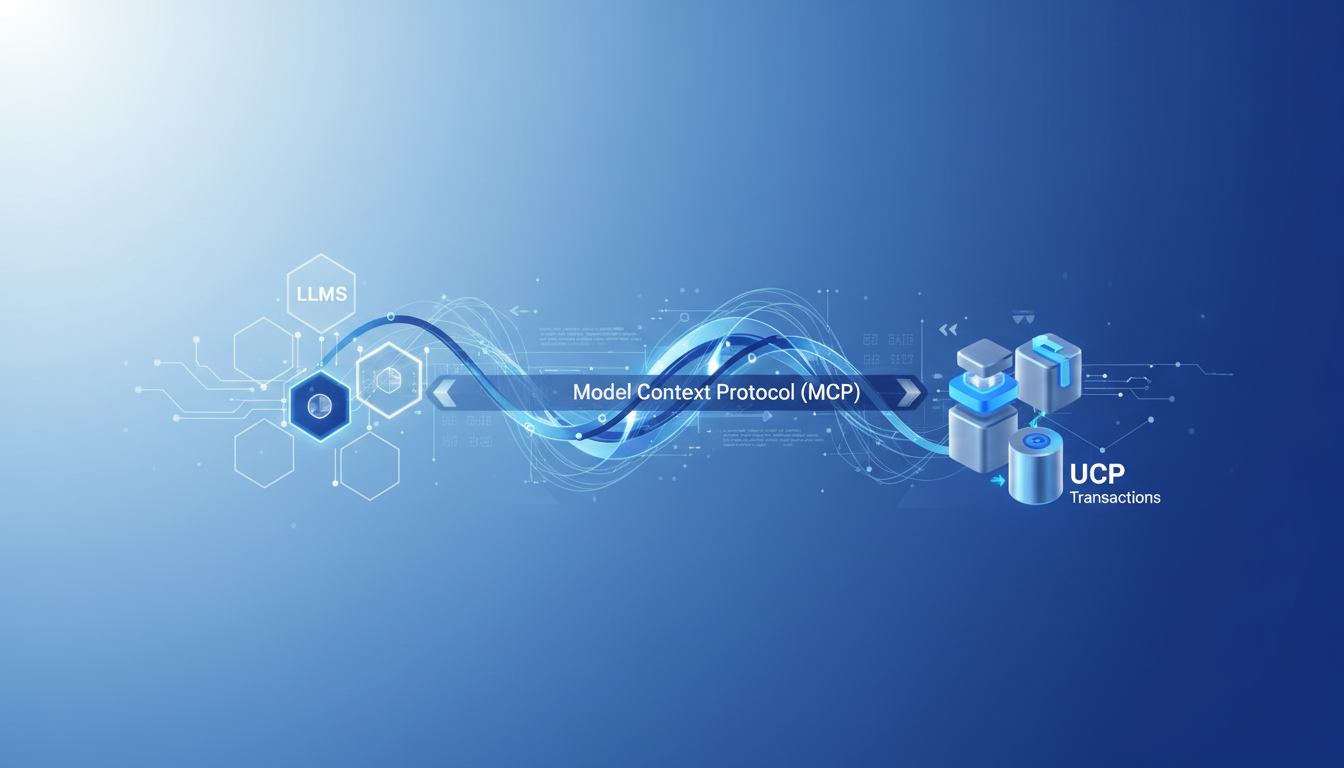
MCP: Bridging LLMs and Universal Commerce Protocol
The Model Context Protocol (MCP), developed collaboratively by Anthropic and Google, is a standardized framework that enables Large Language Models (LLMs) to securely interface with Universal Crypto Protocol (UCP) transaction systems through verified context windows. MCP architecture allows AI agents to access real-time blockchain data, validate smart contract interactions, and execute transactions while maintaining cryptographic…
-
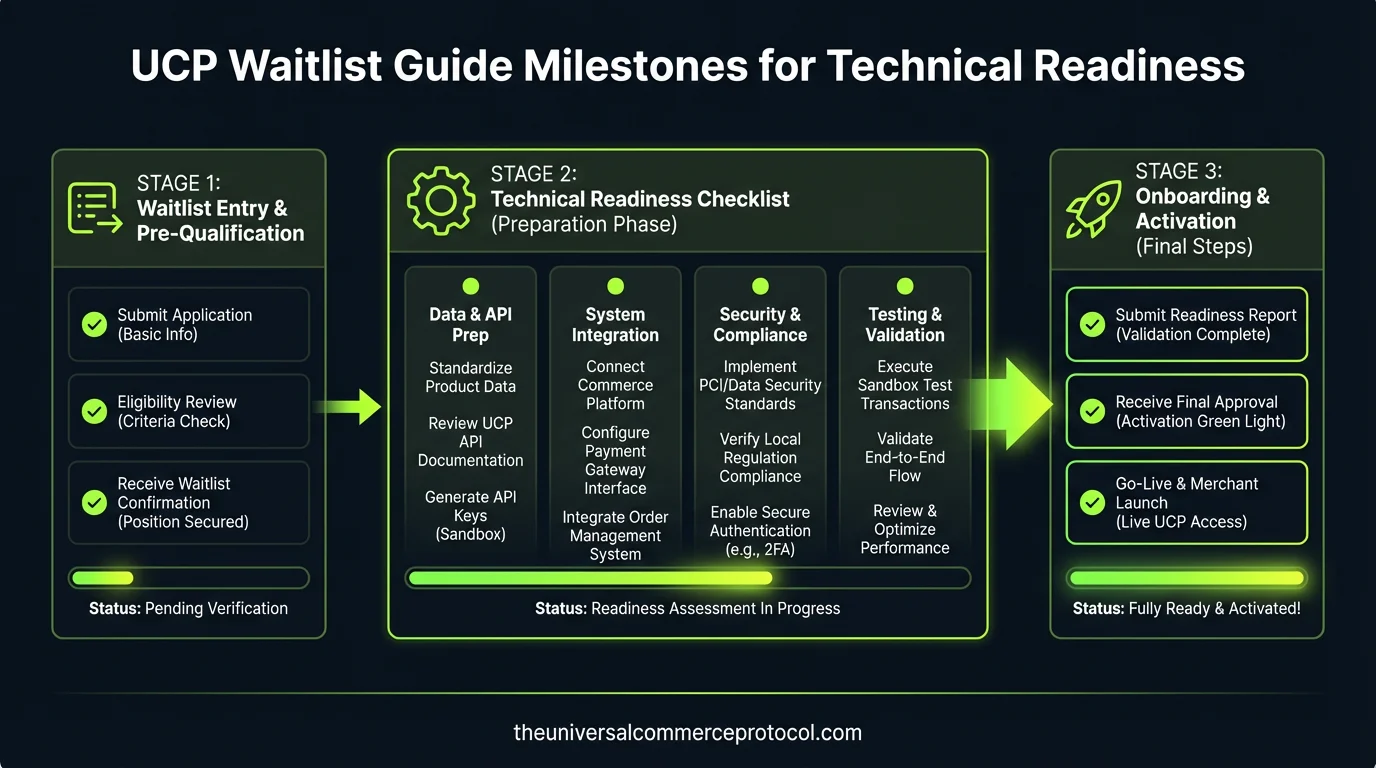
UCP Waitlist Guide: Technical Readiness Milestones
The Unified Commerce Platform (UCP) waitlist requires merchants to complete specific technical readiness milestones including API integration certification, inventory synchronization across channels, and payment gateway compliance validation before agentic commerce deployment. Merchants must demonstrate end-to-end order orchestration capabilities, real-time data pipeline configuration, and AI-agent interaction protocols across supported commerce channels such as web, mobile, and…