Tag: Merchant of Record
-
Will’s Take: UCP’s Merchant of Record Promise Is a Checkout Interface Play — Not a Power Position
UCP calls merchants the merchant of record — but who actually controls discovery, checkout, payment, and customer data? A critical look at the power asymmetry in agentic commerce.
-
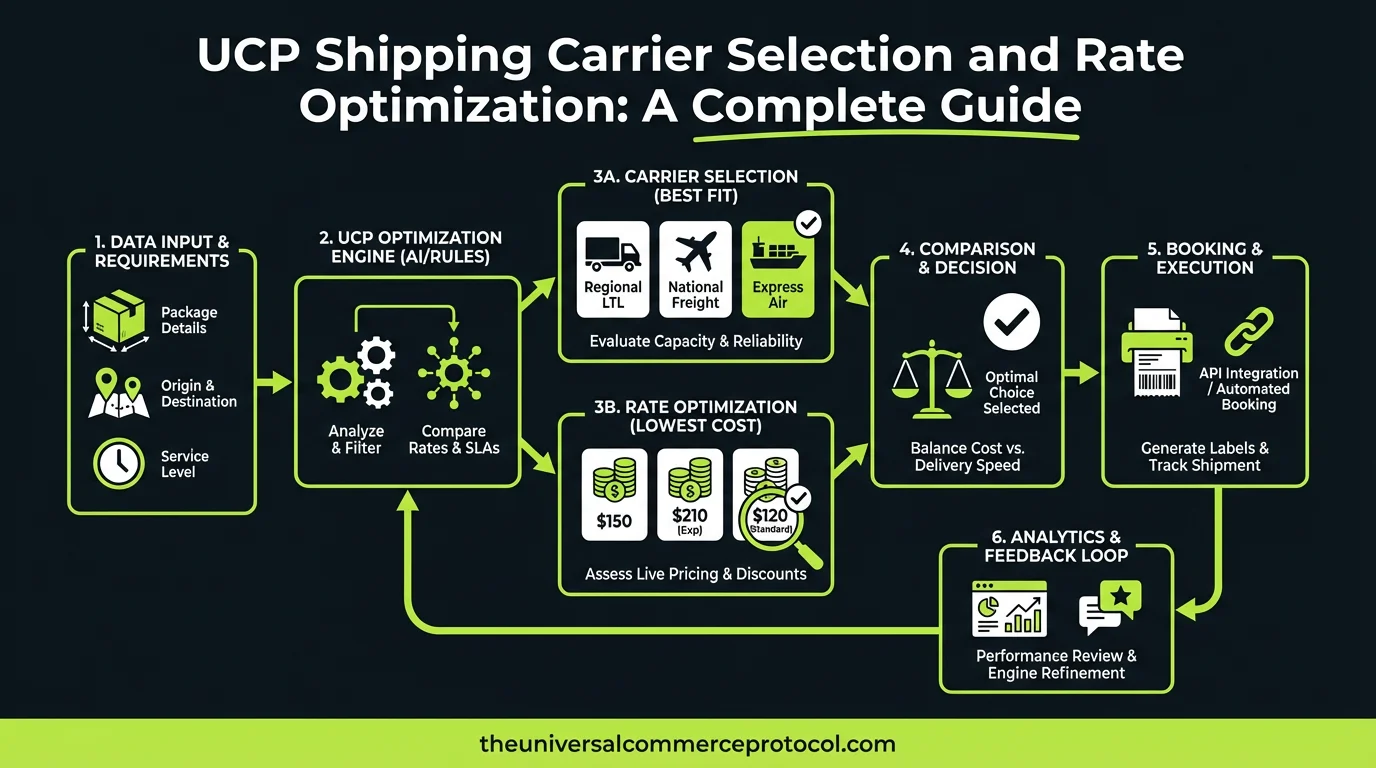
UCP Shipping Carrier Selection & Rate Optimization
Universal Commerce Protocol (UCP) standardizes shipping integrations with USPS, FedEx, UPS, and DHL via REST and GraphQL APIs, performing real-time dimensional weight calculations and zone-based rate optimization across Shopify, WooCommerce, and custom e-commerce platforms. UCP’s carrier-selection algorithms dynamically compare service offerings—including USPS Priority Mail Express, FedEx Ground, and UPS Next Day Air—against delivery SLAs to…
-
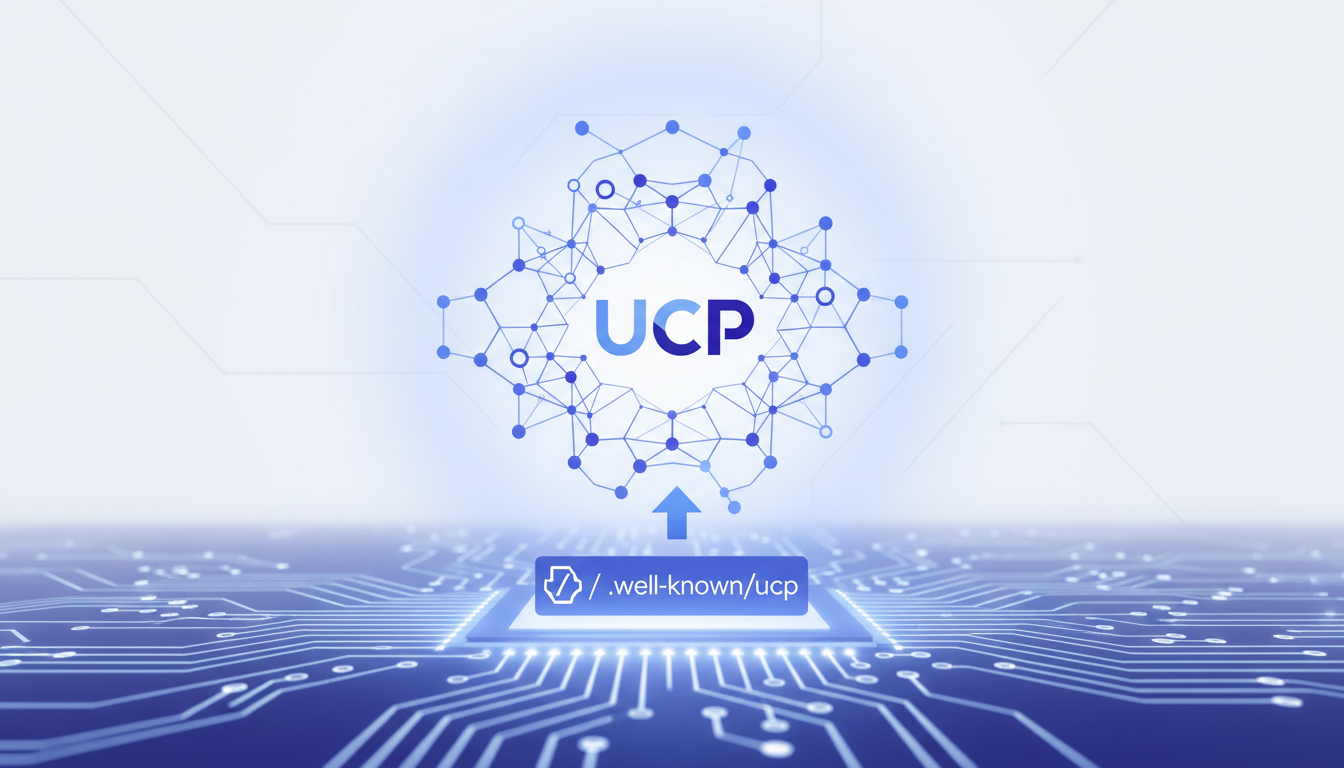
/.well-known/ucp Endpoint: Universal Commerce Protocol
The /.well-known/ucp endpoint is a standardized discovery mechanism defined in RFC specifications that enables e-commerce platforms to advertise Unified Commerce Platform (UCP) capabilities and API endpoints. Implementing this endpoint requires serving a JSON configuration file at https://yourdomain.com/.well-known/ucp containing vendor metadata, supported protocols, and authentication mechanisms to establish interoperability with UCP-compliant clients and aggregators. This Well-Known…
-

Why Your Business Needs a Merchant of Record in AI Commerce
A Merchant of Record (MoR) operating within Unified Commerce Platform (UCP) infrastructure assumes legal responsibility for payment processing, sales tax collection, and regulatory compliance across multiple jurisdictions—critical for AI-driven agent commerce operating in the European Union, United States, and Asia-Pacific markets. By centralizing merchant liability, MoR services eliminate fragmented compliance obligations related to GDPR, PCI-DSS,…
-
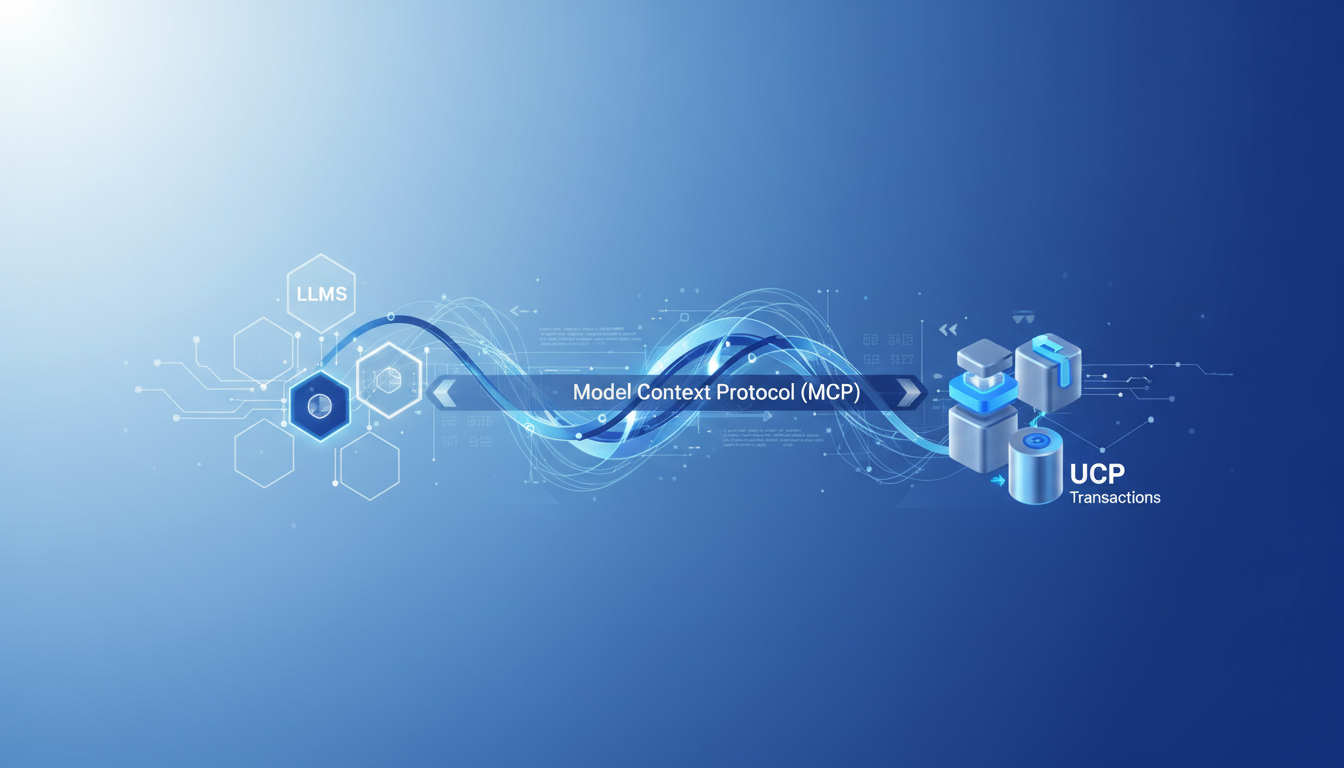
MCP: Bridging LLMs and Universal Commerce Protocol
The Model Context Protocol (MCP), developed collaboratively by Anthropic and Google, is a standardized framework that enables Large Language Models (LLMs) to securely interface with Universal Crypto Protocol (UCP) transaction systems through verified context windows. MCP architecture allows AI agents to access real-time blockchain data, validate smart contract interactions, and execute transactions while maintaining cryptographic…
-

Introduction to the Universal Commerce Protocol (UCP): The Future of Transactions
Learn how the Universal Commerce Protocol (UCP) is revolutionizing e-commerce with agent-led transactions and zero-friction interoperability.
-

Optimize Google Merchant Center Supplemental Feeds for UCP
Google Merchant Center Supplemental Feeds enable merchants to augment primary product catalogs with additional attributes, pricing variants, and inventory signals for Unified Commerce Platform (UCP) implementations. These feeds integrate with Google’s agentic commerce systems to enhance product discoverability, support dynamic pricing strategies, and improve conversion rates across Search, Shopping, and Performance Max campaigns. Proper supplemental…
-
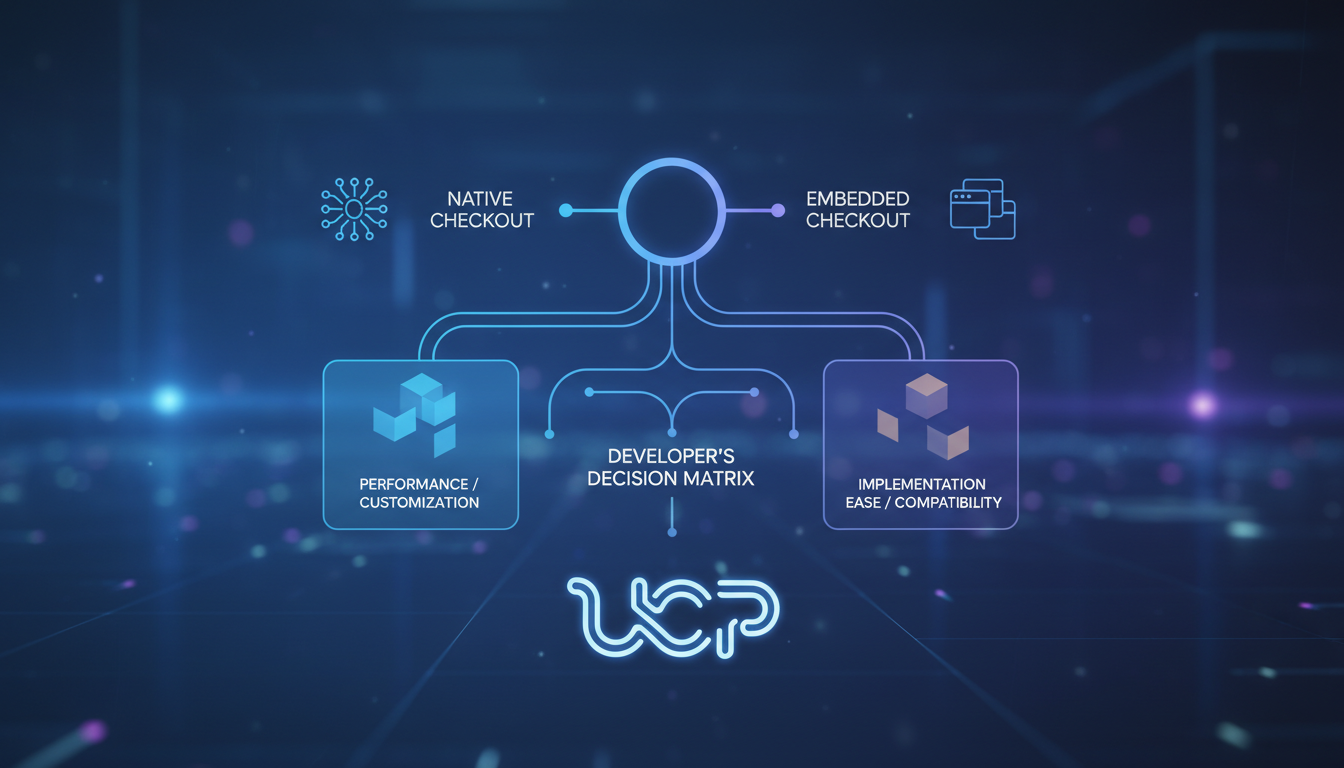
Native vs. Embedded Checkout Paths: A Developer’s Decision Matrix
Comparing the two primary implementation strategies for UCP: Native Agent execution versus Embedded checkout frames.
-

The Road to Agentic Commerce: Why Traditional E-commerce is Failing
Why the shift from browser-based shopping to agent-led commerce is inevitable and how UCP facilitates this transition.
-

Unlocking Google Pay in the Gemini Commerce Ecosystem
How UCP bridges Google Gemini’s intent parsing with Google Pay’s secure payment tokenization for a complete commerce loop.