Tag: Model Context Protocol
-
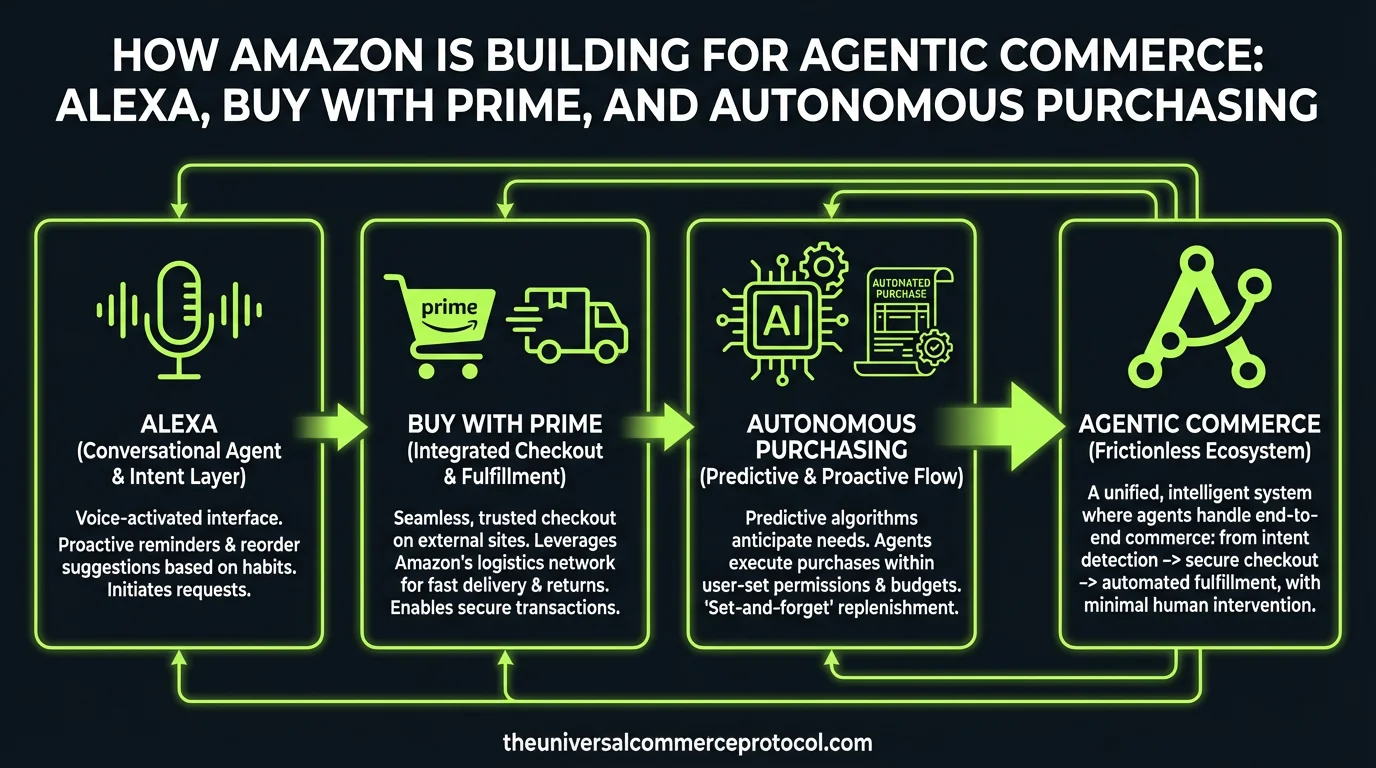
How Amazon Is Building for Agentic Commerce: Alexa, Buy
Amazon is strategically positioning itself as a leader in agentic commerce through Alexa’s autonomous purchasing capabilities, Buy with Prime integration, and machine learning-driven shopping agents. Discover how the e-commerce giant is reshaping commerce through agent-driven transactions and what it means for the Universal Commerce Protocol ecosystem.
-

Anthropic Marketplace, Verifiable Intent Boost Agentic Commerce
Anthropic launched Claude Marketplace, offering third-party tools for its Claude AI assistant.
-
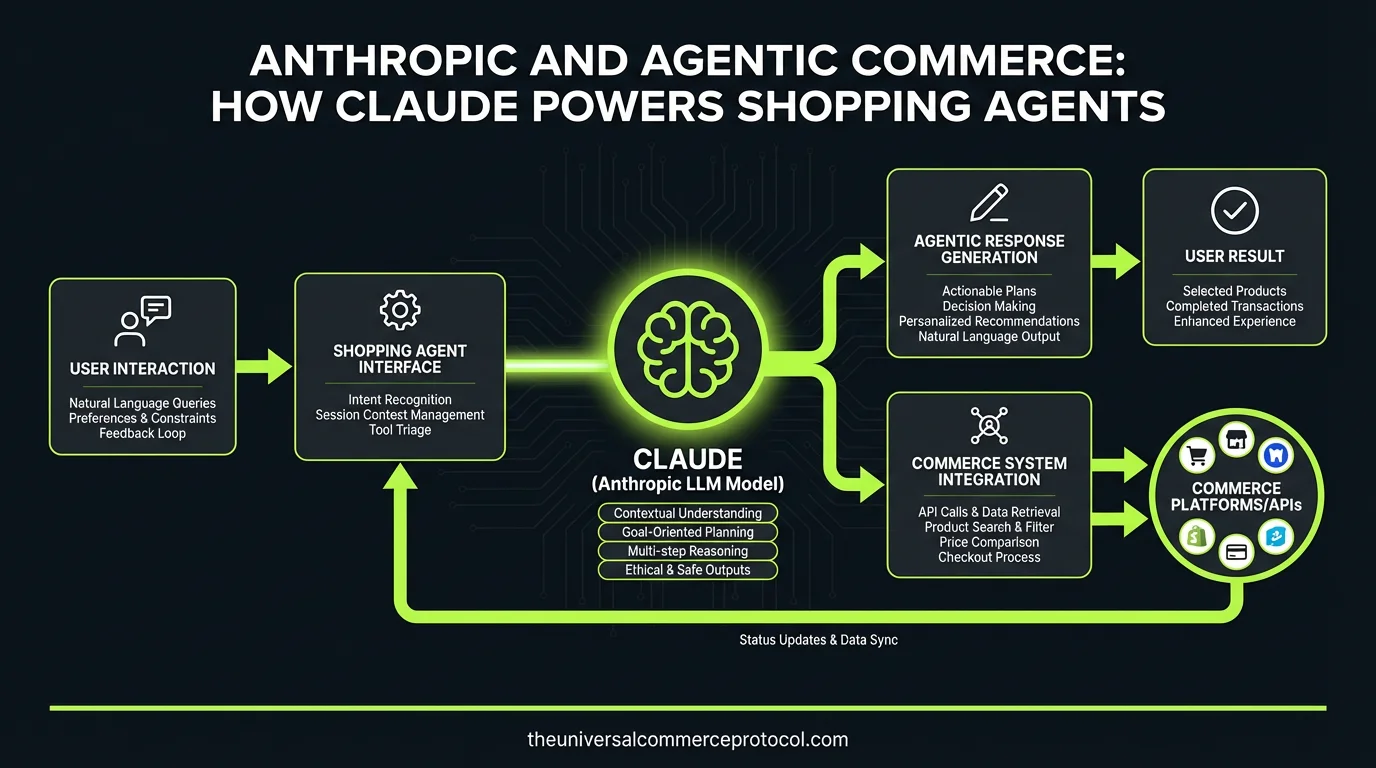
Claude eCommerce: How Anthropic Claude Powers Autonomous Shopping Agents & UCP Integration (2026)
Claude by Anthropic enables sophisticated agentic commerce through advanced tool use and constitutional AI safety frameworks. Learn how Claude powers the next generation of autonomous shopping agents while maintaining payment security and user trust.
-

Six Protocols Walk Into a Bar
UCP, ACP, AP2, A2A, MCP, Retail-MCP — six standards fighting to govern agentic commerce. Will cuts through the noise: what each one does, which overlap, wh
-
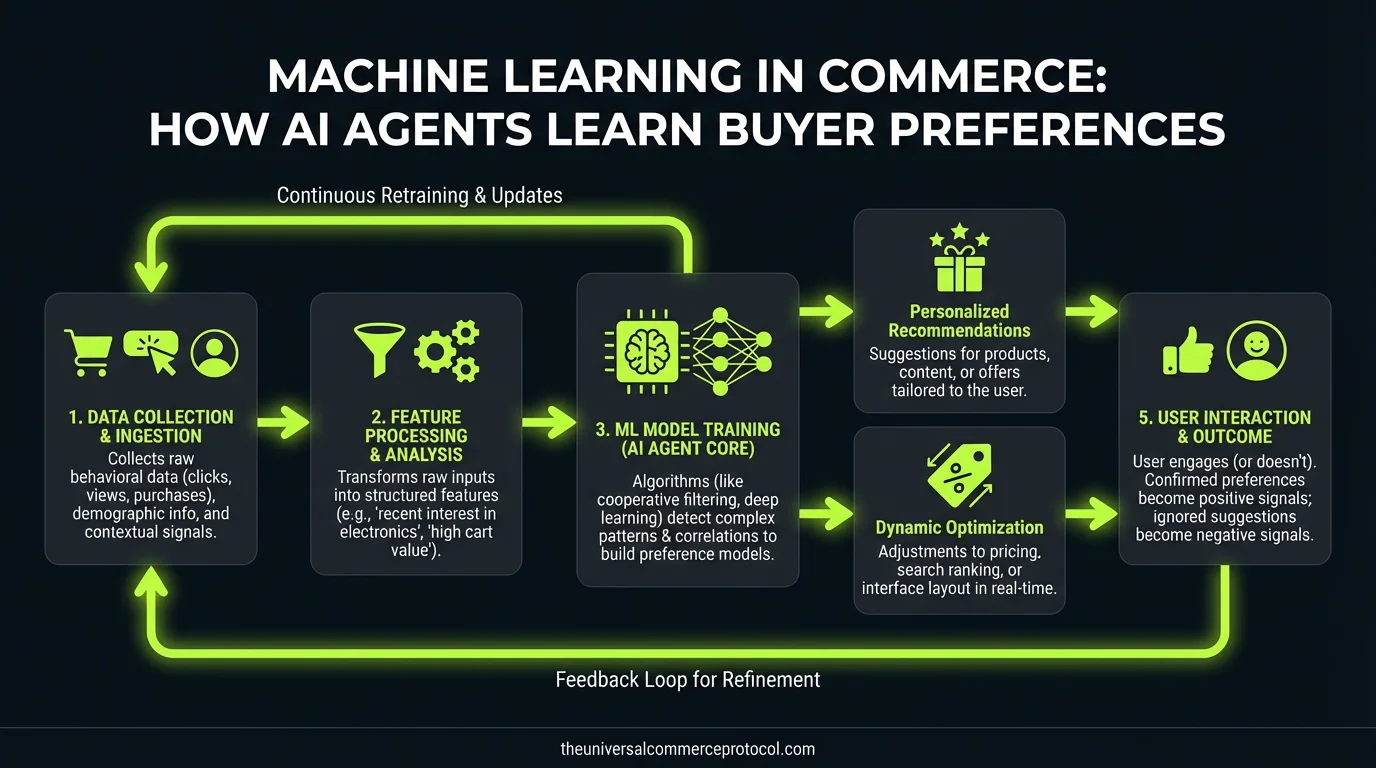
Machine Learning in Commerce: How AI Agents Learn Buyer Preferences
AI shopping agents powered by machine learning are revolutionizing how commerce platforms understand and predict buyer behavior. Discover how preference learning engines enable autonomous purchasing decisions within the Universal Commerce Protocol framework.
-
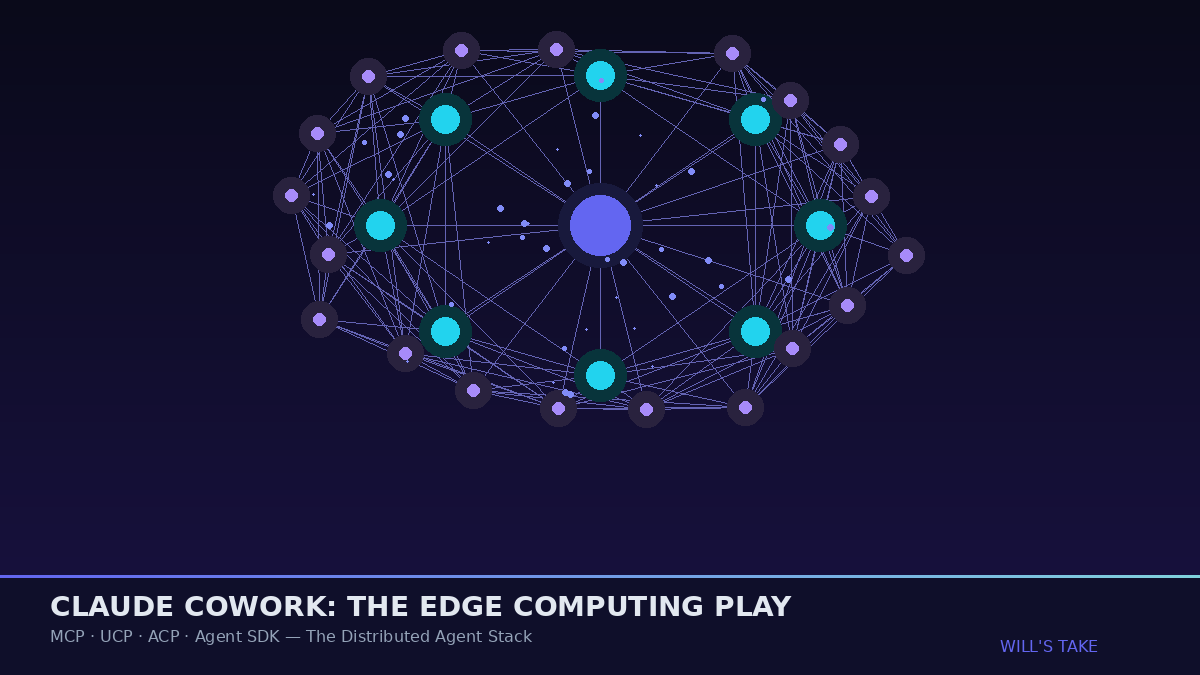
Claude Cowork Is Anthropic’s Edge Computing Play — What It Means for the Entire Agent Stack
Anthropic moved AI execution to your laptop. Paired with MCP, Google’s UCP, and OpenAI’s ACP, it fundamentally rewrites the agentic commerce infrastructure stack. Here’s the full architectural breakdown.
-
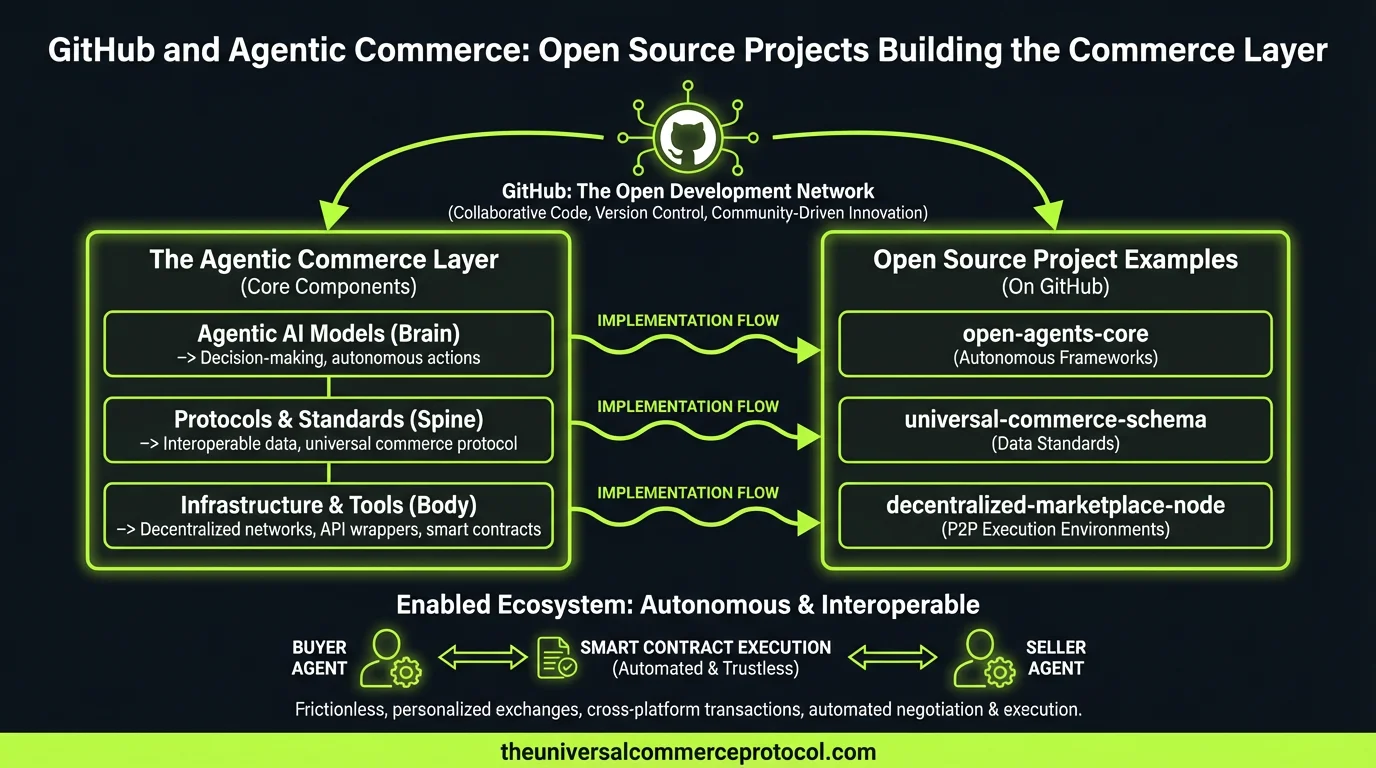
GitHub and Agentic Commerce: Open Source Projects Building the Commerce Layer
Explore the developer ecosystem building agentic commerce on GitHub, from agent payment protocols to open source frameworks enabling autonomous transactions. Discover how developers are constructing the foundational layer for machine-to-machine commerce.
-
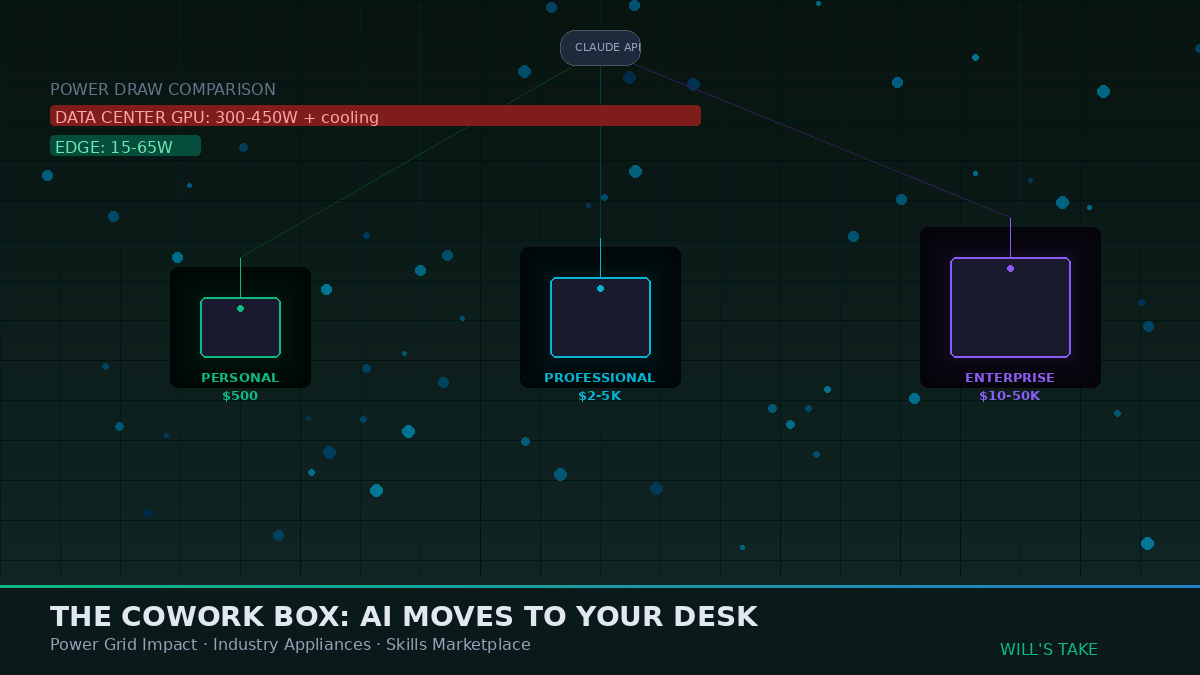
The Cowork Box: What Happens to the Power Grid When AI Moves to Your Desk
If the Cowork model wins, AI execution moves from data centers drawing 300-450 watts per GPU to edge devices drawing 15-65 watts. The grid math changes. So does the product opportunity — imagine industry-specific Cowork appliances shipping with pre-loaded skill packages for hospitals, law firms, and schools.
-
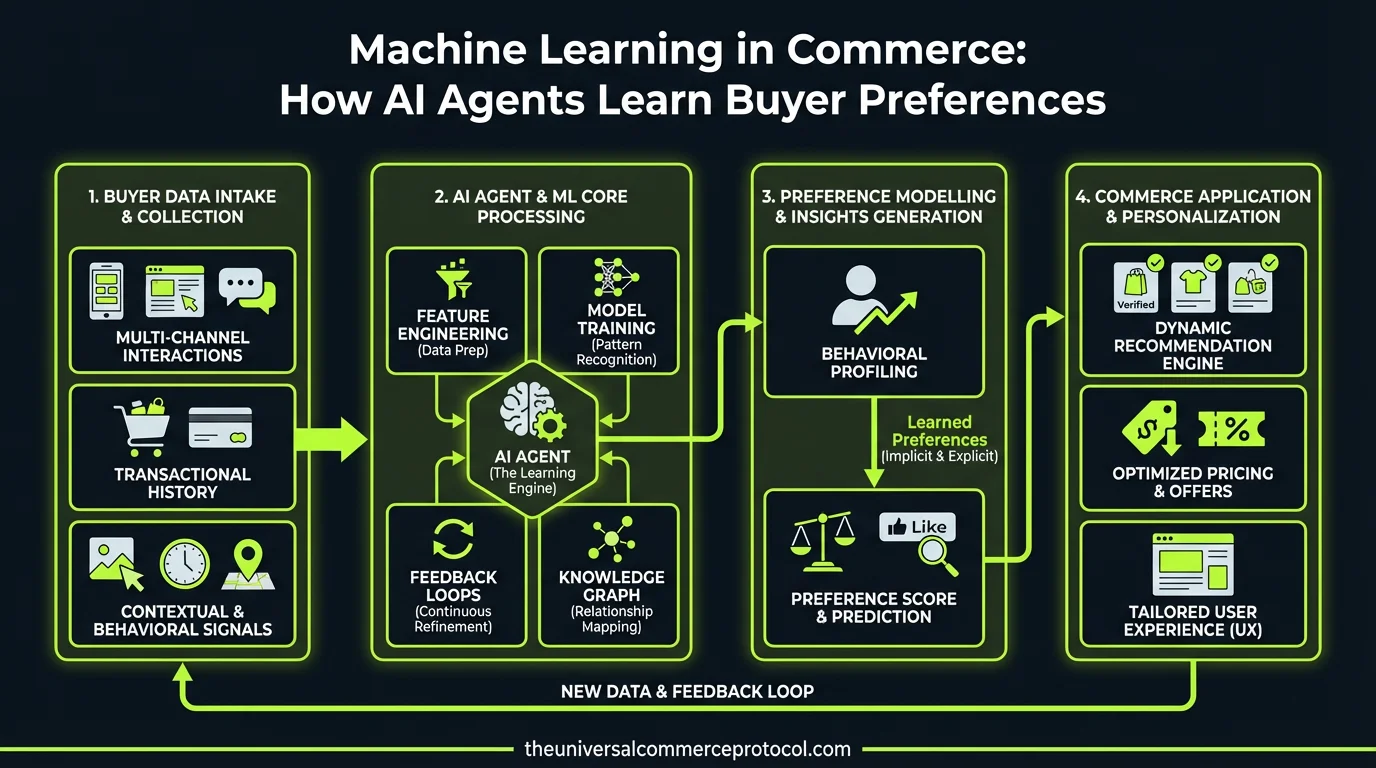
Machine Learning in Commerce: AI Agents Learn Preferences
AI shopping agents utilize supervised and reinforcement learning algorithms to analyze behavioral signals—including browsing history, purchase patterns, and explicit feedback—enabling real-time preference prediction in e-commerce environments. As of 2026, transformer-based preference models and collaborative filtering systems have become standard infrastructure for autonomous purchasing platforms, with companies like Amazon, Shopify, and enterprise retailers deploying these systems…
-
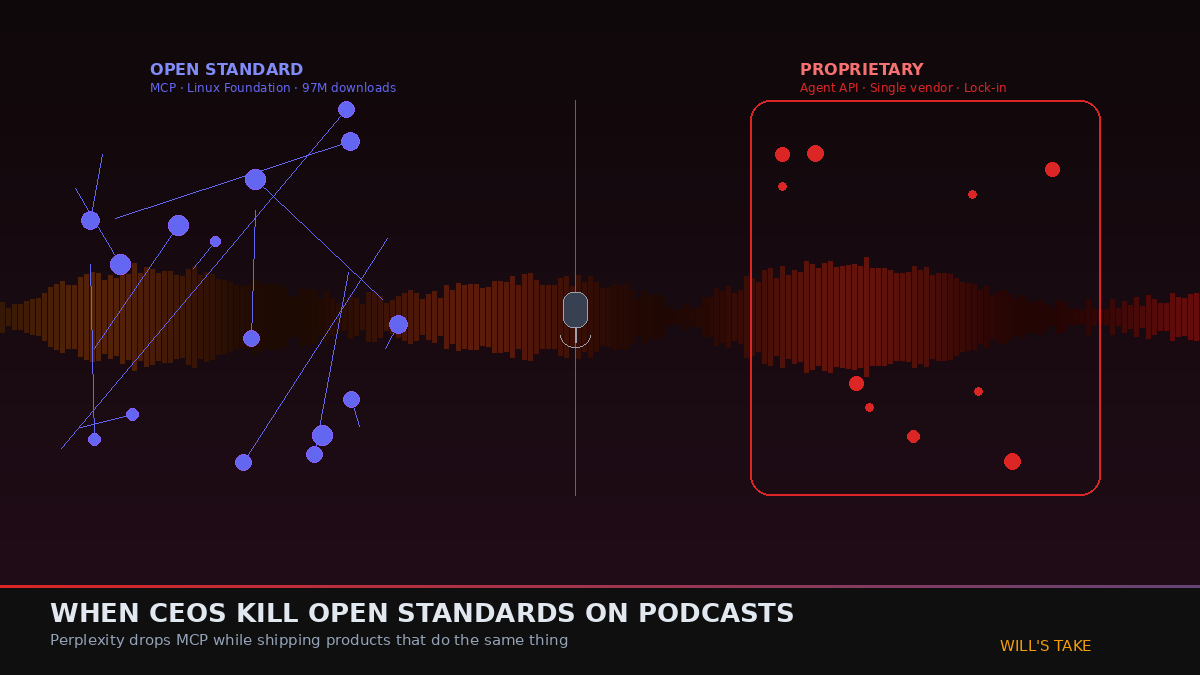
When CEOs Kill Open Standards on Podcasts: The Perplexity-MCP Problem
Perplexity dropped MCP two weeks after launching products that do the exact same thing through a proprietary API. This is not a technical disagreement. It is a competitive maneuver. And it raises a question nobody in AI is asking: where is the line between a CEO sharing a technical opinion and a CEO strategically undermining…