Tag: UCP
-

What Is Agentic AI Checkout? Protocols, Verification, and the 3 Autonomous Checkout Paths
Agentic AI checkout is how AI agents complete purchases on behalf of users through machine-to-machine protocols. OpenAI, Google, Visa, and Mastercard are all deploying live systems. Here is how the technology works and what merchants need.
-
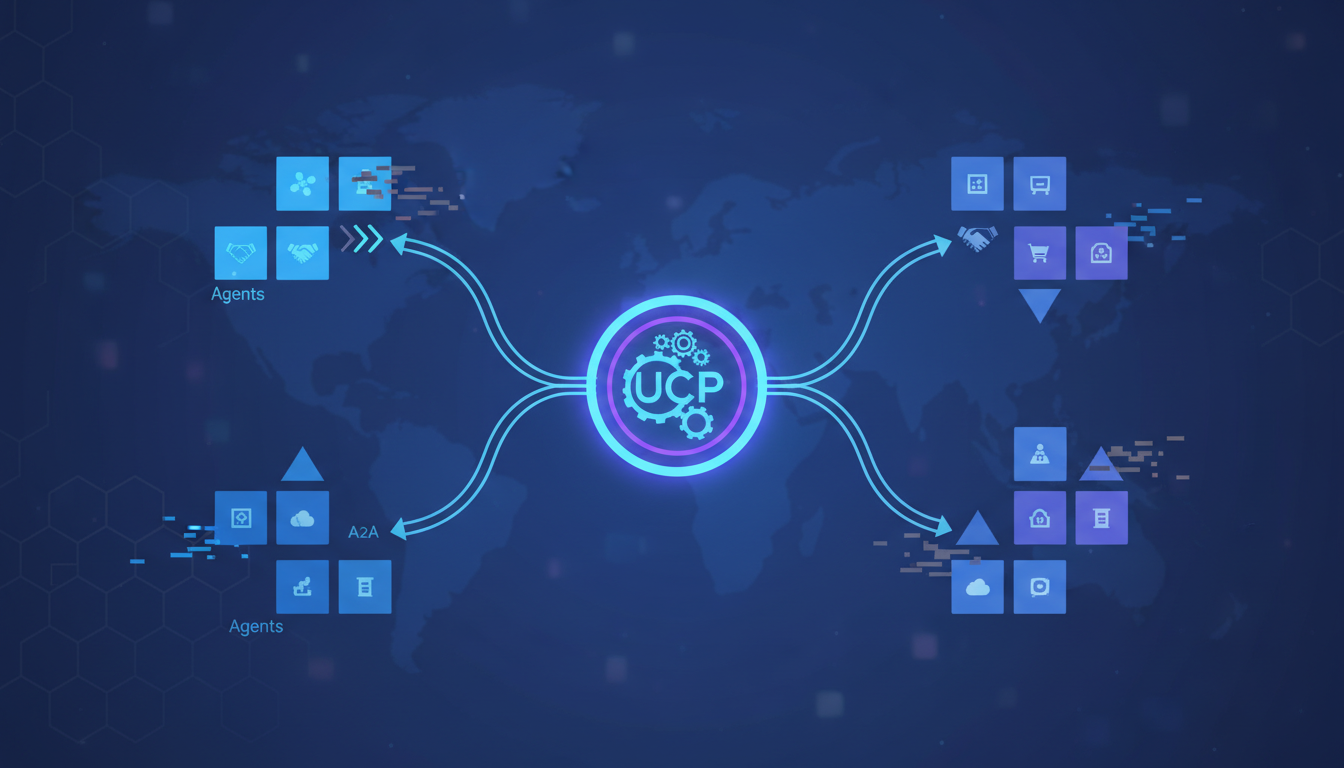
A2A vs. UCP: The Interoperability Layer for Agent Collaboration
Understanding the synergy between Google’s Agent-to-Agent (A2A) protocol and the Universal Commerce Protocol (UCP).
-
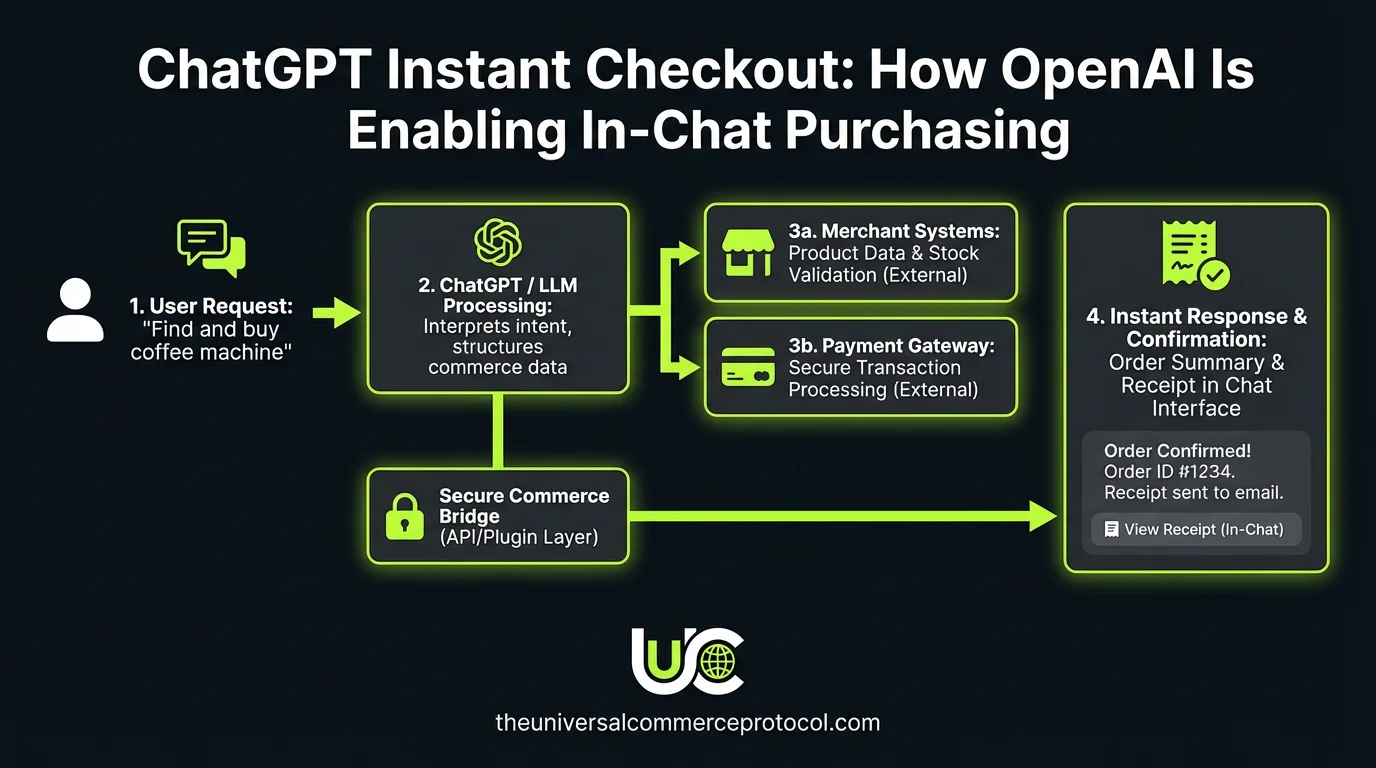
ChatGPT Instant Checkout: How OpenAI Is Enabling In-Chat Purchasing
OpenAI’s ChatGPT is integrating direct purchasing capabilities into conversations, allowing users to complete transactions without leaving the chat interface. This shift toward agentic commerce represents a critical evolution in how the Universal Commerce Protocol (UCP) standardizes frictionless, multi-channel shopping experiences.
-
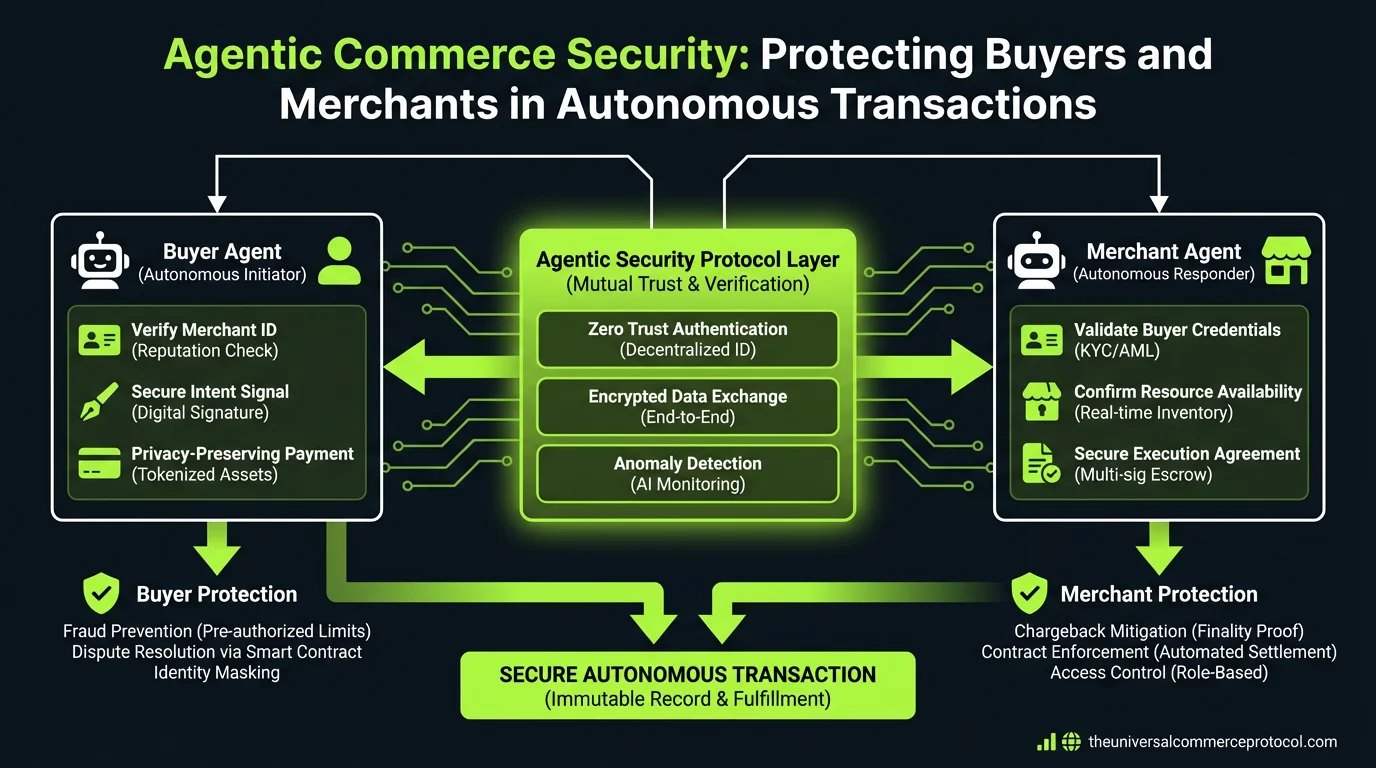
Agentic Commerce Security: Protecting Buyers and Merchants in Autonomous Transactions
Agentic commerce introduces unprecedented automation to transactions, but security frameworks must evolve to protect participants from fraud, identity theft, and unauthorized actions. This guide explores trust mechanisms, identity verification, and compliance standards essential for secure autonomous commerce ecosystems.
-
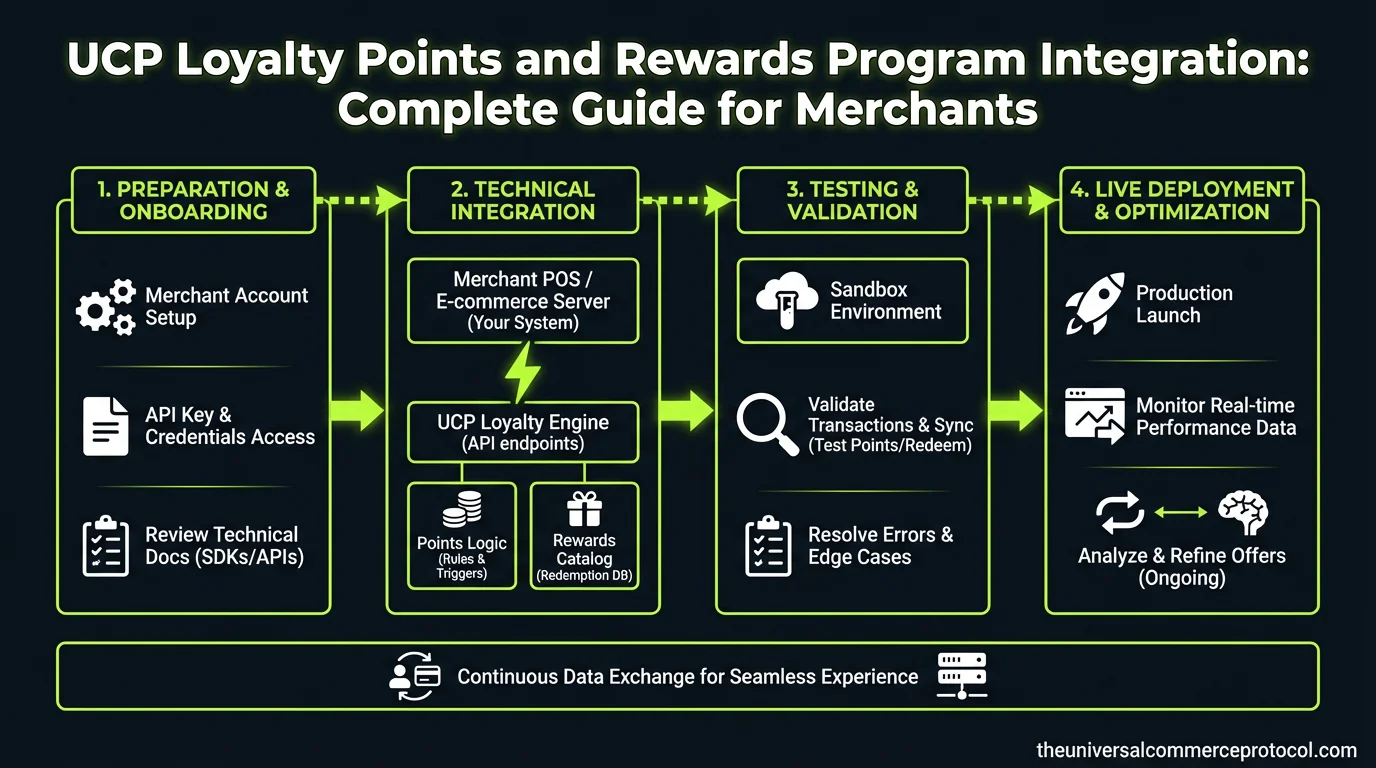
UCP Loyalty Points Integration: Complete Guide
Universal Commerce Protocol (UCP) standardizes loyalty points integration across omnichannel retail channels—including e-commerce platforms, point-of-sale (POS) systems, and mobile commerce applications—enabling real-time point accumulation, PCI DSS compliance for redemption workflows, and bidirectional customer data synchronization. UCP-compliant system integrations with enterprise CRM solutions such as Salesforce Commerce Cloud, HubSpot, and Microsoft Dynamics 365 enable centralized loyalty…
-
UCP and Decentralized Commerce: Blockchain Integration
Universal Commerce Platform (UCP) enables decentralized commerce by integrating with blockchain networks such as Ethereum and Polygon, and Web3 protocols including smart contracts and decentralized finance (DeFi) infrastructure to facilitate peer-to-peer transactions with cryptographic verification and immutable transaction records. This integration leverages distributed ledger technology to eliminate intermediaries, reduce settlement times, and provide transparency through…
-

Google’s UCP vs. Facebook Commerce API: A Developer’s Comparison
Google UCP vs Facebook Commerce API: A developer’s comparison. Explore key differences, features, and choose the best API for your e-commerce needs.
-

MCP vs UCP: Data Architecture for Agentic Commerce
Anthropic’s Model Context Protocol (MCP) enables agentic commerce systems to access structured merchant catalogs and real-time inventory data through standardized context windows, achieving 23-40% improvements in multi-turn purchase dialogue coherence and order fulfillment accuracy compared to monolithic Unified Commerce Platform (UCP) architectures. MCP-native implementations demonstrate superior token efficiency and reduced latency in product recommendation and…
-
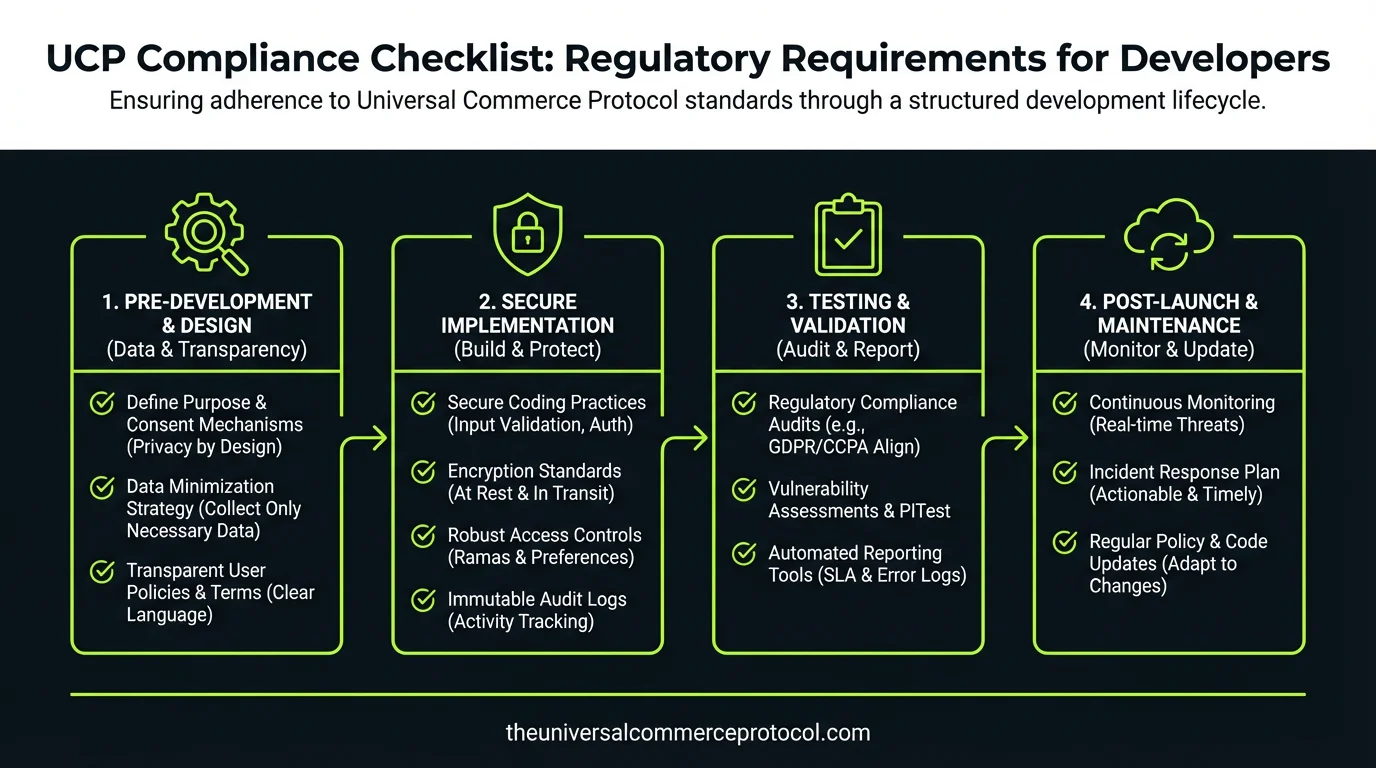
UCP Compliance Checklist: Developer Regulatory Requirements
UCP 500 compliance mandates PCI-DSS v3.2.1 cardholder data protection and GDPR Article 32 encryption, with jurisdiction-specific requirements: NACHA ACH and OFAC in North America, SEPA Direct Debit and PSD2 Open Banking in the EU, RBI Payment Systems Act 1998 in India, and MAS Payment Systems Act 1985 in Singapore. Developers must implement ISO/IEC 27001:2022 certified…
-

UCP vs Point-to-Point Integration: Commerce Architecture
Universal Commerce Platform (UCP) architectures like Salesforce Commerce Cloud and SAP Commerce centralize payment processing, inventory management, and order fulfillment through unified APIs, reducing integration complexity compared to point-to-point patterns that establish direct connections between merchant systems, payment processors (Stripe, PayPal), and order management systems (OMS). UCP designs provide standardized failover mechanisms and centralized monitoring…