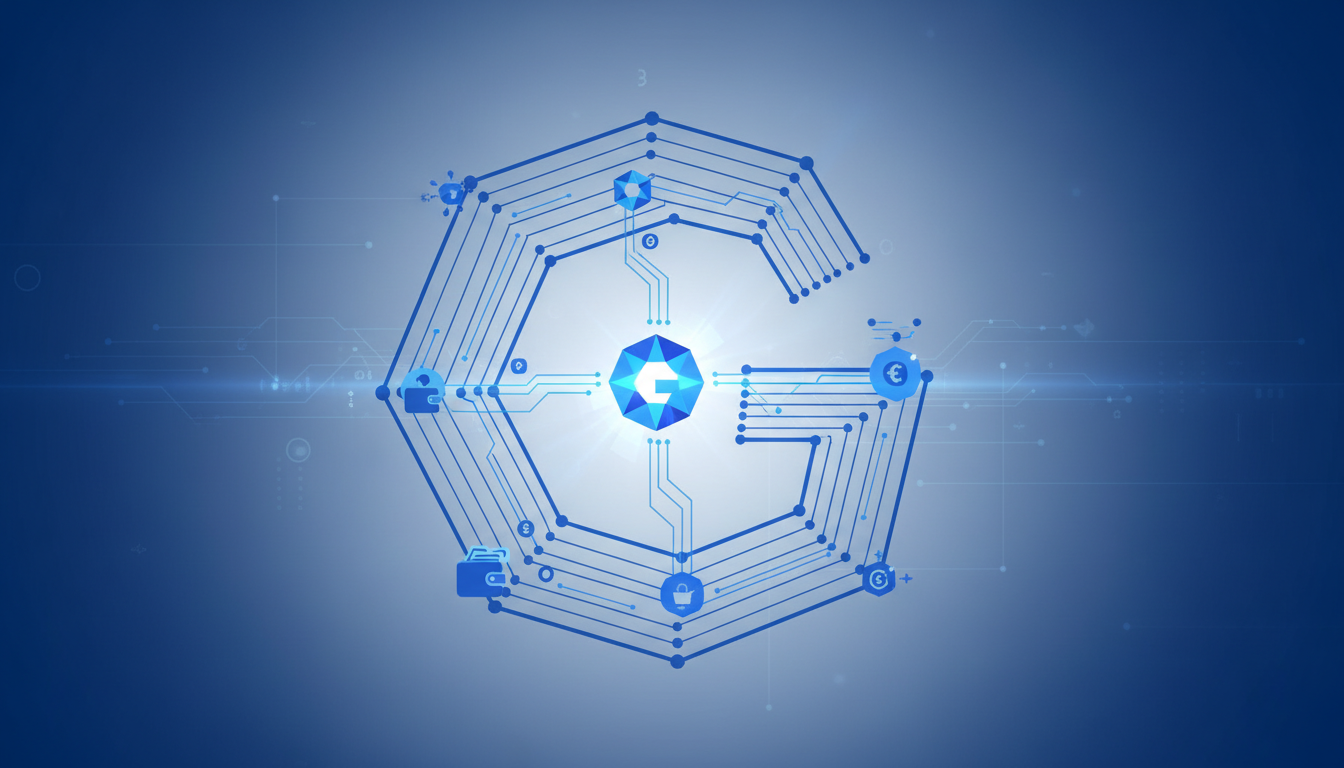
The Paradigm Shift: From Search to Transactional Agency
In the evolving landscape of digital commerce, the distinction between discovery and transaction is rapidly dissolving. As stakeholders in the retail and financial sectors seek to capture intent at the moment of inception, the integration of generative AI with secure payment rails has become the ultimate frontier. The Universal Commerce Protocol (UCP) serves as the indispensable architecture in this transformation, specifically by bridging the cognitive capabilities of Google Gemini with the hardened security of Google Pay.
For years, the commerce journey was fragmented: a user searched on Google, clicked an ad, navigated a website, entered credit card details, and finally completed a purchase. Today, agentic commerce—powered by Gemini and structured by UCP—allows for a compressed, frictionless loop. Within this ecosystem, Google Pay acts as the vault, Gemini as the intelligent agent, and UCP as the nervous system that facilitates the exchange of data and value without the user ever needing to leave the AI interface.
Gemini as a Shopping Assistant: The Intent Layer
Google Gemini represents a fundamental shift in how consumers interact with product data. Unlike traditional search engines that return a list of links, Gemini parses intent. When a user asks, “Find me a sustainable mountain bike under $2,000 and order it for delivery to my home,” the AI is performing a complex series of operations: identifying product attributes, filtering by price, and cross-referencing merchant availability.
The Role of Model Context Protocol (MCP)
To turn these insights into actions, Gemini utilizes the Model Context Protocol (MCP). MCP allows the AI to connect with external data sources and APIs in a standardized way. UCP extends this capability by providing a unified schema for commerce. When Gemini identifies a product from the Google Merchant Center, it uses UCP-compliant endpoints to check real-time inventory and shipping eligibility signals. This ensures that the assistant is not just recommending a product, but is preparing a valid transaction.
Parsing Complex Product Feeds
Integrating with Google Merchant Center is the first step for any stakeholder. Through UCP, supplemental feeds and product attributes (such as California Prop 65 warnings or specific tax requirements) are surfaced to Gemini. This level of granularity allows the AI assistant to provide legally compliant and geographically accurate advice, ensuring that the commerce loop is robust before the payment is even initiated.
Security Benefits of Tokenized Google Pay
The primary barrier to agentic commerce has historically been trust and security. Handing off a clear-text credit card number to an AI agent is a non-starter for both consumers and regulators. This is where the integration of Google Pay via UCP becomes a critical strategic advantage.
The Power of Tokenization
Google Pay utilizes industry-standard tokenization. When a transaction is initiated through a UCP-enabled Gemini interface, the merchant never receives the customer’s actual primary account number (PAN). Instead, Google Pay issues a virtual account number—a token—that is specific to that transaction or merchant. This significantly reduces the PCI-DSS (Payment Card Industry Data Security Standard) scope for the merchant and the protocol itself.
Risk Signals and Identity Linking
By leveraging UCP, the ecosystem can pass sophisticated risk signals between Google Pay and the merchant’s backend. Since the user is typically authenticated via their Google Account, identity linking is seamless. This creates a high-trust environment where OAuth 2.0 and JSON-RPC calls facilitate the secure handoff of the payment token. For stakeholders, this means lower fraud rates and higher authorization approvals compared to traditional guest checkouts.
| Feature | Traditional Checkout | UCP + Google Pay + Gemini |
|---|---|---|
| User Friction | High (Manual Entry) | Zero (Biometric/One-Click) |
| Data Security | Exposed PANs | Tokenized / Virtual Accounts |
| Context Awareness | Low (Static Pages) | High (Personalized AI Intent) |
| Integration Complexity | High (Custom Per Merchant) | Standardized (UCP/MCP) |
Native vs. Embedded Checkout Paths
One of the most critical decisions for a Lead Content Strategist and technical stakeholder is choosing the checkout path. UCP supports both Native and Embedded models within the Google ecosystem.
Native Checkout
In a Native Checkout scenario, the entire transaction occurs within the Gemini interface. Gemini uses the UCP-standardized “Checkout” intent to request a payment token from Google Pay. The user confirms the purchase via a biometric prompt on their device. The UCP then pushes this token, along with the shipping details from the user’s Google account, directly to the merchant’s REST API. This is the pinnacle of frictionless commerce.
Embedded Checkout
Embedded Checkout is often preferred for high-consideration purchases where a merchant wants to maintain a branded experience. In this path, Gemini facilitates the discovery and selection, but the final confirmation happens via a UCP-powered “mini-app” or a secure webview. While it adds a step, it allows for more complex interactions, such as customizing a product or upsells, while still benefiting from the pre-filled Google Pay credentials managed by UCP.
Setting Up the UCP-Google Pay Bridge
Implementation requires a coordinated effort across several Google Cloud and Merchant platforms. For stakeholders, the roadmap involves three primary phases:
1. Merchant Center and Product Feed Alignment
The foundation is an optimized Google Merchant Center account. Merchants must ensure their product feeds are enriched with UCP-compatible metadata. This includes detailed shipping signals and eligibility markers. Supplemental feeds should be used to provide real-time updates on stock levels to prevent Gemini from initiating a transaction for an out-of-stock item.
2. UCP Endpoint Configuration
The merchant must deploy UCP-compliant webhooks. These endpoints act as the bridge between the Google AI Model and the merchant’s Order Management System (OMS). These endpoints must be secured using OAuth 2.0 to ensure that only authorized requests from the Google ecosystem are processed. The UCP allows for a standardized JSON-RPC communication layer, making it easier for developers to map Google Pay tokens to their specific payment gateways.
3. Testing the Agentic Loop
Before full deployment, stakeholders must test the AI’s ability to handle “Agentic Commerce” scenarios. This includes testing how Gemini responds to varied user prompts and ensuring that the payment tokens generated by Google Pay are correctly decrypted and processed by the Merchant of Record (MoR). Monitoring risk signals during this phase is crucial to fine-tuning the fraud detection algorithms.
The Future of Agentic Commerce: MCP and Beyond
The integration of Google Pay, Gemini, and UCP is not just a tactical improvement; it is a future-proofing strategy. As the Model Context Protocol (MCP) gains wider adoption, the ability for AI agents to negotiate and execute transactions will become standard. We are moving toward a world where “browsing” is replaced by “instructing.”
For the Universal Commerce Protocol, the goal is to remain the interoperable layer that prevents ecosystem lock-in while maximizing the power of platform-specific tools like Google Pay. By adopting this architecture, merchants can ensure they are visible and transactable in an AI-first world.
Conclusion
Unlocking Google Pay within the Gemini commerce ecosystem is the most effective way for stakeholders to capture the next generation of digital spend. By utilizing UCP to bridge the gap between AI-driven intent and secure, tokenized fulfillment, brands can offer a shopping experience that is as safe as it is seamless. The combination of Gemini’s intelligence, Google Pay’s security, and UCP’s structure represents the new gold standard for the modern commerce loop.
Frequently Asked Questions
What is the Universal Commerce Protocol (UCP)?
The Universal Commerce Protocol (UCP) is an open standard developed to enable AI agents to autonomously conduct commerce transactions across any platform.
How does UCP enable agentic commerce?
UCP provides standardized APIs and protocols so AI agents can discover products, negotiate terms, and complete purchases without human intervention, working across any compatible commerce platform.
Why should businesses implement UCP?
UCP adoption reduces integration costs, opens revenue channels to AI-driven buyers, and future-proofs commerce infrastructure as agentic purchasing becomes mainstream.
Leave a Reply