**Headless Commerce Was the Warmup**
I’m tired of watching companies pat themselves on the back for going headless like they just solved commerce. You ripped the frontend off your monolith, plugged in a fancy storefront, and called it transformation. Cute. Now the real shift is here, and most of you are about to get absolutely smoked.
The Transaction Was Never the Storefront’s Job
Headless commerce decoupled the presentation layer from the backend systems. That was useful. But it still kept the transaction — the actual money movement, order commitment, payment, fulfillment trigger — tightly bound to the storefront experience. Every checkout, every cart, every “complete purchase” button was still married to whatever frontend you chose.
The Universal Commerce Protocol just burned that marriage to the ground.
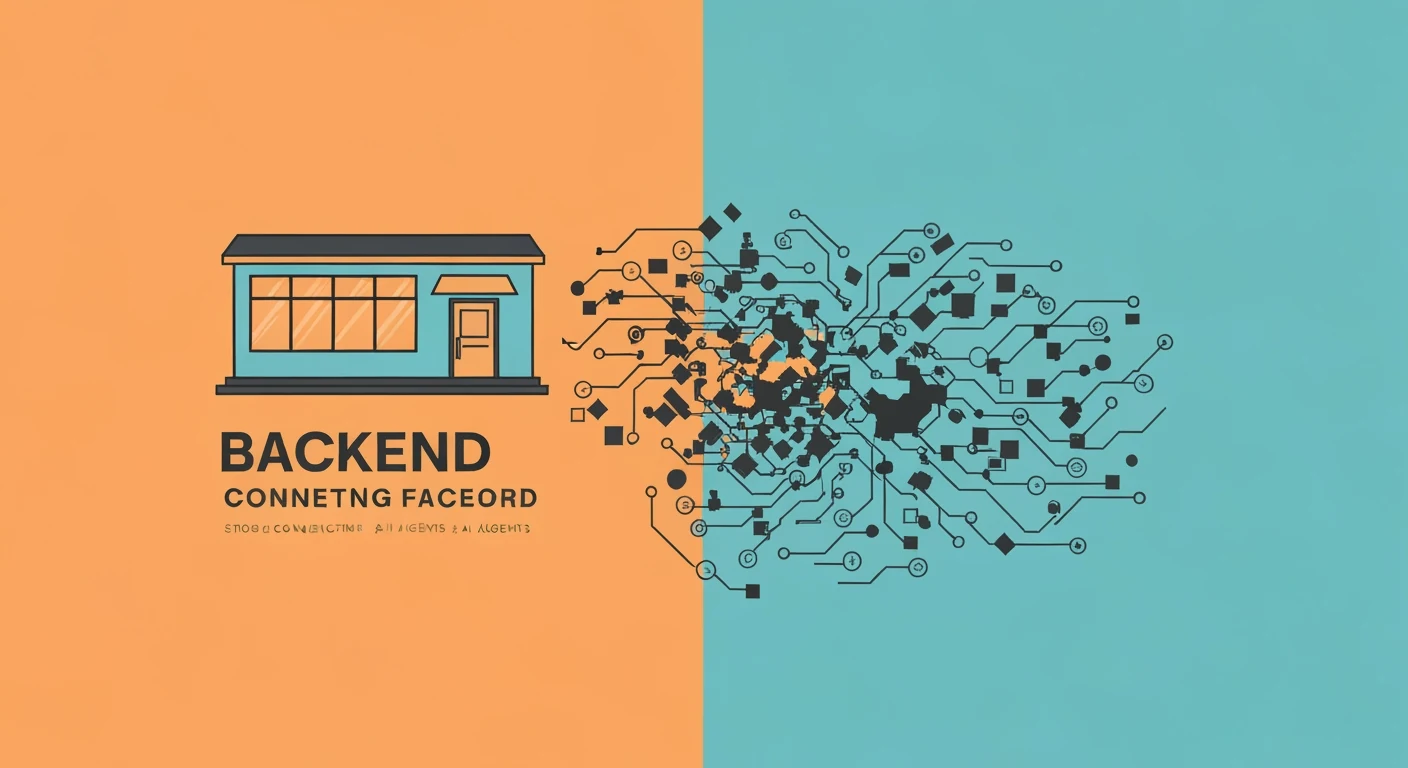
UCP pulls the transaction layer out completely. It creates a standardized, universal way to record commercial intent and commitment that works across any channel, any frontend, any backend, any payment rail. Your storefront is now just one possible consumer of that transaction. The mobile app is another. The in-store terminal, the third-party marketplace, the voice assistant, the B2B portal — all of them become thin interfaces on top of the same universal transaction layer.
This is what the headless crowd never fully admitted out loud: they stopped halfway.
Everything You Built in the Last Five Years Is Now Either an Asset or Technical Debt
Let’s be brutally honest. If your “headless architecture” still assumes the storefront owns the checkout flow, you just created a mountain of integration debt. Every custom cart logic, every hardcoded payment flow, every “special” checkout experience you spent months perfecting is about to become an expensive legacy component.
The companies that treated headless as a stepping stone — who kept their transaction logic clean, who didn’t hardcode business rules into their frontend frameworks, who built proper APIs instead of frontend band-aids — are sitting pretty right now. Their systems map cleanly to UCP. The ones who went all-in on making their specific storefront “the center of the universe”? They’re about to start that painful process of ripping out six-figure custom code while their competitors move faster.
I’ve seen this movie before. It’s the same one we saw when everyone rushed to build mobile apps that duplicated their entire website. Turns out the web was just the first interface. Now the storefront is becoming just another interface.
The New Stack Is Transaction-First
This is why my restoration contractor network has been moving toward UCP since we got early access. We don’t want our customers to think about “which portal they’re in.” We want them to buy the way that makes sense for them — text message, app, website, sales rep, whatever — and the transaction just happens.
The architecture is cleaner. The integrations are simpler. The customer experience gets dramatically better because nobody’s fighting against the system anymore.
Most importantly, we’re no longer married to our frontend technology. Change the storefront? Fine. Add new channels? They just talk to the same transaction layer. The business logic lives where it belongs — in the commerce protocol itself.
This is the part the consultants won’t tell you. The real winners of the headless era weren’t the ones with the fanciest storefronts. They were the ones who understood that the storefront was always going to be temporary. The transaction is forever.
Will’s Take: Headless commerce was necessary but it was never the destination. It was boot camp. UCP is the real war. The companies that treated their headless migration as serious architecture work will slide right into this new model. The ones who used it as an excuse to add more complexity and tighter coupling are about to pay the price. The transaction layer is now infrastructure, not a feature. Build accordingly or get left behind.
Leave a Reply