Tag: AI agents
-
Claude Code leads; Google pushes gRPC for MCP
Anthropic’s Claude Code now most-used AI coding tool.
-
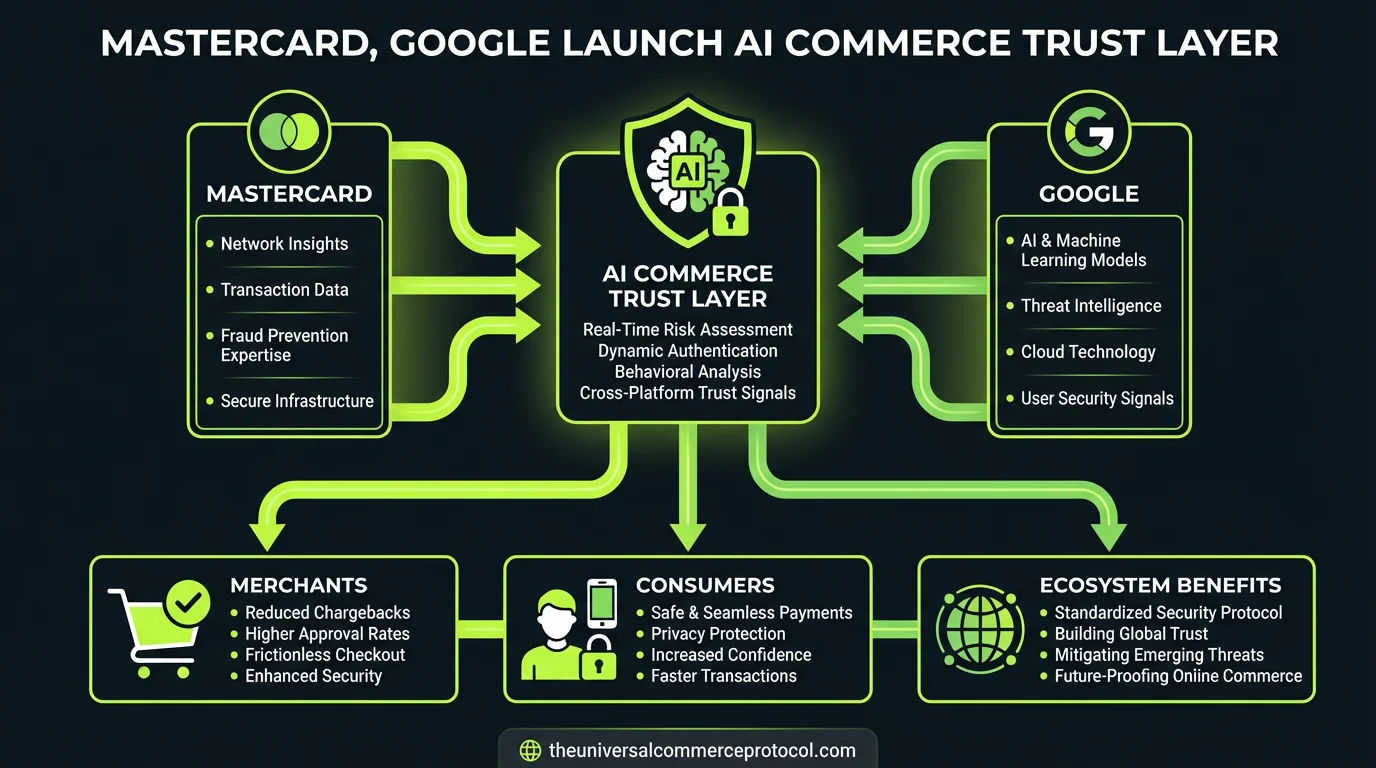
Mastercard, Google Launch AI Commerce Trust Layer
Mastercard and Google launch Verifiable Intent for AI-driven agentic commerce.
-
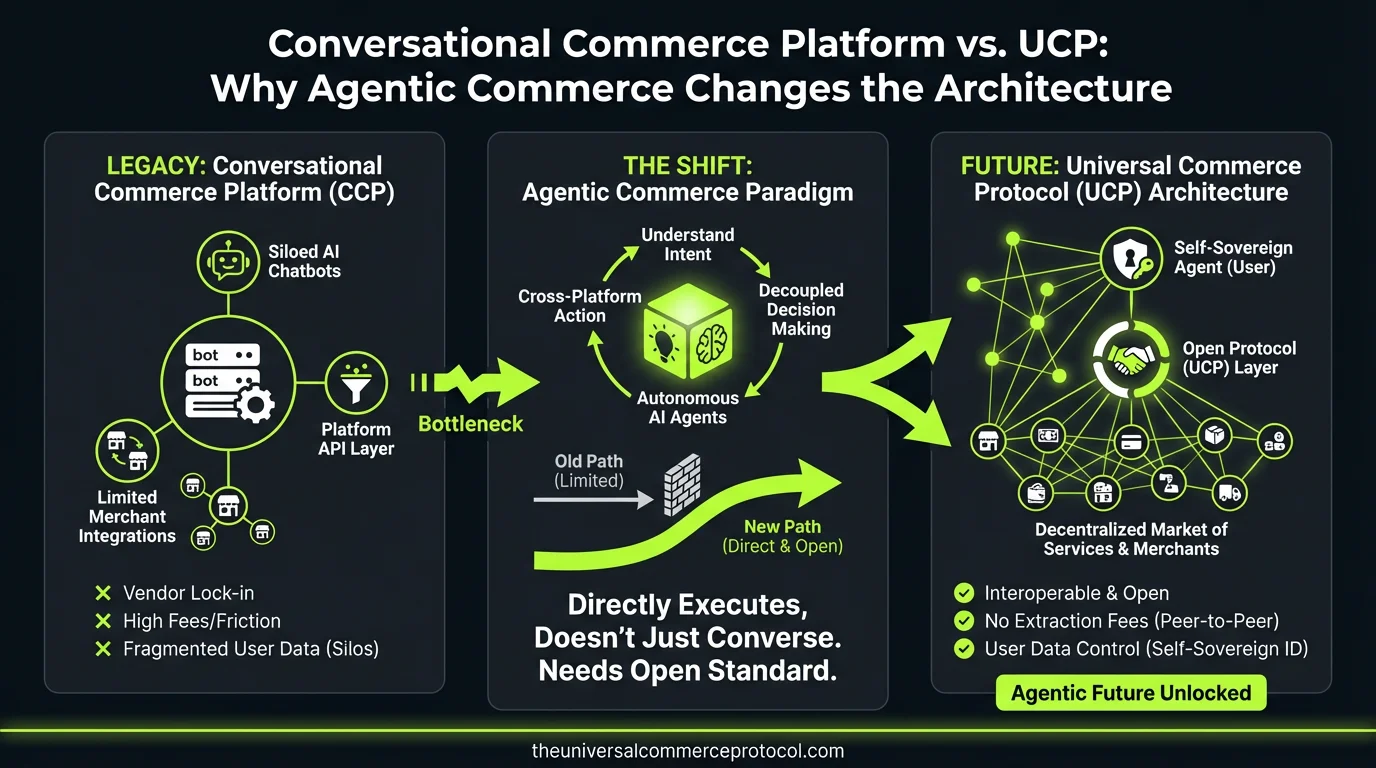
Conversational Commerce Platform vs. UCP: Why Agentic Commerce Changes the Architecture
Traditional conversational commerce platforms add a chatbot layer on top of checkout. UCP makes any AI surface — Gemini, ChatGPT, Alexa — a native commerce platform. Here’s what the architectural shift means for merchants.
-
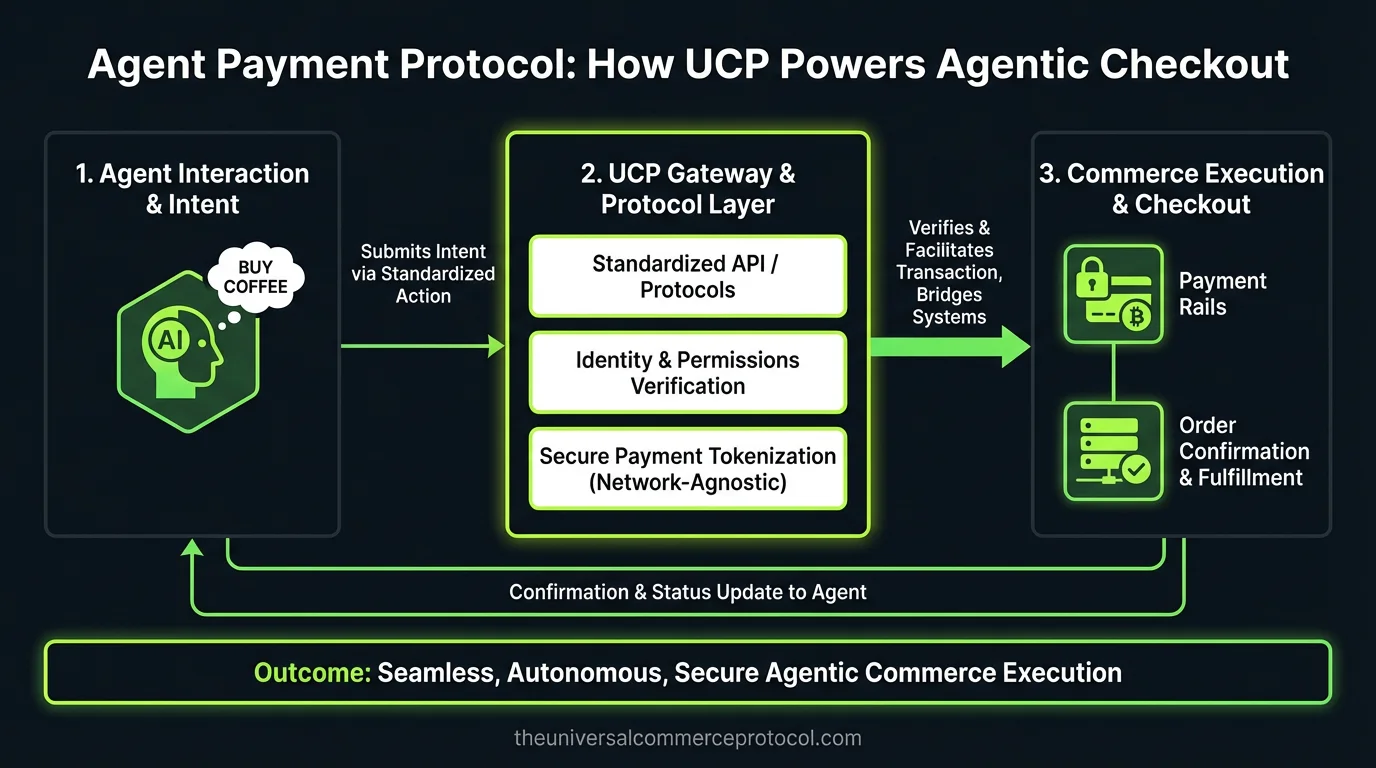
Agent Payment Protocol: How UCP Powers Agentic Checkout
Agent payment protocol enables AI agents to authorize and complete purchases autonomously. Learn how UCP, AP2, and Google Pay work together to power agentic commerce — and what merchants must do to be ready.
-
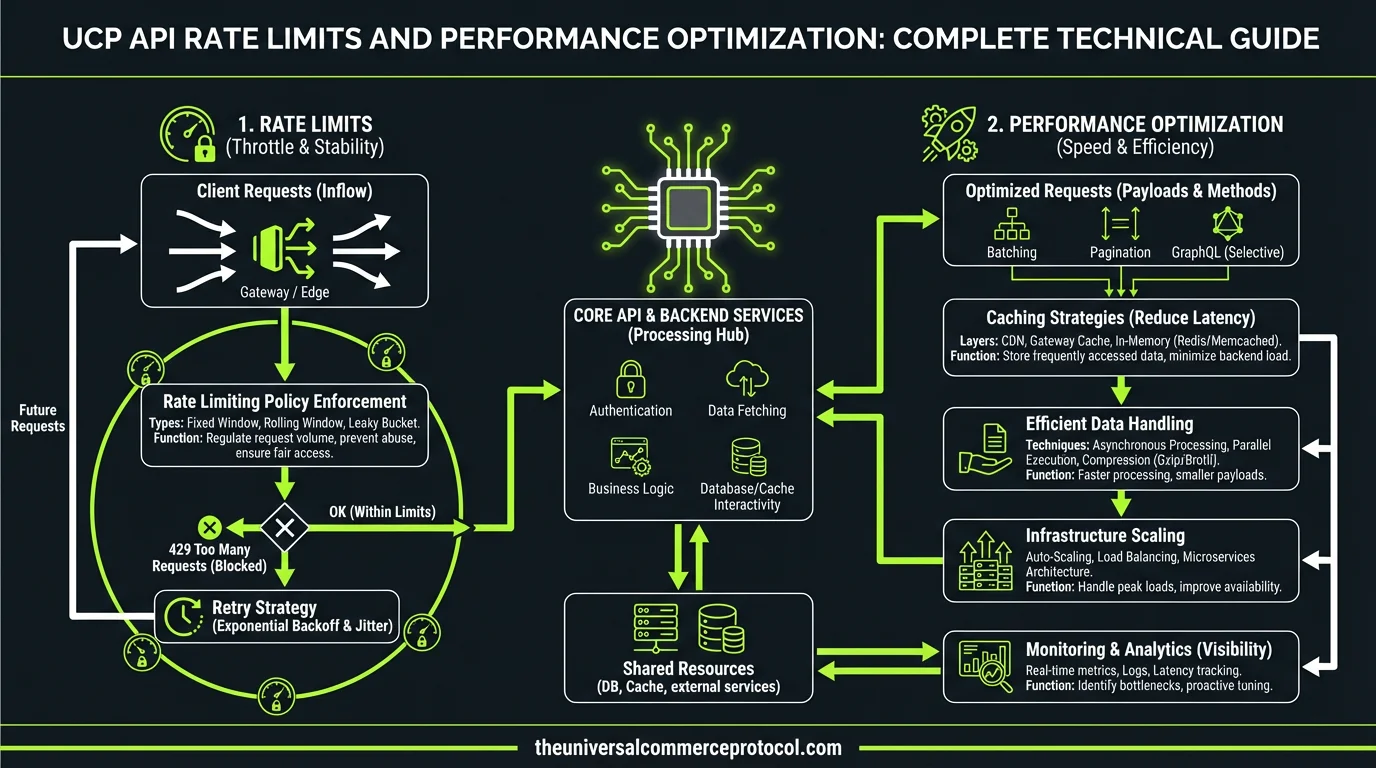
UCP API Rate Limits & Performance Optimization Guide
The Universal Commerce Protocol (UCP) API implements tiered rate limiting with standard tiers of 100 requests per second for standard accounts and 1,000 RPS for enterprise deployments, with burst capacity handling via token bucket algorithms. Performance optimization requires implementing request batching, connection pooling, and Redis-based caching layers to reduce P95 latency below 200ms while maintaining…
-

UCP Digital Goods & Instant Fulfillment Strategy Guide
The Universal Commerce Protocol (UCP) is a standardized API framework that enables merchants to deliver digital goods—including software licenses, eBooks, SaaS subscriptions, and virtual services—with immediate fulfillment across e-commerce platforms. UCP implementations achieve PCI DSS Level 1 compliance and adherence to EU VAT Directive 2015/2115, reducing chargeback rates by 35-40% through real-time delivery verification and…
-
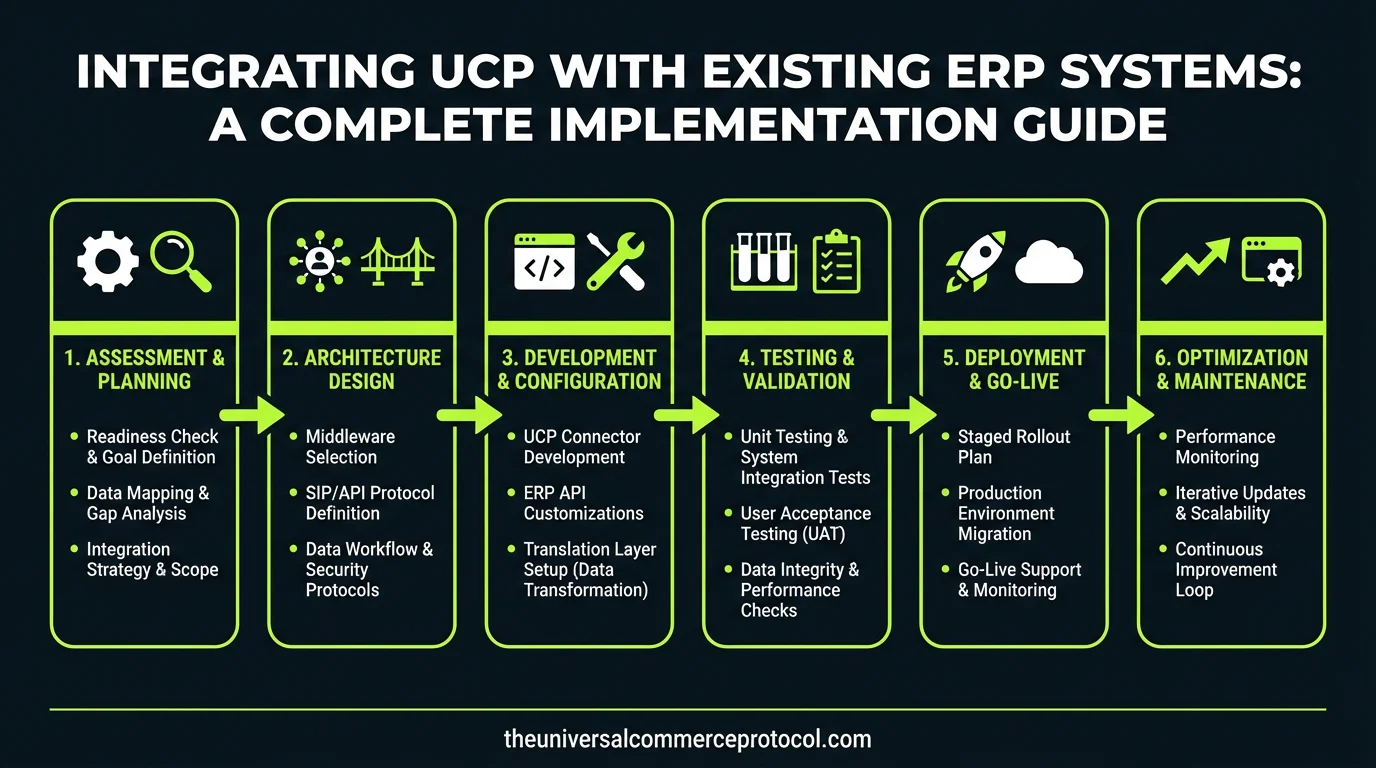
UCP ERP Integration: Complete Implementation Guide
UCP integration with SAP S/4HANA, Oracle NetSuite, and Microsoft Dynamics 365 employs MuleSoft or Boomi iPaaS platforms with REST/GraphQL APIs to synchronize order management systems (OMS), product information management (PIM), and inventory across point-of-sale, e-commerce, and marketplace channels while maintaining OASIS UBL 2.3 and ISO 20022 compliance. Master data governance requires entity mapping of SKUs,…
-
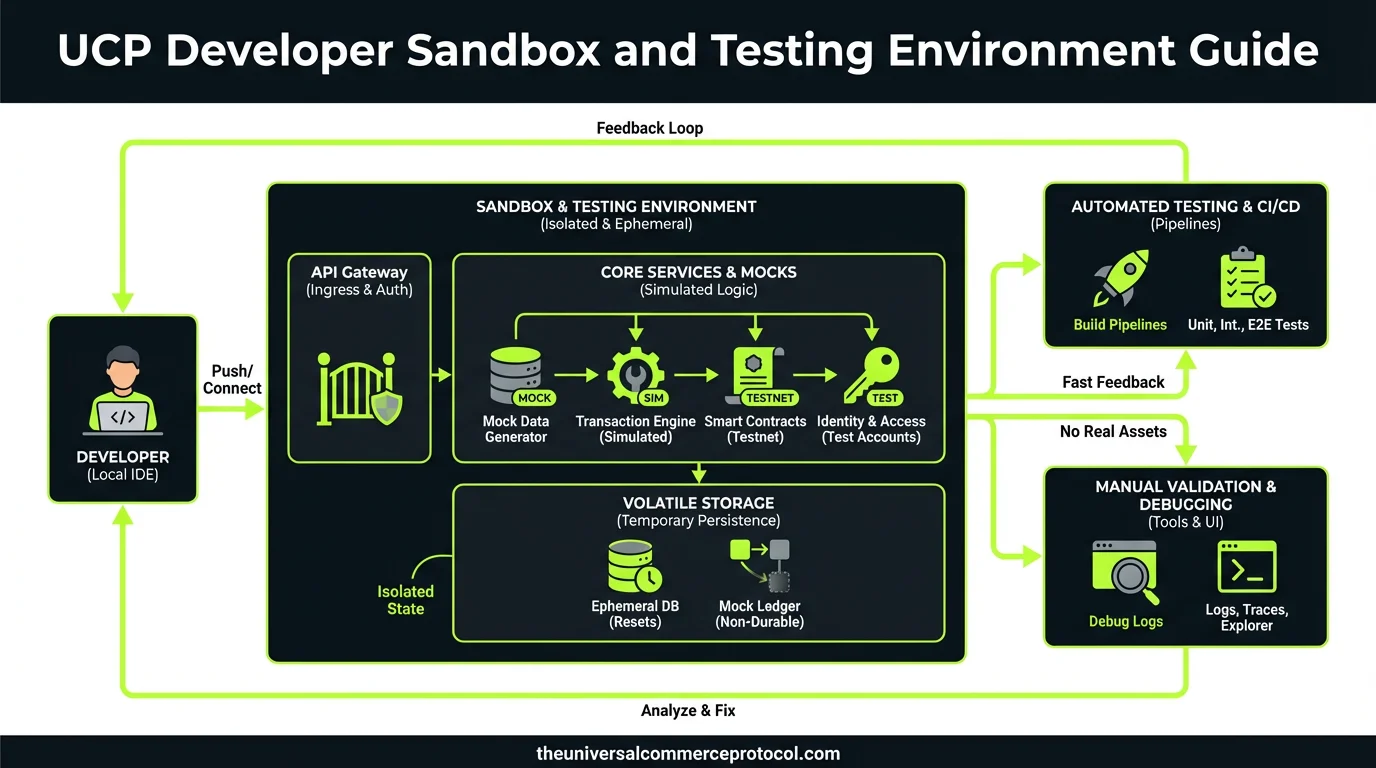
UCP Developer Sandbox & Testing Environment Guide
The Universal Commerce Protocol (UCP) Developer Sandbox, maintained by the UCP Technical Steering Committee, is a PCI DSS Level 1-certified pre-production environment that allows merchants to test REST and GraphQL API integrations against simulated payment processors including Stripe, PayPal, and Square. It supports complete order lifecycle testing—from transaction authorization and settlement reconciliation to webhook routing…
-
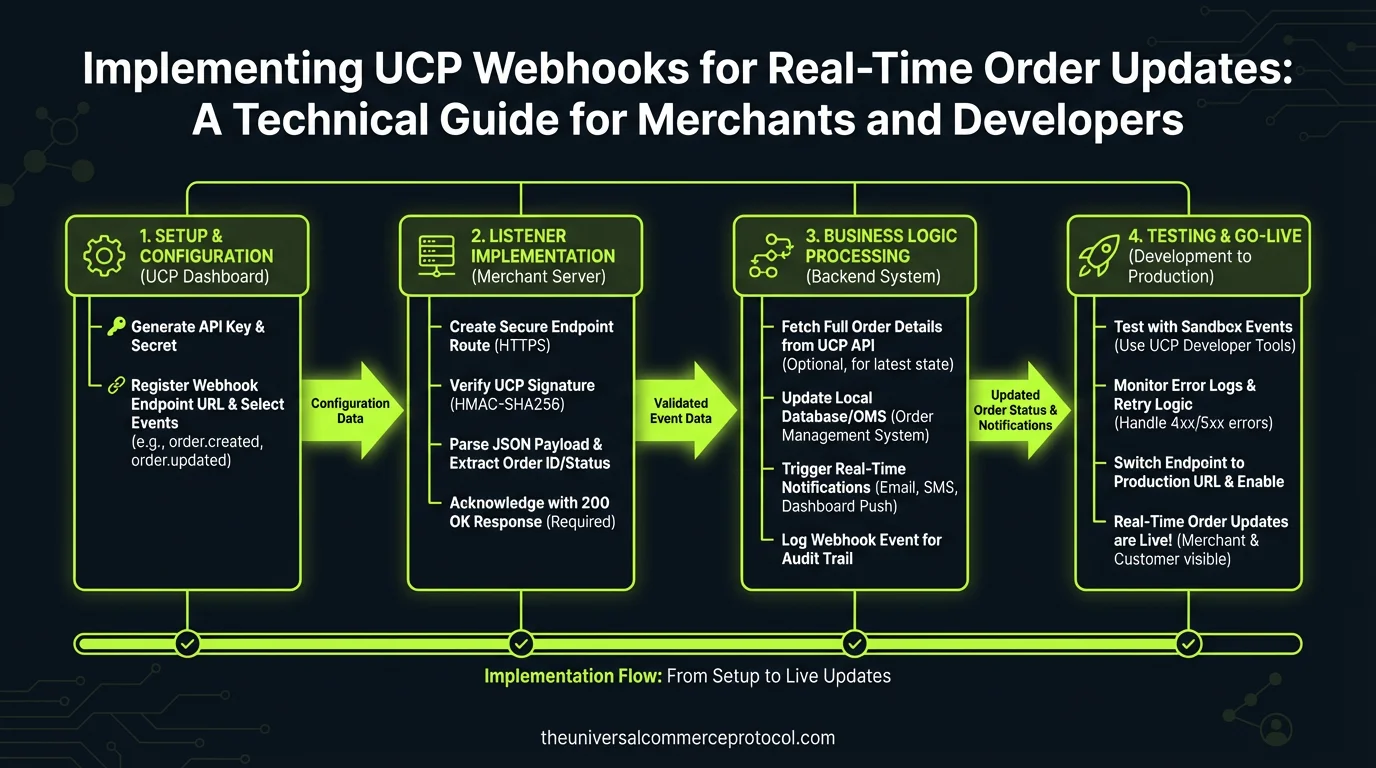
UCP Webhooks for Real-Time Order Updates: Technical Guide
Universal Commerce Protocol (UCP) webhooks transmit real-time order status events through REST API endpoints and asynchronous message brokers, enabling bidirectional integration between Order Management Systems (OMS), Fulfillment Management Systems (FMS), and Payment Service Providers (PSPs) while maintaining PCI DSS Level 1 compliance through HMAC-SHA256 cryptographic signatures. Standard UCP webhook implementations enforce event idempotency via unique…
-
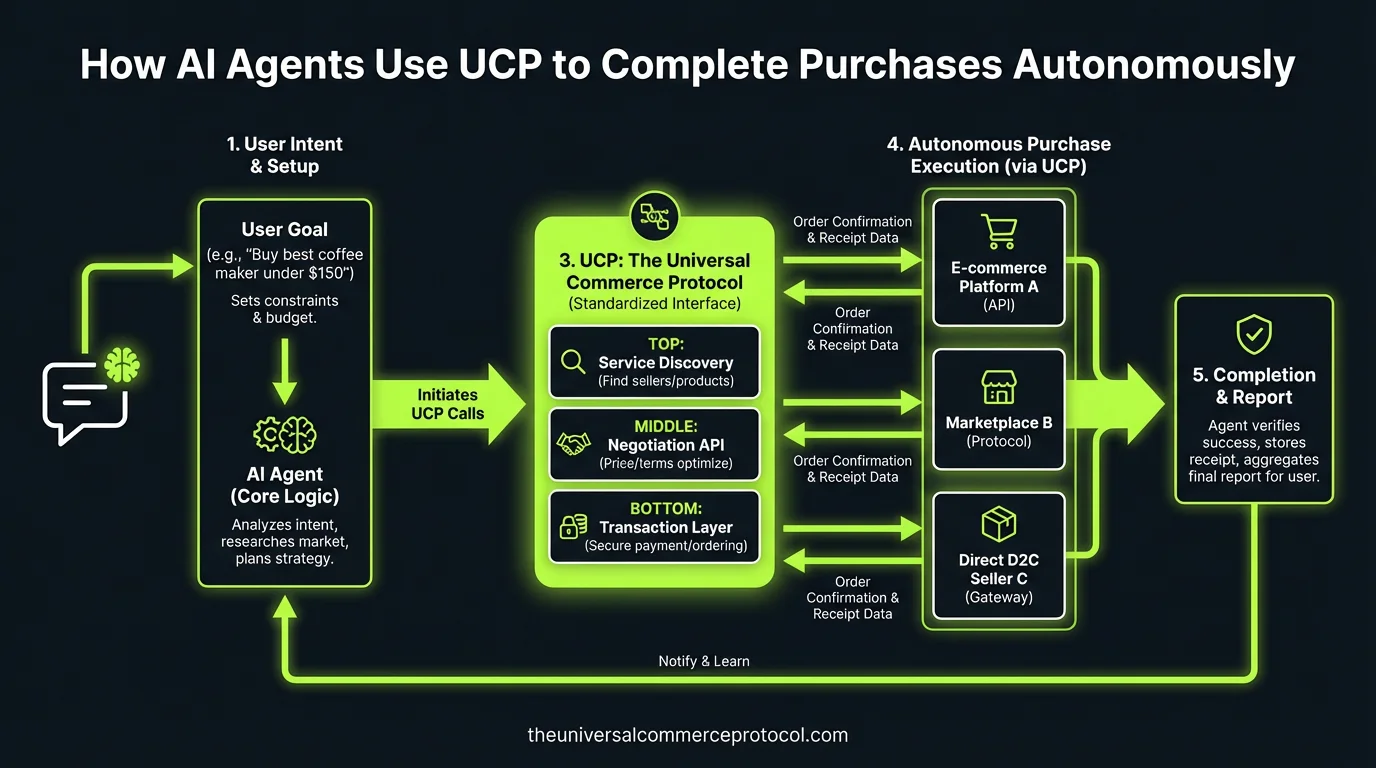
AI Agents & UCP: Autonomous Purchase Completion
The Universal Commerce Protocol (UCP) is an open standard that enables AI agents from OpenAI, Anthropic, and Anthropic-backed services to execute autonomous purchases across e-commerce platforms including Shopify, WooCommerce, and custom REST APIs using OAuth 2.0 authentication and large language model natural language processing. UCP integrations route transactions through PCI-DSS Level 1–certified payment processors Stripe,…