Tag: REST API
-
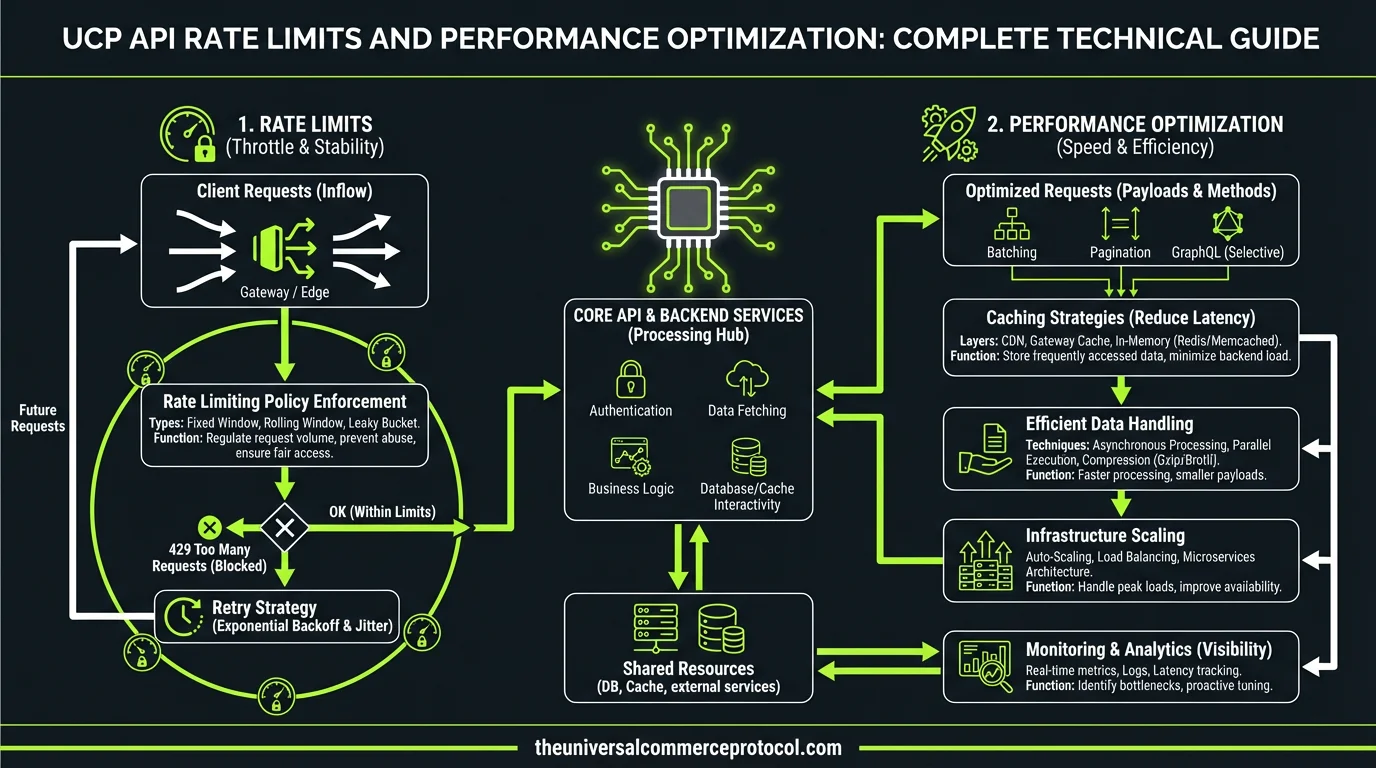
UCP API Rate Limits & Performance Optimization Guide
The Universal Commerce Protocol (UCP) API implements tiered rate limiting with standard tiers of 100 requests per second for standard accounts and 1,000 RPS for enterprise deployments, with burst capacity handling via token bucket algorithms. Performance optimization requires implementing request batching, connection pooling, and Redis-based caching layers to reduce P95 latency below 200ms while maintaining…
-
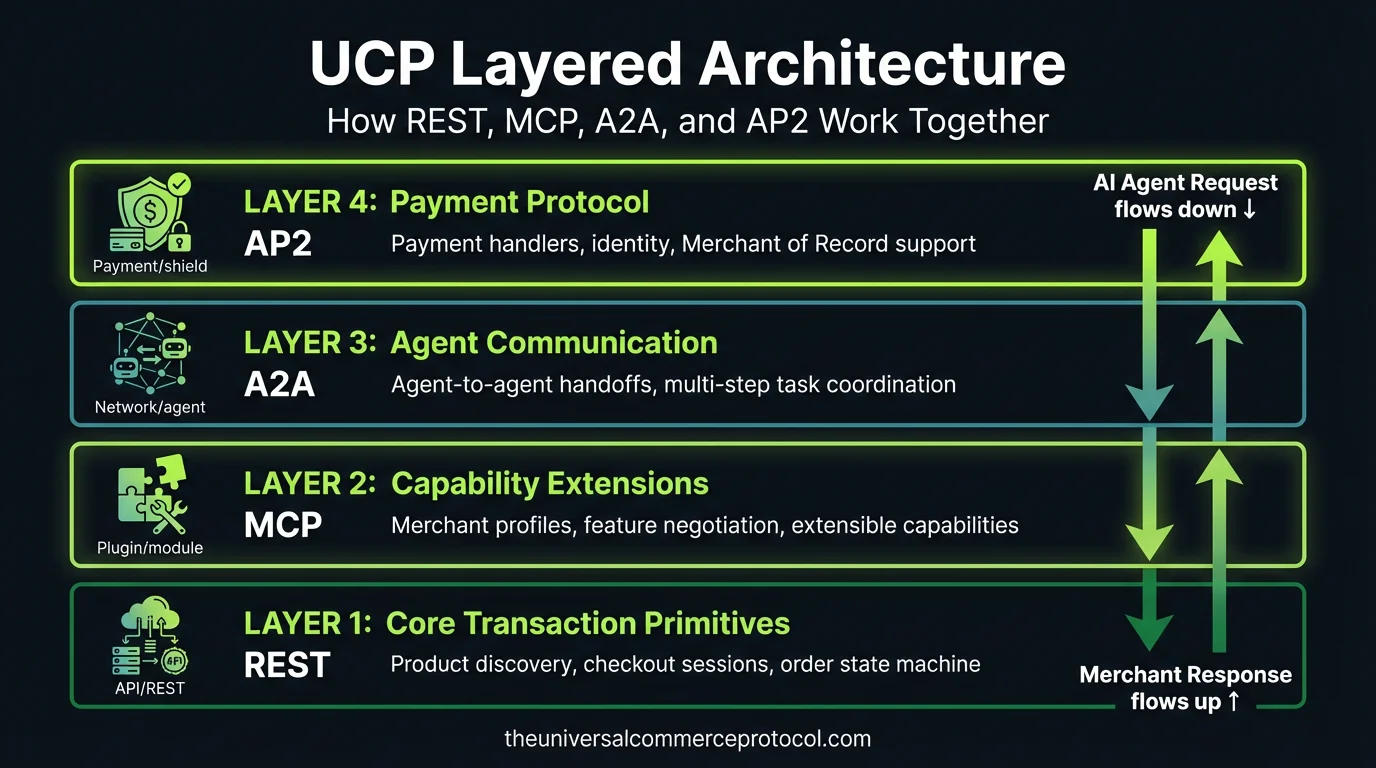
UCP Layered Architecture Explained: Technical Guide to REST, MCP, A2A, and FIDO AP2 Protocols
UCP’s layered architecture separates core transaction primitives from capabilities, extensions, and payment handlers — enabling the protocol to scale across millions of merchants and evolve without breaking existing integrations. This guide explains each layer, how merchant profiles and capability negotiation work, what the checkout state machine does, and how REST, MCP, A2A, and AP2 connect…
-
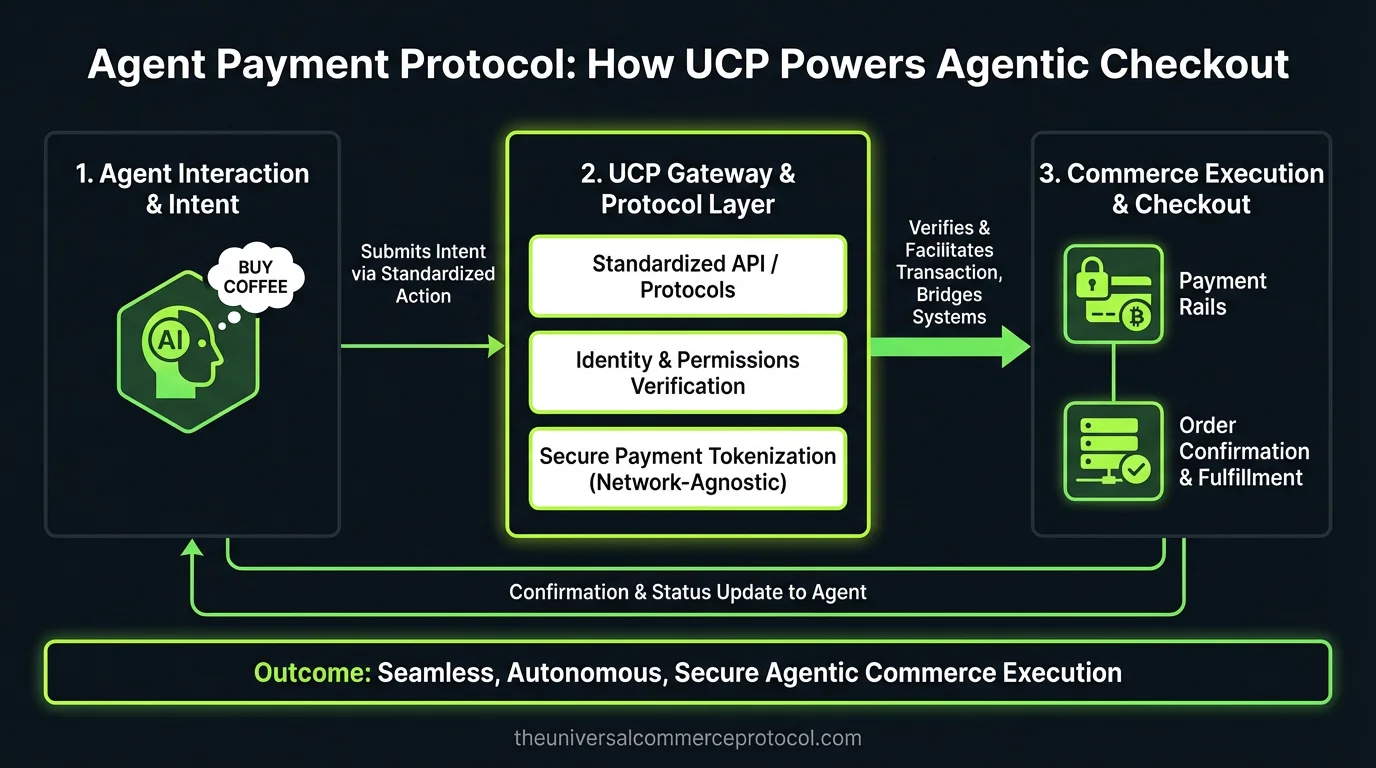
Agent Payment Protocol: How UCP Powers Agentic Checkout
Agent payment protocol enables AI agents to authorize and complete purchases autonomously. Learn how UCP, AP2, and Google Pay work together to power agentic commerce — and what merchants must do to be ready.
-
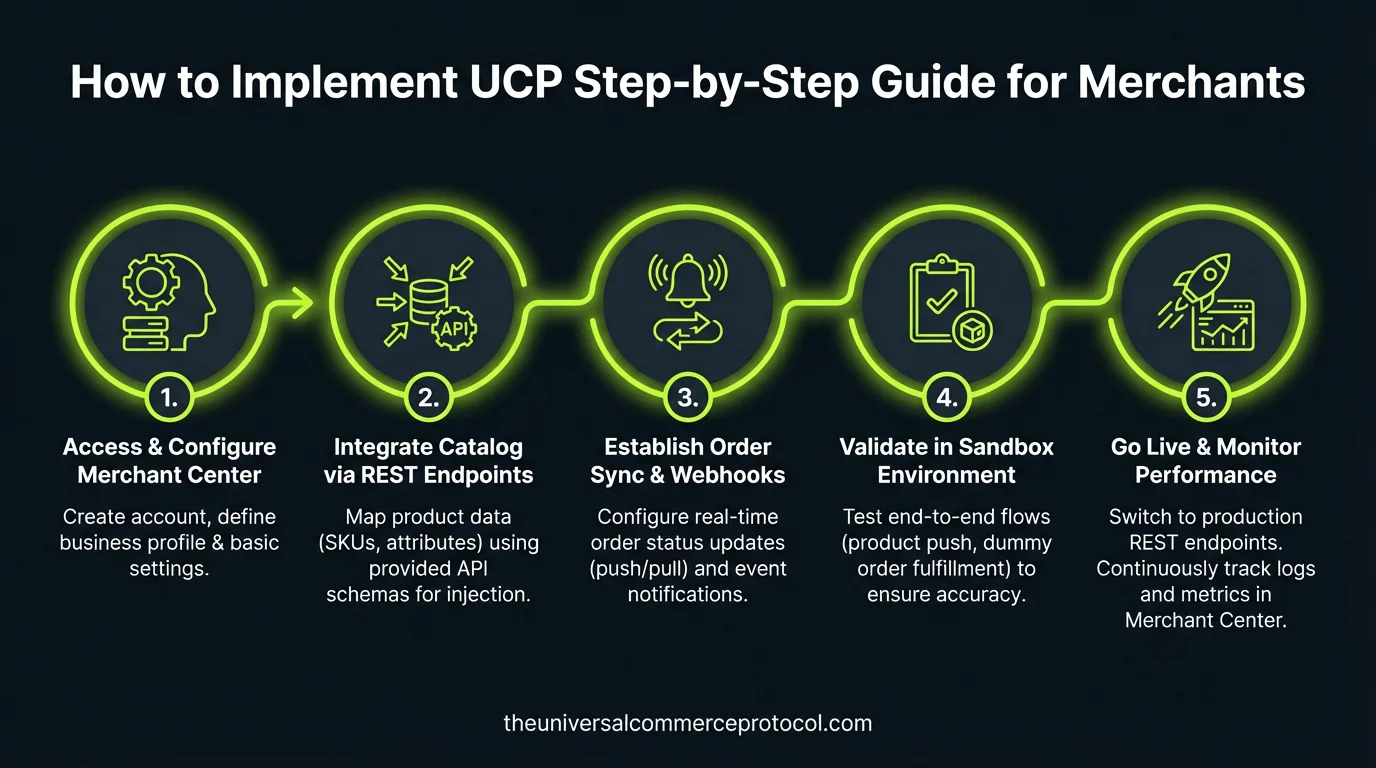
How to Implement the Universal Commerce Protocol: The Complete Developer & Merchant Integration Manual (2026)
Implementing UCP with Google means enabling checkout inside AI Mode and Gemini through five official steps: Merchant Center preparation, business profile publishing, three core REST checkout endpoints, user identification path selection, and order status sync. This guide covers every step sourced directly from Google’s official UCP implementation documentation, including what UCP does not require of…
-
WebMCP vs REST APIs: When to Use Which for AI Agent Integration
You already have an API. So why would you need WebMCP? It’s a fair question — and the answer reveals a distinction that most developers miss until they’ve built it wrong once. REST and WebMCP don’t compete. They operate at completely different layers, serve completely different callers, and solve completely different problems. Understanding which one…
-
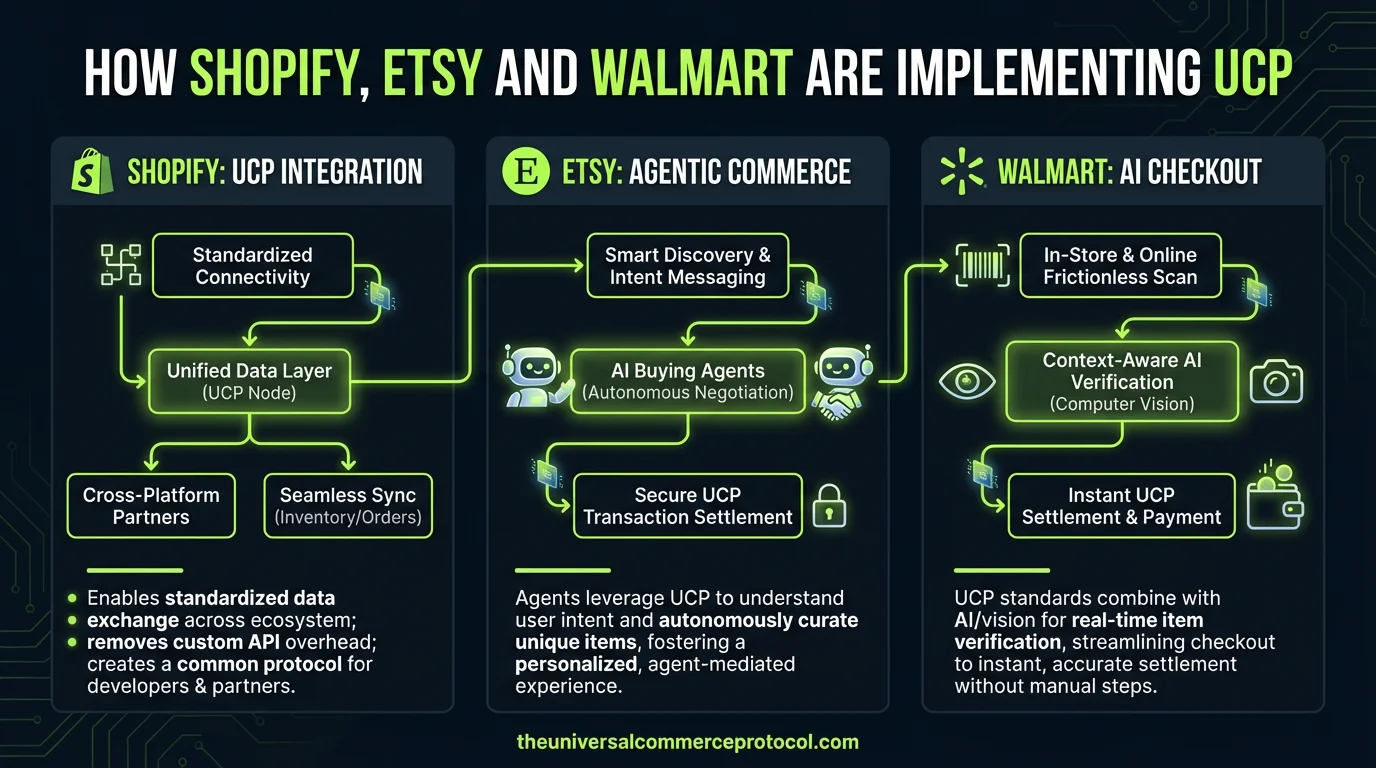
How Shopify, Etsy & Walmart Are Implementing UCP: The Enterprise Ecosystem Implementation Matrix (2026)
Detailed analysis of how Shopify, Etsy, Wayfair, Target, and Walmart are adopting the Universal Commerce Protocol — from co-development roles to live checkout implementations in AI Mode and Gemini.
-
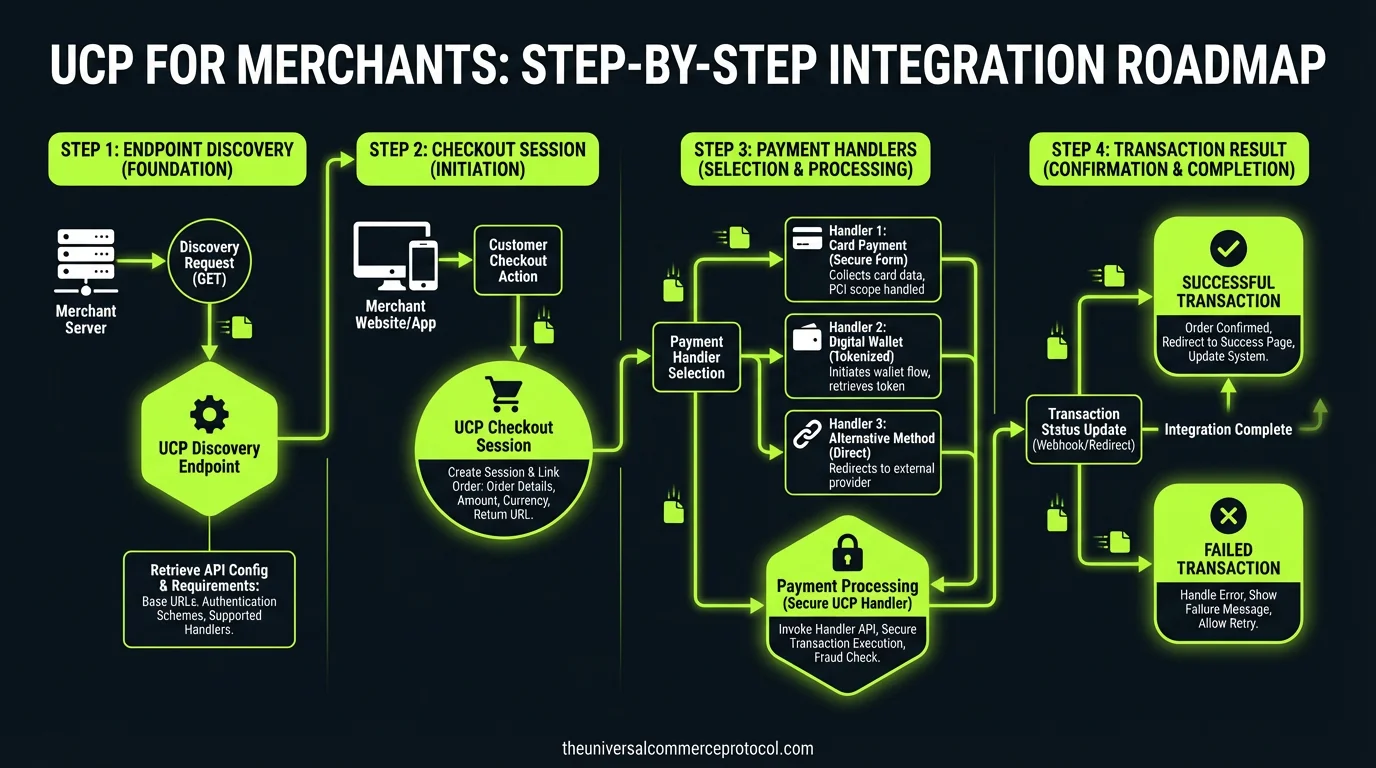
UCP Merchant Integration Roadmap: From Discovery Endpoint to Native Checkout
The complete step-by-step guide for merchants integrating with the Universal Commerce Protocol. Covers discovery endpoint configuration, product catalog APIs, checkout sessions, platform-specific paths for Shopify and WooCommerce, and testing your UCP implementation.
-
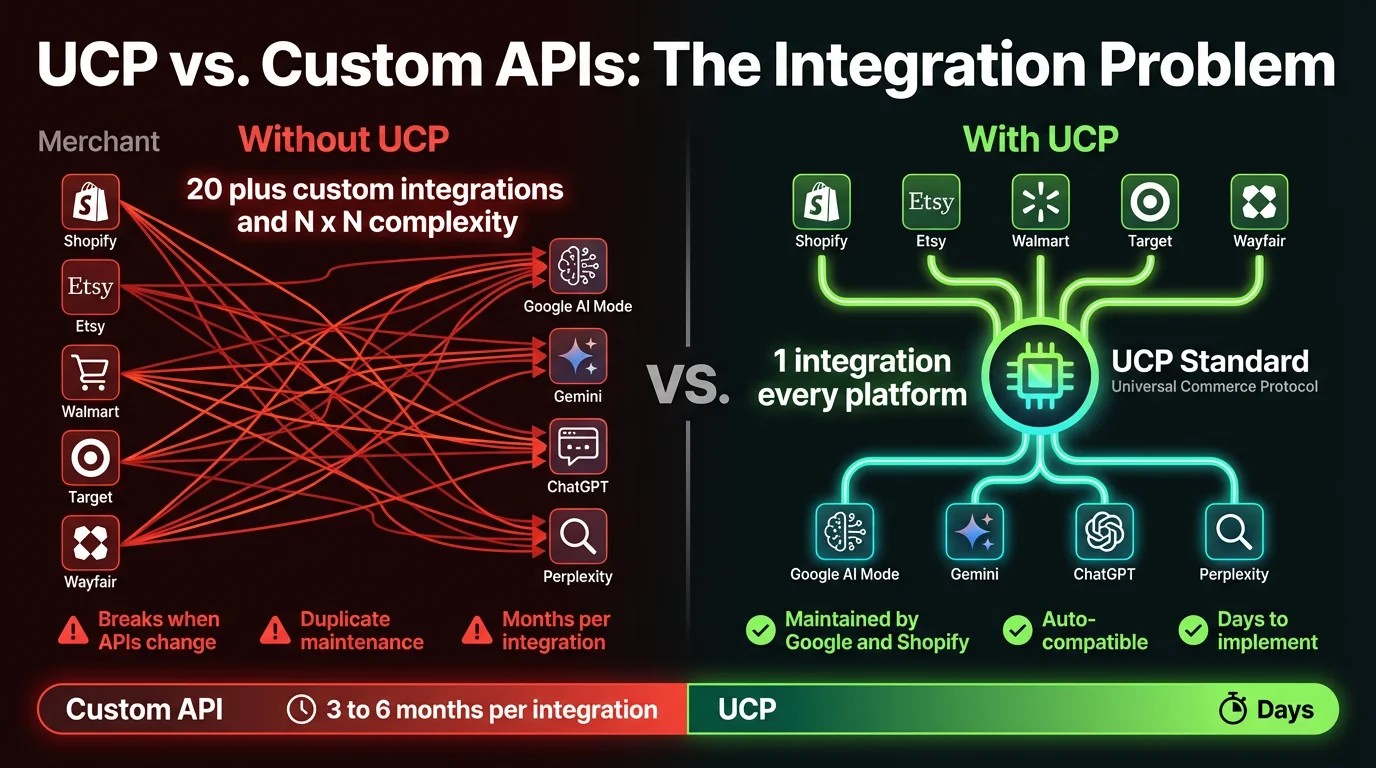
UCP vs. Custom API Integrations: The Business Case for an Open Commerce Standard
Strategic analysis comparing custom API integrations versus UCP adoption for agentic commerce — examining costs, risks, scalability, and the N x N integration problem facing merchants connecting to AI shopping surfaces.
-
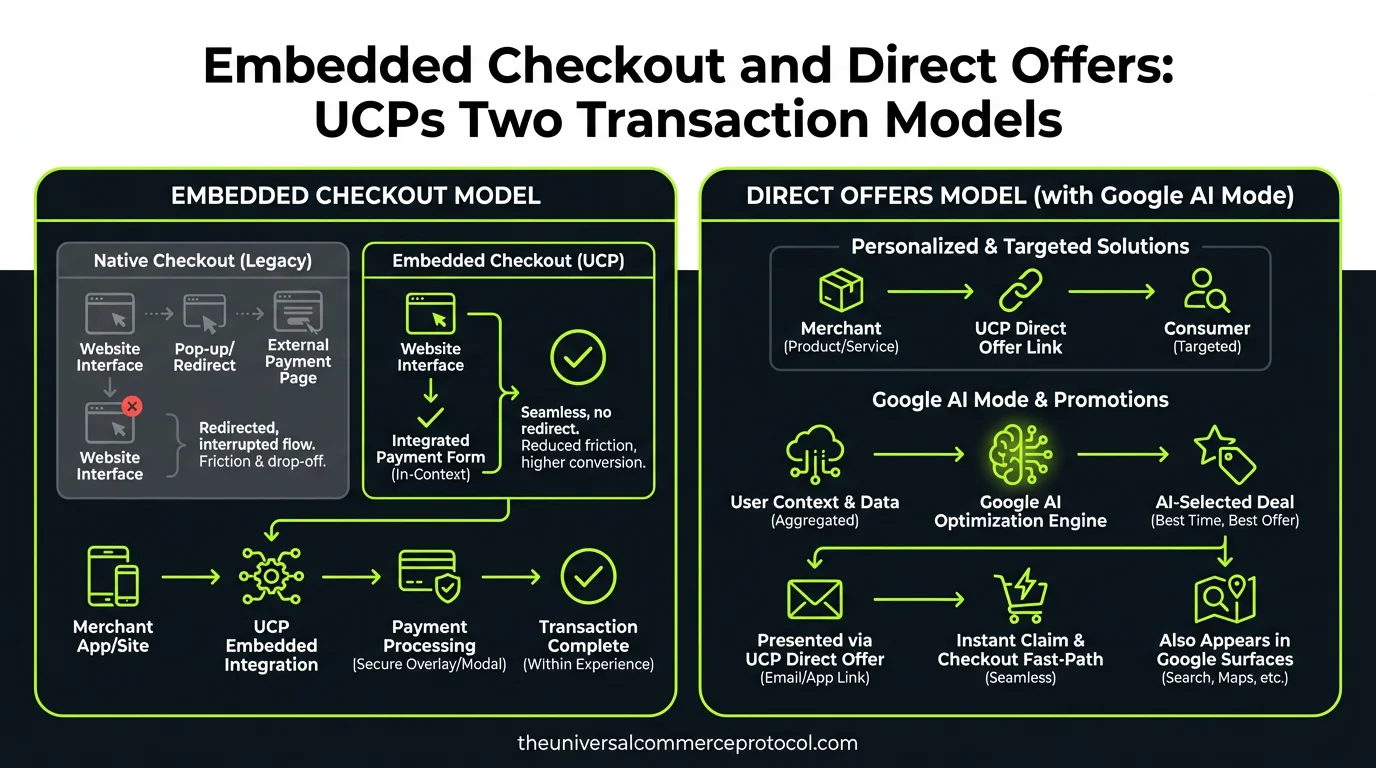
Embedded Checkout & Direct Offers: UCP’s Two Transaction Models Explained
Technical comparison of UCP’s Native Checkout and Embedded Checkout transaction models, plus how Google’s Direct Offers pilot enables exclusive in-conversation promotions within AI Mode.
-
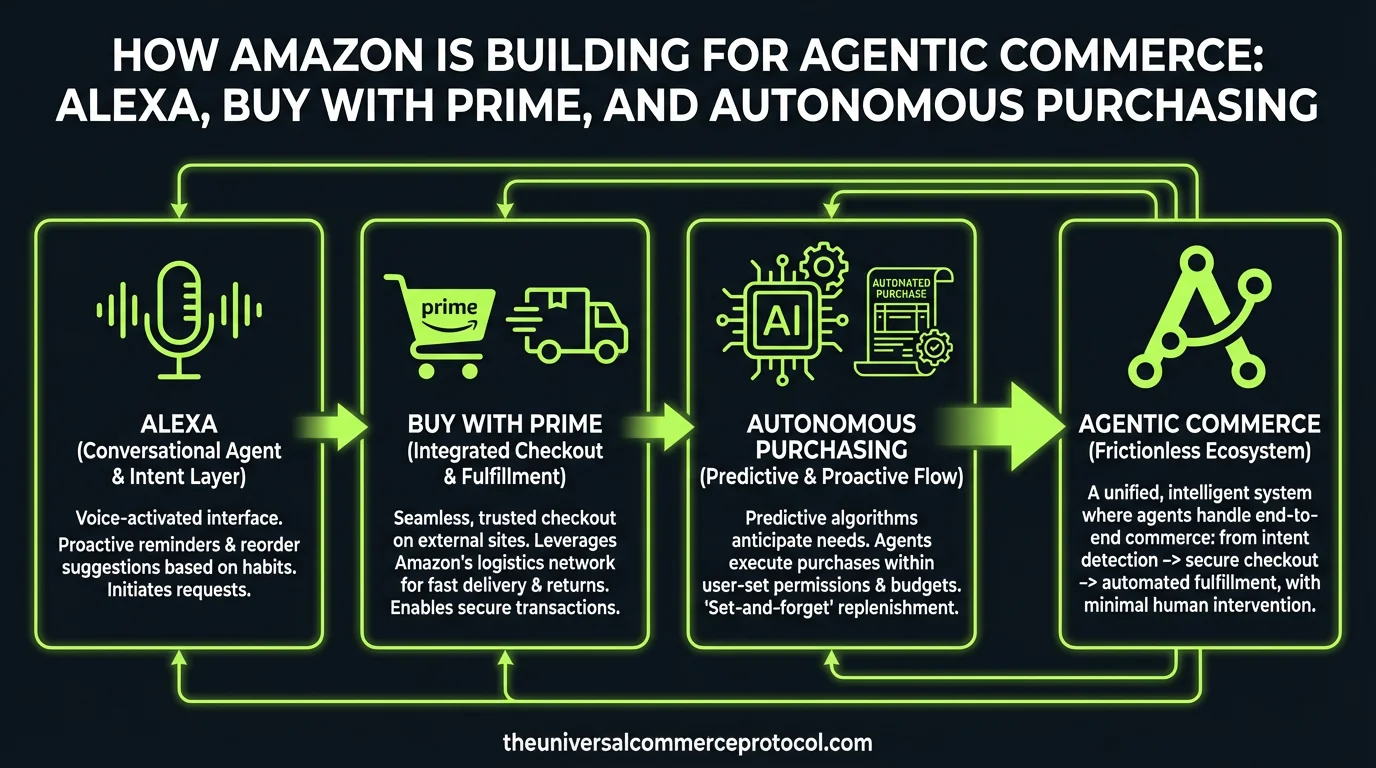
How Amazon Is Building for Agentic Commerce: Alexa, Buy
Amazon is strategically positioning itself as a leader in agentic commerce through Alexa’s autonomous purchasing capabilities, Buy with Prime integration, and machine learning-driven shopping agents. Discover how the e-commerce giant is reshaping commerce through agent-driven transactions and what it means for the Universal Commerce Protocol ecosystem.