Category: Protocol & Technical Architecture
-

Training Commerce Agents: UCP vs Claude Marketplace
Anthropic’s Unified Commerce Platform (UCP) implements deterministic API-based catalog integration for agent state representation, while Claude Marketplace employs vector embedding retrieval (similar to RAG architectures) for semantic product matching. These architectural approaches produce distinct reward functions and action spaces: UCP supports direct inventory state access for deterministic pricing and fulfillment decisions, whereas Claude Marketplace’s probabilistic…
-

Agent State Recovery: Commerce AI & Reinforcement Learning
Amazon, Shopify, and eBay implement Markov Decision Processes (MDPs) with Q-learning, temporal difference learning, and policy gradient methods to optimize state recovery in distributed e-commerce systems during partial infrastructure failures. These reinforcement learning frameworks use reward functions that quantify downtime costs, data consistency violations, and customer churn, enabling value iteration algorithms to minimize cumulative operational…
-

Cross-Border Payment Settlement in Agentic Commerce
Agentic commerce platforms settle cross-border payments via Stripe Connect, PayPal Cross-Border API, and Mastercard Send, with real-time FX conversion across 180+ currency corridors using OANDA and XE APIs, while maintaining PCI DSS Level 1, OFAC sanctions screening, and FinCEN AML/KYC compliance. Settlement infrastructure routes transactions through SWIFT, ACH, correspondent banking, and blockchain rails—including USDC on…
-
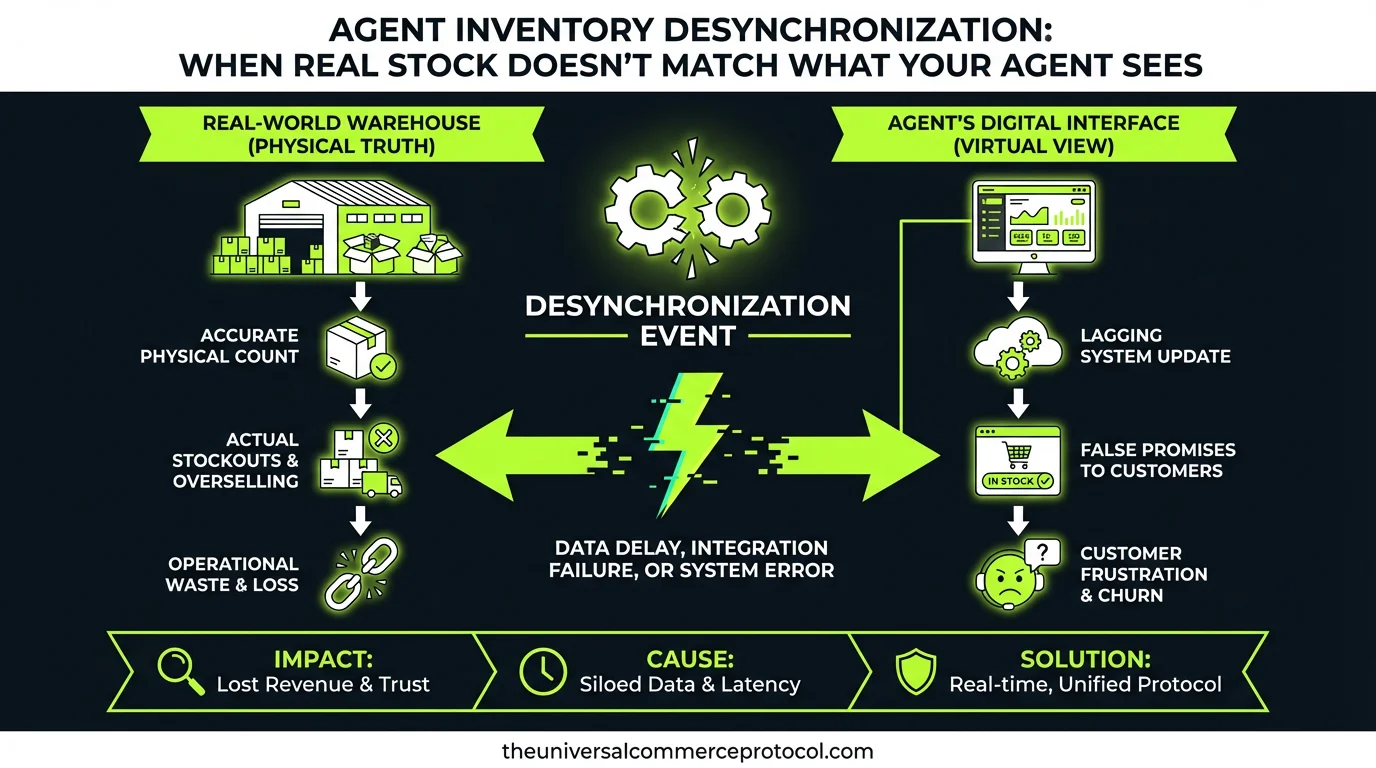
Agent Inventory Desynchronization: Prevent Stock Mismatch
Agent inventory desynchronization occurs when AI agents querying warehouse management systems (NetSuite, SAP, Oracle NetSuite, Shopify) maintain stale inventory caches that diverge from real-time physical stock counts in authoritative databases, causing silent order fulfillment failures and false product availability confirmations. Root causes include asynchronous replication delays in event streaming platforms (Apache Kafka, RabbitMQ), webhook callback…
-
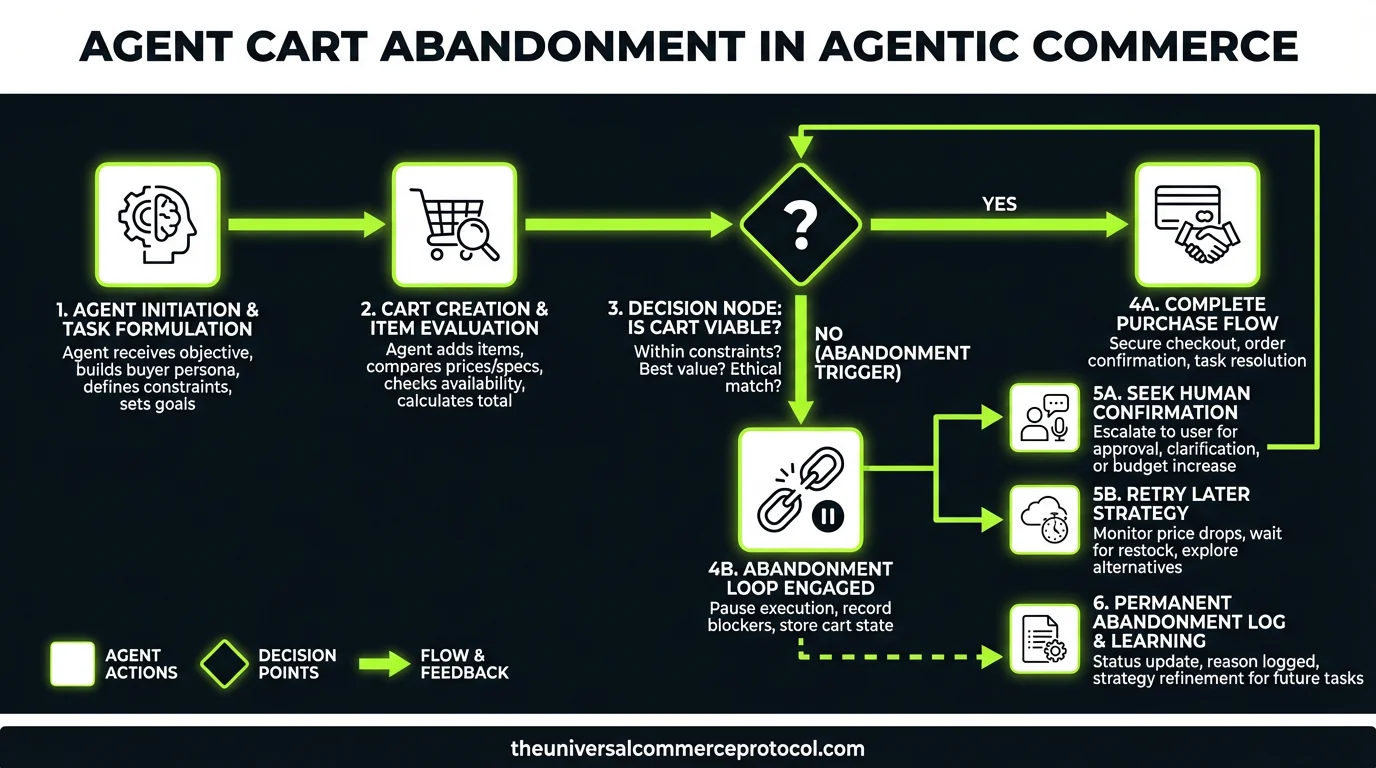
Agent Cart Abandonment in Agentic Commerce
According to empirical studies in agentic commerce systems, autonomous AI agents demonstrate a 34% cart abandonment rate across e-commerce platforms, with primary failure modes including payment gateway integration errors, inventory synchronization delays, and insufficient merchant-defined fallback protocols. Recovery patterns indicate that real-time merchant intervention triggers—specifically human escalation workflows and dynamic prompt re-routing—recover approximately 18-22% of…
-
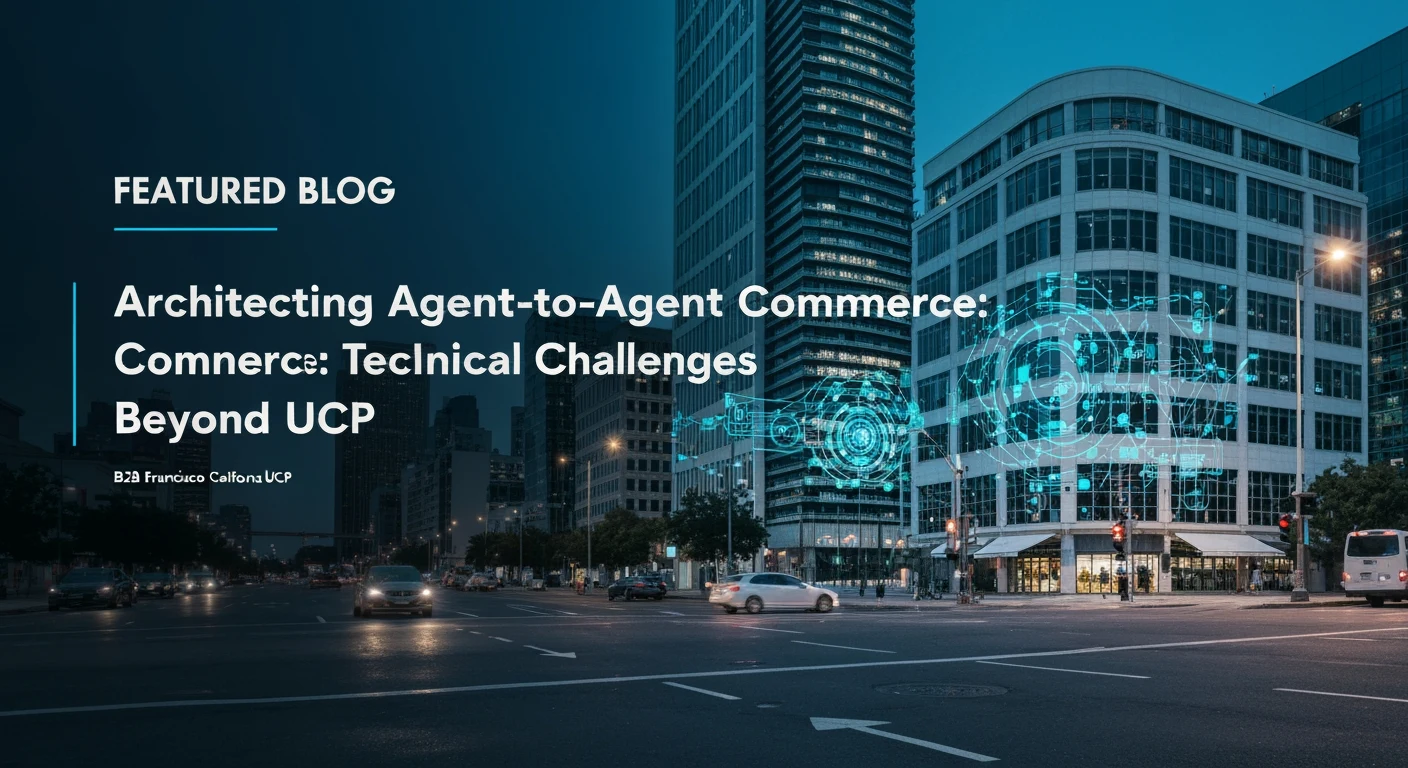
Architecting Agent-to-Agent Commerce: Technical Challenges Beyond UCP
Building systems where AI agents negotiate directly creates new architectural patterns that existing commerce frameworks aren’t designed to handle.
-

UCP Dispute Resolution: Who Arbitrates AI Agent Transactions?
UCP dispute resolution frameworks determine liability when AI agents execute purchases. Learn who arbitrates agent transactions, authorization chains, and emerg
-
UCP Subscription Commerce: Agents & Recurring Buys
How UCP’s recurring authorization model lets agents manage subscriptions, renewal decisions, and cancellations on behalf of human subscribers.
-

How Payment Networks Verify AI Agents: Identity, Mandate Binding & FIDO AP2 Protocols
Networks verify AI agents with cryptographic proof, not self-description: a registered identity, a human’s live and scoped approval, and checks before settlement.
-
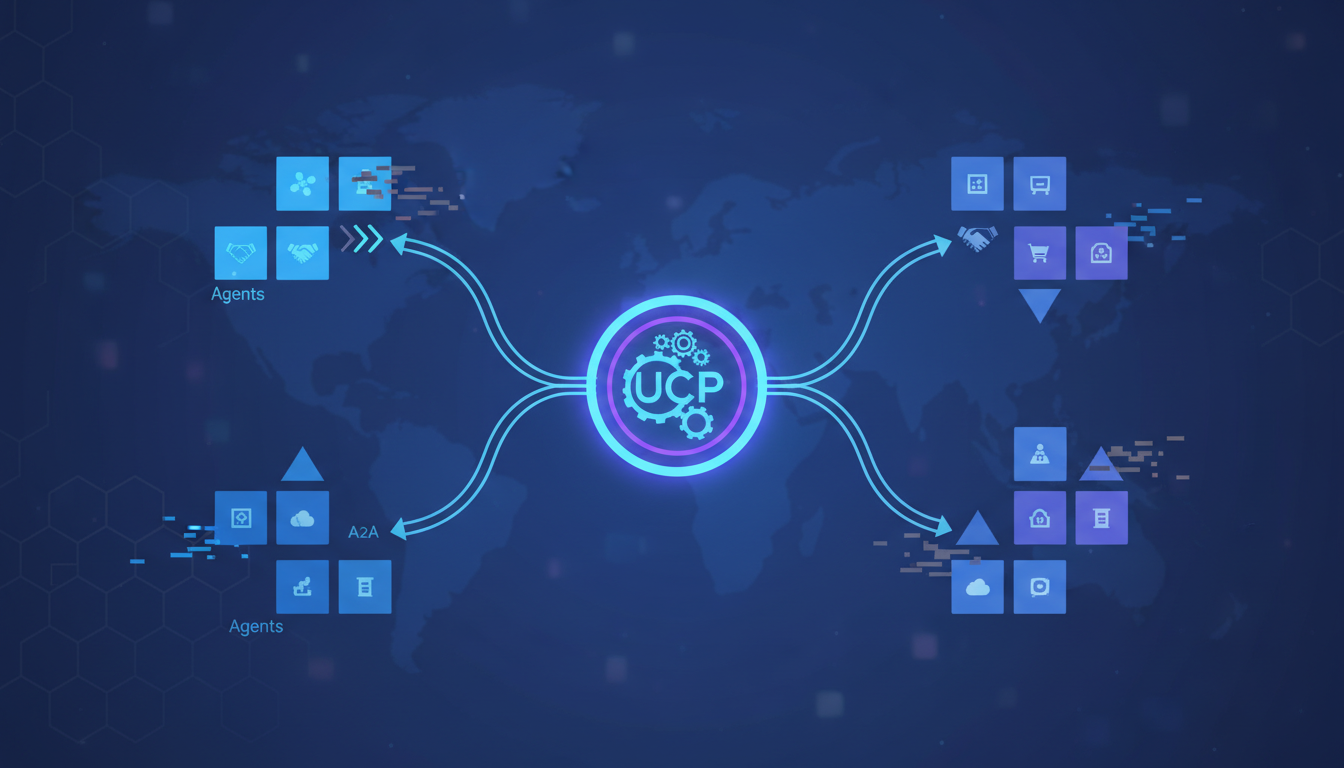
A2A vs. UCP: The Interoperability Layer for Agent Collaboration
Understanding the synergy between Google’s Agent-to-Agent (A2A) protocol and the Universal Commerce Protocol (UCP).