Tag: Model Context Protocol
-
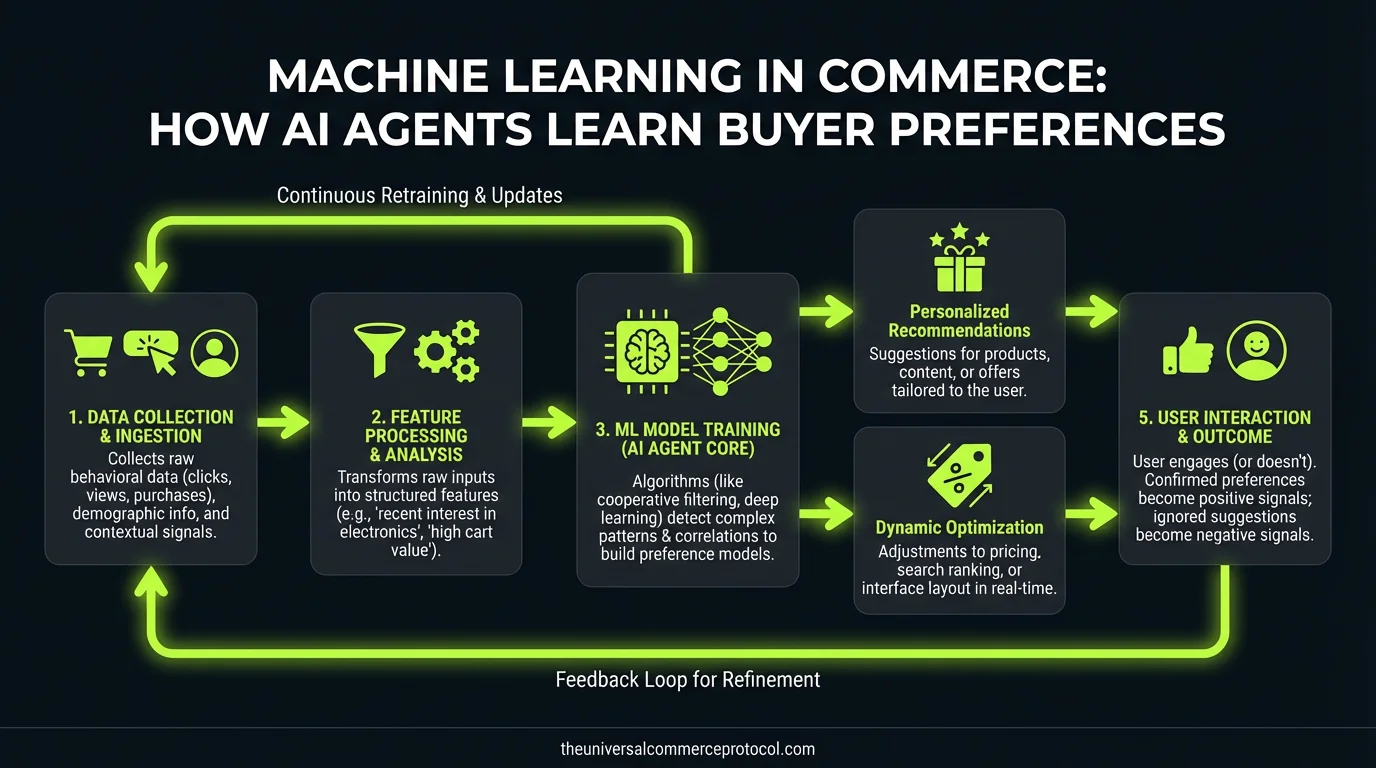
Machine Learning in Commerce: How AI Agents Learn Buyer Preferences
AI shopping agents powered by machine learning are revolutionizing how commerce platforms understand and predict buyer behavior. Discover how preference…
-
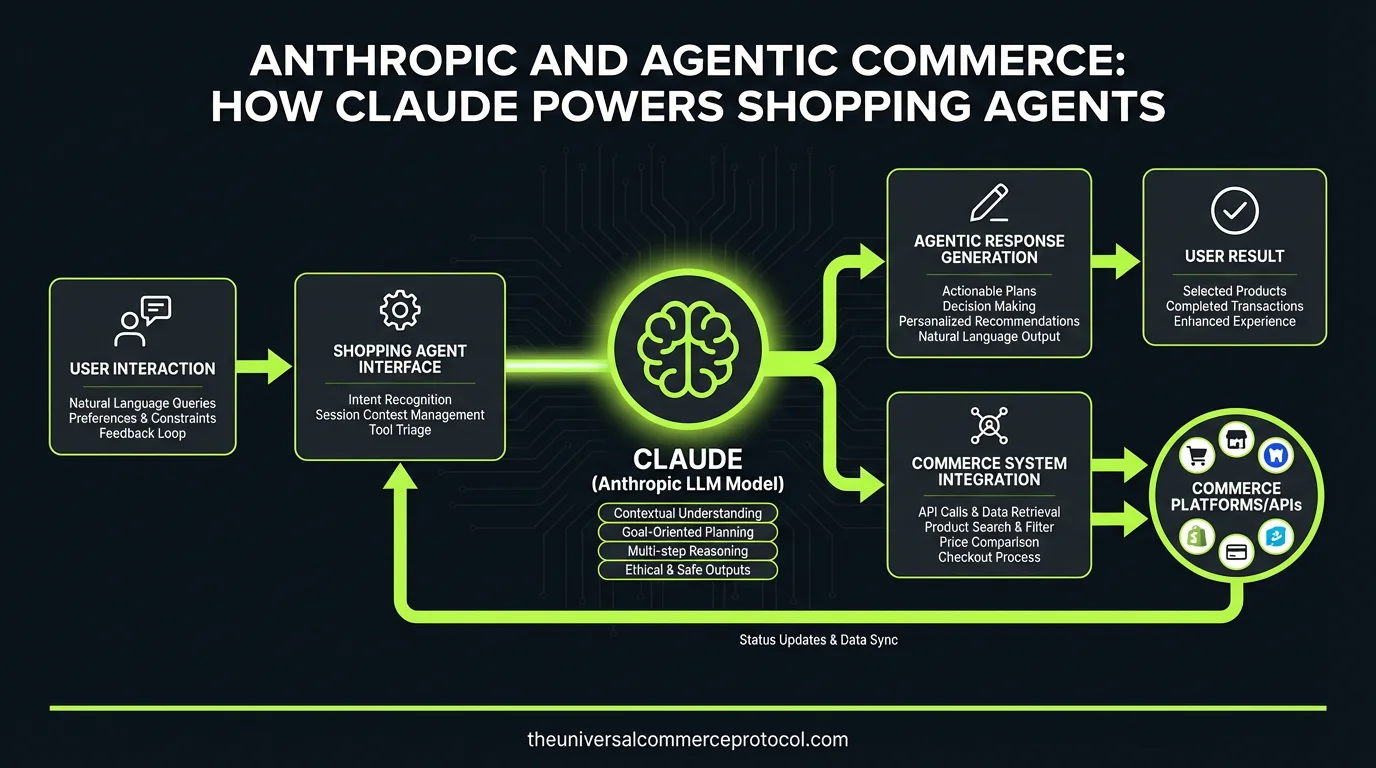
Anthropic and Agentic Commerce: How Claude Powers Shopping Agents
Claude by Anthropic enables sophisticated agentic commerce through advanced tool use and constitutional AI safety frameworks. Learn how Claude powers…
-
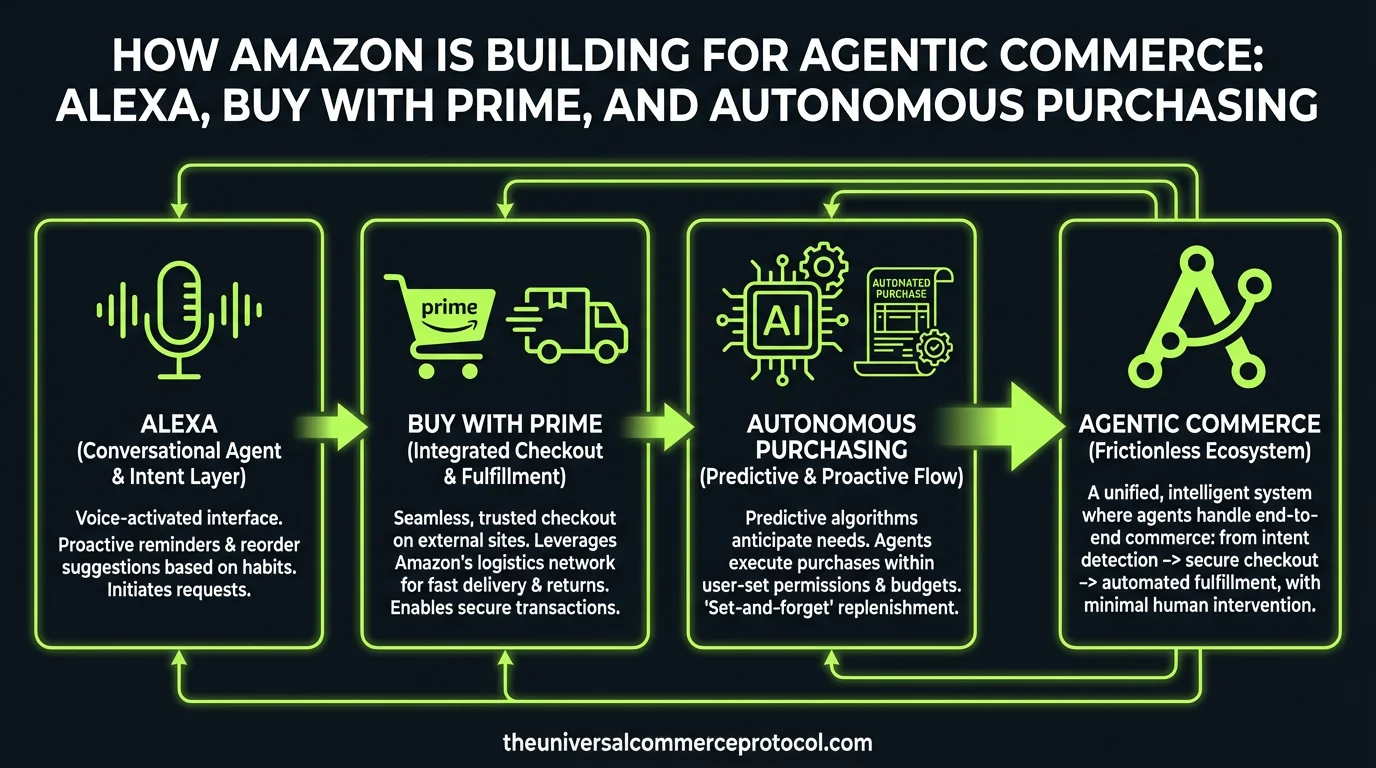
How Amazon Is Building for Agentic Commerce: Alexa, Buy
Amazon is strategically positioning itself as a leader in agentic commerce through Alexa’s autonomous purchasing capabilities, Buy with Prime integration,…
-
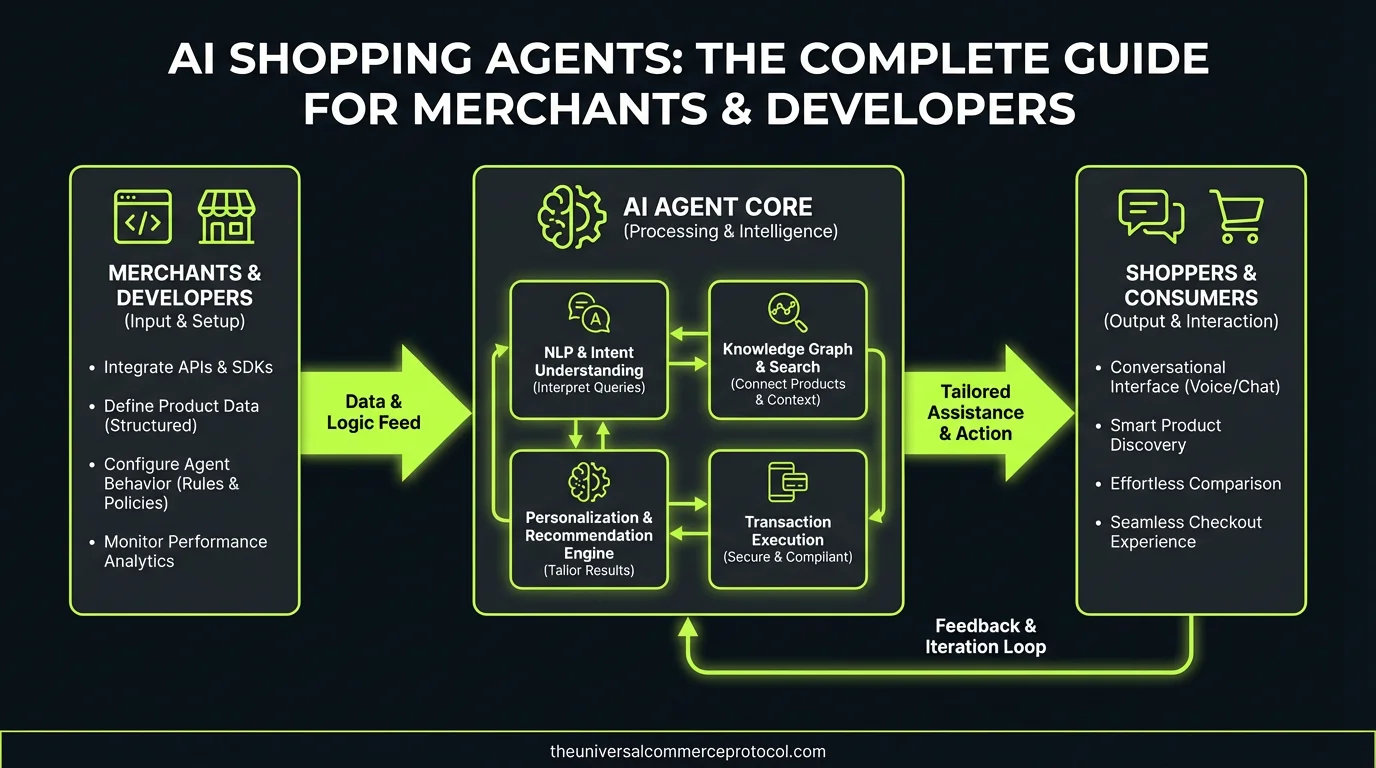
AI Shopping Agents: Complete 2026 Guide — How They Work & What Merchants Need to Know
AI shopping agents autonomously find, compare, and buy products across platforms. This guide covers how they work, which platforms support…
-
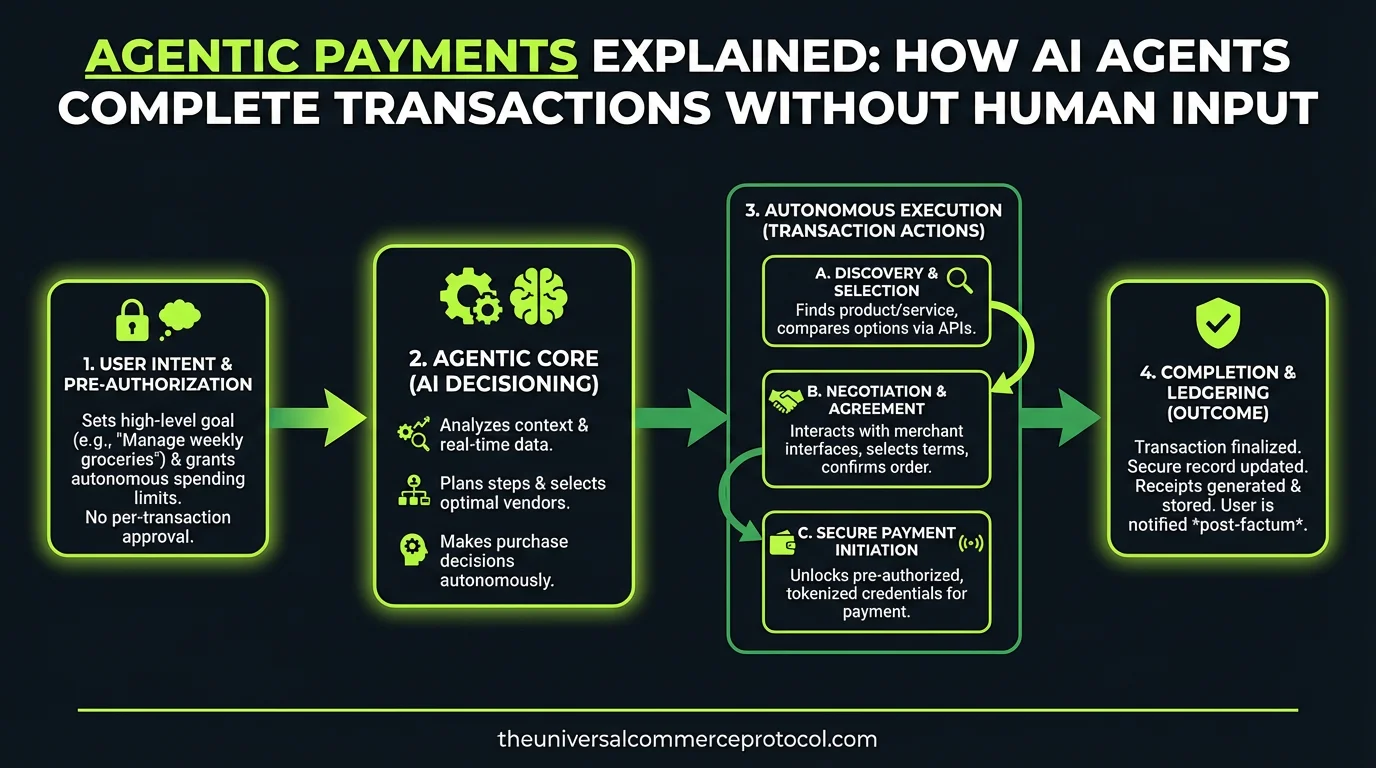
Agentic Payments Explained: How AI Agents Pay Without Human Input
AI agents can now authorize and complete payments autonomously within predefined trust frameworks. Learn how agentic payment flows work, what…
-
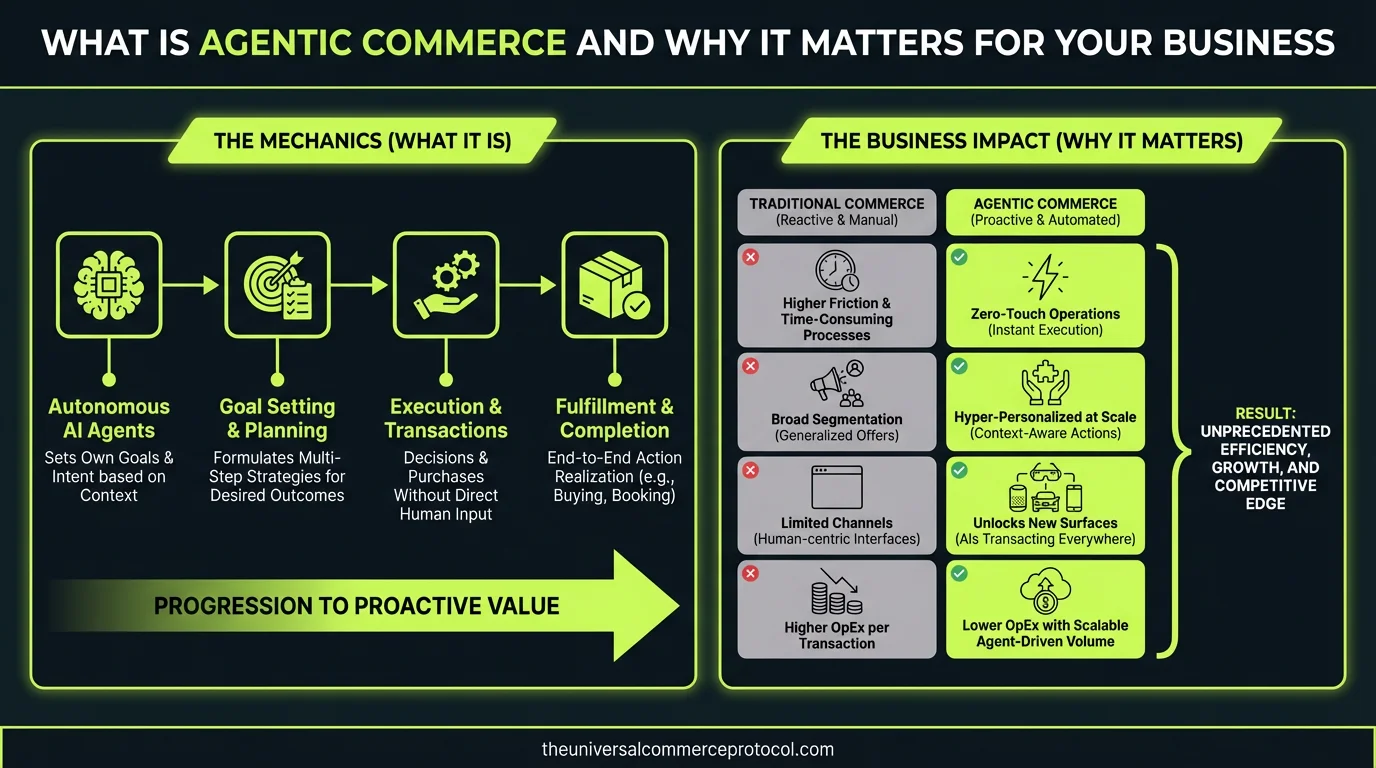
What Is Agentic Commerce and Why It Matters for Your Business
Agentic commerce is the model in which AI agents autonomously research, compare, and purchase products on behalf of users. Learn…
-
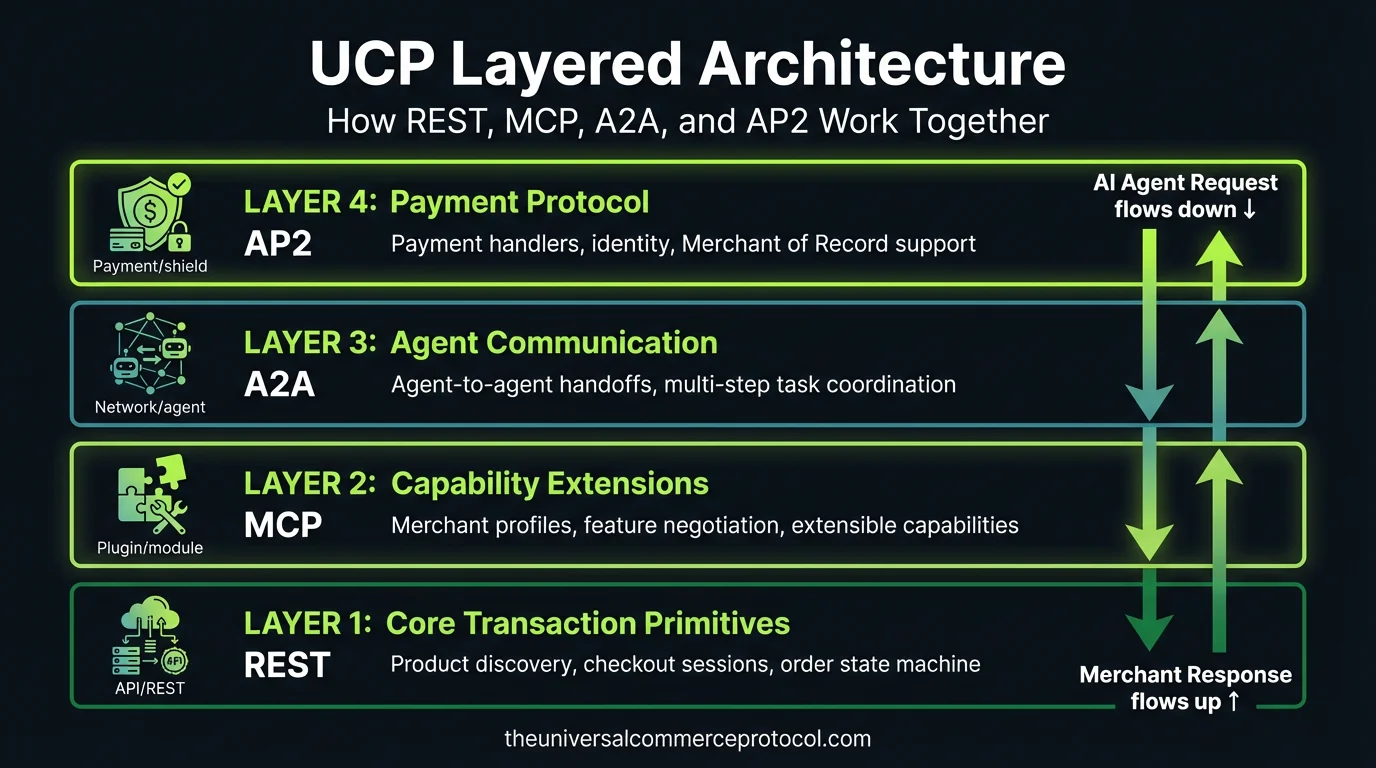
UCP’s Layered Architecture Explained: How REST, MCP, A2A, and AP2 Work Together
UCP’s layered architecture separates core transaction primitives from capabilities, extensions, and payment handlers — enabling the protocol to scale across…
-
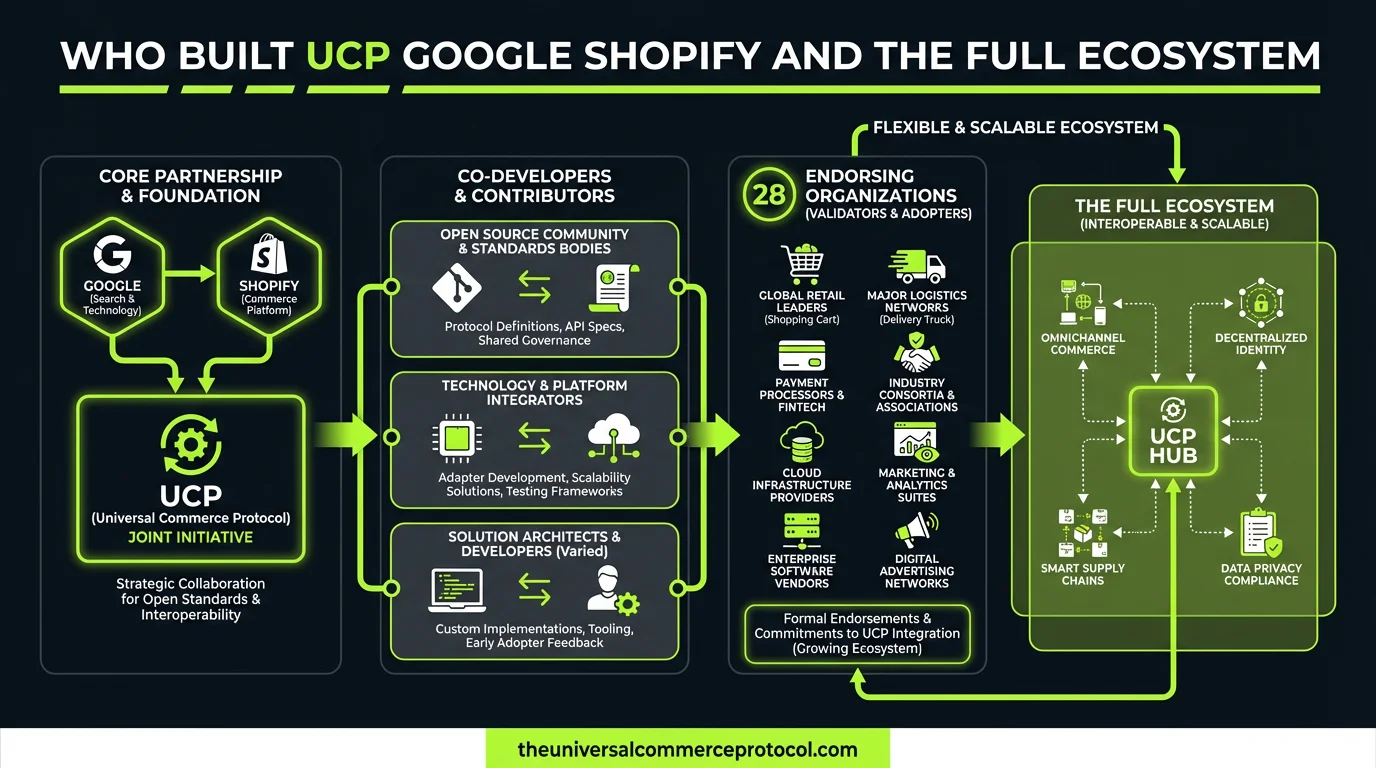
Who Built UCP? Google, Shopify, and the Full Ecosystem
UCP was co-developed by Google and Shopify, with Etsy, Wayfair, Target, and Walmart as additional co-developers, and endorsed by 28…
-
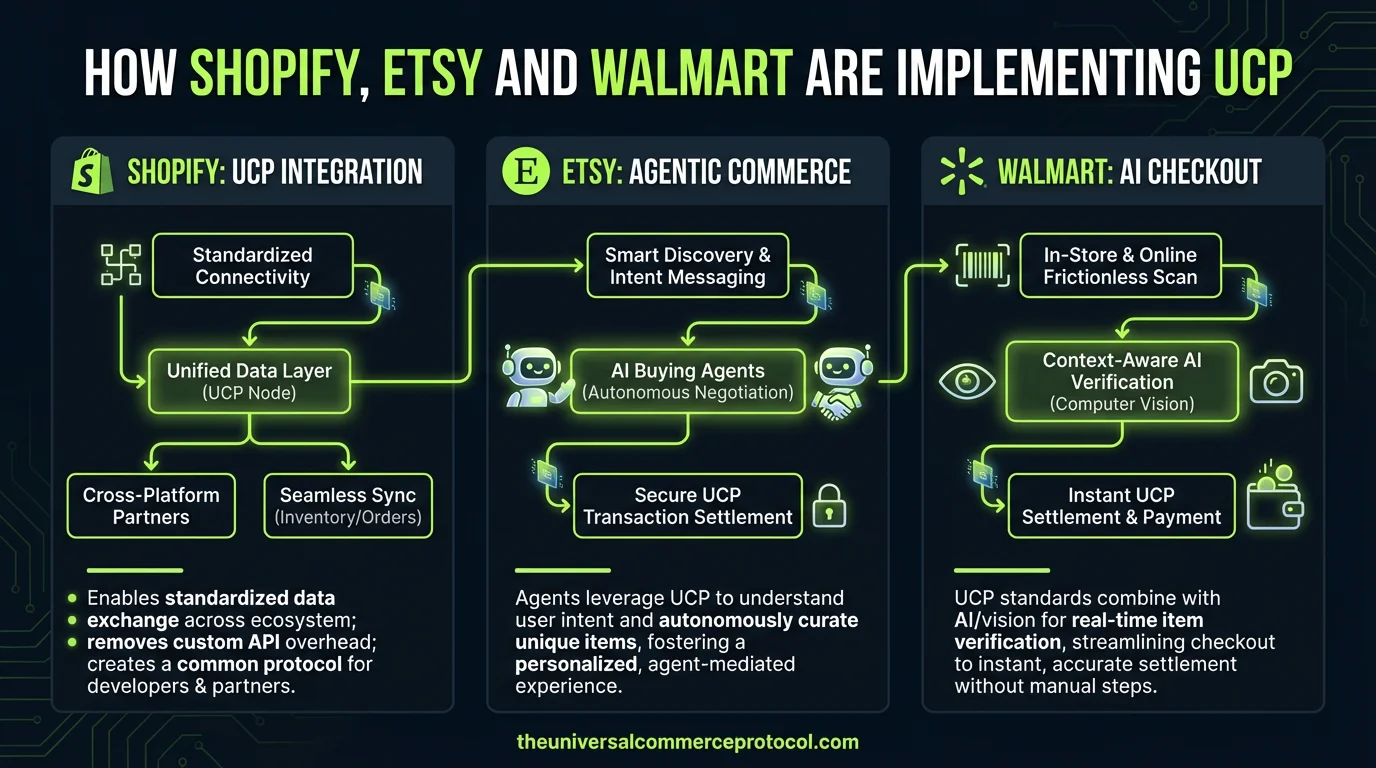
How Shopify, Etsy & Walmart Are Implementing UCP: An Ecosystem Overview
Detailed analysis of how Shopify, Etsy, Wayfair, Target, and Walmart are adopting the Universal Commerce Protocol — from co-development roles…
-
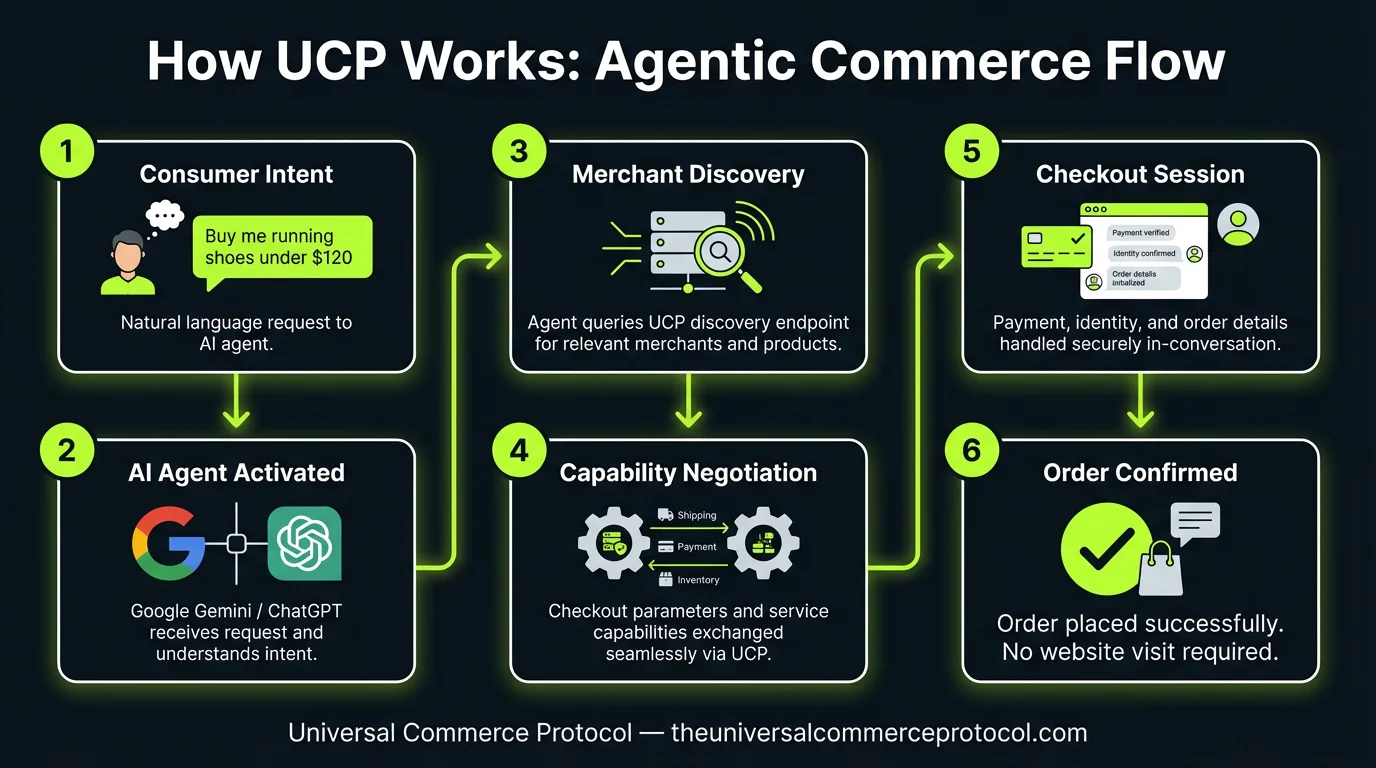
Agentic Commerce Explained: How AI Agents Replace the Shopping Cart
AI agents now discover products, compare prices, and complete purchases autonomously. Here’s how agentic commerce works, how it differs from…