Category: Merchant Integration
-
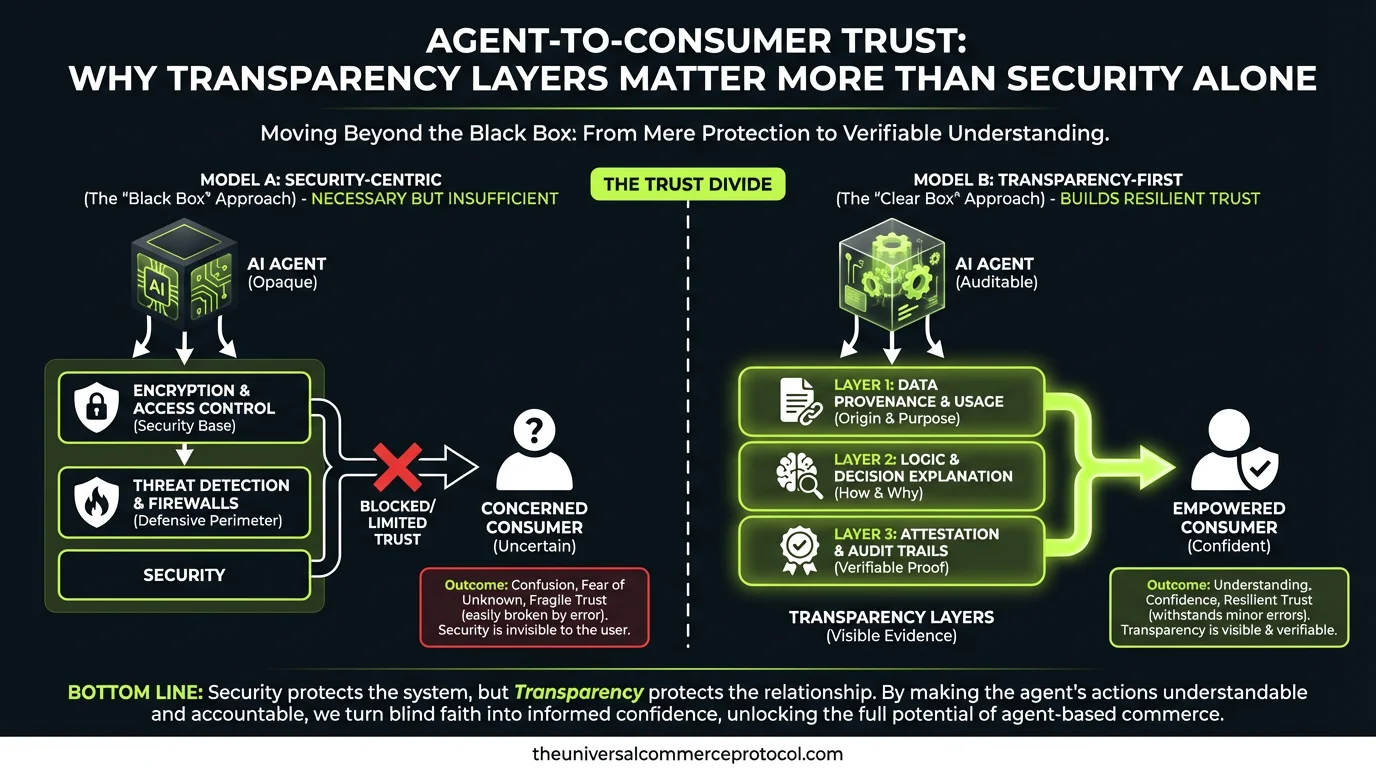
Agent-to-Consumer Trust: Transparency Over Security
Agentic commerce systems must implement GDPR Article 22-compliant transparency mechanisms—including decision logs, reasoning chains, and real-time action notifications—to address the 70% cart abandonment increase when consumers cannot understand agent-generated recommendations. Explainability layers documenting AI agent processing of personal data, dynamic pricing calculations, and inventory selection comply with the EU’s General Data Protection Regulation (GDPR), California…
-
Agent Latency vs. Conversion: The Performance Optimization Trade-Off Merchants Are Getting Wrong
Why faster AI agents don’t always convert better—and how to measure the real ROI of speed in agentic commerce.
-

UCP Compliance Feeds for Regulated Industries: Build Safe AI Commerce
**Build UCP-compliant product feeds for regulated industries like pharma, alcohol, and cannabis. Learn compliance schema, AI agent safety, and avoid $214K penal
-

UCP for Healthcare Procurement: Compliance Architecture for Agent Purchasing in Regulated Environments
How UCP’s compliance architecture addresses the specific requirements of healthcare procurement including HIPAA, GPO compliance, and audit trail mandates.
-
UCP for Small Business: Agentic Commerce Guide (2026)
Practical UCP adoption guide for small businesses ready to accept AI agent purchases. Setup steps, costs, and what to skip in year one.
-

Shopify Bets Big on Agentic Commerce
Shopify reports AI-powered shopping orders jumped 15x since January 2025.
-

UCP vs MCP Architecture: Implementation Guide for Leaders
Unified Commerce Platform (UCP) architecture employs distributed microservices for commerce orchestration across omnichannel retail, optimizing horizontal scalability and system throughput. Modular Commerce Platform (MCP) architecture centralizes AI-native processing through integrated machine learning pipelines, transformer-based large language models (LLMs), and neural networks for real-time personalization, recommendation engines, and predictive analytics. UCP vs. MCP selection criteria include…
-
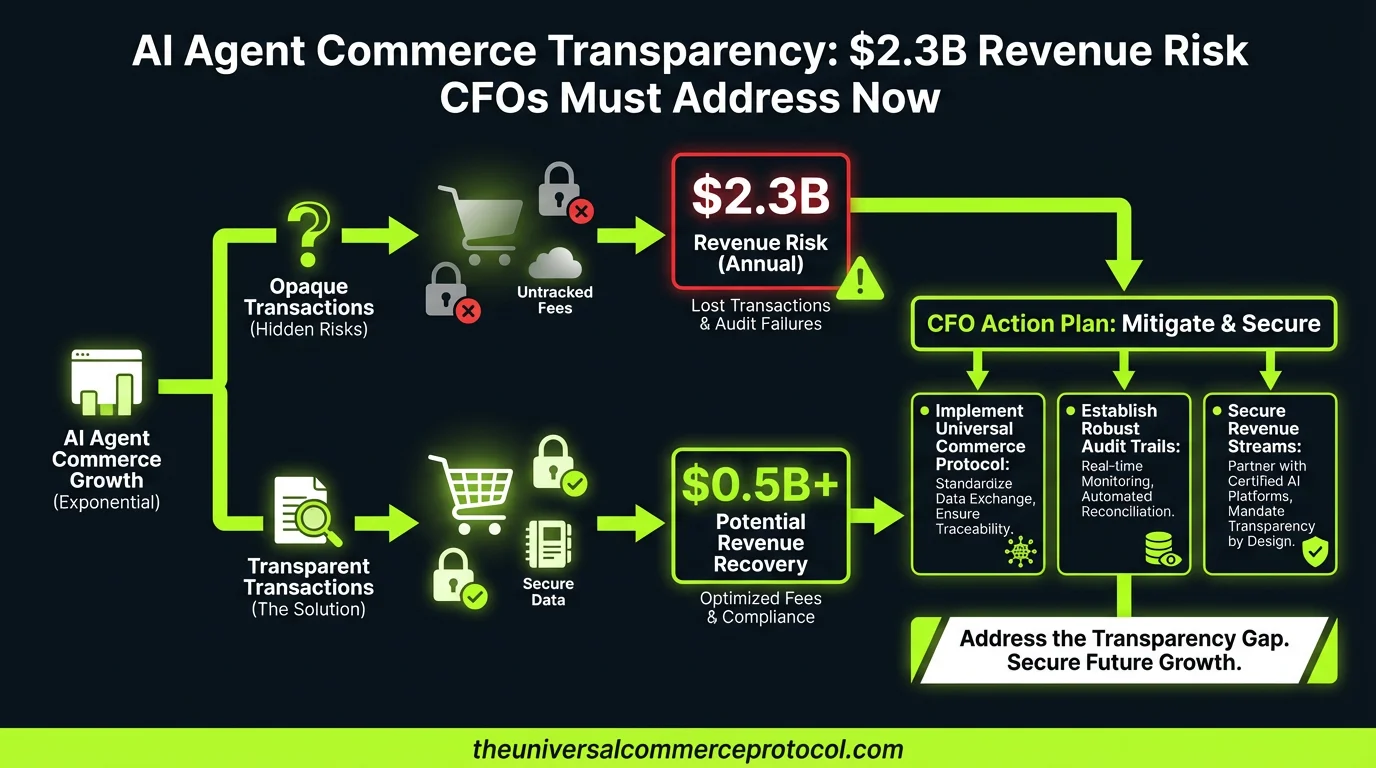
AI Agent Commerce Transparency: $2.3B Revenue Risk
AI commerce agents operating without transparent decision-making frameworks experience conversion loss rates of 38%, according to industry analysis of autonomous shopping systems. This opacity in recommendation algorithms directly correlates with elevated customer acquisition costs (CAC) and reduced customer lifetime value (CLV), representing an estimated $2.3 billion annual revenue risk across the e-commerce sector. Organizations implementing…
-
Agent Cost Attribution in Agentic Commerce: The Hidden Expense Merchants Aren’t Tracking
Most merchants running AI agents have no visibility into per-transaction costs. Here’s how to build attribution models that actually work.
-

UCP Perishable Fulfillment: Cold Chain Compliance for AI Agents
UCP standardizes perishable fulfillment rules for AI agents, encoding cold chain compliance, expiry dates, and delivery windows into machine-readable constraint